
How to Create a Long-Term Care Plan for Your Parrot
Published on: April 12, 2026 | Last Updated: April 12, 2026
Written By: Suzanne Levine
You’re probably worried about who will care for your feathered friend if life throws you a curveball, leaving your parrot’s future uncertain.
I’ve been there myself with my own flock-Kiwi’s playful antics, Sunny’s loud affection, and Sage’s calm intelligence taught me that planning ahead is an act of love.
I’ll guide you through the essentials so you can rest easy, starting with these key takeaways:

- ✓
- ✓
- ✓
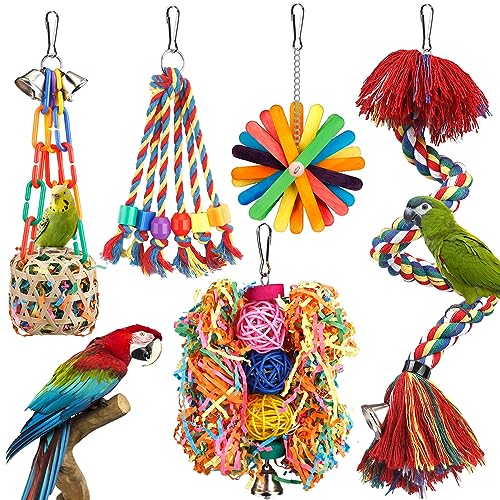

- Secure a reliable caregiver and backup plan to ensure your parrot’s daily needs are met without interruption.
- Set up a dedicated fund or legal arrangement to cover ongoing expenses like vet visits, food, and toys.
- Document your parrot’s unique personality, routines, and health history to help others provide consistent, loving care.
You’ll get straightforward steps to build a solid plan, covering financial planning, emergency contacts, legal documents, daily care instructions, and health management.
Why Your Parrot Deserves a Thoughtful Long-Term Care Plan
Parrots aren’t short-term companions; many species live 20 to 80 years, sometimes outliving their original owners. A parrot lifespan guide shows how long different species can live, from longer-lived macaws to smaller, shorter-lived varieties. Planning ahead transforms potential future stress into present-day peace of mind, ensuring your bird’s world remains stable no matter what life brings.
When my African Grey, Sage, turned seven, I noticed he needed softer perches and more frequent vet checks. Adapting his care gradually taught me that proactive changes prevent sudden crises and keep older birds like him thriving comfortably.
- Better Health: Consistent routines catch issues early, extending quality life
- Cost Management: Budgeting for future vet bills and supplies avoids financial shock
- Stronger Bonds: Predictable care builds trust, making your parrot feel secure with you
Assess Your Parrot’s Unique Needs for a Custom Plan
Every parrot has distinct requirements shaped by species, age, and personality. My Green-cheeked Conure, Kiwi, needs constant playtime, while my Sun Conure, Sunny, demands daily social interaction-their care plans reflect these differences perfectly.
Look at diet, habitat, health, and social needs through your bird’s entire lifespan. A young parrot might need flight training and exploration, but an elderly one may prefer low-impact activities and joint-supporting nutrition. Diet choices can influence a parrot’s lifespan and health, so feeding for long-term wellness matters at every life stage. A balanced, species-appropriate diet supports vitality and disease resistance as they age.
Step-by-Step Checklist for Current and Future Care
- Identify your parrot’s species lifespan and common age-related issues
- Document daily routines: feeding times, out-of-cage hours, and social patterns
- List potential future changes: housing adjustments, dietary shifts, or mobility aids
- Research local avian vets and emergency clinics for quick access
- Create a digital file with medical records, photos, and care instructions
Nutrition and Diet Essentials
Proper nutrition forms the foundation of lifelong health. I always start with high-quality pellets as a base, then add fresh veggies, fruits, and occasional nuts for variety and vital nutrients.
Calcium supports bone strength, especially for egg-laying females, while vitamins from fresh foods boost immunity. Always provide clean, fresh water daily-I change my birds’ water bowls twice to prevent bacterial growth.
| Food Type | Young Parrots | Senior Parrots |
|---|---|---|
| Pellets | 80% of diet | 70% of diet |
| Fresh Vegetables | 15% of diet | 20% of diet |
| Fruits/Nuts | 5% of diet | 10% of diet (softer options) |
Meal planning varies significantly with life stages. Younger birds need more protein for growth, while seniors benefit from softer foods and supplements for joint health-I gradually introduced mashed sweet potatoes for Sage when his beak strength declined.
Habitat and Safety Setup
Your parrot’s living space should evolve with their needs. Cage size matters immensely—I upgraded Kiwi’s cage twice as she grew, ensuring she always had room to fully stretch her wings without touching the sides. Knowing the cage requirements by size and species helps guide choices for different parrots. Proper housing tailored to species supports safety and enrichment.
Place cages in active family areas but away from drafts and direct sunlight. Safety-proof your home by covering windows, removing toxic plants, and securing ceiling fans-these simple steps prevent most common household accidents.
- Choose non-toxic plants like spider plants or bamboo palms for parrot-safe greenery
- Rotate toys weekly to prevent boredom: foraging puzzles, shreddable wood, and noise makers
- Offer various perch diameters to exercise feet and prevent pressure sores
Health and Wellness Routines
Regular veterinary care forms the backbone of preventive health. I schedule wellness checks every six months for my older birds and annually for younger ones, keeping detailed records of weight, behavior changes, and test results.
Watch for subtle illness signs: fluffed feathers lasting more than a day, changes in droppings, or reduced vocalization. Early detection often means simpler treatment-I once noticed Sunny eating less and caught a minor infection before it became serious.
- Parasite control through regular cage cleaning and vet-recommended treatments
- Maintain a health journal tracking diet, behavior, and vet visits
- Research pet insurance early-policies become more valuable as birds age and need more care
Create a Daily and Long-Term Care Schedule
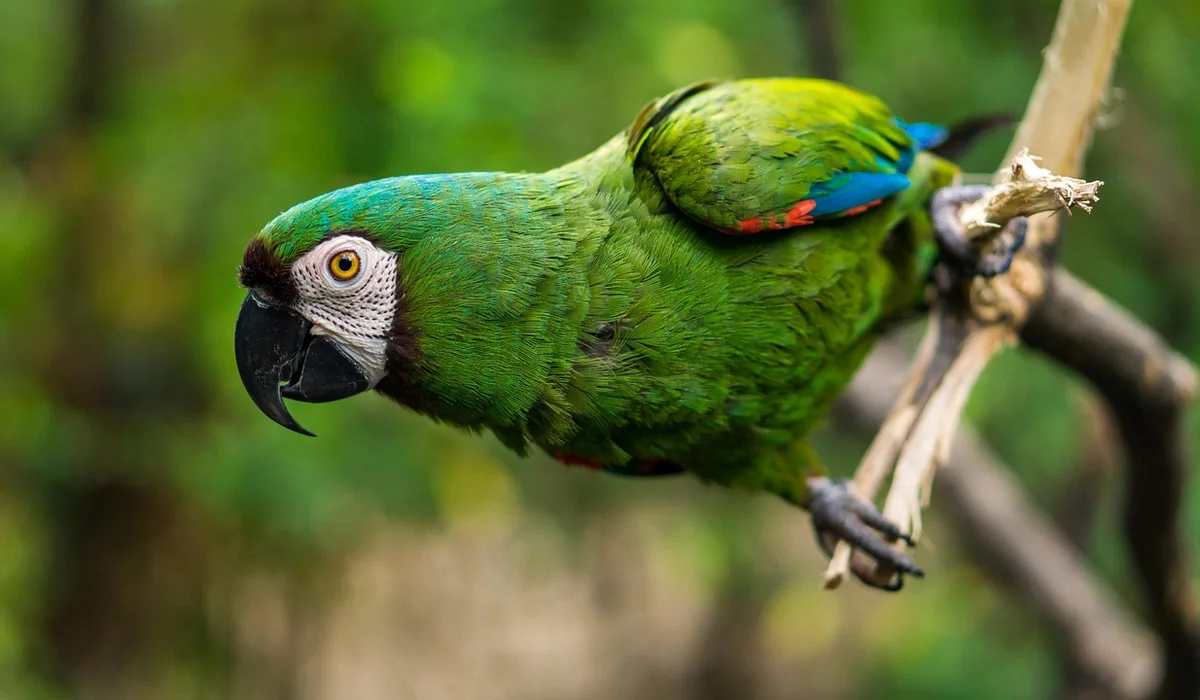
Setting up a consistent schedule makes your parrot feel secure and loved. A predictable routine reduces anxiety and builds trust between you and your feathered friend. I’ve seen this firsthand with my playful Green-cheeked Conure, Kiwi, who thrives on knowing what comes next.
Design a Daily Routine Covering Feeding, Exercise, and Social Interaction
Start each day with fresh food and water to kick off healthy habits. Feeding at the same times daily, like 7 AM and 5 PM, helps regulate their digestion and energy levels. My Sun Conure, Sunny, gets excited for morning pellets and evening veggies-it’s our bonding time. Include these elements in your routine:
- Feeding: Offer a mix of pellets, fresh fruits, and veggies twice a day to prevent boredom and malnutrition.
- Exercise: Allow for 1-2 hours of out-of-cage play; Kiwi loves climbing on perches and exploring safe toys.
- Social Interaction: Spend at least 30 minutes talking, singing, or cuddling-Sunny’s affectionate nature means he craves this attention.
Plan for Flight Time and Training to Support Behavioral Health
Flight time isn’t just fun-it’s essential for their mental and physical well-being. Regular flight sessions in a bird-safe room strengthen muscles and reduce feather-plucking behaviors. I schedule 20-minute flights for Sage, my African Grey, and use positive reinforcement training with treats to keep her smart mind engaged. Try this approach:
- Clear a room of hazards like fans or open windows.
- Start with short, supervised flights and gradually increase time.
- Incorporate training tricks, such as “step-up” commands, to build obedience and trust.
Include Seasonal Adjustments and Life Stage Transitions
Parrots’ needs change with seasons and age, so adapt your care to keep them thriving. Adjusting diet and activity levels for winter or molting periods prevents health issues like weight gain or stress. For example, I add more omega-rich seeds to Sage’s diet in colder months. Plan for life stages too. These choices align with general parrot dietary guidelines that emphasize variety, balance, and fresh produce alongside pellets. Keep portions appropriate to age, size, and activity to support long-term health.
- Juveniles: Focus on socialization and basic training to shape good habits early.
- Adults: Maintain mental stimulation with puzzle toys and varied routines.
- Seniors: Increase vet check-ups and offer softer foods if beak strength declines.
Budget Smartly for Your Parrot’s Lifetime Expenses
Planning your finances ensures your parrot gets the best care without breaking the bank. Smart budgeting lets you handle surprises, like sudden vet visits, without panic. From my experience with Kiwi’s playful antics leading to toy replacements, I’ve learned to set aside funds regularly.
Break Down Costs for Food, Vet Visits, Toys, and Emergencies
Understanding where your money goes helps you prioritize essentials. High-quality food and preventive vet care are non-negotiable for a long, healthy life. Here’s a rough estimate based on my flock:
- Food: $20-$50 monthly per bird for pellets, fresh produce, and treats.
- Vet Visits: $100-$200 annually for check-ups, plus $300+ for emergencies like infections.
- Toys and Enrichment: $15-$30 monthly to prevent boredom and destructive behaviors.
- Emergencies: Set aside $500+ for unexpected issues, such as injuries or illnesses.
Offer Tips on Saving and Allocating Funds for Unexpected Needs
Start small and build a safety net over time. Automating savings into a separate account ensures you’re prepared for anything. I put $50 monthly into a “parrot fund” that’s saved me during Sage’s sudden feather loss scare. Follow these steps to stay on track:
- Track expenses for a month to identify where you can cut back, like buying toys in bulk.
- Allocate 10-15% of your pet budget to an emergency fund.
- Review and adjust your budget yearly as your parrot’s needs evolve.
Compare Insurance Options and Long-Term Savings Strategies
Pet insurance can ease financial stress, but weigh the pros and cons carefully. Insurance plans vary widely, so choose one that covers accidents, illnesses, and routine care if possible. For my birds, I compared policies and found that self-insuring with a dedicated savings account works better for us. For a parrot, a quick cost-benefit check can show whether insurance is worth it given long lifespans and potential vet costs. A parrot-specific analysis weighs premiums, deductibles, and the chance of high bills over years. Consider these options:
- Insurance: Costs $15-$40 monthly per bird; look for plans with low deductibles and broad coverage.
- Long-Term Savings: Invest in a high-yield savings account or pet-specific fund for future costs like cage upgrades or senior care.
- Combination Approach: Use insurance for major risks and savings for routine expenses to balance costs.
Prepare for Emergencies and Your Parrot’s Golden Years
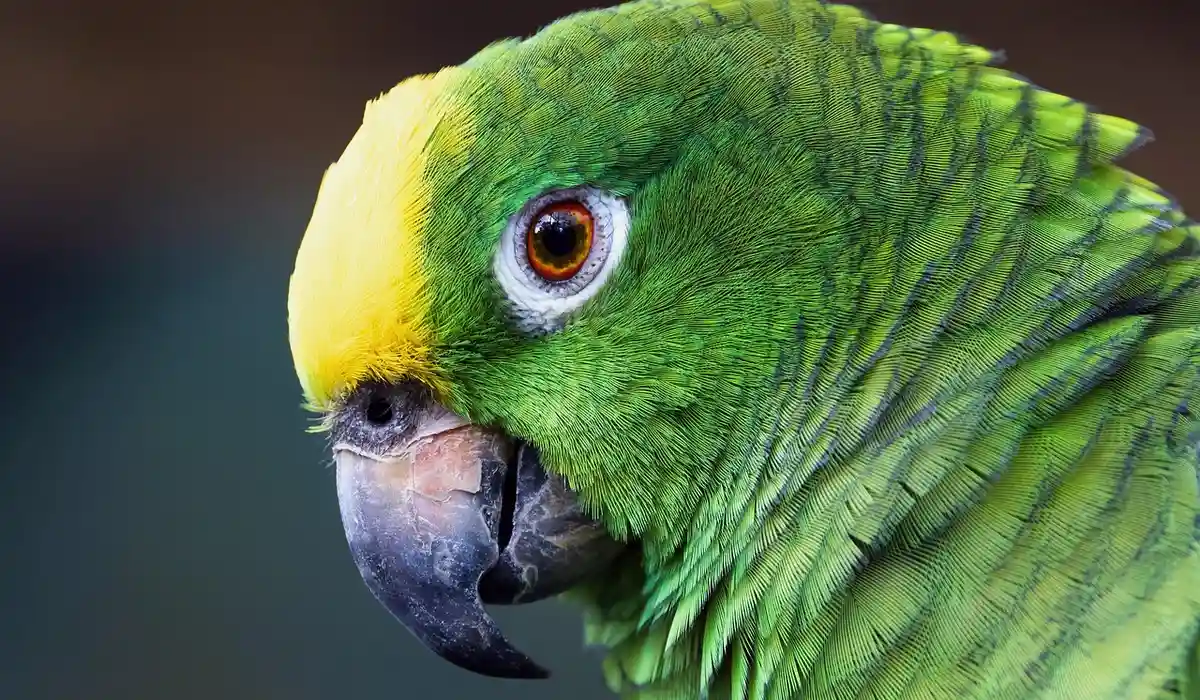
Life throws curveballs, and your parrot depends on you to catch them. Having a clear emergency plan means your bird stays safe even when you can’t be there. I keep a “go-bag” ready for my conure Kiwi with three days of food, bottled water, a travel carrier, and vet records. Make sure a trusted neighbor knows where it is and how to handle your bird.
Develop an emergency plan for disasters or sudden health issues
- Identify two emergency contacts who can care for your parrot
- Keep a laminated card with your vet’s number and an approved credit card for charges
- Practice evacuating your bird so they’re comfortable in their travel carrier
- Store digital copies of medical records in the cloud for instant access
Address aging bird care with modifications for mobility and comfort
My African Grey Sage is getting older, and I’ve made simple changes to keep him content. Older parrots need gentler perches and easier access to their favorite spots. I wrapped his main perches in vet tape for better grip and added low platforms so he doesn’t have to climb far.
- Replace tall cages with wider, single-level enclosures
- Install rope perches that are easier on arthritic feet
- Offer softer foods that require less chewing effort
- Provide supplemental heat during colder months
Guide on end-of-life planning, including hospice and memorial ideas
Facing a parrot’s final days is heartbreaking but planning brings peace. Creating a comfortable hospice setup lets your bird enjoy their remaining time with dignity. Thinking ahead about end-of-life care helps you honor your parrot’s comfort in their final days. When my sun conure Sunny was declining, I set up a hospital cage with soft padding and kept her favorite toys within reach.
- Discuss quality-of-life benchmarks with your avian vet
- Research local vets who provide in-home euthanasia services
- Consider cremation services that offer paw print impressions
- Plant a memorial tree or create a photo memory book
Share and Update Your Parrot Care Plan Regularly
Your care plan is a living document that grows with your bird. Regular updates ensure your parrot’s needs are always perfectly met. I review my parrots’ plans every birthday – it’s become a special tradition that keeps me connected to their wellbeing.
Advise on documenting the plan and sharing with family or sitters
- Create both digital and printed copies of the complete care plan
- Share access with pet sitters, family members, and your veterinarian
- Include clear instructions about diet, medication, and favorite activities
- Specify your parrot’s personality quirks and stress triggers
Set reminders for annual reviews and adjustments
Parrots’ needs change faster than we realize. Scheduling annual check-ins prevents your care plan from becoming outdated. I use calendar alerts two weeks before each parrot’s hatch day to review their entire routine from diet to enrichment. Annual vet checkups are a cornerstone of a parrot’s preventative care guide, helping catch health issues early. They also help tailor diet, dental care, and enrichment to your bird’s changing needs.
- Note any behavioral changes or health developments
- Update emergency contacts and veterinary information
- Adjust feeding schedules and portion sizes as needed
- Refresh photographs for identification purposes
Encourage using a template or checklist for easy updates
A good template turns overwhelming updates into simple checkmarks. Having a consistent format makes spotting needed changes quick and obvious. My parrot care checklist lives in a shared folder where my bird sitter can always see the latest version.
- Use section headers for diet, housing, medical, and emergency info
- Include blank spaces for notes and observations
- Add checkboxes for completed tasks and updates
- Keep previous versions to track your parrot’s changing needs
FAQs
How do I care for parrot-safe plants indoors?
Place indoor parrot plants in bright, indirect light and use well-draining soil to prevent waterlogging. Regularly inspect leaves for pests and trim any dead growth to maintain a safe, clean environment for your bird. For a complete guide on cleaning your parrot’s environment safely, follow a step-by-step routine. It covers safe cleaners, cage hygiene, and plant safety.
What are the key steps for parrot beak plant care?
Parrot beak plants need full sun and sandy, well-draining soil to thrive; water them moderately to avoid overwatering. Prune spent flowers and stems to promote new growth and keep the plant looking vibrant.
How should I maintain parrot feather plants near my parrot?
Parrot feather plants require shallow, still water and plenty of sunlight to grow healthily. Change the water weekly to prevent mosquito breeding and remove any decaying plant matter promptly.
What is the best approach for parrot plant care in pots?
Use pots with drainage holes and a lightweight potting mix to avoid root rot in parrot plants. Place them in stable locations away from your parrot’s cage to prevent tipping and ensure easy access for watering.
How can I care for parrot beak plants indoors successfully?
Keep parrot beak plants in a south-facing window for ample light and maintain indoor temperatures above 60°F. For pet parrots, maintaining a stable ambient temperature in the ideal range of roughly 65–80°F (18–27°C) helps reduce stress and keep them healthy. Water only when the soil is dry to the touch and avoid high humidity to prevent fungal issues.
Final Words
Creating a long-term care plan for your parrot starts with mapping out their diet, health checks, and enrichment activities, just like I did for Sage, my African Grey, who thrives on puzzles and varied foods. Focus on consistency in vet visits, a balanced diet, and daily interaction to prevent boredom and health issues. From my years with Kiwi and Sunny, I’ve seen how setting up a routine with fresh veggies, safe toys, and regular check-ups builds a foundation for a happy, healthy bird. An ultimate guide to foraging that enriches your parrot’s diet can offer practical ways to turn meals into enrichment and encourage natural foraging behaviors. Incorporating safe puzzle feeders and foraging toys adds both variety and mental stimulation.
Owning a parrot is a lifelong commitment that demands you stay curious and informed about their evolving needs. Always prioritize your bird’s welfare by seeking out new resources and connecting with other parrot enthusiasts to share insights and support. I constantly learn from my flock’s behaviors, and it’s this dedication that deepens the bond and ensures they flourish in your care.
Further Reading & Sources
- Parrot Care Tips | Parrot Vet | Long Island Avian and Exotic Pet Vet
- Pet Parrot Care Sheet | myBird
- Parrot Care – AE James
Suzanne Levine is a dedicated parrot enthusiast and experienced avian caregiver with over 15 years of hands-on experience in parrot care. As the founder of Parrot Care Central, Suzanne is passionate about sharing her knowledge and insights to help fellow parrot owners provide the best possible care for their feathered friends. Her expertise spans nutrition, behavior, health, and enrichment, making her a trusted resource in the parrot care community.
Health & Wellness