
What is the Ideal Temperature Range for Your Pet Parrot?
Are you worried your parrot might be too hot or too cold, and you’re not sure how to keep them comfortable? I’ve been there with my own birds, like Kiwi, my playful Green-cheeked Conure, who lets me know instantly if the room feels off.
I’ll help you nail down the perfect temperature zone with clear, easy steps. Here are the key takeaways:
- Pinpoint the safe temperature sweet spot for most parrots to thrive.
- Recognize quick signs your bird is feeling temperature stress.
- Use simple tricks to maintain a cozy environment all year long.
You’ll walk away with actionable tips that work. We’ll dive into: ideal range, spotting discomfort, seasonal tips, and common mistakes.
Why Temperature is Vital for Your Parrot’s Well-Being
-
Parrots originate from tropical climates where temperatures stay warm and steady, so their bodies are fine-tuned for heat. When the temperature drops, their metabolism slows, making it harder to digest food and stay energized. I’ve noticed my Sun Conure, Sunny, gets sluggish if the room feels even a bit chilly, reminding me of their need for consistent warmth. It’s important to recognize the signs of temperature-related stress in parrots to ensure they stay healthy.
-
Improper temperatures pose real risks, like respiratory infections from cold drafts or heatstroke in overly hot conditions. Stress from temperature swings can lead to feather plucking or a weakened immune system, putting your bird’s health in jeopardy. Equally important is humidity control: dry air can irritate a parrot’s airways and feathers. Maintaining proper humidity supports respiratory health and feather condition. Keeping an eye on the thermostat helps avoid these dangers and keeps your parrot thriving.
-
Personal experience has taught me how climate changes affect behavior. During a cold snap, my African Grey, Sage, started huddling in a corner instead of chatting away. Once I adjusted the heat, he perked up, showing how a stable temperature brings out their true personalities. It’s a small step that makes a huge difference in their daily happiness.
The Safe and Cozy Temperature Range for Parrots
-
For most pet parrots, aim for 65 to 80 degrees Fahrenheit (18 to 27 degrees Celsius) to keep them comfortable. This range supports their natural activity levels and prevents common health issues like shivering or overheating. My Green-cheeked Conure, Kiwi, thrives right in the middle, around 75°F, where he’s playful and curious all day long. Seasonal changes can alter what your parrot needs. You may adjust lighting, humidity, and bathing schedules as seasons shift.
-
Room temperature plays a big role, but don’t forget factors like humidity, which should hover between 40% and 60% for optimal feather health. Dry air from heaters can cause itchy skin, while high humidity might lead to mold, so balance is key for a happy bird. I use a humidifier in winter to help Sunny’s vibrant feathers stay soft and shiny. Grooming comes into play—nail, beak, and feather care are part of the routine. If you’re unsure how to do it properly, consult an avian vet or experienced groomer.
-
A stable microclimate in their enclosure is essential-avoid placing cages near windows or vents where drafts or sun can cause sudden shifts. By creating a consistent environment, you reduce stress and help your parrot feel secure in their home space. It’s a crucial step to calm a scared or stressed parrot. I’ve seen Sage relax more when his cage is in a draft-free spot, making his smart, calm nature shine through.
Tailoring Temperature to Different Parrot Species
Amazon Parrots
- These vibrant birds thrive in a cozy range of 70-80°F (21-27°C).
- They are particularly sensitive to cold drafts and sudden temperature drops.
- During winter, I always place their cage away from windows and doors to block chilly air. Adding a safe, bird-specific heating panel on one side of the cage gives them a warm spot to retreat to if they feel a chill.
African Grey Parrots
- Aim for a steady 72-80°F (22-27°C) for these brilliant birds.
- Their high intelligence means they are acutely aware of their environment. My African Grey, Sage, will vocalize more and become restless if the room feels even slightly off.
- Consistency is absolutely key for African Greys; use a reliable room thermometer and avoid placing their cage in direct sunlight or near air conditioning vents. A stable temperature helps them feel secure and focused.
Conures, Cockatiels, and Budgies
- These smaller parrots are quite resilient and do well between 65-80°F (18-27°C).
- My conures, Kiwi and Sunny, handle minor fluctuations better than my larger parrots.
- In summer, ensure their room has good airflow but no direct breeze from a fan. For winter, a slightly warmer spot in the room and perhaps a covered corner of the cage at night provides all the extra comfort these hardy little birds usually need.
Spotting Signs of Temperature Stress in Your Bird
- Watch for overheating signs like rapid panting, holding their wings far away from their body, or sitting on the cage floor.
- Look for chilling symptoms such as puffing up their feathers for long periods, unusual lethargy, or a loss of appetite.
- If you see any stress, act fast. Move the cage to a more temperate area immediately. For a hot bird, offer a light misting with a spray bottle. For a cold bird, provide a gentle heat source and cover part of the cage to trap warmth.
Easy Ways to Keep Your Parrot’s Habitat Comfortable
Creating a cozy space for your parrot is simpler than you might think. Small changes in your home setup can make a huge difference in your bird’s daily happiness and health. It’s especially important when preparing your home for a new parrot.
Heating and Cooling Methods
When my Green-cheeked Conure Kiwi gets chilly, I rely on safe heating to keep him snug. Ceramic heat emitters are a top pick because they warm the air without emitting light that disturbs sleep cycles.
- Use ceramic heat emitters placed outside the cage to prevent burns and provide even warmth.
- For cooling, set up a fan on low speed across the room or use air conditioning to maintain a steady, cool breeze without direct drafts.
I’ve noticed Sunny, my Sun Conure, perks up when the room feels just right—not too hot or cold. Always test heating or cooling devices in short bursts to see how your bird reacts before leaving them on long-term. As the holidays approach, it’s wise to consult a holiday dangers parrots comprehensive seasonal safety checklist. It helps you spot festive hazards—from decorations to candles and electrical cords—and keep Sunny safe.
Managing Drafts and Humidity
Drafts can sneak in and stress your parrot, so I keep Sage’s cage away from windows and doors. Positioning the cage in a draft-free spot helps avoid sudden temperature drops that lead to shivering or illness.
- Avoid placing cages near vents, open windows, or hallways where air moves frequently.
- Add a humidifier to maintain humidity around 40-60%, especially in dry seasons, to support healthy feathers and breathing.
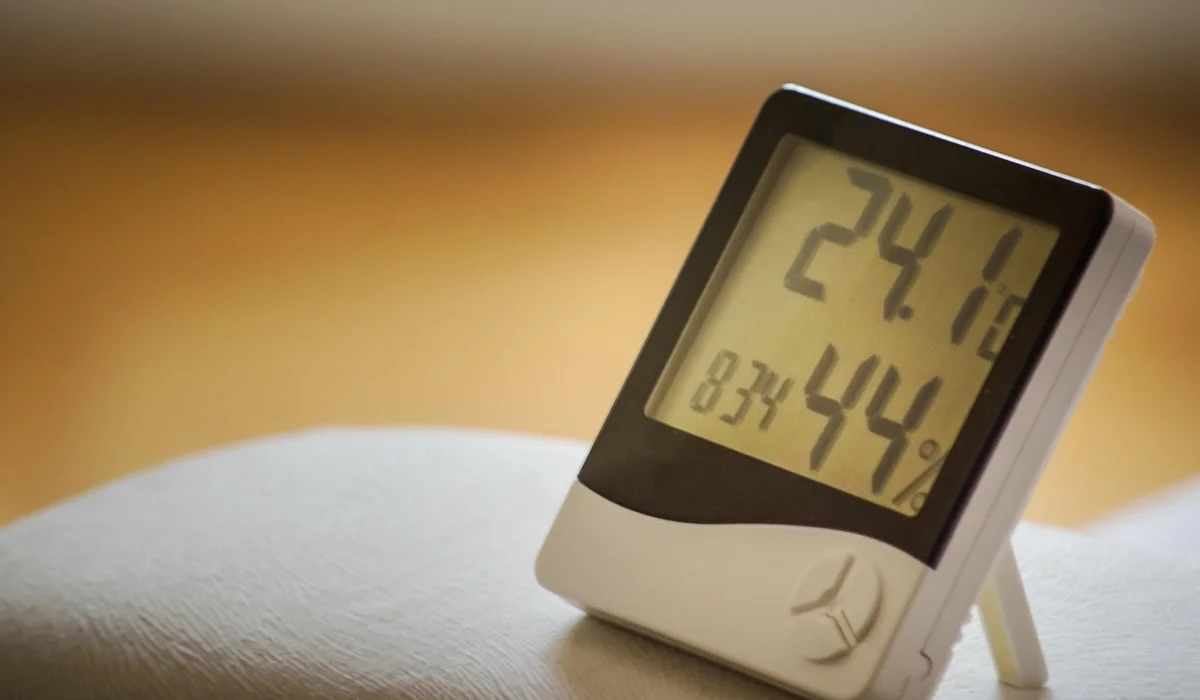
Monitoring is key-I use a simple digital thermometer and thermostat combo to track conditions. Check levels daily with a reliable thermometer to catch any swings before they affect your bird.
Must-Have Tools for Temperature Control
You don’t need expensive gear to keep your parrot comfortable. Basic tools like digital thermometers are affordable and give you real-time insights into your bird’s environment.
- Digital thermometers with hygrometers help you monitor temperature and humidity accurately-place one at cage level for best results.
- Bird-safe heat lamps or ceramic emitters paired with thermostats allow automatic temperature adjustments, preventing overheating.
- Look for budget-friendly options at pet stores; many are easy to set up and use without technical know-how.
In my experience, these tools have saved me from guesswork and kept my parrots like Kiwi and Sage thriving. Regularly calibrate your equipment to ensure it’s working properly and replace batteries as needed.
FAQs
What is the general ideal temperature range for pet parrots?
Most pet parrots thrive in temperatures between 65°F and 80°F to stay active and healthy. Some species from different climates may have slightly different comfortable temperature ranges, and their lighting needs can vary as well. So, different parrot species can have different temperature and lighting needs. Avoid extremes outside this range to prevent issues like shivering or overheating.
How does temperature consistency impact a parrot’s well-being?
Sudden temperature changes can cause stress and weaken their immune system. Maintaining a stable environment helps reduce risks like feather plucking or respiratory infections.
What is the recommended temperature for an Amazon parrot?
Amazon parrots prefer a cozy range of 70°F to 80°F for optimal comfort. They are especially vulnerable to cold drafts, so ensure their space stays consistently warm. Humidity matters too: moderate humidity supports respiratory and feather health and interacts with temperature to influence how warm the air feels. Keeping humidity around 40–60% helps maintain comfort alongside temperature, promoting optimal parrot health.
What signs indicate an Amazon parrot is too cold?
Watch for prolonged feather puffing and unusual lethargy as key indicators. If observed, provide a gentle heat source and relocate their cage away from drafts.
How can I monitor and adjust temperature for my parrot effectively?
Use a digital thermometer to track conditions and make timely adjustments. For precise control, consider bird-safe heating devices paired with a thermostat.
Final Thoughts
Your parrot’s comfort zone is a stable environment between 65°F and 80°F, free from drafts and sudden temperature swings. Pay close attention to their body language—fluffing up, shivering, or panting are clear signals they need your help to get comfortable again. With steady, year-round temperature regulation, your parrot can find the perfect balance throughout the year.
Caring for a parrot is a lifelong journey of learning and adapting to their unique needs. I encourage you to keep exploring and asking questions, because providing the best possible life for your feathered friend is the heart of responsible pet ownership.
Further Reading & Sources
- How To Keep Your Parrot The Right Temperature – Northern Parrots
- Ideal Temperature Ranges For Parrots | BeChewy
- Temperature
Suzanne Levine is a dedicated parrot enthusiast and experienced avian caregiver with over 15 years of hands-on experience in parrot care. As the founder of Parrot Care Central, Suzanne is passionate about sharing her knowledge and insights to help fellow parrot owners provide the best possible care for their feathered friends. Her expertise spans nutrition, behavior, health, and enrichment, making her a trusted resource in the parrot care community.
Housing