
Coping with the Loss of a Parrot: A Guide to Grief and Bereavement
Published on: January 24, 2026 | Last Updated: January 24, 2026
Written By: Suzanne Levine
The silence after your parrot’s passing can feel louder than any squawk or song, leaving you wondering how to navigate this profound sense of loss. I’ve been there myself, feeling the empty space where Kiwi’s playful antics used to fill my home with life.
This guide will help you understand your feelings and find a path forward by covering these key points:
- Understanding the unique depth of parrot grief
- Practical ways to honor your companion’s memory
- Finding support and rebuilding your daily rhythm
You’ll find clear, compassionate advice throughout this article covering: understanding grief stages, creating memorials, handling difficult emotions, supporting other pets, self-care strategies, and when to consider welcoming a new bird.
Understanding Your Grief After Parrot Loss
Losing a parrot hits hard because these birds aren’t just pets – they’re family members with huge personalities. When my Green-cheeked Conure Kiwi passed, the silence in my home felt louder than his playful squawks ever were. His curiosity and energy left a gap that took time to fill. If you’re welcoming a new parrot, a simple step-by-step survival guide for the first day can help you both settle in. Think of it as a gentle roadmap to build trust, manage introductions, and keep things safe and calm from the moment the cage door opens.
Grief often follows stages, and for bird owners, it’s tied to daily routines like feeding or hearing their chirps. You might cycle through denial, anger, bargaining, depression, and acceptance, each feeling raw and real. My Sun Conure Sunny’s social nature made her loss especially painful, as her absence echoed in every quiet moment.
- Shock: That numb disbelief when you realize they’re gone.
- Guilt: Wondering if you could have done more to prevent it.
- Sadness: The deep ache that comes with missing their presence.
The Stages of Grieving Your Feathered Friend
Navigating grief is a personal journey, and I’ve walked it with my own flock. Recognizing these stages helps you process emotions without feeling overwhelmed. Here’s a numbered list to guide you through each phase, based on what worked for me.
- Acknowledge the initial shock without rushing your feelings.
- Express anger through safe outlets to avoid internalizing it.
- Reframe bargaining thoughts to focus on the love you shared.
- Allow sadness to surface while practicing self-care.
- Gradually embrace acceptance as you honor memories.
Shock and Denial: The Initial Numbness
Finding your parrot lifeless can leave you frozen, like time stops. I remember staring at Kiwi’s empty perch, half-expecting him to flutter back any second. This phase is your mind’s way of shielding you from the pain-let it unfold naturally.
Anger and Frustration: Managing Intense Emotions
Anger might bubble up, directed at yourself or circumstances. Journaling my frustrations after Sunny’s death helped channel that energy into healing. Talk to a trusted friend or punch a pillow-it’s okay to feel furious.
Bargaining and Guilt: Easing Survivor’s Guilt
“What if I had noticed sooner?”-this guilt haunted me too. Reflect on the excellent care you provided, like the balanced diet and safe environment you gave your bird. Remind yourself that you did your best with the knowledge you had.
Depression and Sadness: Allowing Yourself to Mourn
Sadness can weigh heavy, making daily tasks feel monumental. Engage in gentle self-care, like taking walks or listening to music, to nurture your spirit. If the gloom persists for weeks, consider speaking with a grief counselor for extra support.
Acceptance and Healing: Finding Peace After Loss
Healing isn’t about forgetting but finding a new normal. Creating a memory box for Kiwi’s feathers helped me smile through tears. Over time, the sharp pain softens, leaving space for gratitude.
Immediate Steps When Your Parrot Dies
When my African Grey Sage passed, I learned that practical actions can anchor you in those first chaotic moments. Handling remains respectfully honors the bond you shared and starts the healing process. Based on that experience, here’s a bulleted list to follow right away.
- Gently wrap your parrot’s body in a soft cloth to preserve dignity.
- Contact your vet to discuss options like necropsy for closure.
- Notify family or friends who loved your bird for emotional support.
- Choose between burial in a meaningful spot or cremation for keepsakes.
Handling Your Parrot’s Remains with Care
Treat your parrot’s body with the same tenderness they deserved in life. I placed Sage in a cozy towel after treating him carefully in case he might recover. However, knowing when to say goodbye is important. It’s essential to be prepared and informed on how to care for a sick parrot before making any decisions. I then decided on a backyard burial under his favorite tree. Consider your local regulations and personal beliefs – cremation allows for urns or memorial jewelry.
Informing Your Vet and Loved Ones
Reaching out quickly can provide clarity and comfort. Your vet might offer a necropsy to understand the cause, which helped me find peace with Sage’s sudden illness. Share the news with loved ones-their support can lighten the burden of grief.
Emotional Coping Strategies for Bird Loss
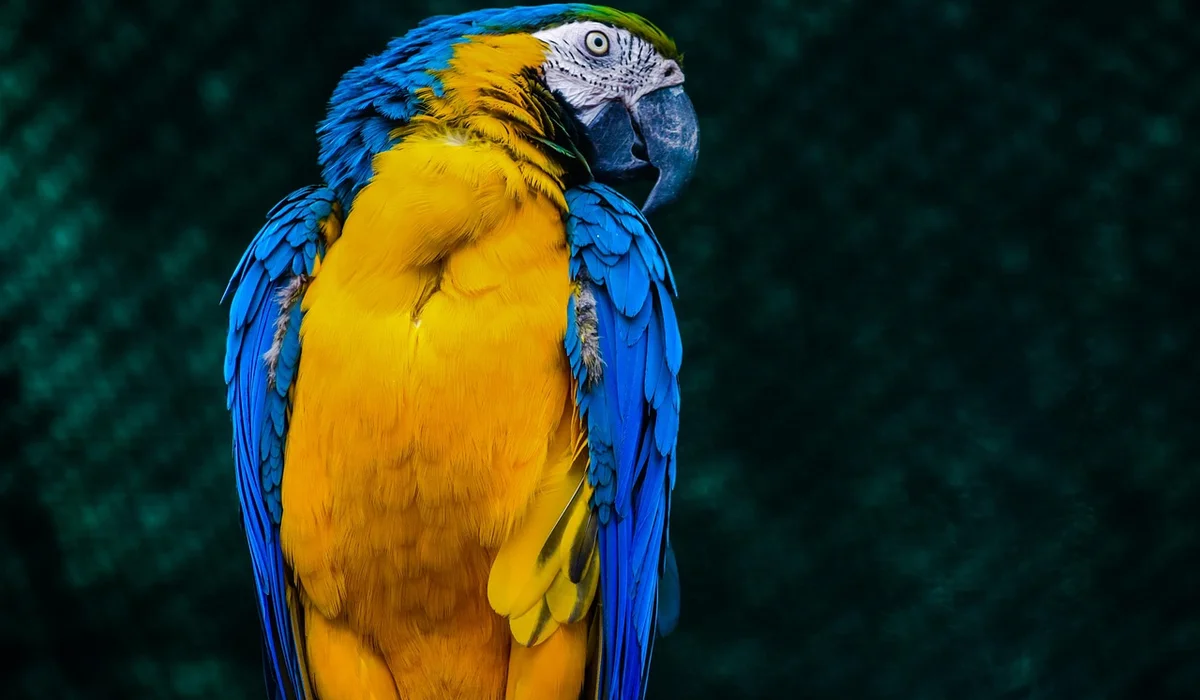
Losing my Green-cheeked Conure, Kiwi, taught me that grief needs gentle handling. Creating a memory box with his colorful feathers and tiny toys became my daily comfort.
- Meditation helps quiet the mind and ease sadness.
- Joining parrot loss support groups connects you with others who understand.
- Volunteering at bird rescues turns pain into purpose for animal welfare.
Channel your grief into actions that honor your parrot’s life. Donating to avian charities or fostering another bird can heal your heart while helping others. Understanding why parrots die suddenly can guide prevention. Regular vet care and a safe home reduce risk.
Daily Routines to Ease Grief
Adjusting your day without your parrot’s chatter takes time. Set aside moments for quiet reflection, like sitting where they used to perch. Tailor the soundscape to keep household noise steady. This can help reduce stress for you and your parrot.
- Replace feeding times with journaling about happy memories.
- Take short walks to clear your head and breathe fresh air.
Seeking Professional Help and Support Groups
If sadness feels overwhelming, reach out for support. Contact a pet bereavement counselor when daily tasks become too hard.
- Join online communities like Parrot Forum for shared stories and advice.
- Look for local groups where you can talk face-to-face about your loss.
Memorial Ideas to Honor Your Parrot
After Sunny’s passing, I planted a sunflowers patch that blooms each year. Seeing those bright flowers reminds me of her cheerful personality and keeps her spirit alive.
- Make a photo album filled with snapshots of your parrot’s best moments.
- Create a small shrine with their favorite perches and treats.
- Hold a simple ceremony to share stories with loved ones.
Mourning rituals help you stay connected to precious memories. Lighting a candle each evening can become a peaceful way to remember your feathered friend.
DIY Memorial Projects
Simple crafts offer a hands-on way to heal. Framing a few of your parrot’s feathers makes a beautiful keepsake for your wall. You may also wonder about grooming—nails, beak, and feather care—to keep your bird healthy.
- Write a tribute letter expressing all your love and gratitude.
- Paint a rock with their name and place it in your garden.
- Knit a small blanket using colors that match their plumage.
Purchased Memorial Items
Sometimes, a store-bought item brings special comfort. An engraved stone with your parrot’s name sits in my yard as a lasting tribute to Sage.
- Order custom art that captures your parrot’s unique appearance.
- Buy a small urn to hold ashes or feathers safely.
- Wear jewelry like a necklace with their birthstone or image.
Talking to Children About Parrot Loss

I’ve had to navigate this difficult conversation with my own young family members when we lost our first budgie, and honesty delivered with gentleness is the most powerful tool you have.
Provide Age-Appropriate Advice
Kids process information differently at each stage of life.
- Use Clear, Simple Language: Avoid phrases like “went to sleep.” Instead, say the parrot died, which means its body stopped working. This prevents confusion and fear around sleep.
- Validate Their Feelings: Let them know it’s okay to be sad, angry, or confused. I told my nephew, “It’s okay to cry. I feel sad, too.”
- Answer Questions Simply: Be prepared for blunt questions like “Will he come back?” or “Is it my fault?” Reassure them it was not anyone’s fault.
Involving Children in Memorial Activities
Active participation helps make a big, abstract feeling more manageable.
- Create a Memory Box: Gather feathers, favorite toys, or drawn pictures to store in a special box.
- Hold a Small Service: Let them share a favorite memory or sing a song. We did this for our conure, Kiwi, and it brought a sense of closure.
- Plant a Flower: Choose a plant that blooms every year as a living tribute to your parrot’s life.
Your consistent empathy creates a safe space for their heart to begin healing.
Understanding Children’s Grief Reactions
Grief in children doesn’t always look like quiet sadness.
- Behavioral Changes: They might act out, become clingy, or have trouble sleeping. My friend’s child started insisting the parrot was just “on a long vacation.”
- Physical Symptoms: Look for stomachaches or headaches that have no medical cause-these can be manifestations of emotional pain.
- Regression: A potty-trained toddler might have accidents, or a school-age child might want a forgotten comfort object.
Responding with patience, not punishment, is critical during this tender time.
Tips for Different Age Groups
- Toddlers (2-4): Keep explanations extremely brief. Use concrete terms. Offer extra cuddles and maintain routines for security.
- School-Age (5-12): They understand death is final but may have magical thinking. Encourage drawing or writing stories about their parrot.
- Teens (13+): They grasp the complexity of loss but may withdraw. Let them know you’re available, and respect their need for private processing. Suggest creative outlets like music or journaling.
Finding Support and Moving Forward
You don’t have to walk this path alone. Reaching out for support is a sign of strength, not weakness.
Accessing Pet Loss Resources
Many wonderful resources exist specifically for the loss of a companion animal.
- Pet Loss Hotlines: Many veterinary colleges offer free, confidential phone support with trained counselors.
- Comforting Books: Look for titles that share stories and quotes about the enduring bond we share with our pets.
- Therapy: A therapist can provide professional tools to navigate the intensity of your grief.
These resources remind you that your deep love for your parrot is valid and worthy of mourning.
Pet Loss Support Groups and Online Communities
Connecting with others who truly understand can be incredibly healing.
- In-Person Groups: Check with local animal shelters or veterinary clinics; they often host monthly meetings.
- Virtual Communities: Facebook groups and dedicated forums are available 24/7. You can share a photo of your bird and your story without judgment.
Sharing your story reduces the heavy weight of isolation that grief often brings.
When to Consider a New Parrot
This is a deeply personal decision with no universal timeline.
- Emotional Readiness: The right time is when the thought of a new bird brings more joy than pain. It took me over a year after my African Grey, Sage, passed before I felt ready for my sun conure, Sunny.
- A Safe Home: Ensure you’re prepared for the long-term commitment of 20+ years and have addressed any previous environmental hazards.
- Honor the Past: A new parrot is not a replacement. It’s a new, different relationship that honors the love you learned from your late companion.
Opening your heart again is a beautiful tribute to the parrot you loved so much.
Staying Connected to Your Parrot’s Legacy
Your parrot’s life continues to have meaning and impact.
- Advocate for Animal Welfare: Volunteer at a rescue or support legislation that protects birds. I donate a portion of my proceeds to parrot sanctuaries in my birds’ names.
- Create Art: Commission a portrait or frame your favorite photograph as a daily reminder of the joy you shared.
- Share Their Story: Talk about your parrot. Keep their memory alive by sharing the funny, sweet moments with friends and family.
Your love for them becomes a force for good long after they are gone.
FAQs
How long should I expect to grieve the loss of my parrot?
Grieving timelines vary for everyone, but intense emotions often last for several weeks or months. With time and self-care, the sharp pain usually softens, allowing you to focus on positive memories.
Is it okay to feel angry or resentful after my parrot’s death?
Yes, anger is a normal part of grief and can arise from feelings of helplessness or injustice. Expressing these emotions through safe outlets like talking or writing can help you process them healthily.
What are some ways to memorialize my parrot if I don’t have a yard for burial?
Consider cremation and storing the ashes in a decorative urn or scattering them in a meaningful location. You could also create an online memorial with photos or donate to an avian charity in your parrot’s honor. For your holiday dangers, check out the parrots comprehensive seasonal safety checklist, and keep urns and memorial keepsakes securely out of reach. Also create a calm, safe holiday space for your parrot to help navigate seasonal changes and common hazards.
How can I help my other birds cope with the loss of their companion?
Maintain their daily routines and offer extra attention to reduce anxiety. When you need to visit the vet, handle your parrot calmly at home to ease the visit. Bring familiar toys or a perch to help them stay calm during the appointment. Watch for changes in behavior and consult an avian vet if they show signs of depression or stress.
When is the right time to consider adopting another parrot?
Wait until you feel emotionally ready and are not seeking a replacement for your lost companion. Ensure you have processed your grief and can commit to the long-term care a new bird requires. Once you’re ready to welcome a baby parrot, consult our baby parrot care complete guide for the first 90 days. It covers feeding, handling, socialization, and safe housing to help your new companion thrive.
Closing the Loop
Grieving the loss of a parrot is deeply personal, and from my own journey with birds like Kiwi and Sage, I’ve found that giving yourself permission to feel every emotion is vital. Honor your parrot’s memory through small rituals, like planting a tree or sharing stories, to keep their spirit alive in your heart. When a parrot loses its bond mate, the surviving bird may grieve in distinct ways and benefit from consistent, gentle support. Lean on friends or online communities who understand this unique bond, and remember that healing unfolds at its own pace without pressure to “move on” too quickly.
Responsible parrot ownership means committing to lifelong learning about their complex needs, from diet to enrichment, to prevent future heartache. Stay curious and proactive in your care, always advocating for their welfare to ensure every parrot lives a joyful, healthy life. Building trust with your parrot through bonding techniques that work can help every interaction. Use gentle handling, consistent routines, and positive reinforcement to strengthen your bond. Embrace each day with your feathered friends as a chance to grow together and build a legacy of love and respect.
Further Reading & Sources
- Grief in Pet Parrots: The Loss of an Owner and the Emotional Impact – Parrot Supplies Co
- Do Parrots Grieve? (Loss of Babies, Mate, Bird, Owner Dies)
- r/parrots on Reddit: How do you cope with the loss of your bird?
Suzanne Levine is a dedicated parrot enthusiast and experienced avian caregiver with over 15 years of hands-on experience in parrot care. As the founder of Parrot Care Central, Suzanne is passionate about sharing her knowledge and insights to help fellow parrot owners provide the best possible care for their feathered friends. Her expertise spans nutrition, behavior, health, and enrichment, making her a trusted resource in the parrot care community.
Forums and Support Groups