Holiday Dangers for Parrots: Your Seasonal Safety Checklist
Published on: December 31, 2025 | Last Updated: December 31, 2025
Written By: Suzanne Levine
Are you concerned that holiday festivities could put your parrot at risk? I’ve seen how quickly a joyful celebration can turn dangerous for birds like my curious Kiwi or affectionate Sunny.
Based on my years of parrot care, I’ll help you spot and avoid common hazards. We’ll dive into these key takeaways:
- Toxic foods and plants that threaten parrot health
- Decorations posing ingestion or injury risks
- Stress from noise and visitors disrupting their routine
You’ll find clear, actionable steps to keep your parrot secure. This guide covers: toxic treats, hazardous decor, noise control, visitor guidelines, emergency tips.
Toxic Treats and Forbidden Feasts
Dangerous Foods and Drinks
Your holiday table might look delicious, but many festive foods are silent threats to your parrot. I learned this the hard way when my curious Green-cheek, Kiwi, once snagged a piece of chocolate before I could stop him-it was a terrifying rush to the vet. Keep these items far from your feathered friend.
- Avocado: Contains persin, a toxin causing respiratory distress and heart failure. Watch for difficulty breathing and lethargy.
- Chocolate: Theobromine and caffeine can lead to vomiting, diarrhea, seizures, and even death.
- Onions & Garlic: These damage red blood cells, causing anemia. Symptoms include weakness and pale gums.
- Grapes & Raisins: Even small amounts can cause sudden kidney failure. Look for loss of appetite and decreased urination.
- Xylitol: This artificial sweetener triggers a rapid insulin release, leading to hypoglycemia (low blood sugar) and liver damage.
- Caffeine: Found in coffee, tea, and soda, it causes cardiac hyperactivity, arrhythmias, and nervousness.
- Alcohol: Depresses the nervous system. Your bird may appear disoriented, have trouble perching, or experience respiratory failure.
- Salt & Sugar: Excessive salt causes dehydration and kidney issues. High sugar leads to obesity and yeast infections.
Safe Holiday Snack Swaps
You don’t have to leave your parrot out of the feast! Creating special, safe treats makes the holidays fun for everyone and keeps your bird healthy and included. My flock gets so excited for their own little “plate” during our meals.
- Instead of Mashed Potatoes: Offer mashed, cooked sweet potato or butternut squash. No butter or salt needed!
- Instead of Stuffing: Mix cooked quinoa or brown rice with finely chopped bird-safe veggies like carrots and peas.
- Instead of Pie: Create a “parrot pie” by baking a small dish of chopped apples, blueberries, and a sprinkle of oats.
- Instead of Sugary Drinks: Serve a sprig of fresh mint in cold water for a refreshing, festive twist.
Poisonous Plants and Perilous Decorations
Hazardous Holiday Flora
That beautiful centerpiece could be a hidden danger. Many traditional holiday plants contain irritants and toxins that can cause anything from a mild stomach ache to severe, life-threatening illness in parrots. After my Sun Conure, Sunny, took a curious nibble of a poinsettia leaf, I became hyper-vigilant about plant placement.
- Poinsettia: Its sap is irritating, causing mouth and stomach upset, and sometimes vomiting.
- Mistletoe & Holly: Both are highly toxic. Berries and leaves can cause gastrointestinal issues, a drop in blood pressure, and even seizures.
- Pine Needles: If ingested, they are sharp and can puncture the digestive tract. They can also carry toxic sap.
For a safe and cheerful display, opt for artificial plants or bird-safe alternatives like African violets, Boston ferns, or spider plants. Always place any plant, even a safe one, in an area your parrot cannot access during unsupervised playtime.
Risky Ornaments and Trimmings
Shiny decorations are irresistible to a parrot’s playful nature, but they pose serious risks. My African Grey, Sage, is a master of dismantling things, so I’ve had to completely rethink how we decorate for his safety.
- Tinsel & Ribbon: If swallowed, these can cause life-threatening intestinal blockages.
- Glass Ornaments: They can shatter, creating sharp fragments that cut feet and beaks.
- Wrapping Paper & Glitter: Inks, dyes, and small plastic pieces can be toxic if chewed and ingested.
- Angel Hair & Artificial Snow: These are made from fine glass or plastic fibers that are extremely dangerous if inhaled or eaten.
Create a bird-safe holiday wonderland with these simple ideas. Use plain paper bags or untreated kraft paper for wrapping, which are safer if your parrot decides to “help” with the unwrapping. Decorate with untreated pine cones, blocks of untreated wood, and paper chains made from non-toxic construction paper. Secure your tree to a wall or ceiling with clear fishing line to prevent it from toppling over from an enthusiastic climber.
Hidden Hazards in Your Holiday Home
Airborne Threats and Fumes
Your parrot’s respiratory system is incredibly efficient, but that makes it vulnerable to airborne toxins we barely notice. I learned this the hard way when my conure, Kiwi, started acting lethargic after I used a non-stick pan; it was a terrifying wake-up call to the environmental toxins and household dangers that can make parrots sick.
PTFE coatings, found on many non-stick cookware and bakeware items, release odorless fumes when overheated that are fatal to birds. These fumes can travel far from the kitchen. Always opt for cast iron, stainless steel, or ceramic cookware to keep your feathered friend safe from these invisible killers.
- Avoid all PTFE or Teflon-coated appliances, including air fryers, waffle makers, and space heaters.
- Choose bird-safe alternatives like stainless steel, cast iron, or glass for all your cooking needs.
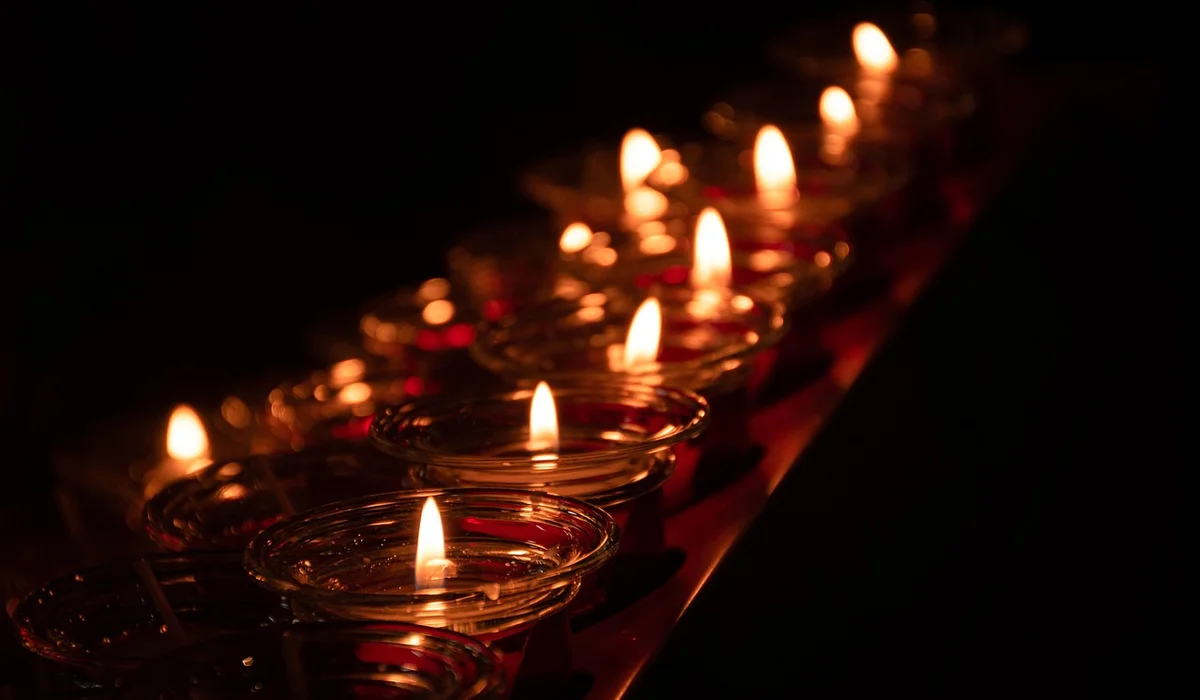
Scented candles, essential oil diffusers, and air fresheners seem festive but pack a dangerous punch. Those lovely holiday scents are a cocktail of volatile organic compounds that can severely irritate or damage your parrot’s delicate air sacs.
- Skip the plug-in air fresheners and scented sprays entirely.
- Use beeswax or soy candles with cotton wicks if you must have candlelight, and ensure the room is very well-ventilated.
- Never use essential oils in a diffuser anywhere near your bird’s living space.
Proper ventilation is your best defense. Cracking a window open, even just an inch, creates a lifesaving cross-breeze that pulls harmful particles out of your home. Run your kitchen exhaust fan on high whenever cooking, and consider adding a high-quality HEPA air purifier to your bird’s room for an extra layer of protection.
Noise and Stress Triggers
Parrots are creatures of habit, and the holiday season throws their whole world into chaos. My African Grey, Sage, gets visibly stressed when our quiet evenings are replaced by loud gatherings; his feathers get tight, and he stops talking.
Sudden, loud noises are a major trigger. Fireworks on New Year’s Eve, cheering during a big game, or even a boisterous family dinner can send your parrot into a panic. This fear can lead to stress plucking, loss of appetite, or a weakened immune system. Sound management to reduce stress can help your parrot manage household noise effectively. A calmer, more predictable sound environment supports overall well-being.
- Create a “safe room” for your bird away from the main party area.
- Use a white noise machine or play soft, calming classical music to mask jarring outside sounds.
- Soundproof the room by placing a rolled towel at the base of the door and closing the curtains.
Maintaining a calm routine is absolutely vital. Stick to your parrot’s regular feeding and bedtime schedule as closely as possible, even when your own schedule is packed. This predictable rhythm provides a powerful anchor in a sea of seasonal change.
- Spend quality one-on-one time with your bird before guests arrive to reassure them.
- Ensure their cage is in a secure, low-traffic corner where they can observe without feeling overwhelmed.
- Offer their favorite foraging toys or a special treat to create positive associations with the busier environment.
Creating a Safe Sanctuary for Your Parrot
Pre-Holiday Preparation Steps
Getting your home ready for the holidays starts with making it a secure space for your parrot. I learned this the hard way when Kiwi, my Green-cheeked Conure, nearly tipped his cage while playing with a loose toy during a festive gathering. Follow these steps to bird-proof your home effectively. This is just the start. Our complete design guide walks you through building a parrot-safe bird room—from layout to finishing touches.
- Secure the cage by anchoring it to a wall or using heavy bases to prevent tipping from excited movements or curious climbs.
- Remove common hazards like tinsel, small decorations, or electrical cords that parrots might chew on, as they can cause choking or electrocution.
- Set up a quiet zone in a low-traffic room, equipped with familiar toys and perches, to give your parrot a stress-free retreat from noise and guests.
- Check for toxic plants or foods, such as poinsettias or chocolate, and keep them completely out of reach to avoid accidental ingestion.
- Cover windows or use bird-safe barriers to prevent escapes or injuries from sudden loud noises like fireworks or doorbells.
From my time with Sunny, who adores socializing but gets overwhelmed, I always double-check that his quiet space has fresh water and a cozy hideaway. Taking these precautions early ensures your parrot stays safe and reduces holiday-related anxiety. For your new parrot’s first day home, a simple step-by-step survival guide can help ease their transition. This quick guide covers setting up the safe space, gradual introductions, and quiet time to help them settle.
Daily Safety Checks During Festivities
Once the celebrations kick off, a quick daily review of your parrot’s surroundings and habits can make all the difference. I start each morning by observing Sage, my African Grey, to spot any subtle changes in her behavior that might signal discomfort. Use this simple checklist to stay on top of things.
- Scan the environment for fallen decorations, open windows, or new items that could pose risks, and remove them immediately.
- Inspect food and water dishes for contamination from holiday treats or spills, ensuring they’re clean and filled with parrot-safe options.
- Watch for behavioral cues like excessive screaming, feather plucking, or lethargy, which often indicate stress or illness.
- Verify that the cage is locked and secure, with no loose parts that could lead to escapes or injuries during busy moments.
- Monitor noise levels and guest interactions, stepping in if things get too rowdy to keep your parrot calm and engaged.
With Kiwi’s playful antics, I’ve found that a quick evening check helps me catch issues like misplaced toys or food scraps before they become problems. Staying vigilant daily means you can address small concerns before they escalate, keeping your parrot happy and healthy.
Emergency Readiness for Parrot Parents
Recognizing Signs of Trouble
From my years with Kiwi and Sunny, I’ve learned that parrots are masters at hiding illness, so you must be a detective for their health. Any sudden change in behavior or appearance is your first and most critical clue that something is wrong, as it could indicate one of the common parrot health issues.
Guidance: List symptoms of poisoning or injury, like vomiting or lethargy, and when to seek immediate vet care.
Watch for these specific red flags that demand your immediate attention:
- Difficulty breathing, including wheezing, tail bobbing, or open-mouthed breathing
- True vomiting (forceful expulsion, not just regurgitation) or diarrhea
- Lethargy, weakness, or sitting puffed up on the cage floor for extended periods
- Discharge from the eyes or nostrils, or swelling around the eyes
- Loss of balance, head tilting, or seizures
- Bleeding from any part of the body that does not stop within 5 minutes
- Refusal to eat or drink for more than 12 hours
- Any evidence of trauma, like a drooping wing or an inability to perch
Trust your gut-if your bird seems “off,” it is always better to err on the side of caution and call your avian vet immediately. Birds can deteriorate with shocking speed, so time is not on your side in an emergency.
Building Your Emergency Kit
After a scare with Sage getting a minor cut, I assembled a dedicated parrot first-aid kit. Having these supplies organized and easily accessible can make a terrifying situation manageable and could save your bird’s life, especially when you need to treat a sick parrot at home.
Guidance: Suggest items for a parrot first-aid kit and important contacts, such as avian vet numbers.
Your kit should be in a clearly labeled box and contain these essentials:
- Styptic powder or cornstarch to stop bleeding from a broken blood feather or nail
- Saline solution for flushing wounds or eyes
- Gauze pads, non-stick bandages, and vet wrap for wrapping injuries
- Blunt-ended tweezers for removing splinters or debris
- Small, clean towels or pillowcases for safely restraining a stressed bird
- A small carrier for transport to the vet
- A digital thermometer that can check for hypothermia or fever
- Hand-feeding formula and a syringe in case your bird stops eating
Just as vital as your supplies is your contact list. Keep this list printed and taped directly to your kit, and also saved in your phone.
- Your primary avian veterinarian’s phone number and address
- The number and directions to the nearest 24-hour emergency veterinary clinic
- Animal Poison Control Center hotline (e.g., ASPCA Animal Poison Control)
- A trusted friend or family member who can assist you in a crisis
FAQs
How can I safely include my parrot in holiday gift-giving?
Use bird-safe materials like untreated paper or cardboard for wrapping, and avoid ribbons or glitter that could be ingested. This is a great chance to make safe, fun homemade toys your parrot can enjoy. Crafting them with bird-safe materials lets you tailor toys to your bird’s size and preferences. Offer your parrot their own “present” filled with safe foraging toys or healthy treats to keep them engaged and prevent boredom.
What are the top signs of holiday stress in parrots?
Watch for behaviors like excessive screaming, feather plucking, or loss of appetite, which indicate discomfort. Lethargy or hiding in the cage can also signal that your parrot is overwhelmed by changes in their environment. If feather plucking is happening, identify triggers and start steps to stop it. Consider consulting an avian veterinarian or behaviorist for tailored guidance.
Are artificial plants safer than real ones for parrot households?
Yes, artificial plants are generally safer as they eliminate the risk of toxicity from ingesting real hazardous flora. However, ensure they are made from non-toxic materials and placed out of reach to prevent chewing on plastic parts.
Final Thoughts
Your parrot’s holiday safety boils down to managing their environment, diet, and stress levels. Keep toxic foods like chocolate and salty snacks far away, secure that Christmas tree to prevent curious climbs, and create a quiet space to shield them from the sensory overload of parties and flashing lights.
Caring for a parrot is a lifelong journey of learning and adapting to keep them healthy and happy. I’ve learned so much from my own flock over the years, and staying curious about their needs is the most rewarding part of being a parrot guardian.
Further Reading & Sources
- How To Prepare Your Parrot For Holidays – Northern Parrots
- r/parrots on Reddit: What to do with parrots when you go on vacation?
- Preparing For Your Holiday When You Have A Parrot – Northern Parrots
Suzanne Levine is a dedicated parrot enthusiast and experienced avian caregiver with over 15 years of hands-on experience in parrot care. As the founder of Parrot Care Central, Suzanne is passionate about sharing her knowledge and insights to help fellow parrot owners provide the best possible care for their feathered friends. Her expertise spans nutrition, behavior, health, and enrichment, making her a trusted resource in the parrot care community.
Bird-proofing Your Home