
Parrot Cage and Setup Costs: Essential Equipment Budgeting Guide
Are you staring at price tags and wondering how to afford a proper home for your parrot without sacrificing their happiness and health?
I’ve felt that pinch setting up cages for my own birds like Kiwi, Sunny, and Sage, and I’m here to guide you through it step-by-step.
We’ll tackle the big questions head-on so you can budget wisely and provide the best for your feathered companion.
- Break down the real costs of cages, perches, and toys to avoid surprise expenses.
- Identify must-have items that keep your parrot safe and stimulated every day.
- Learn money-saving hacks I’ve used to cut costs without cutting corners on care.
You’ll get straightforward advice that puts you in control. Topics covered include: cage sizes, essential accessories, food and water setups, cleaning supplies, and long-term budgeting.
Picking the Perfect Parrot Pad: Cage Size and Safety
Your parrot’s cage is their castle, so getting the size and safety right makes all the difference in their world. I’ve seen my own birds, like Kiwi the conure, go from restless to radiant just by upgrading their living space.
Why Cage Size Can’t Be Ignored
Cramped cages lead to big problems, including stress, obesity, and that heartbreaking habit of feather plucking. My sun conure, Sunny, once showed signs of boredom in a too-small cage before I learned better.
- Small cages restrict natural movement, causing muscle atrophy and joint issues over time.
- Insufficient space prevents flight or hopping, which are vital for physical and mental health.
- Birds in tight quarters often develop aggressive behaviors or depression-like symptoms.
Here’s a quick guide to minimum cage sizes based on my experience and vet recommendations:
- Small parrots (budgies, cockatiels): 24″ wide x 24″ deep x 30″ high
- Medium parrots (conures, caiques): 30″ wide x 30″ deep x 36″ high
- Large parrots (African greys, Amazons): 36″ wide x 36″ deep x 48″ high
- Extra-large parrots (macaws, cockatoos): 48″ wide x 48″ deep x 60″ high
Materials That Make a Difference
Choosing the right cage material isn’t just about looks-it’s about your bird’s long-term safety. I always check for non-toxic powder coatings and sturdy construction.
| Material | Pros | Cons |
|---|---|---|
| Stainless Steel | Extremely durable, rust-proof, easy to clean | Higher initial cost, can be heavy |
| Wrought Iron | Strong, widely available, various styles | May rust if coating chips, requires regular inspection |
| Powder-Coated Metal | Affordable, colorful options, resistant to chipping | Can be toxic if coating is ingested, less durable over time |
Always test cage locks yourself-many clever parrots learn to open simple latches quickly. My African grey, Sage, figured out a basic lock in days, so I upgraded to more secure ones.
Must-Have Gear for Your Feathered Friend’s Home
Outfitting your parrot’s cage with the right gear turns it from a simple enclosure into a stimulating home. Variety is your best friend here, just like my flock is to me. You can even build a DIY foraging wall into your parrot’s cage to add puzzle-like enrichment. It’s a small, rewarding project that keeps beaks busy and minds active.
Food and Water Essentials
Sturdy, easy-to-clean bowls prevent messes and keep your bird’s dining area hygienic. I use stainless steel bowls for all my birds-they’re chew-proof and dishwasher safe.
- Choose heavy ceramic or stainless steel bowls that won’t tip during playful meals.
- Place food and water dishes away from perches to avoid contamination from droppings.
- Consider locking bowl holders for larger, stronger birds who might rearrange their furniture.
Enrichment and Play Items
A bored parrot is an unhappy parrot, so fill their space with engaging toys and activities. I rotate toys weekly to keep my birds curious and entertained.
- Provide multiple perch types: natural wood, rope, and cement perches for foot health.
- Include destructible toys like cardboard or soft wood for chewing satisfaction.
- Add swings and ladders to encourage movement and exploration throughout the cage.
- Hide treats in foraging toys to stimulate their natural problem-solving instincts.
Watch how your bird interacts with different toys-some prefer shredding, while others love puzzles. My conure Kiwi adores bells, while Sage prefers challenging puzzle feeders.
Crunching the Numbers: Your Parrot Setup Budget
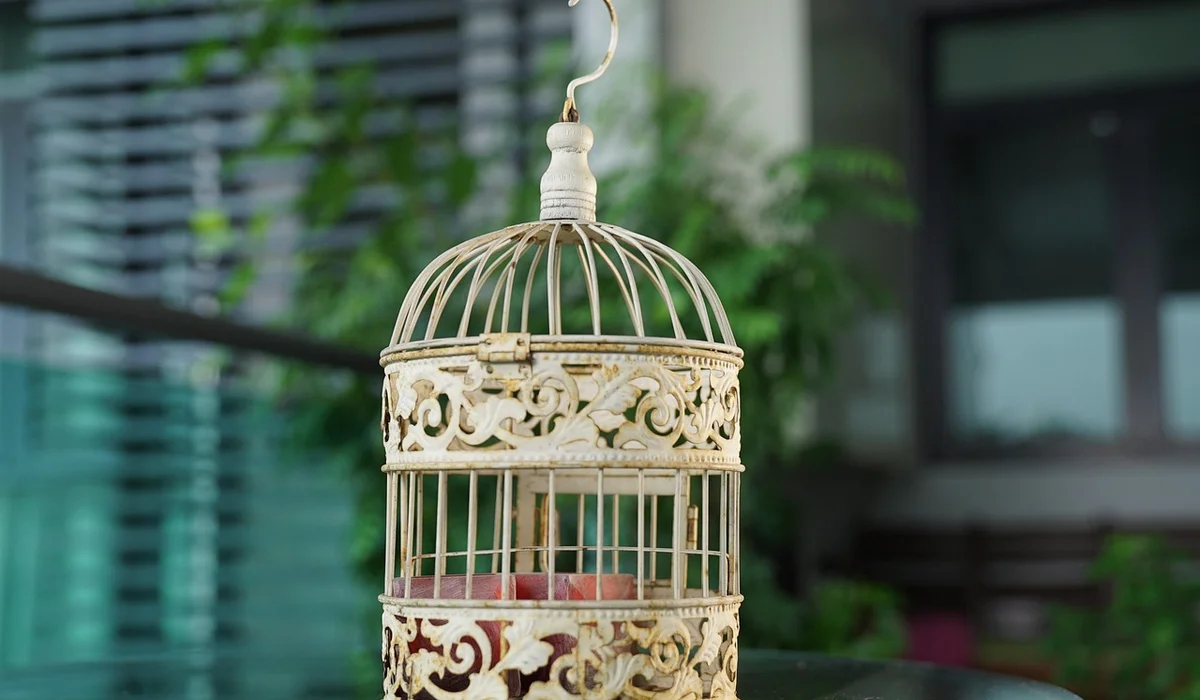
Setting up a parrot home doesn’t have to drain your wallet if you plan smartly. I’ve found that breaking costs into tiers helps you see where your money goes and what you can prioritize for your feathered friend’s well-being.
- Low budget focuses on essentials without sacrificing safety.
- Mid-range adds comfort and enrichment for a happier bird.
- High-end invests in durability and space for long-term health.
Based on my experience with Kiwi, Sunny, and Sage, here’s a rough guide to price ranges you might encounter.
| Item | Low Budget | Mid-Range | High-End |
|---|---|---|---|
| Cage | $100 – $200 | $200 – $500 | $500+ |
| Stand | $50 – $100 | $100 – $200 | $200+ |
| Accessories (toys, perches) | $50 – $100 | $100 – $200 | $200+ |
Budget-Friendly Options Under $300
You can still provide a safe and fun environment without spending a fortune. Look for basic powder-coated cages around 24×24 inches-they’re sturdy enough for smaller parrots like my Green-cheeked Conure Kiwi.
- Affordable cage models: Simple rectangular designs with easy-to-clean trays.
- Basic accessories: Natural wood perches, a couple of shreddable toys, and stainless steel bowls.
I often scout online marketplaces or local bird clubs for gently used items. This approach saved me money when I first got Sunny, and it supports animal welfare by reducing waste.
Mid-Range Setups $300-$700
Stepping up your budget means better quality and more enrichment. My African Grey Sage thrives in a mid-range cage with added playtops and varied perches that mimic his natural climbing instincts.
- Better-quality cages: Larger sizes with playtops and more secure locks.
- Added enrichment items: Puzzle toys, foraging boxes, and multiple perch types.
This range offers excellent value by balancing cost with features that prevent boredom and promote mental health. Investing in a few high-quality toys now can save on vet bills from stress-related issues later.
High-End Splurges Over $700
If you’re going all out, focus on durability and space for your parrot’s long-term happiness. Premium cages with stainless steel construction resist chewing and last years, which I’ve seen with my flock’s active behaviors. From a health perspective, metal cages—especially stainless steel—resist chewing and are easy to sanitize. Wooden cages, on the other hand, can harbor bacteria and splinters and require more upkeep.
- Premium cages: Custom sizes, heavy-duty materials, and built-in features like feeding doors.
- Extensive accessory sets: Full gym setups, automated misters, and specialized perches.
Spending more upfront means fewer replacements and a safer environment. Larger spaces reduce cage aggression and support natural flight movements, which is crucial for parrot welfare.
Building the Perfect Parrot Paradise: Setup Steps
Once you have your gear, it’s time to create a home that keeps your parrot engaged and safe. I always start by assembling everything in a calm space to avoid stressing the birds, like I did when introducing Sage to his new cage. This is also when you can set up a safe, stimulating indoor flight environment for your parrot. Plan for varied perches and supervised flight time to encourage active, happy days.
- Follow a step-by-step approach to prevent mistakes.
- Incorporate multiple zones for eating, playing, and resting.
- Double-check every part for potential hazards.
Assembling Your Cage Safely
Safety comes first—always assemble the cage away from your parrot to avoid accidents. Use basic tools like a screwdriver and pliers, and have a friend help with larger cages to ensure stability. These precautions help you avoid the 7 critical cage setup mistakes that are stressing out your parrot. Avoiding these mistakes will keep your bird calmer and healthier.
- Tools needed: Screwdriver, pliers, and a soft cloth for wiping surfaces.
- Safety checks: Run your hands over edges to feel for sharp spots and tighten all bolts securely.
I learned the hard way with Kiwi’s first cage-a loose part led to a scare. Regular inspections now are part of my routine to advocate for their well-being.
Arranging Perches and Toys
Place perches at varying heights to encourage movement and natural behaviors. Keep food and water bowls away from perches to prevent contamination, a tip that’s kept Sunny healthy and happy.
- Position perches: High for resting, mid-level for socializing, and low for easy access.
- Layout suggestions: Cluster toys on one side for a play zone and leave open areas for stretching.
This setup mimics their wild habitat and reduces stress. Rotating toys every few weeks keeps things fresh and prevents behavioral issues.
Stretching Your Dollars: Smart Savings Tips
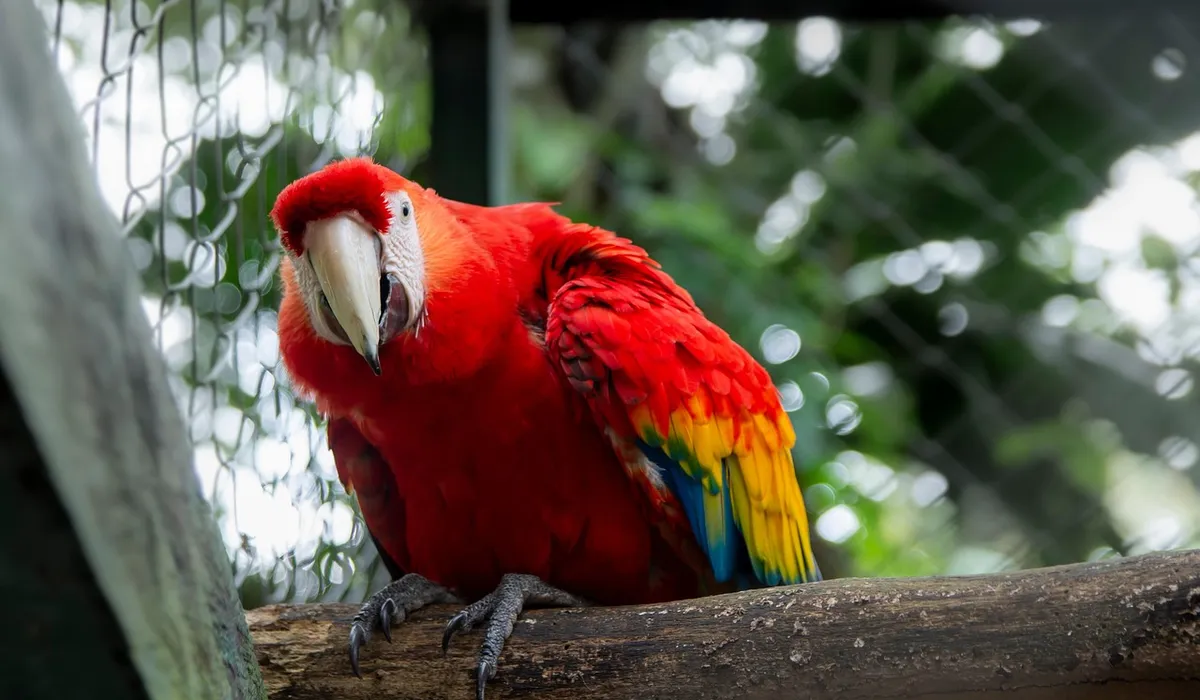
Setting up a fantastic parrot home doesn’t have to drain your savings account. Getting creative with your approach can save you a significant amount of money while still providing a stimulating environment for your bird. I’ve outfitted cages for my conures and African Grey without spending a fortune by thinking outside the pet store aisle. For first-time owners of small parrots, budget-friendly options can keep setup affordable. Consider secondhand cages, DIY perches, and inexpensive toys to save even more.
DIY Projects for Thrifty Owners
Your parrot’s playground can start in your own home. Many safe, engaging toys and perches can be crafted from items you already own, turning potential trash into treasured parrot entertainment. This is a simple way to make safe, fun homemade toys your parrot will love. My Green-cheeked Conure, Kiwi, adores the simple toys I make more than some expensive store-bought ones.
- For a simple rope perch, braid strips of untreated cotton fabric or sisal rope around a sturdy branch. Ensure all knots are tight and no long loops are present to prevent toes from getting caught.
- Create a shreddable toy by stringing untreated wood blocks, cardboard tubes from toilet paper, and crumpled paper cups onto a stainless-steel skewer or safe cotton rope.
- Always use untreated, bird-safe wood like maple, pine, or birch. Avoid any wood from trees like oak or cherry, which can be toxic. Scrub branches with a vinegar and water solution before use.
- Double-check all materials are non-toxic. Never use items with glue, dyes, or any chemical treatments.
Where to Shop Wisely
Where you buy supplies makes a huge difference in your final cost. Mixing and matching your shopping venues allows you to get the best quality for the best price on different items. I rarely buy everything from one place.
- Pet Specialty Stores: Pros: Expert advice, hands-on product inspection. Cons: Often higher prices, limited selection.
- Big Box Retailers: Pros: Competitive pricing on basics like food and litter. Cons: Typically lower-quality cages and toys, less knowledgeable staff.
- Online Platforms: Pros: Vast selection, often the best prices, customer reviews. Cons: Shipping costs, cannot inspect items beforehand.
I always check for warranties on big-ticket items like cages. A solid return policy is your best friend if an item arrives damaged or isn’t a good fit for your space.
Buying secondhand is a fantastic option for cages and some sturdy accessories. I found a nearly perfect cage for my Sun Conure, Sunny, for half the retail price online. Just be prepared for a deep clean. Disassemble the entire cage and scrub every bar and tray with a bird-safe disinfectant or a diluted vinegar solution before your parrot moves in.
Beyond the Basics: Ongoing Care Costs
The initial setup is just the first financial step. Providing consistent, high-quality care means budgeting for the recurring expenses that keep your parrot healthy and happy for years to come. I track these costs monthly to avoid any surprises.
Monthly Food and Supply Needs
A balanced diet is non-negotiable for a parrot’s well-being. You’ll need to budget for high-quality pellets, fresh fruits and vegetables, and the occasional healthy treat. In line with general parrot dietary guidelines, variety and portion control matter. This means pairing high-quality pellets with plenty of fruits and vegetables and limiting seeds. My African Grey, Sage, is a messy eater but has a very predictable monthly food cost.
- Expect to spend between $20 and $50 per month on food for a single medium-sized parrot, depending on the brand of pellets and the cost of fresh produce in your area.
- Buying pellets in bulk from reputable online retailers often offers the best value per pound.
- Factor in the cost of cage liners (newspaper is a free and effective option), and a monthly allowance for replacing worn-out toys and chewed-up perches.
Maintenance Must-Dos
A clean cage is a healthy cage. Establishing a simple but consistent cleaning routine prevents the buildup of harmful bacteria and keeps your home smelling fresh. I do a quick daily tidy and a full deep clean every weekend. To keep this sustainable, I use a weekly and monthly parrot cage maintenance checklist. That way I cover all tasks and keep the cage safe for my bird.
- Daily: Change cage liner, wipe down perches, and remove any soiled food or droppings.
- Weekly: Remove all toys and perches for a thorough scrub with hot, soapy water. Clean the entire cage base and bars.
- Monthly: Do a full inspection of all toys, perches, and the cage itself for any signs of wear, rust, or damage. Replace anything that is broken or frayed.
Always use a bird-safe cleaner or a simple vinegar and water solution. Regularly inspecting toys and perches for wear and tear is a critical safety habit that prevents potential accidents.
While not a monthly cost, remember to set aside funds for annual veterinary check-ups and potential emergencies. A yearly wellness exam is a vital part of responsible parrot ownership and helps catch any health issues early. In a parrot preventative care guide, these annual visits are highlighted as a cornerstone of long-term health. Regular exams help you stay ahead of issues and tailor preventive care to your bird’s needs.
FAQs
Why do parrot cage prices vary so widely?
Cage costs differ based on materials, size, and added features like playtops or secure locks. Higher-priced options often use durable stainless steel, while budget cages may have basic powder-coated metal.
What features most impact the cost of a parrot cage?
Larger dimensions and premium materials like stainless steel significantly increase the price. Extra elements such as feeding doors or custom designs also contribute to higher costs.
How can I find a budget-friendly cage that’s still safe?
Focus on cages that meet minimum size guidelines and have non-toxic, sturdy construction. Avoid overly decorative models and prioritize essential safety features to keep costs down.
Are there hidden costs I should anticipate with a parrot cage?
Beyond the initial purchase, you may need to budget for replacement parts, cleaning supplies, or additional perches. Regular maintenance and potential repairs can add to long-term expenses.
Is it better to buy a new cage or a used one for cost savings?
Used cages can be affordable if they are in good condition and thoroughly sanitized before use. New cages often provide warranties and guaranteed safety, reducing risks over time.
Your Parrot’s First Home
Your main takeaway should be this: Use the budget calculator to plan for a spacious, safe cage and the essential gear that makes it a true home. To maximize enrichment, set up the cage with rotating toys, foraging puzzles, and varied perches. Keep the setup dynamic by swapping toys and rearranging perches to continually challenge your bird. Focus your initial spending on the largest cage you can afford, high-quality perches, and a variety of engaging toys. These foundational purchases directly impact your parrot’s physical health and mental happiness every single day.
Caring for a parrot is a marathon of love and learning, not a quick sprint. Commit to being a student of your bird’s unique personality and needs, joining communities, and always seeking to improve their world. The investment you make in continuous education is just as vital as the one you make in their physical setup, ensuring your feathered friend thrives for years to come.
Further Reading & Sources
- Cages Priced $75 to $100 | Discount Parrot Supplies
- r/parrots on Reddit: THE BIRD CAGE INDUSTRY IS A SCAM I WILL BUILD MY OWN EXTRA LARGE CAGE THIS IS HOW
- r/parrots on Reddit: The /r/parrots Cage Setup Megathread
Suzanne Levine is a dedicated parrot enthusiast and experienced avian caregiver with over 15 years of hands-on experience in parrot care. As the founder of Parrot Care Central, Suzanne is passionate about sharing her knowledge and insights to help fellow parrot owners provide the best possible care for their feathered friends. Her expertise spans nutrition, behavior, health, and enrichment, making her a trusted resource in the parrot care community.
Cages