
A&E Parrot Cages: Models and Transport Options Reviewed
Picking the right cage for your parrot can feel like a huge challenge, especially when you’re concerned about their safety, comfort, and how to move them without stress.
As someone who cares for Kiwi, Sunny, and Sage, I’ve faced these worries myself and learned what works best. I’ll guide you through the essentials so you can make a confident choice for your feathered friend.
- Durability and materials that stand up to busy beaks and claws.
- Proper sizing to match your parrot’s species and playful personality.
- Transport features that keep your bird secure and calm during travel.
You’ll walk away with clear, actionable advice tailored to real-life needs. Topics covered include: model types, size guides, material quality, transport options, maintenance tips.
Why A&E Parrot Cages Stand Out in the Crowd
For years, A&E Cage Company has been a trusted name among parrot enthusiasts, building a reputation on quality that lasts. I’ve watched their cages hold up beautifully against the powerful beaks of my conures, showing minimal wear even after years of use. Their commitment to creating secure, stimulating environments for our feathered friends is something I’ve personally come to rely on. This is a reminder to separate fact from fiction when it comes to parrot cages—the 8 misconceptions that compromise safety and comfort. Understanding these myths helps keep our birds safe and comfortable.
The key benefits are immediately obvious when you see one in person. Durability is a huge factor; the heavy-duty construction means your parrot can climb and play without you worrying about a collapse. Safety features like secure locks give me peace of mind that my clever African Grey, Sage, won’t figure out an escape. The thoughtful design, with multiple doors and feeder access points, makes daily interaction and maintenance a breeze. It’s especially important when you consider the pros and cons of materials for your parrot’s health.
A&E vs. The Competition: A Quick Look
- A&E Cages: Consistently feature thicker gauge steel, more robust latches, and a wider variety of playtop designs. My Sun Conure, Sunny, adores the playtop on his A&E cage.
- Prevue Hendryx: Often more budget-friendly but can use thinner metal that may bend or chip paint over time with larger parrots.
- Vision Cages: Excellent for containing mess with their plastic walls, but lack the climbing surface and airflow of a full metal cage that many parrots prefer.
Key Features to Evaluate in A&E Parrot Cages
Not all materials are created equal, and your choice will impact your daily routine. Stainless steel is the gold standard for longevity and is incredibly easy to clean and disinfect, a lifesaver for maintaining bird health. Acrylic panels can help contain seed hulls and feather dust but may scratch over time and don’t offer the same climbing texture parrots enjoy.
Pay close attention to bar spacing and security. For my Green-cheeked Conure, Kiwi, a cage with 1/2-inch to 5/8-inch spacing is essential to prevent him from getting his head stuck. I always check for locking feeder doors and a main door with a secure latch that can’t be nudged open by a curious beak. Removable bottom trays, like the one on the A&E 32×21 Playtop cage, make cleanup a five-minute task instead of a half-hour chore.
Your Parrot Cage Feature Checklist
- For Small Parrots (Budgies, Cockatiels): Bar spacing no wider than 1/2 inch, multiple doors, and several perches at different heights.
- For Medium Parrots (Conures, Caiques): Bar spacing of 5/8 inch to 3/4 inch, a secure lock on the main door, and a sturdy playtop.
- For Large Parrots (Macaws, Cockatoos): Bar spacing of 3/4 inch to 1 inch, exclusively stainless steel construction, and heavy-duty casters for mobility.
In-Depth Review of Popular A&E Parrot Cage Models

I’ve spent years testing different cages, and A&E consistently delivers on quality and thoughtful design. Their cages are built to withstand the powerful beaks and playful antics of even the most determined parrots. Let’s look at a couple of my personal favorites.
Model CE-2327: The Playground Palace
This was the first A&E cage I bought for my Green-cheeked Conure, Kiwi. The dimensions are a generous 32″ L x 27″ W x 62″ H, with a perfect 1/2-inch bar spacing for smaller birds.
- Ideal For: Conures, Caiques, Senegals, and similar medium-sized parrots.
- My Experience: Kiwi is a little acrobat, and the horizontal bars on the sides are her personal climbing wall. The assembly was straightforward; I had it up and ready in under an hour with just a basic wrench.
- Durability Check: After three years, the powder coating is still intact, even where Kiwi constantly chews. The large front doors make cleaning and interacting a breeze.
Model W-2432: The Spacious Sky-Home
When I brought home my Sun Conure, Sunny, I knew he needed a kingdom. The W-2432 measures 32″ L x 24″ W x 65″ H with 3/4-inch bar spacing.
- Ideal For: Sun Conures, Quakers, Poicephalus, and smaller Amazons.
- My Experience: Sunny is incredibly social and loves to flap his vibrant wings. This cage gives him the vertical space he craves for short, happy flights inside. The casters are a lifesaver for moving it during deep cleans, and they lock securely in place.
| Model | Dimensions (LxWxH) | Bar Spacing | Ideal Parrot Species |
|---|---|---|---|
| CE-2327 | 32″ x 27″ x 62″ | 1/2 inch | Green-cheeked Conures, Caiques |
| W-2432 | 32″ x 24″ x 65″ | 3/4 inch | Sun Conures, Quakers |
| 3062 | 36″ x 24″ x 67″ | 3/4 inch | African Greys, Small Cockatoos |
A&E Transport Cages: Safe Travel Solutions for Your Parrot
Traveling with a parrot can be stressful, but the right carrier makes all the difference. Here are the essential steps for traveling with your parrot. A&E’s travel cages are designed with security and your bird’s comfort as the top priority, something I truly appreciate.
Collapsible Steel Carrier
I use this for vet visits and short car rides. It’s lightweight and folds flat for easy storage.
- Portability: The carrying handle is sturdy and well-balanced.
- Security: The double-door system gives me peace of mind; I can open the small top door to offer water without risking an escape.
Airline-Approved Travel Cage
I took this model on a cross-country flight with Sage, my African Grey. It was a smooth experience because I prepared properly.
- Crate Specs: The one I used was 21″ L x 16″ W x 16″ H and met the airline’s under-seat requirements.
- Trip Prep: I lined the bottom with a familiar towel and attached a small, secure food cup inside. Most importantly, I called the airline weeks in advance to confirm their specific live animal policy.
Steps for Choosing an Airline-Approved Cage
- Contact Your Airline First: Policies vary wildly. Get their exact dimensions and documentation requirements.
- Check for Secure Fastenings: Doors must have robust locks that can’t be jiggled open.
- Ensure Ventilation on Multiple Sides: This is crucial for your bird’s airflow and comfort.
- Do a “Test Fit”: Make sure your parrot can comfortably turn around and sit inside without their tail feathers being cramped.
How to Match A&E Cages to Your Parrot’s Species and Personality
Choosing a cage isn’t just about size; it’s about creating a home that suits your bird’s innate behaviors. A proper cage is their sanctuary, and getting it right profoundly impacts their well-being. For parrots, cage requirements vary by species and size. Consider the right dimensions, bar spacing, and perch layout to match their natural behaviors.
For smaller, energetic birds like my conures, horizontal bars are a must for climbing. For larger, more cerebral birds like my African Grey, Sage, vertical bars are fine as they spend more time on perches, thinking and observing.
Species-Specific Recommendations
- Conures (Kiwi & Sunny): Opt for cages at least 24″ wide with 1/2″ to 3/4″ bar spacing. Include lots of toys and varied perches to satisfy their playful curiosity.
- African Greys (Sage): These smart birds need width for stretching their wings. A cage like the 3062 model (36″ wide) is excellent. Use 3/4″ to 1″ bar spacing and dedicate space for puzzle toys.
- Macaws & Cockatoos: You’re looking at large cages, 40″ inches or wider, with 1″ bar spacing. The construction must be heavy-duty to handle their immense beak strength.
I learned this with Kiwi and Sage. Kiwi’s cage is a jungle gym, packed with swings and ladders. Sage’s setup is calmer, with a “thinking corner” for her foraging toys and a high perch for watching the room. To maximize enrichment, rotate toys and perches regularly and introduce new foraging challenges. A thoughtfully set cage grows with your bird’s curiosity and comfort. Observing your parrot’s unique personality is the final, and most important, step in cage selection.
Safety and Maintenance Tips for A&E Parrot Cages
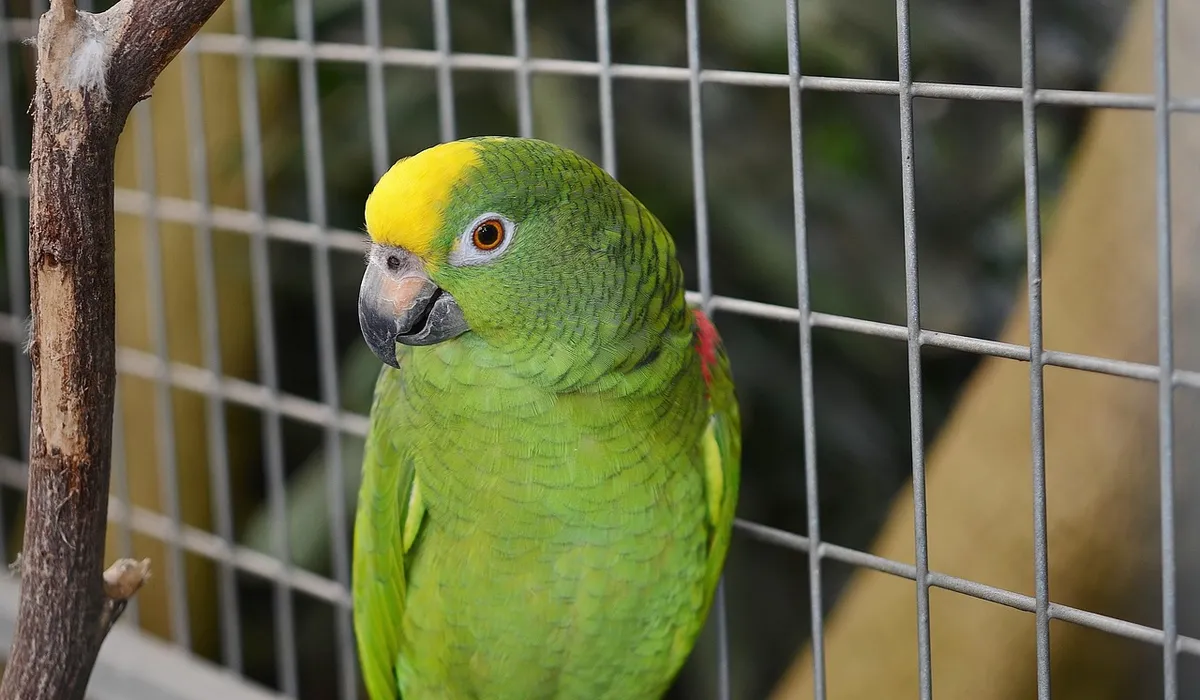
Keeping your feathered friend safe starts with a consistent care routine for their home. I’ve learned through trial and error with Kiwi’s playful antics that a clean, secure cage directly impacts their happiness and health.
Your Weekly Cleaning and Inspection Checklist
Set aside time each week for a thorough check-up. This prevents small issues from becoming big problems.
- Remove all trays and perches, scrubbing them with a bird-safe disinfectant.
- Inspect every door latch and feeding door for signs of wear or weakness.
- Check for any rust spots, especially around the bottom of the cage and on the grate.
- Examine the welds on the bars for any cracks or sharp edges.
- Wipe down the entire exterior to remove dust and dander.
Common Safety Issues and A&E Specific Solutions
A&E cages are well-built, but any cage can present hazards if you’re not vigilant. My sun conure, Sunny, once figured out a loose latch I hadn’t noticed, teaching me a valuable lesson about double-checking everything.
- Latch Laxity: Over time, the slide-bolt latches can loosen. Test them weekly and tighten the screws if they wobble.
- Bar Spacing: Always choose a model with bar spacing appropriate for your parrot’s size to prevent head entrapment.
- Powder Coating: If you see the coating chip or peel, address it immediately to prevent your bird from ingesting it.
- Perch Placement: Avoid positioning perches directly over food and water cups to keep droppings out.
Quick Daily and Monthly Maintenance Routines
- Daily: Change food and water. Wipe down soiled perches and spot-clean the cage floor.
- Weekly: Perform the full cleaning and inspection checklist outlined above.
- Monthly: Do a deep clean. Take the entire cage apart (if possible) and hose it down outside. This is the perfect time to rotate and replace worn perches with natural, untreated wood.
Pricing and Sourcing A&E Parrot Cages Responsibly
Investing in a quality cage is a major decision for any parrot owner. Finding the right balance between cost, quality, and ethical sourcing ensures your money supports good practices. This is the starting point for our parrot cage setup costs and essential equipment budgeting guide. It walks you through must-have items, realistic price ranges, and budgeting tips.
Price Ranges and Model Expectations
Prices can vary widely based on size, features, and where you shop.
- Small to Medium Cages (for budgies, cockatiels, conures): You can find solid A&E models starting from $150 to $400.
- Large Cages (for African Greys, Amazons): Expect to invest between $400 and $800 for a spacious, well-appointed cage.
- Top-Tier/Play Top Cages: These feature-rich models often range from $600 to over $1,000.
Finding Ethical Suppliers and Verifying Quality
Where you buy is just as important as what you buy. I always look for suppliers who are transparent about their products and prioritize animal welfare.
- Purchase from established, reputable pet supply stores or directly from A&E’s authorized dealers.
- Check for certifications that indicate safe manufacturing processes, like a guarantee against toxic materials.
- Spend time reading customer reviews, paying close attention to comments about customer service, shipping damage, and long-term durability.
- Avoid sellers with prices that seem too good to be true, as they may be selling inferior knock-offs.
Budget-Friendly Options That Don’t Compromise Welfare
You don’t have to break the bank to get a safe and suitable home for your parrot.
- Consider buying a used A&E cage from a trusted source. I found Sage’s first cage this way; just be sure to sanitize it thoroughly with a vinegar solution and inspect it for rust or damage.
- Look for simpler models without extra play tops or fancy feeders. The interior space is more critical than exterior bells and whistles.
- Watch for seasonal sales at major pet retailers, which can offer significant discounts on high-quality cages.
FAQs
What is the best parrot cage model?
The best model depends on your parrot’s species, as sizes and bar spacing vary for safety and comfort. Refer to the article’s species-specific recommendations to select an ideal A&E cage that matches your bird’s needs. For Quaker parrots, look for a setup with ample width and vertical space to climb and stretch their wings. The article’s Quaker cage size requirements outlines exact cage size and interior setup requirements.
How to choose a parrot cage model?
Start by assessing your parrot’s size, activity level, and species to determine the appropriate dimensions and features. Prioritize secure locks and durable construction to ensure long-term safety and ease of use. This is the first step in the building parrot safe bird room complete design guide. It guides you toward a safe, well-planned space with appropriate layout and materials.
What features should a parrot cage model have?
Essential features include secure locking mechanisms, removable trays for easy cleaning, and appropriate bar spacing to prevent injury. Additional elements like playtops or multiple doors can enrich your parrot’s daily life and interaction.
What size parrot cage model is right for a parrot?
Select a cage that allows your parrot to fully extend its wings and move around comfortably without restriction. Use the article’s size guide based on species to find the correct dimensions and bar spacing for safety. Different parrot species vary in size, so consult the parrot size guide for big birds to choose a cage that fits your specific species.
Are there safety considerations for parrot cage models?
Regularly check for loose latches, rust, or chipped coatings that could pose risks to your bird. Ensure the cage is made from non-toxic materials and is stable to prevent tipping or escape attempts.
Closing the Loop
From my time with Kiwi, I’ve learned that picking the right A&E cage means focusing on sturdy bars and ample space for climbing. Always match the cage size to your parrot’s wingspan and activity level to keep them happy and healthy. For transport, secure carriers with good ventilation make vet trips less stressful for both of you.
Caring for parrots like Sunny has shown me that responsible ownership involves more than just a good cage. Commit to learning about their needs through resources and vet check-ups to ensure a thriving life for your feathered friend. Annual vet check-ups are a key part of this preventative care, helping catch issues early and shape a tailored health plan. A practical preventative care guide can also cover vaccination considerations, nutrition, and regular monitoring. Keep exploring and adapting your care routine as your parrot grows and changes.
Further Reading & Sources
- Parrot Carriers And Travel Cages | Move Your Parrot Safely
- Amazon.com: Parrot Travel Cage
- Carriers and Travel Cages for Birds – DISCOUNTED!
Suzanne Levine is a dedicated parrot enthusiast and experienced avian caregiver with over 15 years of hands-on experience in parrot care. As the founder of Parrot Care Central, Suzanne is passionate about sharing her knowledge and insights to help fellow parrot owners provide the best possible care for their feathered friends. Her expertise spans nutrition, behavior, health, and enrichment, making her a trusted resource in the parrot care community.
Cages