
Can Parrots Lay Eggs Without Mating? Your Essential Guide
If you’ve ever spotted an unexpected egg in your parrot’s cage and panicked about how it got there without a mate, you’re facing a common puzzle that many bird owners encounter. I’ve been there myself with my own flock, like when Kiwi, my Green-cheeked Conure, laid her first egg-it sparked both curiosity and concern about her health and behavior.
I’m here to walk you through this step-by-step, drawing from years of hands-on experience with parrots like Sunny and Sage. We’ll cover three key takeaways:
- Why parrots naturally lay eggs without mating and what triggers it
- The potential health risks, including egg binding, and how to spot them early
- Practical steps to prevent stress and support your parrot’s well-being
You’ll leave with straightforward, actionable advice that puts your mind at ease. Topics covered include: causes of egg-laying, health implications, prevention strategies, and when to seek vet care-all designed to help you provide the best care for your feathered friend.
The Straight Answer: Yes, Parrots Can Lay Eggs Solo
Female parrots frequently lay unfertilized eggs completely on their own, without ever having a mate nearby.
This is a surprisingly common event in pet parrot care, especially for birds living in stable, comfortable homes.
- Confirm that female parrots often lay unfertilized eggs without a mate.
- Share a personal story from your experience with Kiwi or Sunny laying eggs unexpectedly.
- Briefly define unfertilized eggs and how this differs from fertilized ones.
I’ll never forget the day I found a small, white egg at the bottom of Kiwi’s cage. My playful Green-cheeked Conure had shown no signs of a partner, so it was a total shock. She was perfectly healthy and happy, just following a deep-seated biological clock I hadn’t known was ticking.
An unfertilized egg contains only the female’s genetic material, so it will never develop into a chick. This is completely different from a fertilized egg, which results from mating and contains the combined genes needed to create a new life. Think of it like a chicken egg from the grocery store-it’s meant for eating, not hatching.
Why Unmated Female Parrots Start Laying Eggs
Your parrot’s body is driven by powerful hormonal cycles that can lead to spontaneous ovulation.
Even without a male present, a female parrot’s reproductive system can kick into high gear, treating her environment like the perfect breeding season. This often results in behaviors typical of parrots preparing to reproduce and give birth.
- Explain hormonal cycles and spontaneous ovulation in psittacines.
- List environmental triggers: long light cycles, abundant food, cozy nesting spots.
- Discuss breeding behavior instincts even in pet settings.
Psittacines, the parrot family, have evolved to breed when conditions are ideal. In captivity, we accidentally create those perfect conditions all the time. Her instincts are so strong that her body will often go through the motions of reproduction, egg-laying and all, simply because it feels right.
Watch out for these common environmental triggers that tell your parrot it’s time to lay eggs:
- Long light cycles: More than 12 hours of light mimics long summer days, a natural breeding signal.
- Abundant food: An always-full food dish screams “resources are plentiful, let’s raise a family!”
- Cozy nesting spots: Any dark, enclosed space, like a happy hut or even a cozy corner, can feel like a safe nest.
This behavior isn’t a mistake or a sign of confusion. It’s a raw, natural instinct to continue the species, playing out right in your living room. Your pet parrot isn’t broken; she’s just being a parrot.
Understanding Parrot Reproduction and Egg Production
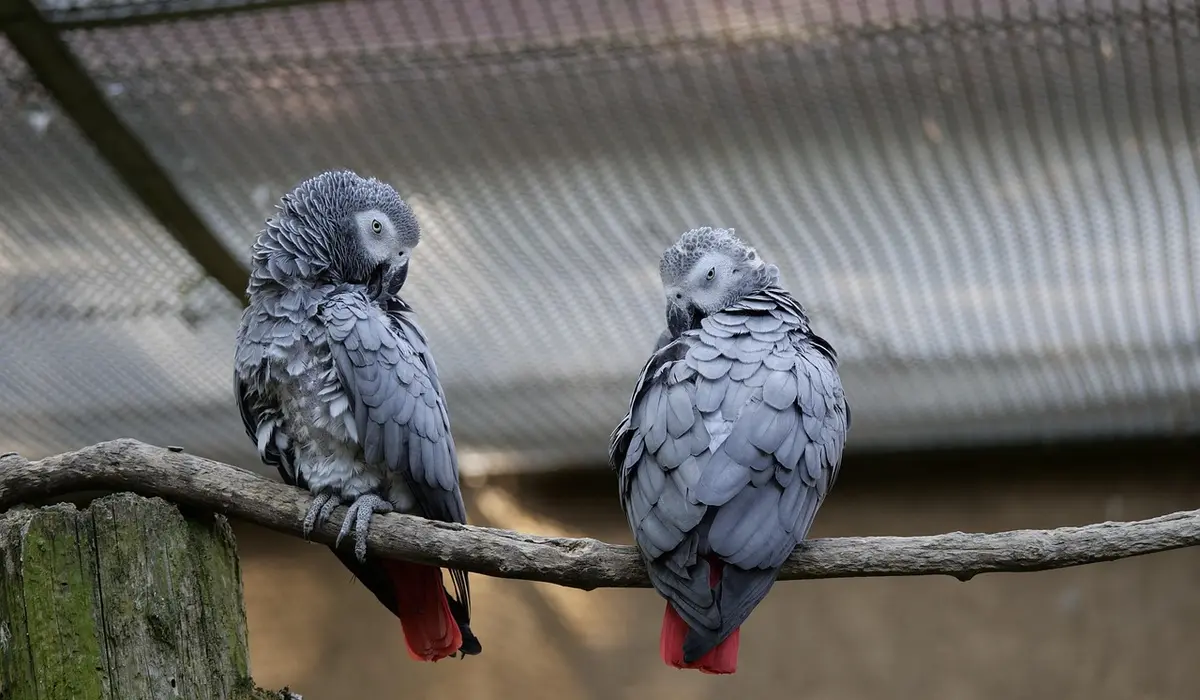
Parrots have a fascinating ovarian cycle where their bodies can produce eggs even without a male present, much like chickens you might see on a farm. Their reproductive system is triggered by environmental cues like longer daylight hours, abundant food, and cozy nesting spots, making them think it’s breeding season. This timing often marks the onset of the mating season, when pairs court and nest.
- Egg laying starts when hormones stimulate the ovary to release a yolk into the oviduct, where it gets layers of albumen (egg white), membranes, and a hard shell over about 24-48 hours.
- Parthenogenesis, where an egg develops without fertilization, is extremely rare in parrots and not something I’ve ever seen in my years caring for birds like Kiwi or Sunny; it’s more of a scientific curiosity than a common occurrence.
- Clutch size varies widely by species and age-for instance, my Green-cheeked Conure Kiwi might lay 3-5 eggs, while larger parrots like African Greys often have 2-4, and younger or older birds may produce fewer.
Health Risks When Parrots Lay Eggs Frequently
Frequent egg laying can put a huge strain on your parrot’s body, leading to serious issues that I’ve had to watch for with my own flock. Egg binding, where an egg gets stuck in the oviduct, is a life-threatening emergency that requires immediate vet care to prevent infection or rupture.
- Dangers include calcium depletion from shell formation, which weakens bones and can cause seizures, and vitamin D imbalances that affect nutrient absorption.
- Symptoms to watch for: lethargy (like when Sage seemed unusually tired), straining without passing an egg, fluffed-up feathers, or loss of appetite-these signs mean it’s time to act fast.
- Monitoring for egg-related stress is crucial because repeated cycles can lead to chronic health decline, so keep a close eye on behavior changes daily.
Caring for Your Parrot During Egg Laying
When your parrot is laying eggs, focus on supportive care to keep them healthy and comfortable, drawing from what’s worked for my birds over the years. Boost their nutrition with calcium-rich foods like cuttlebone, leafy greens, and fortified pellets, plus vitamin supplements if your vet approves, to replenish what’s lost in egg production. For overall health, do parrots need vitamin supplements? Usually not—most thrive on a balanced diet, with supplements only under veterinary guidance for deficiencies or specific conditions.
- Provide steps for proper diet: offer fresh veggies daily, ensure access to clean water, and avoid high-fat seeds that can trigger more laying.
- Create a calm environment by reducing noise and handling, and avoid disturbing eggs once laid to minimize stress-I learned this when Sunny got agitated after I moved her nesting area.
- Tips on handling: limit physical contact to essential checks, and consult a breeder or vet if you notice any health issues or if laying persists beyond a typical clutch; early intervention can prevent bigger problems.
How to Prevent or Reduce Unwanted Egg Laying
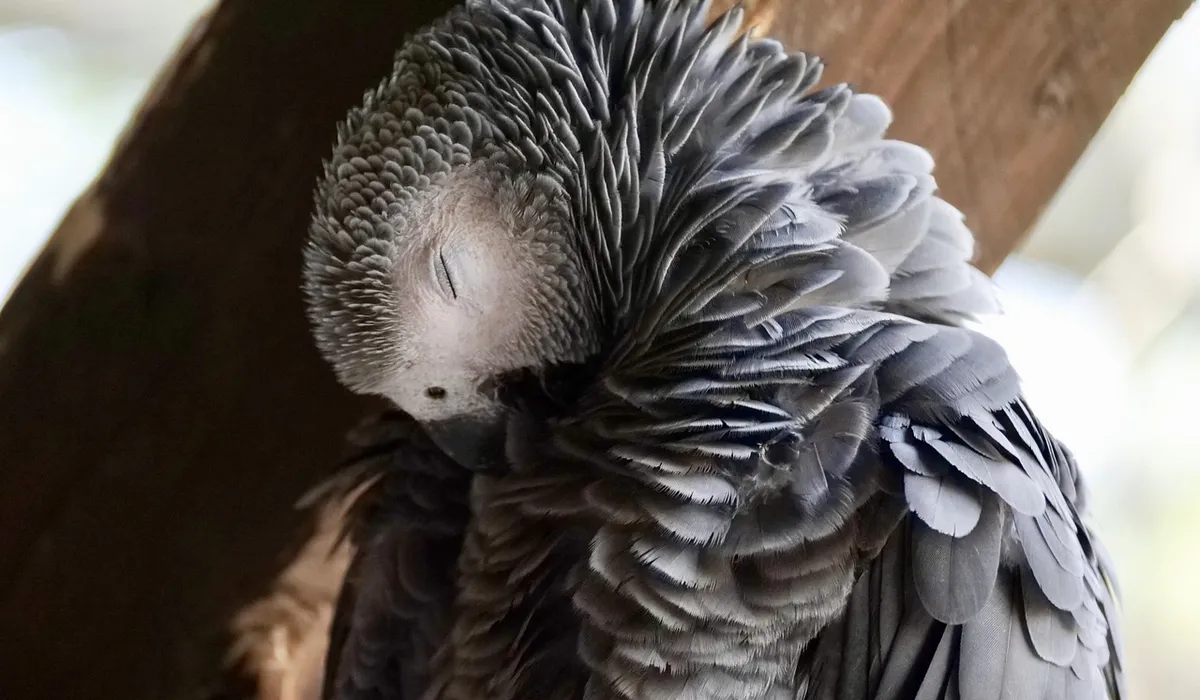
You can gently guide your parrot’s body away from breeding mode with a few smart adjustments. Parrots don’t menstruate like mammals, but they do experience hormonal cycles related to breeding and egg laying. I’ve found that tweaking their environment and diet makes a huge difference in calming those hormonal urges. Understanding these cycles can help you tailor care to reduce hormone-driven behaviors.
Adjust Light Exposure and Diet
Parrots rely on natural light cycles to trigger breeding season. Shorter days signal it’s time to rest, not reproduce. This is a core point in the Hormonal Season Parrots Survival Guide. It also covers practical steps for light management and daily routines during seasonal shifts.
- Provide 10-12 hours of darkness each night using a cage cover or a quiet, dim room.
- Move the cage away from windows where artificial light from street lamps or early sunrises can disrupt their rhythm.
- Reduce high-fat and high-protein foods like nuts, seeds, and eggs. Offer more fresh vegetables and a measured pellet diet instead.
Cutting back on fatty treats was one of the first changes I made with my conures, and it noticeably reduced their nesting chatter.
Remove Nesting Triggers
Your parrot’s cage might be full of unintentional invitations to lay eggs. Look around with a critical eye.
- Take out any enclosed, dark spaces like happy huts, fabric tents, or cardboard boxes.
- Avoid giving them paper to shred or soft materials they could use for building a nest.
- Rotate toys frequently to prevent them from becoming too attached to one spot as a “nest site.”
When I removed the cozy corner hut from Kiwi’s cage, her constant searching for a nesting spot completely stopped.
Personal Strategies with Sage
My African Grey, Sage, went through a hormonal phase a couple years back. Here’s what worked for us.
- I rearranged her main perches and toys every two weeks to disrupt any territory claims.
- We increased our training sessions and foraging games to mentally tire her out, focusing her energy on puzzles, not eggs.
- I handled her less on her back and under her wings, as that can be perceived as mating behavior.
Keeping Sage’s brilliant mind busy with new challenges was the key to smoothly navigating her hormonal cycles without medication.
When Egg Laying Signals a Vet Visit Is Needed
Sometimes, egg laying moves from a natural behavior to a medical emergency. Knowing the warning signs can save your parrot’s life.
Act quickly if you notice any of these red flags-your vet is your best partner in your bird’s reproductive health.
Emergency Signs to Watch For
Don’t wait if you see these symptoms. Egg binding, where an egg gets stuck, is a critical condition.
- Straining, puffing up, or sitting fluffed at the cage bottom for more than a few hours.
- Swollen abdomen, lethargy, or loss of appetite.
- Labored breathing, weakness in the legs, or any sign of pain.
- Passing multiple eggs in a very short time, or laying eggs almost continuously.
A bird straining unsuccessfully is a bird in trouble-this is one situation where immediate veterinary care is non-negotiable.
What to Expect at the Vet
Your avian vet will perform a thorough examination to assess the situation and provide relief.
- They may take X-rays to see the number and position of any eggs in the oviduct.
- Blood tests can check calcium levels, as low calcium can cause weak muscles and trouble passing eggs.
- The vet might provide calcium injections, fluids, or medication to help muscles contract and expel the egg.
- In severe cases of egg binding, manual removal under anesthesia may be necessary.
Watching the vet carefully palpate Sunny’s abdomen taught me how subtle the signs of egg binding can be to an untrained eye.
The Role of Regular Care in Prevention
Routine check-ups are your front line of defense against reproductive complications.
- Annual vet visits help establish a health baseline, making it easier to spot changes.
- Discuss your parrot’s diet, lighting, and behavior with your vet at every appointment.
- Regular weight checks can alert you to health shifts long before other symptoms appear.
Consistent, proactive care is far easier and less stressful than an emergency trip for a critically ill bird.
FAQs
What are parrots?
Parrots are intelligent, social birds in the Psittaciformes order, known for their curved beaks, vibrant colors, and ability to mimic sounds. Many parrots also mimic human speech sounds, repeating words and phrases. The extent varies by species and individual, but with consistent interaction they can develop a vocabulary. They thrive on interaction and can live for decades, making them long-term companions in pet care.
What is parthenogenesis?
Parthenogenesis is a rare form of asexual reproduction where an egg develops into an embryo without being fertilized by a male. In birds, this process is uncommon and typically results in non-viable offspring, unlike the more frequent unfertilized egg-laying in parrots.
How does parthenogenesis differ from typical egg-laying in parrots?
Typical egg-laying in parrots produces unfertilized eggs that will not hatch, while parthenogenesis involves embryonic development without fertilization. Unfertilized eggs are common in pet parrots, but true parthenogenesis is extremely rare and not a standard reproductive event. For more information on care, visit how to hatch and care for parrot eggs.
Can parthenogenesis occur in all parrot species?
Parthenogenesis has not been widely documented in parrot species and is considered an anomaly rather than a natural capability. Most parrots rely on sexual reproduction, and any instances of parthenogenesis would be exceptional and unlikely in a home setting. Many parrot species form strong, long-lasting pair bonds and are typically monogamous during breeding.
What role does biology play in parrot egg-laying without mating?
Parrot biology includes hormonal cycles that can trigger egg production even without a mate, driven by environmental cues like light and diet. This natural mechanism ensures species survival but does not typically involve parthenogenesis, which requires specific genetic conditions. In many parrots, this can result in laying multiple eggs per year across one or more clutches, though the exact annual count varies by species and conditions.
Closing the Loop
From caring for my own parrots like Kiwi and Sunny, I’ve learned that yes, parrots can lay eggs without mating, often triggered by factors like diet changes or longer daylight hours. To keep your bird healthy, monitor for egg-laying signs and adjust their environment by limiting light exposure and offering a balanced diet low in fat. Always consult an avian vet if you notice frequent laying, as it can lead to health issues like egg binding.
Owning a parrot means committing to their well-being through ongoing education and attentive care. Stay curious about their needs, join bird care communities, and always prioritize their physical and emotional health to build a trusting, joyful bond. Choosing the parrot that is the right pet for your home means understanding species differences, temperament, and care needs. When your lifestyle aligns with a bird’s requirements, you can create a safe, enriching environment and a lifelong bond. Your dedication makes all the difference in their quality of life.
Further Reading & Sources
- Single Parrots and Egg Laying
- Help, My Parrot Laid An Egg – Northern Parrots
- Essential Guide to Parrot Egg Laying Care
Suzanne Levine is a dedicated parrot enthusiast and experienced avian caregiver with over 15 years of hands-on experience in parrot care. As the founder of Parrot Care Central, Suzanne is passionate about sharing her knowledge and insights to help fellow parrot owners provide the best possible care for their feathered friends. Her expertise spans nutrition, behavior, health, and enrichment, making her a trusted resource in the parrot care community.
Mating Behavior