
Metal vs. Wooden Cages: Which Is Healthier for Your Parrot?
Choosing the right cage for your parrot isn’t just about style-it’s a decision that affects their safety, comfort, and long-term well-being. I’ve seen this firsthand with my own flock, like Kiwi the conure who loves to chew everything, and Sage the African Grey who needs mental stimulation.
I’ll guide you through the key differences to help you make an informed choice. Here are the top takeaways:
- Safety and toxicity risks vary between materials.
- Durability impacts cleaning and your parrot’s health.
- Cage material influences behavior and mental enrichment.
You’ll get straightforward advice based on research and my experience. We’ll cover safety, cost, maintenance, durability, and health benefits in detail.
Metal Cages: Durability and Health Impacts
Pros of Metal Cages
Metal cages handle parrot antics like champs. They resist chewing better than most materials, which I’ve seen firsthand with my Green-cheeked Conure, Kiwi, who loves testing limits.
Cleaning is a breeze with metal. You can wipe them down quickly, reducing bacteria buildup that might harm your bird’s respiratory system. In a multi-bird home, clean surfaces help prevent disease spread between birds. Good biosecurity also means quarantining new birds and monitoring for signs of illness.
- Long-lasting and tough against daily wear
- Easy to sanitize with bird-safe cleaners
- Less porous surface stops mold growth
My Sun Conure, Sunny, stays healthier in a metal setup. It minimizes hidden spots where germs could lurk, giving me peace of mind.
Cons of Metal Cages
Metal can feel cold and uninviting. Parrots like warmth, and a chilly cage might stress them out, as I noticed with Sage, my African Grey, who prefers cozier spots.
Rust is a sneaky enemy. If the coating wears off, it can lead to toxic exposure, so always check for quality finishes.
- Potential for sharp edges from poor manufacturing
- Heavier and harder to move around your home
- Can conduct noise, amplifying loud squawks
I once had a scare with a cheap metal cage that had rough welds. Inspecting for safety flaws is non-negotiable to protect your feathered friend.
Wooden Cages: Natural Appeal and Hidden Dangers
Pros of Wooden Cages
Wooden cages bring a bit of the wild indoors. Their natural texture encourages chewing, which is great for beak health, as Sunny often demonstrates with enthusiasm.
They feel warmer and softer underfoot. This can reduce stress for birds who dislike hard surfaces, making it a comfy choice for many parrots.
- Blends well with home decor for a rustic look
- Supports natural behaviors like gnawing and climbing
- Often made from sustainable materials if chosen wisely
Watching Kiwi explore a wooden cage is a joy. It mimics their habitat, but you must stay vigilant to avoid health risks.
Cons of Wooden Cages
Wood absorbs moisture and messes easily. This can lead to mold or bacteria growth, posing serious health threats to your parrot. For a quick overview of the most common parrot health concerns, our complete guide covers this and other important issues. It helps you recognize problems early and keep your bird healthy.
Durability is a big issue. Chewing can destroy the cage over time, and ingested splinters might cause internal injuries.
- Hard to clean thoroughly without damaging the wood
- Risk of toxic woods if not certified safe for birds
- Requires frequent inspections for wear and tear
I learned the hard way with an old wooden cage that started splintering. Always opt for untreated, bird-safe woods and replace them at the first sign of damage to keep your parrot secure. This experience shows why many bird owners encounter problems: there are 7 critical cage setup mistakes that are stressing out your parrot.
Safety and Toxicity: What Puts Your Parrot at Risk

Metal Cage Safety Concerns
Metal cages might seem sturdy, but they hide dangers that can harm your feathered friend. Parrots love to chew and climb, so sharp edges or loose wires can cause cuts or entanglements. I learned this the hard way when my Green-cheeked Conure, Kiwi, got a tiny scratch from a poorly finished bar-it taught me to inspect every cage corner. Some metals, like zinc or lead in coatings, are toxic if ingested; birds can suffer from heavy metal poisoning by nibbling on them. Rust is another red flag, as it weakens the structure and introduces harmful particles into your parrot’s environment. Always choose stainless steel or powder-coated options to minimize risks.
- Check for toxic coatings that contain zinc or lead-these can leach into your parrot’s system over time.
- Look out for sharp edges or protruding parts that could injure curious beaks and feet.
- Inspect for rust spots regularly, as they can harbor bacteria and degrade cage integrity.
From my experience with Sunny, my Sun Conure, I’ve seen how playful antics lead to unexpected hazards. Opting for cages with smooth, rounded edges and non-toxic finishes has kept my birds safe and sound.
Wooden Cage Safety Concerns
Wooden cages offer a natural look, but they come with their own set of risks that demand attention. Splinters from rough surfaces can pierce delicate skin or be swallowed during chewing sessions. When Sage, my African Grey, started gnawing on his wooden perch, I had to switch to untreated hardwoods to avoid toxic chemicals. Many woods, like cedar or pine, release aromatic oils that irritate a parrot’s respiratory system, leading to breathing issues over time. Treated or painted woods often contain preservatives or paints that are poisonous if ingested. Always source cages from bird-safe woods, such as apple or maple, and avoid anything with varnishes or stains. These concerns tie into a broader discussion of parrot cage myths—eight misconceptions that compromise safety and comfort. Understanding them helps you choose safer, more comfortable housing for your bird.
- Avoid woods like cedar and pine-they emit fumes that can harm your parrot’s lungs.
- Watch for splinters or rough spots that might cause injuries during play or rest.
- Steer clear of treated or painted surfaces, as chemicals can be toxic when chewed.
I’ve found that regular checks for wear and tear help prevent accidents. Choosing untreated, smooth-finished wood has made a world of difference in my parrots’ health and happiness.
Hygiene and Maintenance: Keeping Cages Clean and Healthy
Cleaning Metal Cages
Metal cages are a breeze to clean thanks to their non-porous surfaces, but they still need a consistent routine to stay hygienic. With my flock, I wipe down metal bars daily with a damp cloth to remove food debris and droppings—this simple habit prevents buildup and keeps odors at bay. For deeper cleans, use a bird-safe disinfectant like diluted vinegar or a specialized cleaner; harsh chemicals can leave residues that harm your parrot. Rust-prone areas require extra attention; dry them thoroughly after washing to avoid moisture traps. A quick weekly scrub and monthly deep clean ensure your parrot’s home stays fresh and safe. To keep this routine organized, consider creating a [weekly and monthly parrot cage maintenance checklist](https://parrotcarecentral.com:/creating-a-weekly-and-monthly-parrot-cage-maintenance-checklist). A checklist helps you stay on track and ensures nothing slips through the cracks.
- Remove your parrot and all accessories before starting to avoid stress or exposure to cleaners.
- Scrub surfaces with a soft brush and bird-safe solution, focusing on corners and perches.
- Rinse thoroughly with water and let it air-dry completely to prevent rust and mold.
From caring for Kiwi’s energetic messes, I’ve learned that a clean metal cage reduces the risk of bacterial growth. Regular maintenance not only protects your parrot’s health but also extends the cage’s lifespan. Yet many cage cleaning mistakes can harm your parrot’s health. Using harsh cleaners or not rinsing and drying thoroughly can leave residues that irritate birds.
Cleaning Wooden Cages
Wooden cages demand more effort in upkeep because their porous nature traps moisture and germs. I recall how Sage’s wooden cage developed a musty smell after just a week—prompting me to adopt a strict cleaning schedule to avoid mold issues. Use mild, natural cleaners like a mix of water and lemon juice; strong disinfectants can soak into the wood and become toxic. Focus on drying the cage thoroughly after each clean, as damp wood breeds bacteria and fungi. Sanding down rough spots periodically helps maintain a smooth surface that’s easier to wipe down and safer for your parrot. This is part of a complete guide on safely cleaning your parrot and its environment. For full details on safe cleaners, drying times, and mold prevention, consult the guide.
- Take out your parrot and removable parts to ensure a thorough clean without interruptions.
- Gently scrub with a soft cloth and mild cleaner, avoiding saturation that could warp the wood.
- Allow it to dry in a well-ventilated area, and consider using a fan to speed up the process.
Based on my experience, wooden cages need extra love to stay hygienic. Sticking to a routine prevents health problems and keeps your parrot’s environment cozy and clean. When selecting a cage, consider your parrot’s species and the appropriate cage size and bar spacing. Cage requirements vary by species, so choosing a suitably sized enclosure that allows movement is essential.
Behavior and Enrichment: How Cage Material Affects Your Bird
Enrichment with Metal Cages
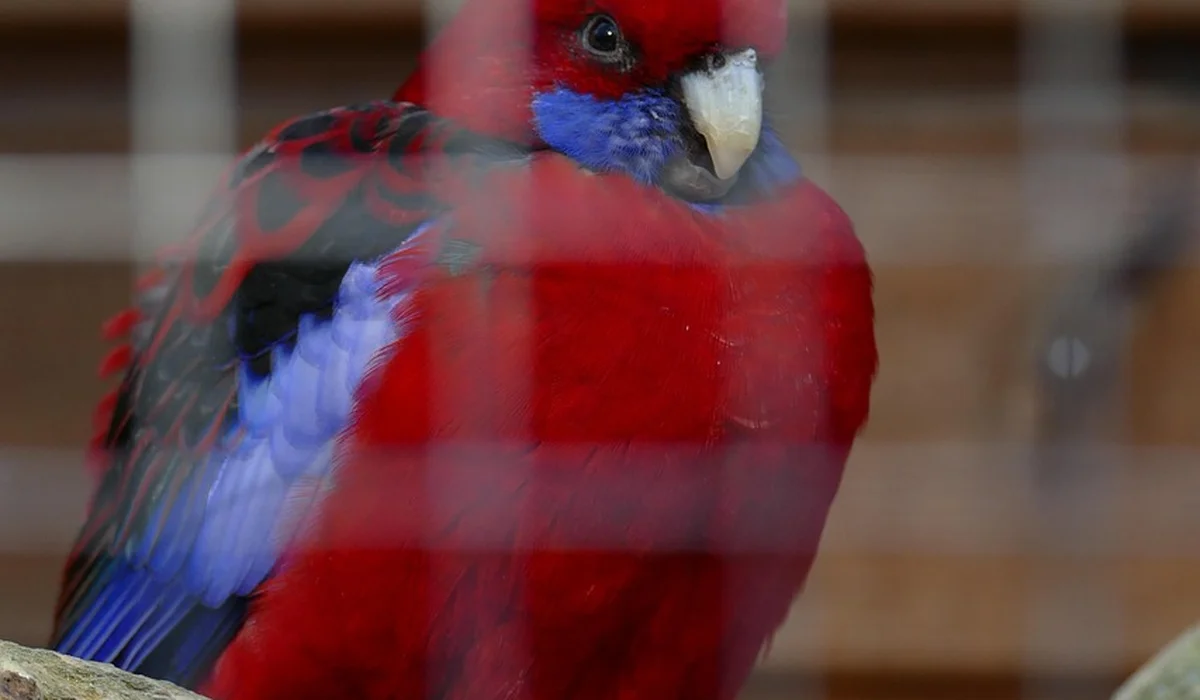
Metal cages are like a giant, safe climbing gym for your parrot. My Green-cheeked Conure, Kiwi, spends hours scaling the bars, which provides fantastic physical exercise and mental stimulation. You can hang a huge variety of toys-bells, ladders, foraging puzzles-from the sturdy top and sides without worrying about the structure giving way.
The non-porous surface is a major win for interactive fun. I often smear a bit of mashed banana or peanut butter on the bars for Kiwi and Sunny to lick off, turning snack time into a engaging enrichment activity that’s easy to clean up afterward. This keeps their minds active and satisfies their natural foraging instincts in a controlled, hygienic way.
Enrichment with Wooden Cages
Wooden cages offer a completely different, more naturalistic form of enrichment. My African Grey, Sage, seems to find the wood itself fascinating; he gently taps his beak on the frame, listening to the different sounds it makes. This tactile and auditory experience is something a metal cage simply cannot replicate.
However, this natural appeal comes with a big caveat. You must be incredibly selective about the wood used, as many types are toxic to birds, and even safe woods can be destroyed by a determined chewer. A wooden cage can become part of the enrichment, but you must constantly monitor for splintering or ingested pieces that could cause a serious health issue.
Making the Right Choice: Factors for Your Parrot’s Well-being
Choosing between metal and wood isn’t about which is “better,” but which is better *for your specific bird*. Your parrot’s species, personality, and habits are the most important factors in this decision. A powerful chewer like a Macaw would make short work of a wooden cage, while a gentler Finch might thrive in one.
Consider these points carefully:
- Your Parrot’s Size and Strength: Larger, stronger birds with powerful beaks need the indestructible nature of metal. Smaller, less destructive birds might be fine with a high-quality, hardwood cage.
- Chewing Behavior: Is your bird a shredder? Does it demolish wooden toys? If yes, a wooden cage is likely an expensive, and dangerous, mistake.
- Ease of Cleaning: For messy eaters or birds prone to respiratory issues, the easy-to-sanitize surface of a metal cage is a non-negotiable health advantage.
- Long-Term Durability: A good metal cage can last your parrot’s entire lifetime. A wooden cage has a much shorter lifespan and may need repairs or replacement.
Look at your bird’s current behavior for the best clues. Watch how they interact with their toys and perches-this will tell you everything you need to know about how they would treat a wooden cage. Consider their reaction to different materials, such as natural wood vs dowel perches, to ensure their comfort and safety. Your choice directly impacts their safety, mental health, and overall quality of life, so weigh these factors with your individual parrot in mind.
FAQs
Can the cage material cause allergies in parrots?
Some parrots may develop allergies to dust or chemical treatments in wooden cages. Metal cages, when properly maintained, reduce the risk of allergen accumulation. In addition to allergens, environmental toxins in the home—such as fumes from cleaners, aerosol sprays, and nonstick cookware—can cause illness in parrots. Using safer, fragrance-free products and ensuring good ventilation reduces this risk.
How does cage material affect a parrot’s feather health?
Rough or splintered wood can catch and damage feathers, leading to improper preening. Smooth metal surfaces are less likely to cause feather abrasions and are easier to clean.
Is there a safety concern with metal cages and electricity?
Metal cages can conduct electricity if placed near power sources, increasing the risk of shock. It’s crucial to position the cage away from outlets and use insulated perches and toys.
Closing the Loop
When choosing between metal and wooden cages, your parrot’s safety comes first. Metal cages are your best bet for most parrots, offering unmatched durability and easier cleaning to keep your feathered friend healthy. While wooden cages can serve as fun, supervised play gyms, they shouldn’t be the primary home due to chewing and hygiene risks.
Your commitment to learning doesn’t stop with this choice. Responsible parrot ownership is a lifelong journey of adapting to your bird’s unique personality and species-specific needs. Keep asking questions, observing your parrot’s behavior, and deepening your knowledge-it’s the greatest gift you can give your companion.
Further Reading & Sources
- Best Parrot Cages and Play Areas | Best Friends Animal Society
- Safe & Toxic Metals For Pet Birds | Poodles and Parrots
- Birdcagelab | How to Choose the Right Material for Parrot Cages
Suzanne Levine is a dedicated parrot enthusiast and experienced avian caregiver with over 15 years of hands-on experience in parrot care. As the founder of Parrot Care Central, Suzanne is passionate about sharing her knowledge and insights to help fellow parrot owners provide the best possible care for their feathered friends. Her expertise spans nutrition, behavior, health, and enrichment, making her a trusted resource in the parrot care community.
Cages