
What Are the Legal Requirements for Owning a Parrot?
Thinking about bringing home a parrot can feel exciting, but the legal side often brings up big worries. You might be wondering if your new feathered friend needs special paperwork or if your local laws even allow it.
I’ve navigated this process myself with my own birds, and I’m here to walk you through the essentials. We’ll break down the key legal areas you need to check before you commit.
- Understanding required permits and licenses
- Identifying restricted or banned parrot species
- Meeting housing and welfare standards
You’ll get straightforward, actionable advice to make sure you start your parrot journey on the right foot.
Permits and Documentation, Banned Species, Cage and Enclosure Rules, Veterinary Care Standards, Zoning and Local Ordinances, Import and Transport Laws
Finding Your Local Parrot Ownership Rules
You absolutely must check your city and county regulations before bringing a parrot home. I learned this the hard way when a neighbor complained about my sun conure’s cheerful (but loud) morning calls, and I had to scramble to prove I wasn’t violating any noise ordinances. Local laws can be surprisingly specific and vary wildly from one town to the next.
Your first stop should be your local government’s official website. Look for codes related to “animals,” “pets,” or “nuisance.” Don’t just skim; read the fine print. Here are the most common types of local restrictions you might find:
- Noise Ordinances: Many areas have decibel limits for animal noises, which can directly impact louder parrot species.
- Zoning Laws: Some residential zones limit the number or type of animals you can keep, sometimes classifying certain birds as “livestock.”
- Prohibited Species Lists: Your city might outright ban ownership of specific parrots they consider dangerous or a potential invasive threat.
- Permit Requirements: Even if ownership is allowed, your locality might require a special permit for certain birds, often involving an inspection of your home.
If the online search leaves you confused, pick up the phone. A quick call to your city clerk’s office or animal control department can save you from a world of legal trouble and potential heartbreak down the line. Be ready to provide the specific species you’re interested in, as rules for a small parakeet are often different from those for a large macaw.
Permits and Licenses for Parrot Parents
Beyond local rules, you may need permits from state or federal agencies. This isn’t just bureaucratic red tape; these laws exist to protect both the birds and our ecosystems. Navigating the permit process for my African Grey taught me that patience and meticulous record-keeping are just as important as a good diet.
The most critical permit system is governed by the Convention on International Trade in Endangered Species (CITES). This international treaty protects wildlife from over-exploitation.
- What it is: CITES places species into appendices based on their conservation status. Many parrots are on Appendix I or II.
- What you need: For Appendix I species, you typically need both an import/export permit and proof that the bird was bred in captivity, not taken from the wild.
- How to comply: Reputable breeders will provide you with CITES documentation. Never buy a parrot without this paperwork.
You also need to be aware of your state’s specific requirements. Some states have their own endangered species acts or exotic pet laws that are even stricter than federal regulations.
- Check your state’s fish and wildlife or department of natural resources website. They will list any required state-level permits for parrot ownership.
- Apply for the permit well in advance. These applications can take weeks or even months to process, and they often require detailed information about your bird’s origin and your housing setup.
- Keep your permits accessible. I have a folder with all my parrots’ documents. You may need to present them to authorities or if you need to travel with your bird.
Operating without the proper permits can lead to hefty fines and the devastating confiscation of your feathered family member. It’s a responsibility we take on to ensure the welfare and conservation of these incredible creatures.
Restricted Parrot Species You Should Know
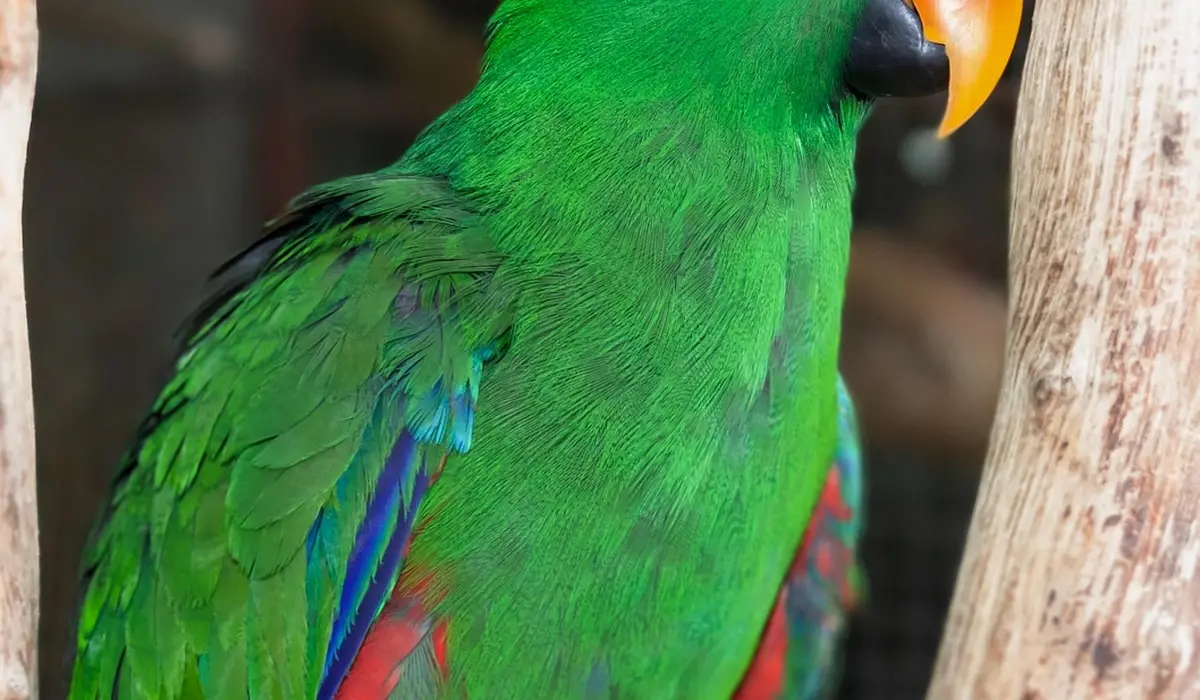
Before falling in love with a specific parrot, you must check your local and national laws. Many beautiful parrots are heavily regulated to protect wild populations from illegal trapping and trade.
From my own experience researching companions, I was surprised to learn that some of the most sought-after birds are often restricted.
Commonly Regulated Species
You will likely need special permits or face an outright ban for these parrots.
- African Grey Parrots: My Sage is an African Grey, and I had to provide extensive paperwork. They are listed on CITES Appendix I, meaning international trade is banned to protect them from extinction.
- Most Cockatoo Species: Their high intelligence and specific needs make them difficult to care for properly, leading to strict regulations in many areas.
- Hyacinth Macaws: The largest of all parrots, their stunning blue feathers made them a huge target for poachers. Ownership is typically limited to certified breeding programs.
- Military and Scarlet Macaws: Their vibrant colors and size make them desirable, but this has led to vulnerable wild populations and strict trade controls.
Always verify the species’ legal status with your national wildlife agency and local animal control department before committing. The penalties for owning a protected species without permission can be severe fines or even confiscation of your bird.
Registration and Identification Requirements
Once you’ve confirmed your chosen parrot is legal to own, the next step is proper identification and registration. Think of this as your parrot’s official passport and permanent ID card.
This process exists to deter the illegal pet trade and help lost birds find their way back home.
Mandatory Identification Methods
Authorities typically require one of these permanent identification methods.
- Closed Leg Bands: These are rings placed on a chick’s foot that become a permanent bracelet. They usually contain the breeder’s unique code and the bird’s hatch year. All my birds have them.
- Microchipping: A tiny chip, about the size of a grain of rice, is injected under the skin. This is a more modern and secure method, as leg bands can sometimes be removed.
The Registration Process
This is not just a suggestion; it’s often the law for certain species.
- Obtain your parrot from a reputable, licensed breeder or adoption agency who provides the initial paperwork.
- Ensure your bird has its official leg band or is microchipped by an avian veterinarian.
- Submit an application to the relevant government wildlife department, including your details and the bird’s identification number.
- Keep your registration certificate in a safe place and renew it as required, which can be annually or once for the bird’s lifetime.
Proper registration creates a legal record linking you to your feathered family member, which is vital for their protection and your peace of mind. It ensures that if your parrot ever flies out an open door, anyone who finds them can prove they have a home and a family who loves them.
Proper Parrot Housing Standards
Your parrot’s home is more than just a cage—it’s their sanctuary, and legal standards exist to keep them safe and happy. I’ve seen firsthand how the right setup prevents stress and health issues in my own flock, like Kiwi and Sunny. Designing a safe, stimulating indoor flight space is key to keeping your parrot active and curious. We’ll show practical steps to create that environment while ensuring safety and engagement. Let’s break down what you need to know.
Cage Size and Dimensions
Size matters a lot for parrots, as cramped spaces lead to feather plucking and aggression. Legal guidelines often specify minimum cage sizes based on your bird’s wingspan and activity level. For example, small parrots like conures need cages at least 24 inches wide, while larger birds like African Greys require much bigger enclosures. When choosing a cage, it’s crucial to consider species-specific size requirements to ensure your parrot’s comfort and well-being.
- Small parrots (e.g., Green-cheeked Conures): 24″ W x 24″ D x 30″ H minimum
- Medium parrots (e.g., Sun Conures): 36″ W x 24″ D x 48″ H minimum
- Large parrots (e.g., African Greys): 48″ W x 36″ D x 60″ H minimum
From my experience with Sage, my African Grey, a spacious cage allowed her to stretch and play, reducing her anxiety.
Safe Materials and Construction
Cages must use non-toxic, durable materials to prevent poisoning or injury. Look for powder-coated steel or stainless steel, as these resist rust and are easy to clean. Bar spacing is critical-too wide, and your bird could get stuck or escape.
- Check bar spacing: 1/2 inch for small birds, 3/4 to 1 inch for larger species.
- Avoid lead-based paints or zinc coatings, which can be toxic if chewed.
- Ensure secure latches and doors to prevent accidental openings.
I once had a scare with Kiwi when a cheap cage latch failed; upgrading to a sturdier model made all the difference.
Environmental Enrichment Requirements
Laws in some areas mandate enrichment to support mental health, mimicking a parrot’s natural habitat. Providing perches, toys, and foraging opportunities isn’t just kind-it’s often legally expected for animal welfare. Without it, birds can develop destructive behaviors.
- Include varied perch diameters to exercise feet and prevent sores.
- Offer shreddable toys and puzzles to stimulate their curious minds.
- Ensure access to natural light or full-spectrum lighting for vitamin D synthesis.
Sunny, my Sun Conure, thrives with a rotation of wooden toys and bells, keeping her engaged and cheerful.
Health and Veterinary Care Mandates
Keeping your parrot healthy isn’t just good practice—it’s often a legal duty to prevent disease spread and ensure well-being. Annual vet check-ups are a cornerstone of parrots’ preventative care guide, helping catch issues early. Regular vet visits and proper care have saved my birds from hidden ailments, like when Sage needed a check-up that caught early signs of respiratory issues. Here’s what the rules typically cover.
Regular Veterinary Examinations
Annual or semi-annual check-ups are commonly required by animal welfare laws. These exams help detect problems early, from beak overgrowth to nutritional deficiencies. Vets will assess weight, droppings, and behavior to ensure everything’s on track.
- Schedule exams every 6-12 months, depending on your parrot’s age and species.
- Keep records of visits, including dates and any treatments given.
- Watch for signs of illness, like lethargy or changes in appetite, and report them promptly.
I mark my calendar for Kiwi’s yearly visits, and it’s become a routine that keeps her in top shape.
Vaccination and Disease Prevention
While not all parrots need vaccines, some regions require them for diseases like Psittacosis. Following vaccination protocols protects not only your bird but also public health, as some illnesses can spread to humans. Quarantine new birds to prevent introducing infections.
- Consult your vet on local mandates for vaccinations and tests.
- Isolate new arrivals for 30-45 days to monitor for symptoms.
- Maintain a clean environment with regular disinfecting to reduce disease risk.
When I brought Sunny home, a short quarantine period gave me peace of mind she wouldn’t affect the others.
Emergency Care and Record-Keeping
Laws may obligate you to provide immediate veterinary care in emergencies. Keeping detailed health records, including diet and behavior notes, can be crucial during vet visits or legal inspections. This documentation shows you’re meeting your responsibilities.
- Log daily observations, such as eating habits and social interactions.
- Save receipts and reports from all vet appointments and treatments.
- Have an emergency plan, including contact info for an avian vet, ready at all times.
My binder of Sage’s health history has been a lifesaver during sudden illnesses, making treatments smoother and faster.
Import and Export Restrictions
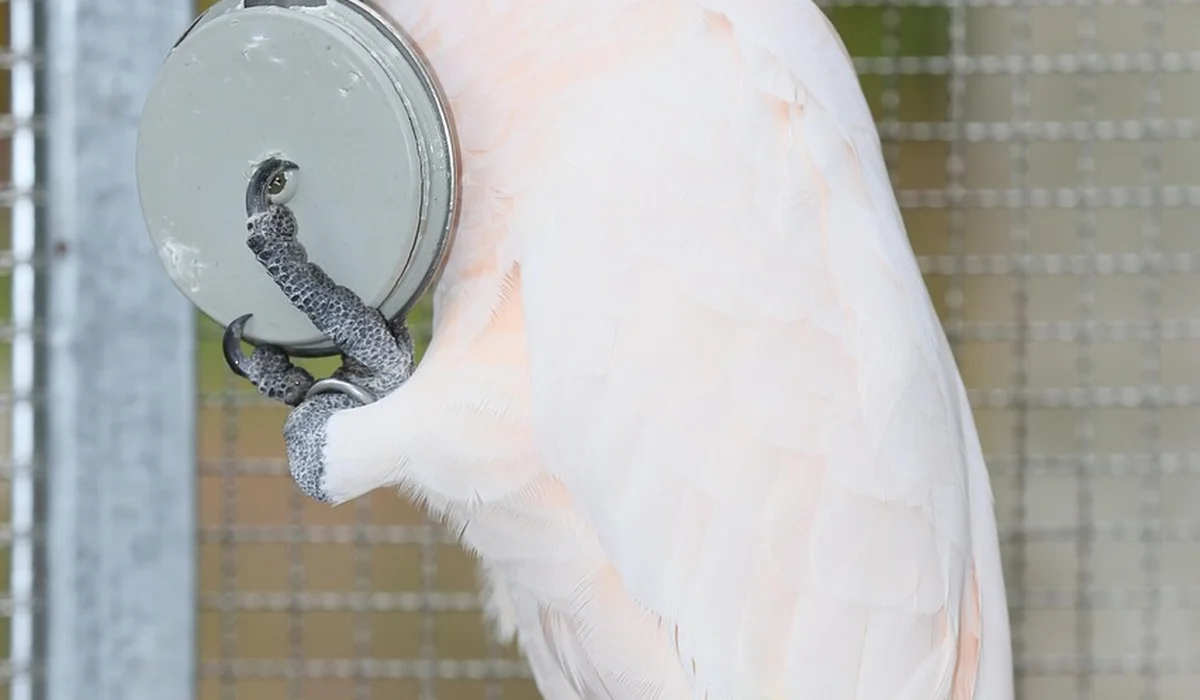
Getting a parrot isn’t like buying a bag of groceries. The global movement of parrots is tightly controlled by international treaties, primarily the Convention on International Trade in Endangered Species (CITES). CITES doesn’t grant ownership; it governs international trade and requires permits for import and export. In practice, that means owning an exotic parrot usually involves jumping through legal hoops and proving the animal was acquired legally, not simply picking one up at a store. I learned this the hard way years ago when I first looked into acquiring a more exotic species. For a deeper understanding, you can read more about what CITES means for owning exotic parrots here.
Most parrots you’ll find are listed under CITES Appendix I or II. This isn’t just bureaucratic red tape; it’s a vital protection for wild populations. In the wild, many parrots forage on seeds, fruits, and nectar. Diet varies by species and habitat.
Key Regulations You Must Know
- CITES Permits: Any legal import or export requires specific CITES permits from both the country of origin and the destination country. Without them, the transaction is illegal.
- Country-Specific Bans: Many countries, including the United States, have their own laws, like the Wild Bird Conservation Act, which heavily restrict or outright ban the import of most wild-caught birds.
- Quarantine Requirements: Legally imported birds often must undergo a mandatory quarantine period. This is to prevent the spread of diseases like avian influenza, protecting both captive and wild birds.
My advice? Always assume a parrot is protected and requires paperwork. The burden of proof is on you, the owner, to show your bird was legally acquired. Reputable breeders will provide documentation for their birds, proving they are captive-bred.
Consequences of Illegal Parrot Ownership
Thinking of skirting the law? Don’t. The fallout isn’t just a slap on the wrist; it’s severe and heartbreaking for everyone involved, especially the parrot.
I’ve seen the aftermath of confiscations, and the stress on those birds is palpable and tragic.
Legal Penalties You Could Face
- Hefty Fines: Violations can lead to fines totaling tens of thousands of dollars, depending on the law and the species involved.
- Criminal Charges: In serious cases, this isn’t a civil infraction. You could be facing felony charges, leading to potential prison time.
- Confiscation of Your Bird: This is the most immediate and likely consequence. Authorities will seize the illegally owned parrot.
The Real Cost to the Parrot
The legal stuff is one thing, but the animal welfare impact is what keeps me up at night.
- Traumatic Confiscation: The bird is suddenly taken from its familiar environment, causing immense psychological distress. My conure, Kiwi, gets anxious with small changes; I can’t imagine the terror of a forced removal.
- Uncertain Future: Confiscated parrots don’t just go to a nice new home. They often enter a strained shelter or sanctuary system, facing an uncertain future after a deeply unsettling experience.
- Health Risks: Illegally trafficked birds are often smuggled in horrific conditions, leading to injury, illness, and high mortality rates. You could unknowingly be supporting this cruel trade.
Owning a parrot is a privilege that comes with serious legal and ethical responsibilities. Doing it the right way is the only way to ensure a happy, healthy life for your feathered friend. When you choose a parrot, ask yourself if it’s the right pet for your home and routine. A careful match makes for a thriving, long-lasting bond.
Meeting Parrot Welfare Standards
Owning a parrot is a legal commitment, not just a hobby. You are legally responsible for providing an environment that meets their complex physical and psychological needs. From my years with Kiwi, Sunny, and Sage, I’ve learned that a happy parrot is a healthy parrot, and the law agrees. Let’s break down what this actually means for your home.
A Spacious and Secure Habitat
That small cage from the pet store? It’s often illegal for long-term housing. The cage must be large enough for your parrot to fully stretch its wings and move between perches without its tail touching the sides. My Green-cheeked Conure, Kiwi, needs a cage that’s at least 24″ wide, while my African Grey, Sage, requires a much larger enclosure. For a Quaker parrot, that guideline also applies. A Quaker needs a cage roomy enough to spread its wings and move between perches, with multiple perches and enrichment.
- Bar spacing must be appropriate to prevent head entrapment or injury.
- The cage must be constructed of safe, non-toxic materials like powder-coated steel.
- Multiple perches of varying diameters and textures are mandatory for foot health.
A Varied and Nutritious Diet
An all-seed diet is a fast track to malnutrition and is considered neglect under animal welfare laws. You must provide a balanced diet consisting of high-quality pellets, fresh vegetables, and some fruits. My Sun Conure, Sunny, goes crazy for chopped bell peppers and sweet potato, which are packed with vitamins.
- Base Diet: A reputable, formulated pellet should make up 60-70% of their food.
- Fresh Foods: Daily offerings of chopped veggies like kale, carrots, and broccoli.
- Healthy Treats: Limited nuts, seeds, and fruits for training and enrichment.
Mental Stimulation and Social Interaction
Parrots are wildly intelligent and get bored easily. Providing daily mental enrichment is not a luxury; it’s a legal requirement for their psychological well-being. Boredom can lead to destructive behaviors like feather plucking, which is a clear sign of distress. Learn how to recognize and alleviate boredom in your parrot to ensure they stay happy and healthy.
- Rotate a variety of foraging toys to encourage natural behaviors.
- Offer destructible toys made of bird-safe wood, cardboard, and leather.
- Schedule dedicated, out-of-cage social time with you every single day.
Proper Veterinary Care
You can’t just hope your parrot stays healthy. The law requires you to seek appropriate veterinary care from an avian-certified professional. I take all my parrots for annual well-bird checkups, which often includes routine blood work to catch issues early. Different parrot species have different common health issues by species, so prevention care should be tailored to each bird. Knowing species-specific risks helps guide diet, enrichment, and routine wellness checks.
- Find a qualified avian veterinarian before you even bring a parrot home.
- Adhere to a schedule for annual check-ups and necessary vaccinations.
- Seek immediate care for any signs of illness or injury.
FAQs
Are there age or vaccination requirements for parrot ownership?
There are typically no specific age limits for parrot owners, but local laws may impose restrictions. Vaccination mandates vary by region, so always consult an avian veterinarian for guidance.
Do breeders need a license to sell parrots?
Yes, many jurisdictions require breeders to hold a valid license to sell parrots legally. This ensures they follow ethical breeding practices and meet animal welfare standards. Ethical considerations often weigh breeding against adoption, since adoption can spare parrots from breeding facilities and support welfare-focused rescues. Many advocates emphasize that choosing adoption helps reduce the demand for breeding and can improve overall animal welfare.
Are there any animal welfare standards specific to parrots?
Yes, animal welfare laws often include standards for parrot care, such as providing mental stimulation and social interaction. These rules help prevent issues like feather plucking and ensure a healthy environment.
In Closing
Getting your paperwork in order is the first and most critical step to welcoming a parrot into your home. This means checking your local and state laws for any required permits, ensuring your bird is microchipped for identification, and confirming the species you want isn’t restricted by international treaties like CITES.
Legal compliance is just the foundation of a deeply rewarding, lifelong relationship with your intelligent feathered friend. True parrot guardianship means committing to their complex needs, constantly learning about their behavior and health, and always putting their welfare first.
Further Reading & Sources
- What types of parrots can you legally own in the US? | by Mitch Rezman | Medium
- Are Parrots Legal In America? A State-by-State Guide!
- Quaker Parrot Legal States 2025
Suzanne Levine is a dedicated parrot enthusiast and experienced avian caregiver with over 15 years of hands-on experience in parrot care. As the founder of Parrot Care Central, Suzanne is passionate about sharing her knowledge and insights to help fellow parrot owners provide the best possible care for their feathered friends. Her expertise spans nutrition, behavior, health, and enrichment, making her a trusted resource in the parrot care community.
Finding a Parrot