
Multi-Parrot Households: Your Guide to Harmony and Introductions
Are you worried that adding another parrot to your home could lead to squabbles, stress, or even injuries among your feathered friends? I’ve felt that same anxiety when introducing new birds to my flock, like when I brought Sunny, my social sun conure, into a house with Kiwi’s playful energy and Sage’s calm intelligence.
Based on my years of experience and research, I’ll help you avoid common pitfalls by covering these key takeaways:
- Assessing parrot personalities and species compatibility to prevent conflicts.
- Following a step-by-step introduction process that reduces stress for all birds.
- Managing daily routines to maintain peace and advocate for each parrot’s welfare.
You’ll get straightforward, actionable advice to create a happy multi-parrot home, covering topics like: compatibility factors, introduction steps, and long-term harmony tips.
Understanding Parrot Compatibility
Getting a new parrot is exciting, but not all birds will automatically get along. Successful multi-parrot living starts long before the birds ever meet, with careful consideration of species compatibility. I learned this firsthand when I introduced my playful Green-cheeked Conure, Kiwi, to my more reserved African Grey, Sage.
Species Compatibility: Size, Temperament, and Noise
Think of it like choosing roommates. A loud, energetic roommate might overwhelm a quiet, studious one.
- Size Matters: A massive Macaw and a tiny Budgie is a dangerous size mismatch. The larger bird can cause serious injury, even unintentionally. Stick with birds of similar sizes for the safest introductions.
- Temperament is Key: My Sun Conure, Sunny, is a social butterfly who craves constant interaction. My African Grey, Sage, is brilliant but needs his quiet time. Pairing a high-energy bird with a low-energy one often leads to stress for both.
- Noise Levels Add Up: One loud parrot is manageable. Two or three can create a cacophony that’s tough on your ears and their nerves. Consider the combined decibel level before adding another vocal species to your flock.
Flock Dynamics and Personality
Parrots have complex social structures. Observing your current bird’s personality is the single best predictor of a successful new friendship. If your bird shows signs of mate guarding or being overly bonded, you’ll want to proceed cautiously to prevent jealousy or aggression. Introduce a potential new friend slowly and with plenty of positive reinforcement. Is your bird confident or shy? Does it get jealous when you pay attention to other things?
- The Bossy Bird: Some parrots are natural leaders and may try to dominate a new, shy bird.
- The Timid Soul: A nervous parrot can become terrified and stop eating if bullied by a more assertive cage-mate.
- The Independent Type: Birds like Sage are often content with human companionship and may see a new bird as an intruder rather than a friend.
Bite Risk and Stress Indicator Checklist
Watch for these signs daily. Catching stress early prevents bites and long-term fear.
- Pinned eyes (rapidly contracting and expanding pupils)
- Feathers held tightly against the body
- Hissing, lunging, or beak snapping
- Refusal to take treats or step up
- Excessive, frantic screaming
- Feather plucking or self-mutilation
If you see multiple signs, immediately separate the birds and slow down the introduction process. Their welfare always comes first.
Preparing Your Home for Multiple Parrots
Your home setup can make or break the peace in your multi-parrot household. A well-planned environment reduces competition and gives every bird a safe space to call their own. After a few squabbles between Kiwi and Sunny, I had to completely rethink my space. That means creating a safe, stimulating indoor flight environment for your parrot—think clear flight paths, safe perches at different heights, and plenty of engaging toys. When space supports healthy flight and exploration, tensions tend to ease.
Cage Setup: Separate vs. Shared
I always recommend separate cages, at least initially. It’s the safest option for animal welfare.
- Separate Cages: This is the gold standard. Each bird has a secure territory, reducing fights over food, perches, and toys. Place cages side-by-side only after the birds are fully comfortable with each other.
- Shared Cages: This is a risky advanced move. It should only be considered for bonded pairs of the same species and similar temperament. You need a massive cage with multiple food and water stations to prevent resource guarding.
Essential Items for a Harmonious Home
Stock up on these before your new parrot arrives.
- Multiple Perches: Have various diameters and textures (wood, rope, cement) in and out of the cage to support foot health.
- Plenty of Enrichment: Foraging toys, puzzle feeders, and destructible toys keep busy beaks out of trouble and prevent boredom.
- Safe Barriers: Use playstand dividers or room gates to create visual breaks. This allows a stressed bird to get away from the other without feeling isolated from the family.
Space Planning to Reduce Conflict
Think like a parrot! They see your home from a different perspective.
- Create designated “bird zones” in different parts of the room so they aren’t forced into close contact.
- Position cages so no bird can land on top of another’s cage, which is a dominant and threatening gesture.
- Plan for noise by having a quiet room where you can move an overstimulated bird to help it calm down.
A thoughtfully arranged home prevents most conflicts before they even start, creating a calmer environment for everyone-you included.
Step-by-Step Introduction Process
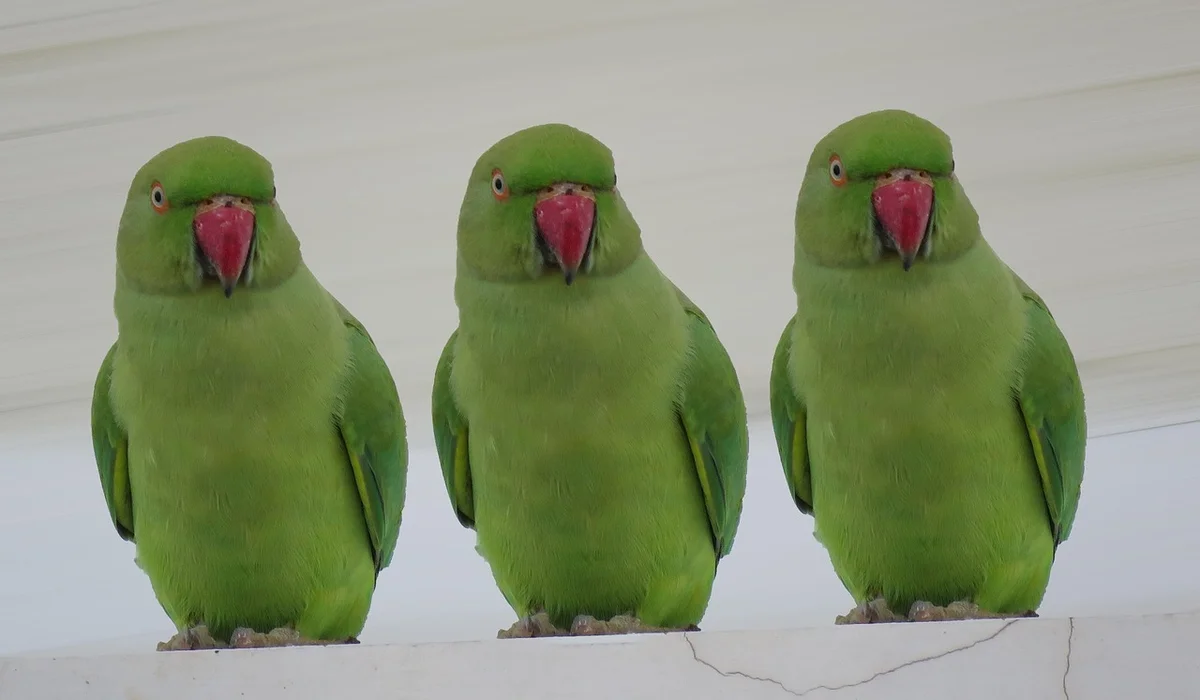
Quarantine: Your First and Most Critical Step
Before any introductions happen, your new bird needs a separate room for at least 30 days. This quarantine period is non-negotiable for protecting the health of your entire flock. I learned this the hard way when I brought home Kiwi without a proper quarantine; thankfully, it was just a minor respiratory issue, but it could have been much worse. You can read more about the quarantine period here.
Use this time for health monitoring and a vet visit.
- House the new parrot in a completely separate, well-ventilated room.
- Schedule a wellness check with an avian veterinarian to rule out contagious illnesses.
- Wash your hands thoroughly and change clothes after handling the new bird before visiting your existing parrots.
- Observe the new bird’s droppings, appetite, and energy levels daily.
Supervised Introductions and Gradual Socialization
Once the quarantine period is over and your vet gives the all-clear, you can begin the slow dance of introduction. Patience here is your greatest asset, turning a potentially stressful event into a positive experience. Start with their cages in the same room but at a comfortable distance.
- Neutral Territory Meetings: Allow the birds out of their cages in a neutral space, like a play stand neither claims. Keep these sessions short, around 10-15 minutes.
- Parallel Play: Engage them in separate but simultaneous activities, like eating treats or playing with different toys near each other. This builds positive associations.
- Observe Without Interference: Watch their interactions from a distance. Only step in if you see clear signs of aggression or extreme fear.
Reading Body Language and Communication Cues
Parrots speak volumes with their feathers and posture. Learning to read this silent language is the key to preventing misunderstandings and building trust. This approach is especially vital when building confidence in shy, traumatized parrots who need time and gentle, consistent support. With patience, I learn to read their cues and tailor interactions to help them trust again. My conure, Sunny, pinning her eyes was my first clue she felt threatened by a new toy, a signal I now watch for with new flock members.
- Relaxed and Curious: Softly fluffed feathers, gentle chirps, and a relaxed posture. This is a green light.
- Stressed or Anxious: Tightly pressed feathers, crouching low, constant fidgeting. Give them space.
- Aggressive or Threatened: Pinned eyes, raised neck feathers, beak snapping, and lunging. This is a definite red light to end the interaction.
Managing Behavior and Conflict Resolution
Identifying Early Signs of Aggression and Stress
Catching a problem early is far easier than breaking a bad habit. Constant squawking, food bowl guarding, and feather plucking can be early warnings of unresolved stress in a multi-bird home. My African Grey, Sage, started plucking a single feather when her cage was moved too close to a noisy newcomer.
- Food and Toy Guarding: A bird that lunges or screams when another approaches its prized possessions.
- Excessive Vocalization: Loud, persistent screaming that differs from their normal contact calls.
- Chasing: One bird relentlessly pursuing another, even without physical contact.
Strategies for Resolving Fights and Establishing Hierarchy
When a squabble turns into a fight, your calm intervention is needed. Never use your hands to break up a physical fight; instead, distract them with a loud noise or by throwing a towel near them. I keep a small spray bottle filled with just water for this exact purpose-a quick mist stops the action without harm.
- Provide Multiple Resources: Have several food bowls, water dishes, and favorite toys to minimize competition.
- Respect Their Space: If one bird consistently claims a certain perch, don’t force the other to share it. Allow a natural hierarchy to form as long as it’s not violent.
- Time-Outs are Effective: Calmly return a feisty bird to its cage for a brief, 5-minute cool-down period.
Monitoring and Adjusting Socialization Over Time
Your job isn’t over once they tolerate each other. Social dynamics in a parrot flock dynamics are fluid, requiring you to be an attentive observer for the long term. In a human household, that same vigilance helps you keep harmony as birds form bonds and rivalries. I still adjust cage placements and toy rotations for my three based on their changing moods and interactions.
- Schedule regular, short “family time” sessions to reinforce positive group dynamics.
- Be prepared to separate birds if a previously stable relationship suddenly sours.
- Watch for subtle changes in behavior during molting or hormonal seasons, as these can temporarily increase irritability.
Health and Safety in Multi-Parrot Environments
Tailoring Nutrition for a Flock
Feeding multiple parrots feels like running a tiny, feathered restaurant where everyone has a different order. My three—Kiwi, Sunny, and Sage—each have unique dietary needs despite sharing a home. I serve a base diet of high-quality pellets to everyone, but then customize with fresh veggies, fruits, and nuts based on individual requirements. These choices reflect parrot diet requirements across species and align with our complete feeding guide. They illustrate how to balance pellets with fresh produce for health, variety, and enrichment. For instance, my Green-cheeked Conure, Kiwi, gets more calcium-rich greens, while my Sun Conure, Sunny, needs extra vitamin A from sweet potatoes and carrots. My African Grey, Sage, thrives on puzzles that dispense her food to keep her brilliant mind busy.
I learned the hard way that some parrots, like Sunny, can be food bullies, hogging the best bits. To prevent squabbles and ensure everyone eats properly, I use separate feeding stations spaced well apart during meal times. This lets each bird dine in peace and allows me to monitor exactly who is eating what. It’s a simple step that has eliminated so much stress at dinner time. Avoiding common parrot feeding mistakes—like uneven portions and too-seed-heavy diets—keeps their guts happy. With consistent meal times and a varied menu, we head off most nutrition problems before they start.
Creating a Safe, Injury-Free Space
Parrot-proofing a single bird’s area is one thing; securing a space for multiple parrots is a whole new level. I’ve had to think like a feathered traffic controller. Ensure all perches, toys, and play gyms are securely anchored and spaced to prevent mid-air collisions and territorial disputes over prime spots. I avoid placing perches directly above food bowls or other birds to minimize “bombing” incidents. In a complete parrot-safe bird room design guide, these ideas become the backbone of layout decisions. They translate into practical room-by-room plans, from perch placement to toy zoning.
Vigilance is your best tool. Never leave parrots with different sizes or temperaments together unsupervised, especially during initial introductions. My spirited Sunny could unintentionally injure smaller Kiwi with a single chomp. I also keep a close eye on toy destruction; a frayed rope or splintered wood can become a hazard in seconds. Regular “safety sweeps” of the room are a non-negotiable part of my daily routine.
Proactive Health Monitoring and Emergency Readiness
In a multi-bird home, an illness can spread frighteningly fast. I perform a quick visual health check on each of my parrots every morning during out-of-cage time, looking for bright eyes, clean feathers, and normal droppings. This is especially important because different species can be susceptible to various health issues, so knowing what to watch for helps in early detection and prevention. Catching a sign of illness early in one bird can protect the entire flock.
Beyond daily checks, I’m a stickler for annual vet exams for everyone. Establish a relationship with an avian vet before you have an emergency, and keep a well-stocked first-aid kit handy at all times. Mine includes styptic powder, gauze, a small carrier for transport, and my vet’s emergency number on speed dial. Knowing what “normal” looks and sounds like for each of your individual birds is the first line of defense.
Long-Term Care and Enrichment Strategies
Keeping Multiple Minds Engaged and Happy
Boredom is the enemy of a harmonious parrot flock. A bored parrot is often a destructive or noisy parrot. I rotate a wide variety of enrichment toys to keep my flock’s brains and beaks busy, focusing on foraging, shredding, and puzzle-solving types. Kiwi adores foraging boxes filled with crinkly paper and hidden treats, while Sage prefers complex puzzle toys that challenge her intelligence.
Enrichment isn’t just about toys. Schedule daily, interactive play sessions with each parrot, both individually and as a group, to strengthen your bond and provide essential mental stimulation. We have “group training” where they all practice simple commands for a reward, which builds positive associations with being together.
Smart Habitat Sharing and Separate Spaces
Even the best of feathered friends need a break from each other. While my parrots share a large, supervised play gym, each one has their own designated cage that is their private, safe territory. This is non-negotiable. A cage is a parrot’s bedroom, and everyone deserves a space that is entirely their own.
Watch your flock’s body language closely. Be ready to provide separate areas immediately if you see signs of tension like pinned eyes, raised feathers, or persistent chasing. Sometimes, just moving a favorite toy or perch can diffuse a brewing argument. I’ve found that having multiple food and water stations around the room also reduces competition and stress.
Adapting to Your Flock’s Evolving Dynamics
Parrot relationships aren’t static; they change over time, much like human ones. Be prepared to adjust your routines, cage arrangements, and interaction styles as your parrots age and their social bonds shift. When I first introduced Sunny, she was timid, but now she’s more confident, which changed the whole group’s pecking order.
Your role as the flock leader is constant. Continuously observe and learn the unique personality of each bird, intervening with gentle guidance when needed to maintain a peaceful and stimulating environment for all. What worked for my flock a year ago doesn’t always work today, and that’s okay. Staying flexible and attentive is the key to long-term success.
FAQs
How long should the introduction process take before birds can be left unsupervised together?
The timeline varies based on individual bird personalities and their comfort levels. Always wait until they show consistent peaceful interactions and no signs of aggression before allowing unsupervised time.
Can I keep parrots of vastly different sizes together, like a macaw and a cockatiel?
This is not safe due to the high risk of injury from accidental or intentional harm. It’s best to house birds of similar sizes to ensure everyone’s well-being.
What should I do if my existing parrot shows signs of jealousy after introducing a new one?
Provide extra individual attention and maintain separate resources to prevent competition. Use positive reinforcement and gradual socialization to help them adjust without feeling threatened.
In Closing
Success with multiple parrots boils down to pairing compatible personalities and taking introductions at a snail’s pace. Start with separate cages, supervise every interaction, and let their body language—not your schedule—dictate the speed of their budding friendship. For Quaker parrots, bonding and taming rely on steady socialization tips. Keep sessions calm, brief, and full of positive reinforcement.
Your commitment to learning doesn’t end here; it’s the very foundation of providing a safe and enriching life for your flock. Keep exploring resources like {website_name}, connect with experienced owners, and always listen to what your feathered family is telling you.
Further Reading & Sources
- Multi-species Home | World Parrot Trust
- Managing A Multiple Bird Household
- Multi-zon households? | Parrot Forum 🦜 Parrot Owners Community
Suzanne Levine is a dedicated parrot enthusiast and experienced avian caregiver with over 15 years of hands-on experience in parrot care. As the founder of Parrot Care Central, Suzanne is passionate about sharing her knowledge and insights to help fellow parrot owners provide the best possible care for their feathered friends. Her expertise spans nutrition, behavior, health, and enrichment, making her a trusted resource in the parrot care community.
Socialization