
How to Safely Take Your Pet Parrot Outside
Published on: March 25, 2026 | Last Updated: March 25, 2026
Written By: Suzanne Levine
You want to share the great outdoors with your parrot, but the fear of them flying away or facing dangers can hold you back.
I’ve navigated these worries firsthand with my parrots-Kiwi’s curiosity, Sunny’s social energy, and Sage’s calm intelligence all taught me vital lessons.
This guide breaks down the essentials into three key areas:
- Mastering harness training to prevent escapes
- Picking safe locations that reduce stress and risks
- Spotting hazards early to keep your bird protected
You’ll find straightforward steps to build confidence, covering harness training, outdoor safety, weather checks, emergency prep, and bonding perks.
Why Parrot Safety is Key for Outdoor Adventures
Taking your parrot outside opens up a world of sensory joy for them, but it also opens a door to potential dangers I’ve learned to respect deeply. That awareness guides me to create a safe, stimulating indoor flight environment for your parrot. Inside, a well-planned space with perches, toys, and supervised flights helps keep their flight skills sharp and curiosity engaged.
From the sheer panic of a sudden gust of wind to the silent approach of a neighborhood cat, the outdoors demands your full attention and a well-considered plan.
- The pure delight of feeling real sunlight and a gentle breeze is something my conure, Kiwi, visibly revels in; his feathers fluff up, and he lets out soft, happy chirps I only hear during these outings.
- My sun conure, Sunny, becomes incredibly social outside, trying to call out to every bird that flies by, which is adorable but also a reminder of their strong flocking instincts.
- I once saw my African Grey, Sage, freeze completely, focusing on a hawk circling high above-a stark reminder that their instincts are always on, even when they feel safe with you.
Supervision isn’t just about watching them; it’s about actively reading their body language and anticipating their reactions to an unpredictable environment.
Gradual exposure is the only way to build a foundation of trust and confidence, both for you and your bird. Start with just a few minutes in a completely enclosed porch or by a screened window.
Step-by-Step Harness Training for Your Parrot
Harness training requires immense patience, but the reward of safe, leash-bound adventures is absolutely worth the effort.
Rushing this process will only create fear and set your training back by weeks, so let the parrot set the pace for every single step. In positive reinforcement training for parrots, you reward small, voluntary steps. This builds trust and keeps training enjoyable.
Here is a gradual daily process that worked for my flock:
- Familiarization Week: Leave the harness near their play stand for a few days. Let them investigate it on their own terms. Offer a favorite treat whenever they show curiosity toward it.
- Target Training: Use a target stick to guide your parrot’s head through the larger neck loop while the rest of the harness is still open. Reward heavily with a high-value nut or piece of fruit.
- Brief Contact: Once they are comfortable putting their head through, fasten the clasp for just one second, then immediately remove it and give a treat. Do not move to the next step until this is completely stress-free.
- Increasing Duration: Slowly increase the time the harness is fastened, from 5 seconds to 30 seconds, to a full minute, all while you are interacting and playing with them to create positive associations.
- Leash Attachment: Attach the leash while indoors and let them drag it around under your watchful eye so they get used to the slight weight and feel.
- First Controlled “Walk”: Hold the leash indoors and guide them with a target stick for short distances, rewarding them for moving with you.
Pair harness training with recall, using a consistent cue like “come” and rewarding them lavishly every single time they fly to your hand.
If your parrot shows resistance or fear, immediately go back to the last step they were comfortable with. For Sage, this meant spending nearly a week just touching the harness to his back without even trying to put it on. That same patient approach also applies to harness and leash training. With time, your parrot can learn to wear the harness and explore on a leash under your guidance.
Never force the harness; you are building a partnership based on trust, not issuing a command that must be obeyed.
Essential Gear for Safe Outdoor Excursions
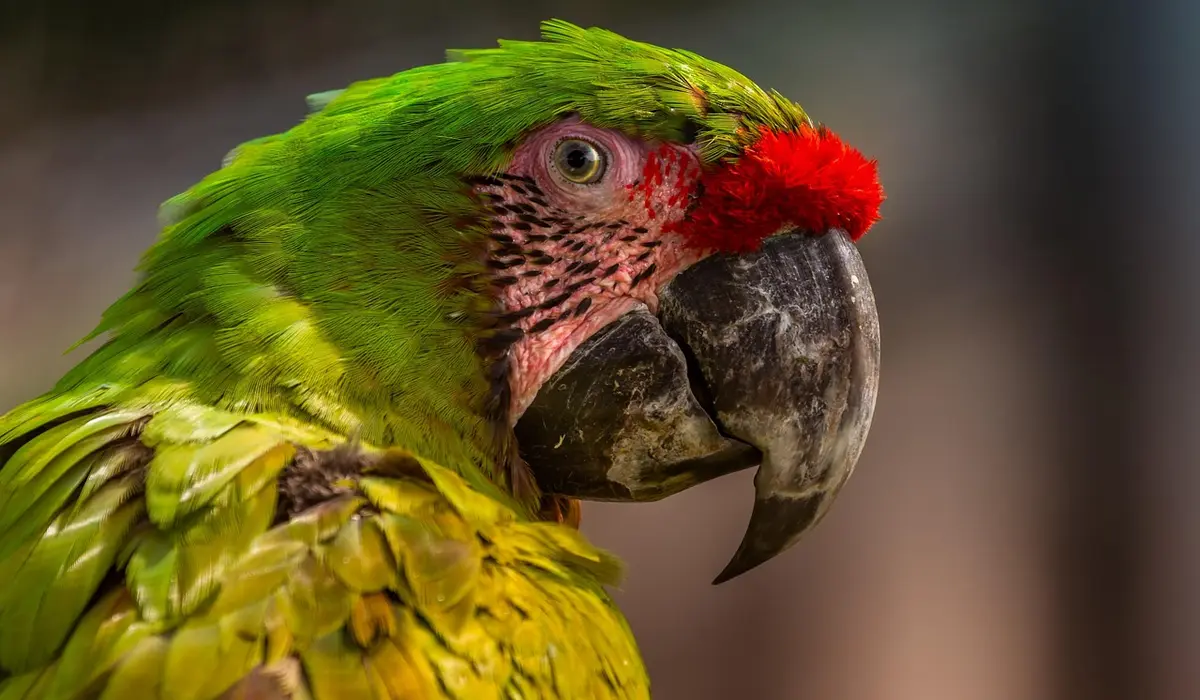
Having the right gear makes all the difference in keeping your feathered friend secure and happy outside. I learned this the hard way with Kiwi, my playful Green-cheeked Conure, who once slipped out of a poorly fitted harness-thankfully, we were in a safe area.
- Parrot harnesses: Opt for adjustable, escape-proof designs that distribute pressure evenly; my Sun Conure Sunny prefers soft, padded ones for comfort.
- Secure leashes: Choose lightweight, non-chewable materials like stainless steel clips to prevent breakage during sudden tugs.
- Bird carriers: Look for ventilated, easy-to-clean carriers with secure locks; I use a compact one for Sage, my African Grey, to reduce stress during travel.
When picking break-away toys and perches, focus on items that detach safely if your bird gets tangled. I always test toys by gently pulling on them to ensure they release under light pressure, which saved Kiwi from a scare with a dangling bell.
To check gear durability and fit, start by inspecting seams and fasteners for weak spots. Fit the harness snugly but allow two fingers to slide under it, and watch for any rubbing or discomfort-my parrots let me know with subtle body language if something’s off.
Weather and Environmental Protection Tips
Weather can turn a fun outing risky if you’re not prepared, so always prioritize your parrot’s comfort. On hot days, I bring a small spray bottle for misting and a collapsible water dish, as Sunny dehydrates quickly in direct sun. Parrots generally thrive within an ideal temperature range of about 65-80°F (18-27°C). Sudden changes can stress them.
- Sun protection: Use portable shades or UV-blocking avian tents; I’ve seen Kiwi perk up instantly when moved to a cool, shaded spot.
- Hydration: Offer fresh water frequently and include juicy fruits like cucumber slices to boost fluid intake.
- Shade access: Plan stops under trees or bring a lightweight umbrella for sudden sun exposure.
Wind protection is crucial-strong gusts can startle birds or cause feather damage. I schedule outings in early morning when winds are calm, and Sage’s calm demeanor shows she appreciates the quieter environment.
Watch for signs of overheating or stress, like panting, lethargy, or fluffed feathers. If your parrot stops vocalizing or tries to hide, it’s time to head indoors immediately-this quick action prevented heat stress in Kiwi during a summer picnic.
Health Precautions Before Heading Out
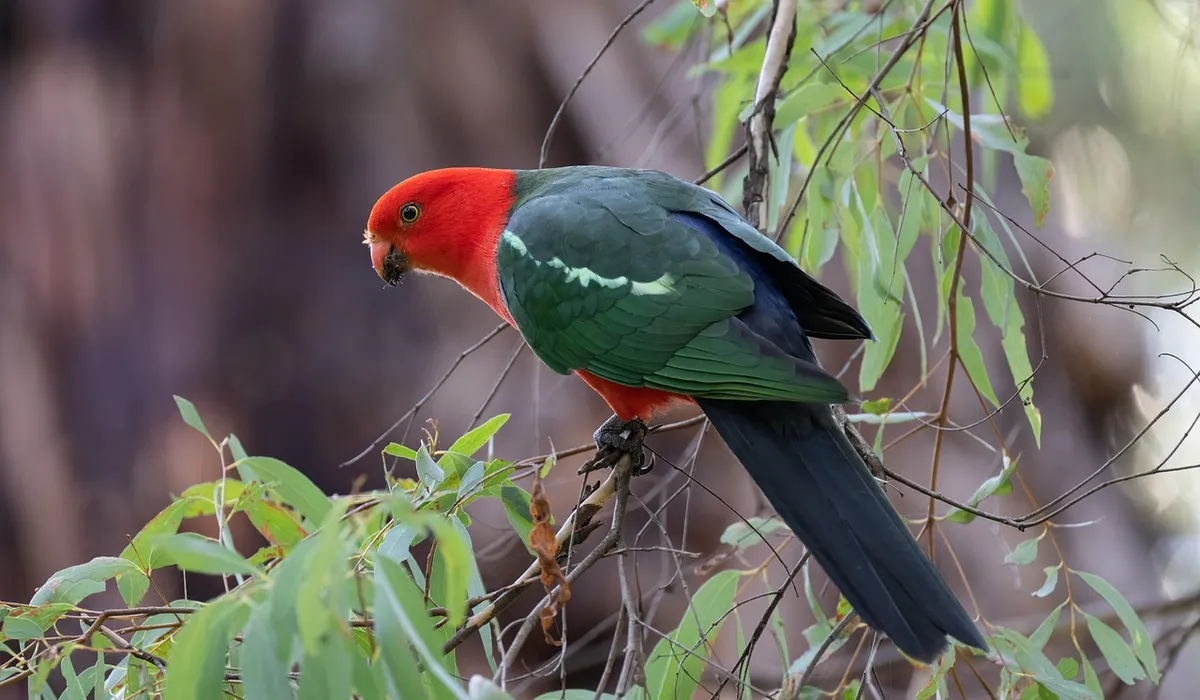
Before you even think about stepping outside, a thorough vet check is non-negotiable for your parrot’s safety. I make it a point to get my birds, like my Green-cheeked Conure Kiwi, an annual wellness exam to ensure they are fit for the new stimuli and potential stressors of the outdoors. These visits are a cornerstone of parrots’ preventative care guide, underscoring why regular checkups matter. They also help tailor ongoing plans for diet, environment, and enrichment to keep your bird thriving.
- Schedule a comprehensive avian vet visit to assess overall health, weight, and organ function.
- Discuss and administer safe, vet-recommended parasite prevention for mites, lice, and worms.
- Request blood tests to uncover any hidden illnesses that could be worsened by outdoor stress.
Toxin awareness is your best defense against accidental poisoning in parks and backyards. I learned this the hard way when my curious Sun Conure, Sunny, tried to nibble on a treated plant; now I’m hyper-vigilant.
- Identify and avoid areas recently sprayed with pesticides, herbicides, or chemical fertilizers.
- Memorize a list of common toxic plants like oleander, azalea, and lilies that could be in a garden.
- Keep your parrot away from standing water, puddles, and soil that may contain bacteria or heavy metals.
Your decision on wing clipping profoundly impacts your outdoor safety strategy and your bird’s quality of life. My African Grey, Sage, is fully flighted, which demands a different level of vigilance than my clipped birds. In a flight vs clip deep dive, we weigh safety, enrichment, and responsibility from a seasoned parrot owner’s perspective. This helps you make informed choices for your own bird.
- A proper, conservative clip by an expert can prevent lift-off but still allows for safe, controlled gliding to the floor.
- An unclipped, flighted parrot can escape in a split second, so harness training is absolutely essential.
- Consider your parrot’s individual personality; a nervous bird might panic and injure itself whether clipped or not.
Creating a Secure Outdoor Space
Choosing the right location is the first and most critical step to a successful outdoor trip. I always scout the area first without my birds to look for hidden dangers.
- Select a fully enclosed space like a screened porch or a dedicated aviary for the highest level of security.
- Avoid areas with overhead wires, dense tree canopies that hide predators, and loud, sudden noises.
- Ensure the ground is clean and free of sharp objects, ant hills, or other small insect nests.
Constant, undivided supervision is the golden rule, and a secure leash is your physical tether to safety. I never take my eyes off my parrots, even for a moment, when we are outside together.
- Use a properly fitted avian harness, not a leg leash, to distribute pressure safely and prevent injury.
- Practice using the harness indoors for weeks until your parrot is completely comfortable before going outside.
- Stay within arm’s reach so you can quickly scoop up your bird if it gets spooked by a dog, hawk, or loud noise.
Perch training builds confidence and gives your parrot a designated safe spot, drastically minimizing escape risks. I trained Sunny to fly to a specific portable perch on command, which gives me immense peace of mind.
- Start by teaching a solid “step-up” command and reward with a high-value treat every single time.
- Introduce a travel perch or a small play stand indoors, making it a fun and rewarding place to be.
- Gradually move training sessions outdoors to a secure area, reinforcing the behavior in the new environment.
FAQs
How do I ensure my parrot doesn’t get stressed during outdoor trips?
Start with brief, frequent outings in quiet areas to help your parrot adjust gradually. Bring familiar toys or perches to create a comforting environment and reduce anxiety. Use these outings to implement routine training and address common behavioral issues. Short, consistent training sessions during outings can reinforce calm behavior and improve communication.
What should I do if my parrot escapes while outside?
Stay calm and use recall training with a favorite treat or sound to encourage your parrot to return. Immediately alert others nearby and search the area while keeping noise levels low to avoid further startling your bird. Then begin indoor proofing: gradually increase distance and add gentle distractions. This advanced recall training helps verify your parrot’s flight skills indoors in a safe, controlled setting.
Can I take my parrot outside in winter, and what precautions should I take?
Yes, but limit time outside to short intervals and avoid cold, wet, or windy conditions. Use a bird-safe carrier or sweater for warmth, and watch for signs of discomfort like shivering or fluffed feathers.
Closing the Loop
Keeping your feathered friend safe outdoors boils down to a few non-negotiable rules: always use a proper harness or a secure travel carrier, remain hyper-aware of your surroundings for predators and startling noises, and never leave your parrot unattended, even for a moment. Your parrot’s safety is a direct result of your constant vigilance and preparation. If your parrot escapes, stay calm, approach slowly, and use a familiar cue to safely catch your escaped pet parrot. Having a plan and practicing recall in a safe area can further prepare you for such moments.
Remember, being a fantastic parrot guardian is a journey of lifelong learning and adaptation. Your commitment to understanding their unique needs and behaviors is what builds an unbreakable bond of trust and security. Stay curious, keep learning, and always put your parrot’s welfare first. Try bonding techniques that work—gentle, consistent interactions and positive reinforcement. With patience and regular practice, you’ll build lasting trust and a deeper bond with your parrot.
Further Reading & Sources
- Outdoor Parrot Aviary | Parrots | Guide | Omlet US
- Outdoor Safety
- Designing An Outdoor Parrot Flight or Aviary – Hagen Avicultural Research Institute
Suzanne Levine is a dedicated parrot enthusiast and experienced avian caregiver with over 15 years of hands-on experience in parrot care. As the founder of Parrot Care Central, Suzanne is passionate about sharing her knowledge and insights to help fellow parrot owners provide the best possible care for their feathered friends. Her expertise spans nutrition, behavior, health, and enrichment, making her a trusted resource in the parrot care community.
Travelling with Parrots