
Flight vs. Clip: A Guide for Responsible Parrot Owners
Published on: February 21, 2026 | Last Updated: February 21, 2026
Written By: Suzanne Levine
Deciding whether to let your parrot fly freely or trim their wings is one of the most challenging and emotional choices you’ll make as a bird owner.
I’ve lived with both flighted and clipped birds, from my energetic Green-cheeked Conure, Kiwi, to my wise African Grey, Sage. I understand the weight of this decision and I’m here to help you navigate it with confidence.
We will break down this complex topic by focusing on three key areas:
- The direct impact on your parrot’s physical health and mental well-being.
- How flight affects behavior, from bonding to potential frustration.
- Practical safety considerations for your home environment.
By the end of this article, you will have a clear, personalized perspective to make the most compassionate choice for your feathered friend.
The complete topics we will cover are: Understanding Natural Flight, The Pros and Cons of Clipping, Safety and Training for Flighted Birds, The Clipping Procedure and Ethics, and Making Your Final Decision.
What Wing Clipping and Free Flight Really Mean for Your Parrot
Wing clipping involves trimming specific flight feathers to limit a parrot’s ability to fly fully. This practice can make daily handling easier and reduce escape risks in unsafe environments. I’ve done this with Kiwi when she was younger to keep her from crashing into windows. To do this safely, have a vet or experienced avian professional show you the correct technique and which feathers to trim. If you clip at home, follow veterinary guidance and monitor your parrot for any signs of stress or discomfort.
Free flight means allowing your parrot to fly without restrictions, often through training in secure spaces. It lets them express natural behaviors like soaring and exploring, which I’ve seen boost Sage’s confidence immensely. My green-cheeked conure, Kiwi, now enjoys short free flights in our bird-proofed room.
Each option impacts your parrot’s life in big ways. Clipping might feel like a quick fix, but it can lead to frustration and reduced muscle tone over time. I noticed Sunny seemed less energetic when her wings were clipped. Common health issues—such as respiratory infections, obesity, and nutritional deficiencies—can also affect a parrot’s lifespan if not addressed. Monitoring weight, breathing, and overall energy helps catch these problems early.
- Wing clipping: Limits mobility, can cause stress if done improperly, and may affect social interactions.
- Free flight: Encourages exercise, mental stimulation, and strengthens the bond through trust-based training.
Weighing the Pros and Cons: Safety, Health, and Happiness
Safety Considerations
Clipped wings lower the chance of your parrot flying into hazards like ceiling fans or open doors. This approach helped me manage Kiwi’s curious nature in a busy household. Like any method, wing clipping has pros and cons that are worth considering. If you’re exploring safer options, wing clipping safety and alternatives include harness training, supervised free flight in a secure area, or a well-enclosed space with enrichment.
- Pros of clipping: Reduces indoor flight risks and makes retrievals easier if they wander.
- Cons of clipping: Can leave parrots vulnerable to falls or predators if they slip outside.
Health Impacts
Flight is vital for cardiovascular health and weight management in parrots. Regular flying keeps their muscles strong and prevents obesity, something I’ve monitored closely with Sage. Clipping might lead to atrophy or joint issues from lack of use. To tell if your bird is overweight, check for a rounded chest and a less defined waist when viewed from above. Regularly weighing your parrot and tracking trends can guide diet and exercise adjustments for weight management.
- Pros of free flight: Boosts physical fitness and reduces stress-related behaviors.
- Cons of free flight: Requires vigilant supervision to avoid injuries from collisions.
Happiness and Behavior
Parrots thrive on mental enrichment and social engagement. Free flight often results in a more content and playful bird, like how Sunny’s chirps became more frequent after we started flight sessions. Clipping can cause boredom or depression if they can’t engage fully with their surroundings.
- Pros of free flight: Enhances mood and strengthens your bond through interactive play.
- Cons of clipping: May lead to behavioral issues like feather plucking or increased vocalization from frustration.
How Flight or Clip Shapes Your Parrot’s Behavior and Bonding
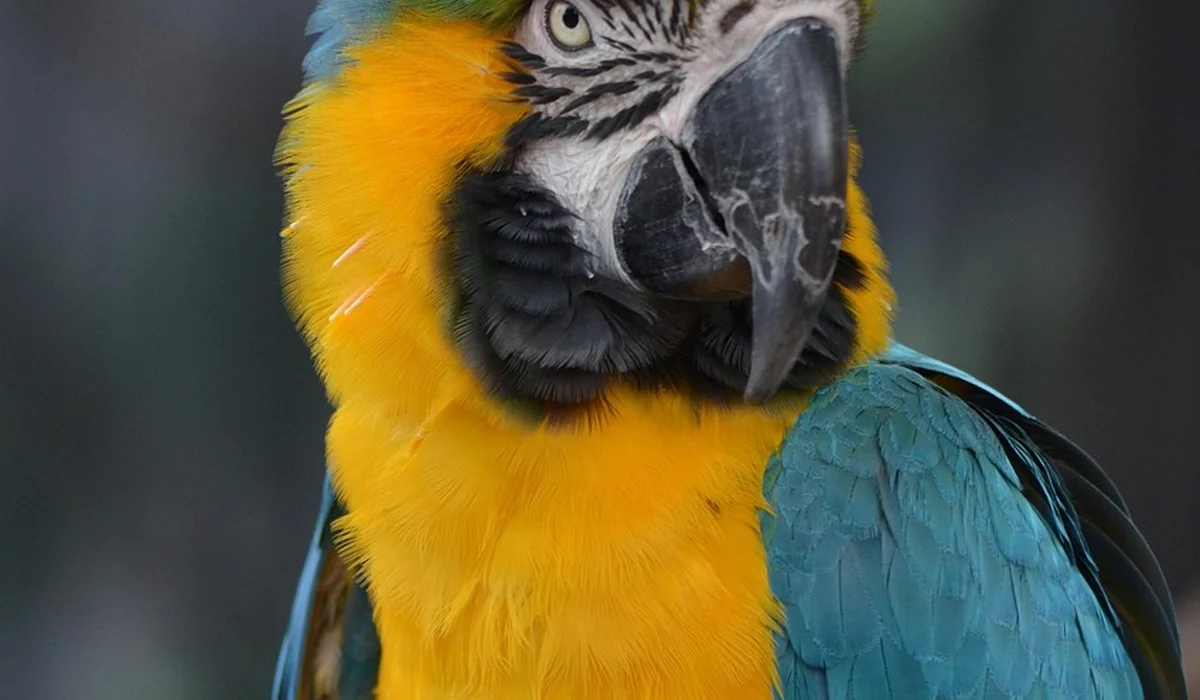
When my Green-cheeked Conure Kiwi first learned to fly freely, her playful curiosity soared-literally. Flighted parrots often develop stronger confidence and reduced stress because they can express natural instincts. They explore their environment, which builds trust with you through shared adventures.
Clipped wings, on the other hand, can make birds like my Sun Conure Sunny more dependent on human interaction. This reliance might strengthen bonding in the short term but can lead to frustration or feather-plucking if their needs aren’t met. I’ve noticed clipped parrots may become less active, affecting their overall mood. To stop my parrot from plucking its feathers, I focus on meeting his behavioral and environmental needs. Enrichment, consistent routines, and regular veterinary checks help keep him calmer and reduce the urge to pull at his feathers.
- Flight encourages exercise and mental stimulation, reducing behavioral issues like screaming.
- Clipping might increase clinginess but requires extra attention to prevent boredom.
- Bonding deepens with flight through mutual trust during free-flying sessions.
From raising Sage, my African Grey, I’ve seen that flighted parrots often problem-solve better. Their ability to move freely supports cognitive health and enriches your relationship. Always prioritize their welfare by observing how each choice impacts their unique personality.
Training for Safe Flight and Smart Alternatives to Clipping
Training Kiwi for safe flight started with simple recall exercises in a secure room. Begin with short distances and use positive reinforcement like treats to build reliability. This method teaches your parrot to return to you voluntarily, reducing risks. After building reliability at short distances, you can progress to advanced recall training to proof your parrot’s flight indoors, gradually adding distractions. This approach helps ensure Kiwi’s responses remain reliable in real home environments.
If clipping isn’t your preference, consider harness training or creating a bird-safe zone. Harnesses allow outdoor experiences without permanent wing alterations, which I’ve used successfully with Sunny. It takes patience but preserves their natural abilities.
- Set up a safe training area free of hazards like open windows or fans.
- Practice recall commands daily, rewarding each successful return.
- Introduce a harness gradually, letting your parrot get used to the feel.
- Use perches and toys to encourage flight exercise indoors.
For parrots who can’t fly due to health issues, focus on ground-based enrichment. Interactive toys and foraging games keep their minds sharp and strengthen your bond through shared activities. My experience with Sage shows that even non-flighted birds thrive with creative alternatives.
Making Your Choice: A Responsible Parrot Owner’s Action Plan
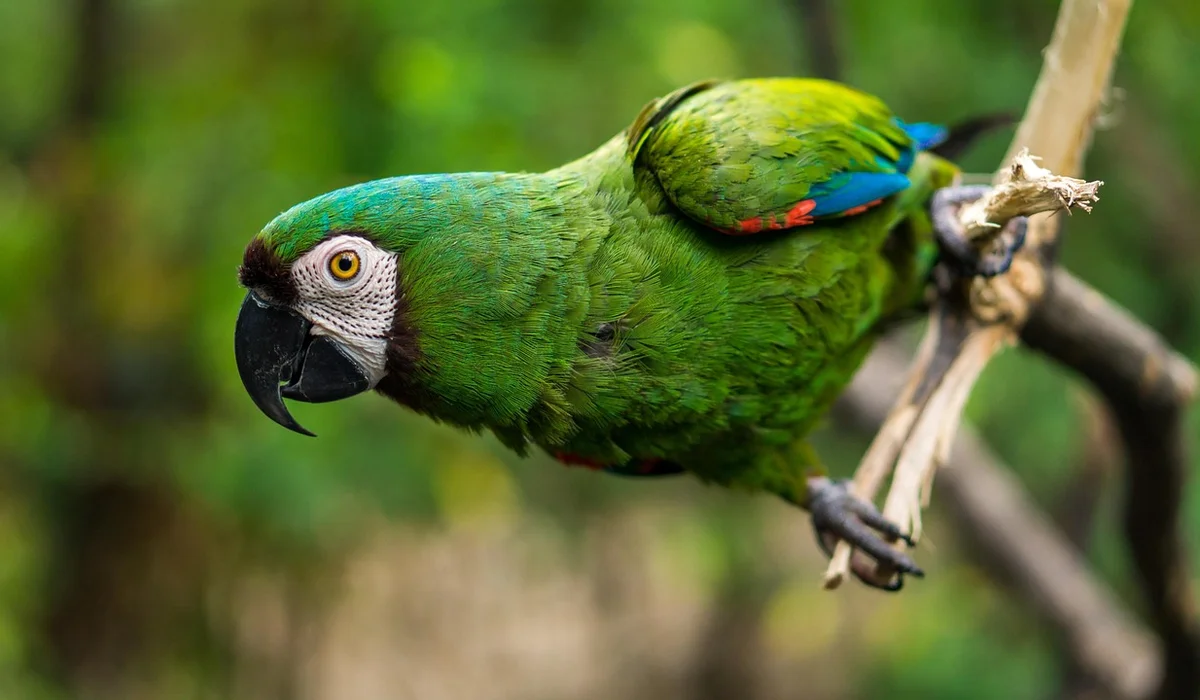
Deciding between flight and wing clipping feels overwhelming, but breaking it down into clear steps makes it manageable. Your parrot’s well-being depends on a choice that fits their unique personality and your daily life. Whether you clip or allow flight, you can still create a safe, stimulating indoor flight environment for your parrot. This space supports safe exercise, mental engagement, and ongoing bonding. I’ve navigated this with my own flock, and a thoughtful approach prevents regrets.
Step 1: Assess Your Parrot’s Personality and Species Traits
Start by observing your bird’s natural behaviors and energy levels. High-flyers like my Sun Conure, Sunny, thrive on social interaction and need more space to express their zest. In contrast, my African Grey, Sage, enjoys mental puzzles over constant movement. List your parrot’s key traits to guide your decision.
- Active, playful birds (e.g., conures) often benefit from flight for exercise and enrichment.
- Calmer, intelligent species (e.g., African Greys) might do well with clipped wings if provided ample mental stimulation.
- Consider age: younger parrots adapt to flight training faster, while older ones may need gradual adjustments.
Step 2: Evaluate Your Home Environment for Safety
Your living space plays a huge role in this choice. A safe flight zone means no open windows, ceiling fans, or toxic plants within reach. When I first let Kiwi, my Green-cheeked Conure, fly freely, I had to bird-proof every room to avoid accidents. Check these factors to ensure your home supports your decision.
- Measure room sizes: larger areas reduce collision risks during flight.
- Identify hazards: secure cords, cover mirrors, and remove small objects that could be chewed or swallowed.
- Plan for emergencies: have a net or carrier ready for quick captures if needed.
Step 3: Gauge Your Commitment to Training and Supervision
Flight requires consistent training to build trust and recall skills. Clipping might seem easier, but it demands extra effort to prevent boredom and encourage movement. With Sage, I spent weeks on recall training before allowing full flight, and it strengthened our bond immensely. Be honest about the time you can dedicate.
- For flight: practice short, supervised sessions daily to teach commands like “come” or “perch.”
- For clipping: incorporate ground-based play, like foraging toys, to keep your parrot active and engaged.
- Monitor behavior changes: clipped birds may become frustrated, so watch for signs like feather plucking.
Step 4: Weigh Health and Welfare Impacts
Both options affect physical and mental health, so prioritize your parrot’s long-term happiness. Flight promotes cardiovascular fitness and reduces obesity, while clipping can lower injury risks in unsafe homes. I’ve seen Kiwi’s curiosity soar with flight, but clipping helped Sunny avoid kitchen dangers. Regular weight checks help keep your bird in a healthy range and prevent obesity. Pair exercise with a vet-approved diet to support weight management. Balance pros and cons based on research and vet advice.
- Health benefits of flight: stronger muscles, better coordination, and stress relief.
- Risks of clipping: potential for weight gain, joint issues, or psychological distress if not managed.
- Consult an avian vet: they can assess your parrot’s specific needs and recommend the safest path.
Step 5: Make a Trial Decision and Adjust as Needed
Start with a short-term plan and observe how your parrot responds. Flexibility is key – what works today might need tweaking as your bird grows or your routine changes. I initially clipped Sunny’s wings but switched to flight after seeing her social needs. Routine training can help address behavioral issues by reinforcing calm behaviors and predictable responses. Pair daily, short training sessions with a consistent routine to reinforce expectations and prevent problem behaviors. Keep a journal to track progress and setbacks.
- Try a partial clip first: it allows some flight control while reducing full-range risks.
- Set a review date: reevaluate your choice in a month to see if it’s still the best fit.
- Involve family members: ensure everyone follows the same safety and training protocols.
FAQs
In what contexts are the terms flight and clip used?
In parrot care, flight describes a bird’s natural ability to fly freely, while clip refers to trimming wings to limit flight. Outside this niche, flight often denotes air travel in aviation, and clip can mean a short video segment in media or a fastener in manufacturing.
How do the meanings of flight and clip differ across industries?
In aviation, flight signifies a journey by air, whereas in parrot ownership, it emphasizes physical movement and behavior. Clip in fashion might refer to hair or accessory trimming, but in bird care, it specifically involves feather cutting for safety or control.
Are flight and clip related concepts in any domains?
In parrot training, flight and clip are interconnected through behavior management, as clipping can influence a bird’s flight capabilities. In technology, they might relate in video editing, where a clip could depict a flight scene, but this is not directly tied to avian care.
Final Thoughts
Your choice between flight and clip isn’t a simple right or wrong answer; it’s a deeply personal commitment based on your home’s safety, your bird’s personality, and your ability to provide constant supervision. From my experience with my own flock, a flighted bird needs an immense amount of space and enrichment to thrive safely, while a clipped bird requires even more hands-on interaction to stay happy and healthy.
Owning a parrot is a lifelong journey of learning and adapting, and your bird’s needs may change as they grow and as your life evolves. I encourage you to keep researching, consult with avian vets, and always put your feathered friend’s physical and emotional welfare at the heart of every decision you make for them.
Further Reading & Sources
- Wing Clipping and Flight Education for Bird People! – Parrot Volancy
- Wingclipping Yes or No – Northern Parrots
- Clipping and Trimming | The Aviator Harness
Suzanne Levine is a dedicated parrot enthusiast and experienced avian caregiver with over 15 years of hands-on experience in parrot care. As the founder of Parrot Care Central, Suzanne is passionate about sharing her knowledge and insights to help fellow parrot owners provide the best possible care for their feathered friends. Her expertise spans nutrition, behavior, health, and enrichment, making her a trusted resource in the parrot care community.
Feather Care