
How to Safely Catch an Escaped Pet Parrot
Published on: March 13, 2026 | Last Updated: March 13, 2026
Written By: Suzanne Levine
If your pet parrot has escaped, you’re likely filled with panic about their safety and how to bring them back without harm. I’ve been there myself when Kiwi, my playful Green-cheeked Conure, once darted out an open door, and that heart-pounding moment taught me valuable lessons.
I’ll walk you through proven methods to handle this situation calmly and effectively. Here are the core strategies that make all the difference:
- Stay calm to prevent scaring your parrot further, as panic can send them flying farther away.
- Use their favorite treats or familiar sounds to gently lure them back, building on trust you’ve already established.
- Create a safe, controlled environment to encourage landing, reducing risks of injury or stress.
You’ll find straightforward steps to follow, ensuring your parrot’s welfare comes first. Topics covered: staying calm, using lures, safe handling, preventing escapes, and post-rescue care.
Stay Calm and Secure the Area
Your calm energy is contagious, and a panicked owner makes a panicked parrot. I learned this the hard way when my Green-cheeked Conure, Kiwi, got spooked and flew off during a routine cage cleaning.
- Speak in a soft, soothing voice, using the same gentle tones you’d use during a calm training session.
- Avoid any sudden movements or loud noises that could startle the bird and send it flying into a window or wall.
- Immediately close all windows and exterior doors to cut off any major escape routes to the outside world.
- Close interior doors to confine the parrot to a single, manageable room, making the recovery process much simpler.
- Take a quiet moment to assess exactly where your parrot has landed and observe its body language-is it curious, frightened, or alert?
Why Patience is Your Best Tool
Rushing the process almost guarantees a longer, more stressful ordeal for both of you. I once tried to quickly scoop up my Sun Conure, Sunny, and only succeeded in scaring her into a high curtain rod for three hours.
- Moving too fast can cause your parrot to flap wildly, potentially leading to wing injuries or crash landings.
- A frantic chase reinforces fear, teaching your bird that your approaching hands are something to be avoided.
- Dim the lights in the room to create a more serene, nest-like atmosphere that encourages settling down.
- Turn off televisions, music, and loud appliances to minimize auditory stress and help your parrot focus on your calm presence.
Quick Safety Checks
A swift safety sweep can prevent a scary situation from becoming a tragic one. Parrots are masters of finding hidden dangers.
- Scan the room for spinning ceiling fans and immediately turn them off.
- Check for other household pets, like cats or dogs, and gently escort them to another room.
- Look for open containers of water, such as toilets or fish tanks, which pose a drowning risk.
- Ensure your own movements are slow and predictable, approaching from the side rather than head-on to appear less like a predator.
Lure Your Parrot Back with Treats and Familiar Items
A well-placed treat can be more powerful than any net or grasping hand. My African Grey, Sage, will do almost anything for a piece of walnut, which has saved the day more than once.
- Place your parrot’s main cage in the room with the door wide open, as it represents a familiar and safe territory.
- Use a favorite perch or play stand as a designated “landing zone” that your bird recognizes and trusts.
- Hold your ground and be patient, letting the parrot come to the lure on its own terms without pressure.
High-value foods are your secret weapon for convincing a nervous bird to take a chance. I always keep a stash of these for training and emergencies.
- Shelled nuts like walnuts, almonds, or pecans
- Small pieces of sweet fruit, such as mango, apple, or berries
- Spray millet, a classic parrot favorite that’s hard to resist
- A tiny bit of cooked pasta or a piece of whole-grain toast
Using Perches and Toys to Gain Trust
Familiar objects act as bridges of trust when your parrot is feeling unsure. I’ve used Kiwi’s favorite rope perch to guide him down from bookshelves countless times.
- Slowly introduce a familiar wooden perch or a dowel, offering it as a stable place for your parrot to step onto.
- Gently present a beloved toy, like a bell or a shreddable item, to pique curiosity and draw your bird closer to you.
- Build confidence by offering quiet, verbal praise the moment your parrot shows any interest in the object or takes a step toward it.
Step-by-Step Treat Luring
This method turns a recovery mission into a positive reinforcement game. It requires you to be still and let the treats do the talking.
- Place a few high-value treats in a very visible spot, like on top of the open cage door or on a nearby table.
- Sit or stand a few feet away, remaining perfectly quiet and still to avoid being perceived as a threat.
- Avoid direct, staring eye contact, which birds can interpret as aggressive; instead, glance sideways or watch from your periphery.
- Wait. Your patience will signal to your parrot that the area is safe and the reward is worth the risk.
Strategies for Catching an Outdoor Escapee
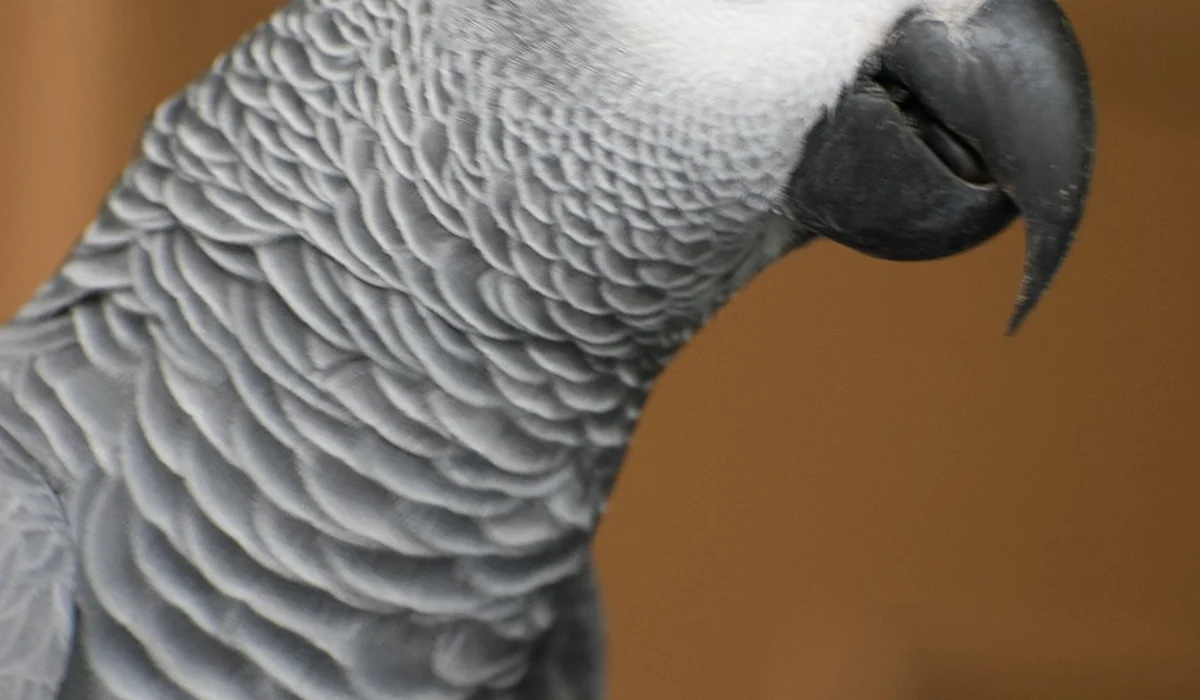
When your parrot escapes outside, your calm approach makes all the difference. Focus on gentle methods that prioritize your bird’s well-being over quick fixes. Understanding why pet parrots fly away helps you prevent it. By identifying triggers like curiosity and doors left open, you can take preventive steps. I’ve dealt with this scare when Kiwi, my playful Green-cheeked Conure, darted out a door and into a tree—staying patient saved the day.
Use familiar calls or favorite sounds to coax your parrot back, avoiding any sudden movements. Reserve nets for extreme cases only, as they can terrify your bird and lead to injuries. In my years with parrots, I’ve seen how nets handled improperly do more harm than good.
If the escapee is in a tall tree or risky area, contact local bird rescues right away. These experts use humane trapping techniques that minimize stress and maximize safety. Look for groups that emphasize positive reinforcement and have experience with parrots.
Tracking and Locating Your Parrot
Scan nearby perches like tree branches or roof edges where parrots feel secure. Binoculars help you spot your bird from afar without causing a panic. When Sunny, my Sun Conure, vanished once, I found her perched on a neighbor’s fence after a careful search.
Alert your community by talking to neighbors and sharing details online. Quick word-of-mouth can turn a lone search into a team effort for a faster reunion. I’ve had friends spot feather clues I missed because they knew what to look for.
Watch for these common signs to narrow down the search area:
- Vocalizations: Listen for distinct squawks or mimicry that stand out from other birds.
- Feather droppings: Check under trees or on surfaces for colorful feathers your parrot shed.
- Movement patterns: Notice any unusual fluttering or bird gatherings that could signal your parrot’s presence.
Setting Up a Safe Trap
Place your parrot’s cage in an open spot with its favorite treats inside to lure it back. Familiar surroundings and food can tempt even a scared bird to return home. I’ve used this with Sage, my African Grey, and he hopped in for some nuts after a short wait. These stress-free steps can help get your parrot back into its cage calmly. With a little patience, the cage becomes a safe, rewarding space.
Monitor the setup from a distance to keep stress levels low. Rushing the process can spook your parrot and prolong the ordeal. Stay out of sight but close enough to act if needed, ensuring a calm environment. In addition, create a safe, stimulating indoor flight space for your parrot by bird-proofing the room and offering enrichment. This helps your bird practice confident, safe flight in a calm, controlled setting.
Preventing Future Escapes with Parrot-Proofing
After an escape, parrot-proofing your home becomes a top priority. Secure doors and windows with sturdy locks or screens to block easy exits. I learned this lesson when Kiwi nearly slipped out a cracked window during playtime. These are essential steps for parrot-proofing a room to ensure safe flight. With these measures in place, your bird can explore and exercise indoors without undue risk.
Supervise your parrot whenever it’s out of the cage to catch potential escapes early. Active oversight builds trust and prevents mishaps before they escalate. With social birds like Sunny, I always keep an eye on her during free-flight sessions.
Use this home safety checklist I developed from past close calls:
- Inspect cage latches for wear and ensure they snap shut firmly.
- Check windows and doors for gaps or damaged screens that need repair.
- Install door alarms or reminders to alert you if left ajar.
- Remove climbable objects near cages that could aid escape attempts.
Training for Recall and Trust
Recall training strengthens your bond and makes your parrot more likely to return if loose. Start with simple exercises like calling its name and rewarding with a treat for coming. This is a perfect example of positive reinforcement training with parrots. By rewarding the desired behavior, you encourage repeat responses. I practiced this daily with Kiwi, and now she responds eagerly to my voice.
Hold regular sessions in a safe, enclosed space to reinforce the behavior. Consistent practice in a controlled setting builds confidence and reduces flight risks. This routine also helps manage behavioral issues by reinforcing cues and redirecting unwanted actions. Even smart parrots like Sage benefit from short, fun drills that feel like games.
Routine Safety Inspections
Conduct weekly checks on enclosures and home areas to spot potential hazards. Look for wear and tear like loose bars or frayed perches that could lead to escapes. I set a reminder every weekend to inspect Sage’s cage and our living space.
Identify and fix escape points such as small holes or unstable fittings promptly. Proactive maintenance keeps your parrot safe and gives you peace of mind. After finding a weak hinge on Kiwi’s cage, I replaced it and avoided a repeat incident.
Aftercare: Handling and Health Post-Capture
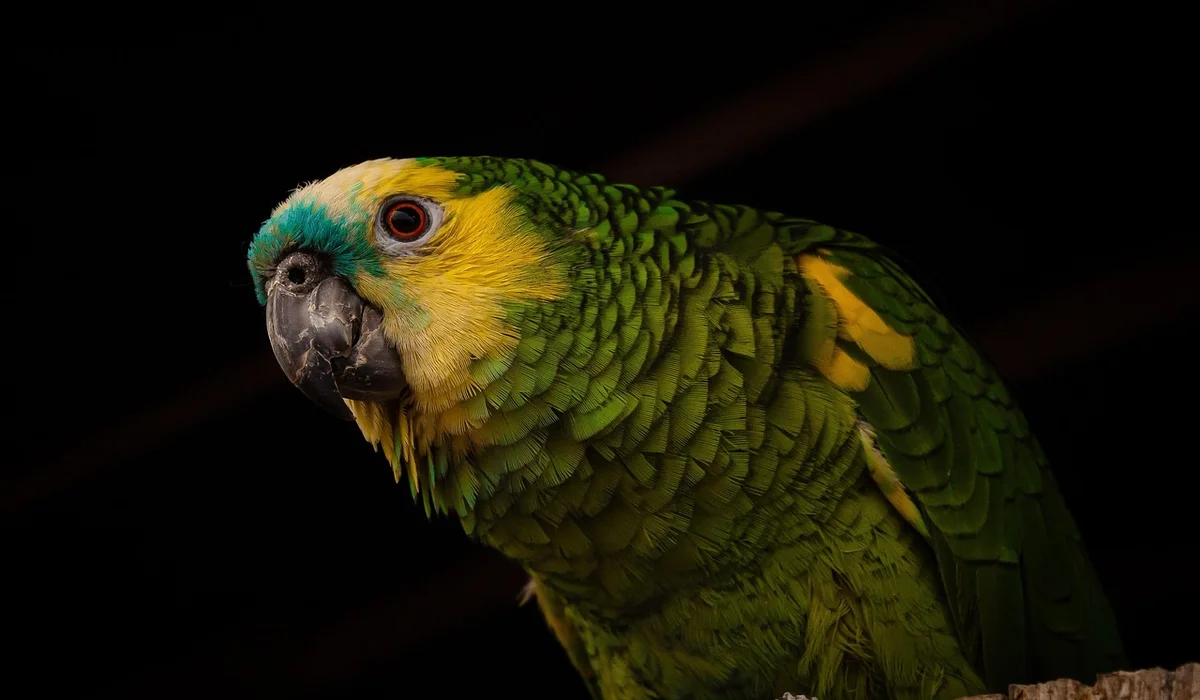
Once your parrot is safely inside, your focus shifts to gentle care and quiet recovery. I always treat my birds like fragile treasures after an escape, using slow movements and soft whispers.
- Wrap your parrot loosely in a small towel, supporting their body and wings without squeezing.
- Check their feet, wings, and beak for any obvious cuts or swelling right away.
- Place them directly into a familiar cage with fresh water and their favorite treats nearby.
- Keep the room dim and quiet, avoiding sudden noises or other pets for at least 24 hours.
- Limit handling to essential checks only-no cuddles or playtime until they seem relaxed.
I learned this the hard way when my conure Kiwi needed two days of near-silence after her last great escape. Rushing interactions can make their fear worse.
Monitoring for Stress and Injury
Watch for subtle changes in behavior that signal your parrot isn’t feeling quite right. Birds hide pain instinctively, so you must become a detective. In our guide to recognizing signs of pain in parrots through subtle body language, you’ll learn to read cues like posture and feather position. These signals can help you spot pain early.
- Notice if they stop eating or drinking-this is often the first red flag.
- Look for feather plucking, especially around the chest or under wings.
- Observe their posture; a hunched bird with puffed feathers may be in distress.
- Listen for unusual sounds like wheezing or constant distressed chirping.
- Track their activity level-lethargy lasting more than a few hours warrants concern.
My sun conure Sunny once developed a slight limp after flying into a window during an escape. I kept her in a hospital cage with padded perches until her vet appointment.
Create a simple recovery routine: dim lights, soft music, and minimal disruption. This helps their nervous system reset after the adrenaline rush of being outside.
Veterinary Follow-Up Essentials
Schedule a vet visit within 48 hours, even if your parrot appears perfectly healthy. Outdoor exposure brings risks you can’t see with the naked eye. Annual vet checkups are a cornerstone of preventative care for parrots. They help detect issues early and keep your bird healthy.
- Request blood tests to check for parasites or infections from wild birds.
- Ask for a thorough wing and leg examination to find hidden sprains or fractures.
- Discuss preventative treatments for mites or airborne illnesses they may have encountered.
- Bring a fresh droppings sample to test for bacterial imbalances.
- Update their medical records with the escape incident for future reference.
My African grey Sage once needed antibiotics after picking up something nasty during a brief garden adventure. That vet visit likely prevented a serious respiratory infection.
Think of this check-up as insurance against hidden health complications. The small cost outweighs the risk of untreated issues developing later.
FAQs
How can I safely use a net to catch my parrot if other methods fail?
Only use a soft, bird-safe net as a last resort to avoid injuring your parrot. Move slowly and aim to gently guide the net over the bird without trapping wings or feet. If you are considering wing clipping, consult a veterinarian or avian specialist to ensure it’s done safely and humanely.
What steps should I take if my parrot escapes during nighttime?
Use a flashlight to carefully scan areas while calling softly, as darkness can disorient your parrot. Focus on secure, elevated spots like tree branches or roof edges where parrots often roost.
How can I parrot-proof my car or carrier during travel to prevent escapes?
Always use a secure, well-ventilated travel carrier with reliable locks and check for gaps before each trip. Avoid opening the carrier in unsecured areas and supervise your parrot closely during stops. These are essential steps when traveling with your parrot to keep them safe and stress-free on the road.
Final Thoughts
Staying calm, using familiar foods or toys to lure them, and avoiding sudden movements are your top strategies for a safe recovery. I’ve seen with my own green-cheeked conure, Kiwi, that patience and a gentle approach often turn a stressful chase into a quick reunion. Always prioritize their comfort over speed to prevent injuries or further fright.
Caring for a parrot means committing to secure enclosures and ongoing education to minimize risks of escape. By staying informed and proactive, you’re not just a pet owner-you’re a guardian dedicated to their well-being and a happier life together. Keep exploring resources and sharing experiences to grow in this rewarding journey.
Further Reading & Sources
- Escaped Parrot | Escaped Parrot | Parrots | Guide | Omlet US
- THE GREAT ESCAPE: Recovering Lost Parrots – Northern Parrots
- How to catch an escaped bird | Parrot Forum 🦜 Parrot Owners Community
Suzanne Levine is a dedicated parrot enthusiast and experienced avian caregiver with over 15 years of hands-on experience in parrot care. As the founder of Parrot Care Central, Suzanne is passionate about sharing her knowledge and insights to help fellow parrot owners provide the best possible care for their feathered friends. Her expertise spans nutrition, behavior, health, and enrichment, making her a trusted resource in the parrot care community.
Finding a Parrot