
Why Do Pet Parrots Fly Away and How to Prevent It?
Published on: March 14, 2026 | Last Updated: March 14, 2026
Written By: Suzanne Levine
That heart-stopping moment when your parrot flies off is every owner’s worst fear, leaving you helpless and worried about their safety.
I’ve been through this scare with my own birds, like when Kiwi, my playful conure, nearly escaped out an open window, and I’m here to guide you through the why and how to keep it from happening.
We’ll dive into three main areas to give you peace of mind:
- Uncover the top reasons parrots bolt, from sudden noises to natural instincts.
- Learn easy, effective steps to bird-proof your home and reduce risks.
- Master training methods that strengthen your bond and prevent escapes.
You’ll walk away with clear, actionable tips. The article covers: common escape triggers, home safety fixes, recall training basics, emergency plans, and long-term prevention habits.
Why Parrots Decide to Fly the Coop
Parrots fly away for reasons that often stem from their natural instincts and emotions. I have seen this firsthand with my own flock, and understanding these triggers can help you protect your bird. Separation anxiety is a common issue when you’re away, and addressing it can help your bird cope when you’re gone. Simple strategies like enrichment, predictable routines, and a safe space can ease their stress.
- Fear sends them into a panic. Loud noises or sudden movements can startle parrots, like when Kiwi, my Green-cheeked Conure, once darted off after a door slammed shut.
- Curiosity drives them to explore. Birds like Sunny, my Sun Conure, are naturally drawn to new sights and sounds, which can lead them astray if not supervised.
- Boredom pushes them to seek excitement. Without enough mental stimulation, parrots such as Sage, my African Grey, might try to escape for a change of scenery.
- Social needs pull them toward companionship. Flock animals like Sunny often yearn for interaction and may fly off to find other birds or people.
Different species show unique escape behaviors based on their personalities. For example, Green-cheeked Conures like Kiwi are playful and might bolt out of curiosity, while Sun Conures like Sunny are highly social and could fly toward voices or movement.
Building a Secure and Enriching Home Environment
A safe home starts with a well-secured cage and mindful habits. From my experience, small upgrades and daily routines make a huge difference in preventing escapes.
- Focus on cage security with sturdy locks and latches. Parrots are clever and can figure out weak closures, so opt for escape-proof designs.
- Perform daily safety checks on doors, windows, and the cage itself. A quick inspection helps spot risks before they become problems.
- Place cages in optimal spots away from high-traffic areas and windows. This reduces exposure to external triggers and keeps your parrot calm.
- Indoor-proof rooms using barriers like window screens and safe perches. It creates a controlled space where your bird can play without danger.
Essential Cage Safety Upgrades
Upgrading your cage with reliable features can stop escapes before they happen. I have found that investing in durable materials pays off in the long run.
- Use locks made from stainless steel or heavy-duty plastic. These materials resist chewing and wear, unlike flimsy alternatives.
- Install double-door systems for added security. They provide an extra barrier that curious parrots cannot easily bypass.
- Choose cages with weighted bases or anti-tip designs. This prevents the cage from shifting if your bird gets excited or tries to push against it.
Daily Habits to Prevent Escapes
Simple daily routines can keep your parrot safe and secure. I follow a quick checklist every morning to ensure everything is in order. By sticking to predictable routines, you can address common behavioral issues through simple training cues. It helps reinforce calm, cooperative behavior and makes training easier over time.
- Verify that all doors and windows are closed and locked. This basic step prevents accidental outdoor flights.
- Inspect the cage for any loose bars, latches, or damage. Catching issues early avoids potential escape routes.
- Check that perches and toys are firmly attached. Loose items can become tools for clever parrots to aid their escape.
Training and Bonding to Minimize Flight Risk
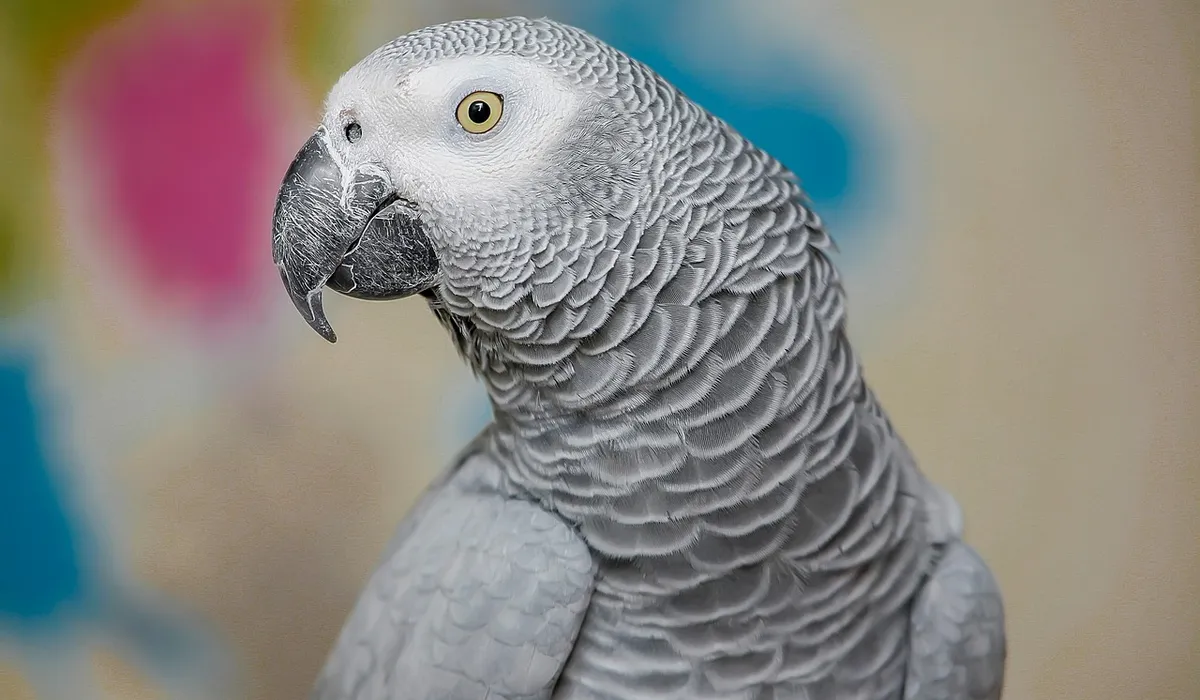
Building a strong bond with your parrot is your best defense against them choosing to fly away. My green-cheeked conure, Kiwi, used to get spooked easily, but consistent training turned our relationship around. If you want to build trust, try bonding techniques that actually work—short, positive sessions and gentle handling that encourage curiosity rather than fear. With time and patience, these methods can help your parrot bond as strongly as Kiwi did.
Recall Training Basics
Recall training teaches your parrot to fly back to you on command. Start indoors in a safe, enclosed room.
- Begin with your parrot perched close to you. Use a special, high-value treat they adore.
- Say a clear, upbeat command like “Come!” or “Here!”.
- When they hop or fly to you, immediately give them the treat and enthusiastic praise.
- Gradually increase the distance they must travel to reach you.
Keep sessions short and fun, ending on a positive note every single time. My sun conure, Sunny, now zips to my shoulder the moment he hears “Here, buddy!”
Strengthening Your Bond
Beyond recall training, daily positive interactions build unshakeable trust.
- Spend time just talking or singing near their cage so they see you as part of their flock.
- Hand-feed them their favorite fruits or vegetables to create positive associations.
- Engage in gentle head scratches if your parrot enjoys them, always respecting their body language.
A parrot that feels loved and secure at home has far less reason to seek adventure elsewhere.
Combatting Boredom with Enrichment
A bored parrot is a flight risk. Their intelligent minds need constant stimulation.
- Rotate a variety of foraging toys that make them work for their food.
- Introduce new, bird-safe toys regularly to keep their environment novel and exciting.
- Offer puzzle toys that challenge their problem-solving skills, like my African Grey, Sage, loves.
A mentally stimulated parrot is a content parrot who is less likely to bolt for the door out of sheer curiosity.
Safe Outdoor and Transport Practices
Taking your parrot outside can be wonderful, but it requires meticulous planning to prevent tragedy. I learned this the hard way after a close call with Kiwi. That’s why many owners focus on the essential steps to parrot-proof a room for safe indoor flight. With those steps in place, your bird can practice flying in a controlled environment with less risk.
Never, ever take a parrot outside without a secure harness or inside a locked, well-ventilated travel carrier. Their flight instinct is powerful and unpredictable. These are essential steps for traveling with your parrot. Following them helps keep your bird safe and calm.
Using Harnesses and Leashes
Acclimating a parrot to a harness takes immense patience. Never force it.
- Let your parrot investigate the harness on their own terms for several days, offering treats for any interest.
- Practice putting just the head loop over their head, followed by an immediate jackpot reward.
- Slowly work up to fastening the rest of the harness for very short periods indoors.
- Only attempt an outdoor excursion once they are completely comfortable wearing the harness inside.
A properly fitted harness should be snug enough that they can’t wiggle out, but loose enough that you can easily slip a finger underneath. Check the fit often.
Transport and Vet Visit Safety
Travel is a high-risk time for escapes. Follow these precautions religiously.
- Always use a secure, hard-sided travel carrier. Never transport a parrot in just a cage.
- Place a towel or non-slip mat on the carrier floor for stable footing.
- Double-check all carrier door latches before moving.
- Keep car windows closed and the air conditioning on instead.
Create a safe “airlock” system at your home’s exits—ensuring your parrot is secured in another room before you open any doors to the outside. When it’s time to take your parrot outside, place them in a secure carrier or use a properly fitted harness and supervise closely. This simple habit saves lives and makes outdoor time safer for your bird.
Emergency Response If Your Parrot Escapes
When your parrot takes flight unexpectedly, your quick actions can mean the difference between a safe return and a prolonged search. Staying calm is your top priority because panic clouds judgment and frightens your bird further. I learned this firsthand when Sunny, my sun conure, bolted out an open door; taking a deep breath helped me focus on what mattered most. This moment also sparked a flight vs clip deep dive into responsible parrot ownership. In it, we weigh safety, welfare, and enrichment to help owners decide what’s best for their bird.
- Immediately call your parrot by name using a calm, familiar voice to reassure them and draw their attention.
- Grab their favorite treats or toys-like a shiny bell or nut-to entice them back, as parrots often respond to positive reinforcements they recognize.
- Search nearby areas methodically, checking high spots like trees, roofs, and ledges where parrots naturally perch for safety.
- Use a portable cage or carrier placed in an open area with food inside, as this can lure a hungry or scared bird seeking shelter.
Identification is crucial for reuniting with your feathered friend if they’re found by others. Leg bands and microchips provide reliable proof of ownership that vets or shelters can verify quickly. From my experience with Sage, I always keep a photo and band number handy, just in case.
- Ensure leg bands are secure and have your contact info engraved, as loose bands can pose risks if not fitted properly.
- Register microchips with a national database and update details regularly, so anyone scanning your parrot can reach you without delay.
- Take clear photos from multiple angles, highlighting unique markings or behaviors, to share in lost pet alerts for faster recognition.
A pre-planned emergency strategy turns chaos into controlled action when every second counts. Prepare a “lost bird kit” with essentials like a net, high-value treats, and a list of local contacts before an escape happens. I keep mine by the door after Kiwi’s close call, and it’s saved me stress more than once.
- Store a kit with a lightweight net, a whistle for audible cues, and a carrier for safe transport, tailored to your parrot’s preferences.
- Compile a contact list of neighbors, avian vets, and rescue groups, and practice drills so everyone in your home knows their role.
- Set up social media alerts or community groups in advance, enabling rapid sharing of details if your parrot goes missing.
Search and Recovery Tips
The initial hours after an escape are critical for a successful recovery, as parrots tend to stay close but can drift farther if scared. Act swiftly but thoughtfully to maximize your chances of bringing your bird home safely. Know how to gently catch your bird when you find it. When Sage once hid in a nearby bush, we found her by listening for soft chirps and moving slowly to avoid spooking her.
- Search within a 1-2 block radius first, focusing on trees, balconies, and sheds, while calling out in a gentle tone to avoid startling your parrot.
- Enlist friends or family to cover more ground quickly, assigning areas to prevent overlaps and ensure a thorough sweep.
- Use familiar sounds, like a specific whistle or their cage door clicking, to trigger recognition and draw them toward you.
- Post flyers with a recent photo and your contact info in visible spots, and share digitally on local pet forums for wider reach.
- Monitor food and water sources nearby, as thirsty or hungry parrots may venture down for a quick snack, giving you a window for recapture.
FAQs
What are the best practices for window and door management around parrots?
Always keep windows closed or fitted with secure screens to block potential escape routes. Ensure doors have self-closing mechanisms or alarms to alert you if left ajar.
How can you prevent escape during transport or veterinary visits?
Use a locked, hard-sided carrier with secure latches for all trips outside the home. Avoid opening the carrier outdoors and maintain a calm environment to reduce stress-induced attempts to flee.
What emergency plan should you have in place for parrot escapes?
Prepare a kit with a net, high-value treats, and a carrier for immediate response. Keep a list of local contacts, like avian vets and shelters, and practice drills to ensure everyone knows their role.
Closing the Loop
Keeping your parrot safe boils down to a few simple, consistent actions. Regular wing trims, dedicated recall training, and never taking them outside without a secure harness or travel cage are your most powerful preventative measures. Safely clipping your parrot’s wings is a common, preventative practice that should be done with guidance from a veterinarian or experienced handler. When done correctly, wing clipping reduces flight risk while you continue training for recalls and safe handling. These steps build a foundation of trust and safety that dramatically reduces the risk of your feathered friend becoming a statistic.
Owning a parrot is a lifelong journey of learning and adaptation. Commit to understanding their unique needs and behaviors, providing a stimulating and enriching home environment that makes them want to stay. Your dedication to responsible care is the ultimate key to a long, happy, and secure life together. In our apartment living vs house living parrot complete guide, we examine how space, routines, and enrichment affect your bird’s well-being. Whether you live in a compact apartment or a spacious house, you’ll find practical tips to tailor care to your home.
Further Reading & Sources
- Prevent Parrot Escapes – Some useful tips by John Hayward
- Preventing escape and recovering escapees | Parrot Forum 🦜 Parrot Owners Community
- What To Do If Your Bird Escapes Outside
Suzanne Levine is a dedicated parrot enthusiast and experienced avian caregiver with over 15 years of hands-on experience in parrot care. As the founder of Parrot Care Central, Suzanne is passionate about sharing her knowledge and insights to help fellow parrot owners provide the best possible care for their feathered friends. Her expertise spans nutrition, behavior, health, and enrichment, making her a trusted resource in the parrot care community.
Bird-proofing Your Home