
What Is the Friendliest Parrot Species to Own?
Picking a parrot can spark worries about aggression or a poor fit for your home, leaving you unsure where to start. I remember feeling that way before bringing home Kiwi, my Green-cheeked Conure, and learning firsthand how personality varies by species.
My experience with parrots like Sunny and Sage taught me that friendliness depends on more than just breed. You’ll get insights on key takeaways, including:
- How to identify naturally sociable parrot species that thrive on interaction.
- Why factors like age and individual temperament matter just as much as the species.
- Ways to ensure your parrot’s welfare while building a lasting, affectionate bond.
Rest easy-this guide cuts through the confusion with straightforward advice. Covered topics include African Grey intelligence, Conure playfulness, Cockatiel affection, care routines, and bonding techniques.
Defining Parrot Friendliness: What Makes a Bird Cuddly?
Friendliness in parrots isn’t just about a lack of biting; it’s a beautiful blend of trust, affection, and a desire to interact. A truly friendly parrot actively seeks your company and communicates its happiness through body language and sound. From my years living with different species, I’ve noticed a few key signs that scream “cuddly bird.”
- Physical Affection: They lean into head scratches, preen your hair or eyelashes, and enjoy being held close.
- Vocal Greetings: Happy chirps, soft whistles, or mimicry when you enter the room signal a bonded, social bird.
- Playful Antics: A friendly parrot will show you its toys, dance, or do silly things to get your attention and share fun moments.
- Calm Demeanor: They remain relaxed on your shoulder or lap, showing they feel safe and secure with you.
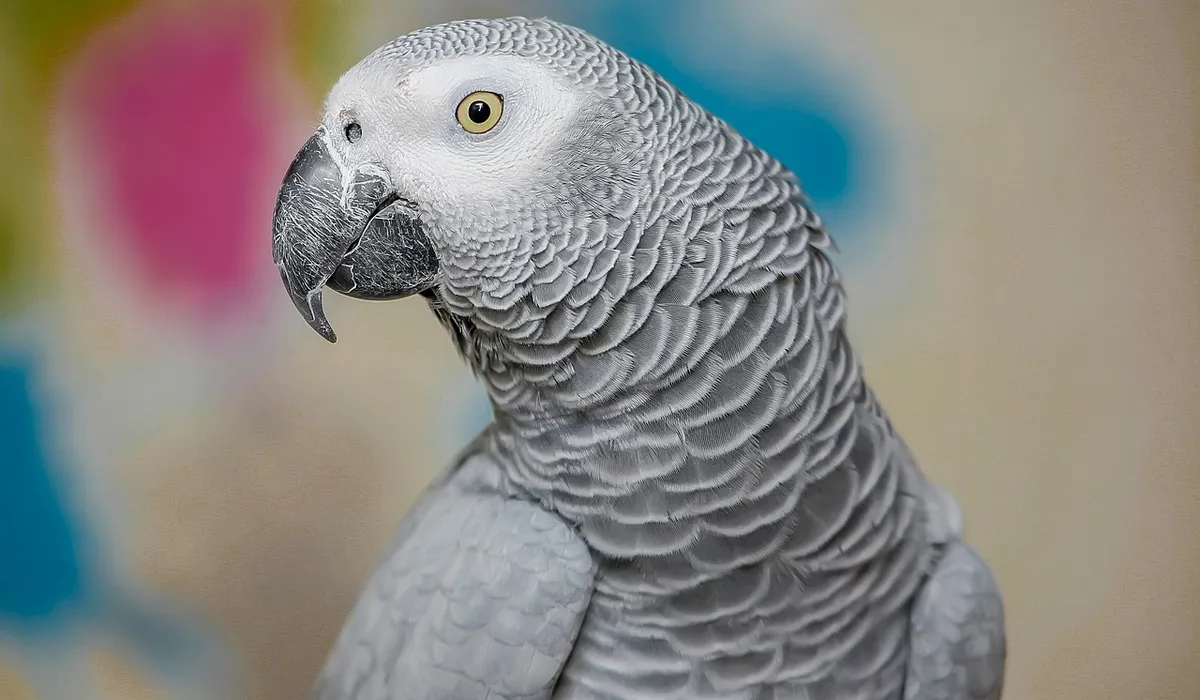
My African Grey, Sage, may not be the cuddliest, but his intelligent, calm presence is his unique form of friendship. Every parrot expresses affection differently, and learning their individual love language is part of the joy.
Top Contenders: Most Affectionate Parrot Breeds
Sun Conures: The Vibrant Velcro Birds
If you want a parrot that acts like your personal shadow, a Sun Conure is a top pick. My Sunny follows me from room to room, her brilliant yellow and orange feathers a flash of pure sunshine. Their affectionate nature is legendary; they crave physical contact and will snuggle under your chin for hours.
- They bond intensely with their primary person and can become distressed if left alone for too long.
- Be prepared for their loud, excited calls-it’s how they express big emotions, including love.
- Their need for interaction means they thrive best with owners who work from home or are retired.
Cockatiels: Gentle Whistling Companions
Cockatiels are the sweethearts of the parrot world, known for their gentle and forgiving nature. Their soft whistles and the way they gently nibble your finger are signs of pure contentment. I’ve found them to be less demanding than larger parrots, making them fantastic for first-time owners or families. While they share similarities with other birds, it’s essential to know whether cockatiels and cockatoos are considered parrots.
- They show affection through head bobbing, crest raising, and cheerful, melodic whistling.
- Many enjoy being petted, especially on their bright orange cheek patches and under their crest.
- They are less prone to aggressive behavior, making them a safer choice around gentle, older children.
Budgerigars: Small Parrots with Big Hearts
Don’t let their small size fool you-Budgies (or Parakeets) have enormous capacity for love. A hand-tamed Budgie will happily ride on your shoulder, learn words, and see you as their flock. They are incredibly social little birds that form deep bonds with their human caregivers.
- They are one of the easiest parrot species to train, which strengthens your bond through positive interaction.
- Their quiet, cheerful chirping is a gentle background soundtrack to your day.
- They are relatively low-maintenance, but their social need means they should not be left in a cage alone all day.
Lovebirds: Playful Pocket-Sized Partners
Lovebirds live up to their name, offering a playful and deeply affectionate partnership. My experience with them is that they are bundles of energetic, mischievous love that fit perfectly in the palm of your hand. They love to tuck themselves into your shirt collar or pocket, wanting to be as close to you as possible.
- They express affection through constant preening of their mate or human, and by bringing you “gifts” like a piece of food.
- Their playfulness means they need a variety of toys to keep their active minds stimulated.
- They can be a bit feisty and possessive, so consistent, gentle handling from a young age is key.
Best Beginner-Friendly Parrots for New Owners
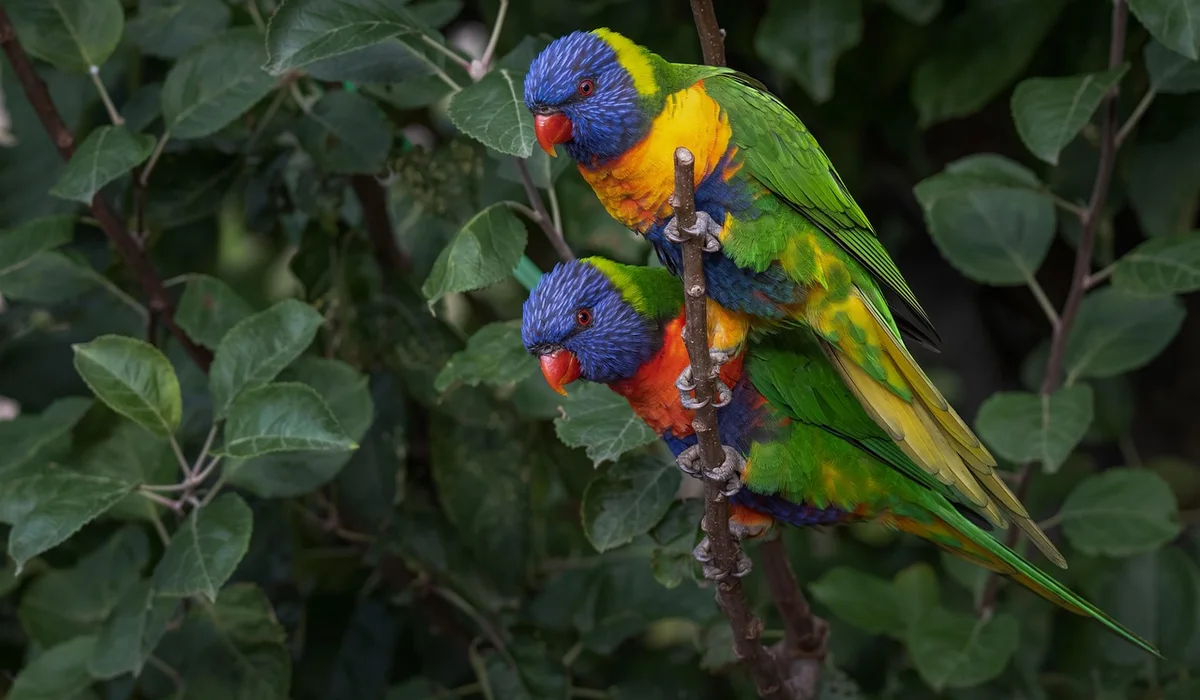
Starting your parrot journey is thrilling, but picking the right species makes all the difference. My first parrot, Kiwi the Green-cheeked Conure, taught me that smaller parrots often pack the biggest personality with the most manageable care needs. These days, many people search for the best parrot species for beginners and easy-care birds. Small parrots—like budgies and cockatiels—often offer friendly personalities with simpler daily care.
These species are forgiving of rookie mistakes and adapt well to learning households.
- Cockatiels: Gentle, whistling companions that rarely bite. Their dust requires regular cleaning, but their affectionate nature is worth it.
- Budgies (Parakeets): Small, inexpensive, and highly trainable. They thrive on social interaction and are perfect for limited spaces.
- Green-cheeked Conures: Playful clowns with quieter voices. My Kiwi loves snuggling into my sweater pocket while I work.
- Pionus Parrots: Calm, independent birds with stunning colors. They’re less demanding than other mid-sized parrots.
Remember that even “beginner” parrots live 15-30 years, so you’re making a long-term commitment to a living creature. Parrot lifespans vary widely by species, so consult a lifespan guide to understand what to expect. Some parrots live only a decade, while others can thrive for 50 years or more.
Finding Your Feathered Match: Parrot Compatibility Guide
Your lifestyle directly determines which parrot species will thrive in your home. Matching energy levels and social needs prevents frustration for both you and your bird.
I learned this when adopting Sunny, my Sun Conure, whose loud calls didn’t mesh with my apartment living until I adjusted our routine.
- For busy professionals: Choose independent birds like Pionus or female cockatiels who handle alone time better.
- For homebodies: Social species like conures or lovebirds who demand constant interaction will adore you.
- For multi-pet households: Select confident but not aggressive birds like Amazon parrots with proper introductions.
- For experienced owners: Intelligent challenges like African Greys (like my Sage) require mental stimulation daily.
Always consider adopting from rescues – my Sage came from a shelter and transformed into the most grateful companion.
Family-Friendly Fliers: Parrots for Homes with Kids
Children and parrots can form magical bonds with proper supervision. The key is choosing species known for patience and gentleness around unpredictable movements.
My niece’s interactions with Kiwi taught me that parrots read children’s energy – calm kids get calm bird responses.
- Cockatiels: Their docile nature and small beak size make them ideal for supervised child interaction
- Budgies: Entertaining to watch and less intimidating than larger birds for nervous children
- Green-cheeked Conures: Playful but less prone to serious biting than larger conure species
- Senegal Parrots: Often described as “old souls” with calm demeanors around respectful children
Always teach children to approach birds slowly and never grab – let the parrot choose when to interact.
Apartment Living: Quieter, Adaptable Companions
Thin walls mean considering your neighbors when choosing a parrot. Volume isn’t just about decibels – it’s about pitch, frequency, and time of day.
My Sun Conure Sunny’s morning calls required creative soundproofing before I learned which species suit shared walls better.
- Pionus Parrots: Known as the “quiet giants” with low-pitched, infrequent vocalizations
- Parrotlets: Big personalities in small packages with voices that don’t carry through walls
- Female Cockatiels: Generally quieter than males who tend to whistle and call more frequently
- Senegal Parrots: Typically use quiet chattering rather than ear-piercing screams
Even quieter species need vocal expression – provide morning and evening “talk time” to meet their communication needs respectfully.
Building a Bond: How to Encourage a Friendly Relationship
Owning a friendly parrot species is just the beginning. The real magic happens when you actively build a trusting, lifelong friendship with your bird. From my years with Kiwi and Sunny, I’ve learned that a parrot’s friendliness isn’t just in their genes; it’s nurtured through daily, intentional interaction.
Patience is Your Most Valuable Tool
Rushing a relationship with a parrot is the quickest way to build walls instead of bridges. Move at your parrot’s pace, celebrating the tiny victories like a single step towards you or accepting a treat from your hand. My African Grey, Sage, took weeks to even look at me directly, but that patience paid off in a deep, trusting bond.
Use Positive Reinforcement, Every Single Day
Parrots are incredibly smart and respond brilliantly to rewards. This isn’t about bribing them; it’s about communicating what you like. This is the essence of positive reinforcement training for parrots. With a consistent, gentle approach, training becomes a game your bird enjoys and learns from.
- Use their favorite healthy treats: a piece of walnut, a bit of millet spray, or a sliver of apple.
- Pair the treat with a happy, enthusiastic voice. Your tone matters more than you think!
- Reward any positive interaction immediately. This could be for stepping up, playing quietly, or even just making a cute noise.
Positive reinforcement builds a parrot’s confidence and makes them associate you with wonderful things. I use a small clicker with Kiwi, and he gets so excited knowing a fun training session is about to start.
Learn to Speak Their Body Language
Parrots tell you everything through their posture and feathers. Understanding this is non-negotiable for a safe, friendly relationship.
- Friendly signs: relaxed posture, softly chattering, fluffing feathers around the head and beak (a sign of contentment).
- Warning signs: pinned eyes (pupils rapidly contracting and expanding), raised feathers on the back of the neck, a crouched stance.
Respecting their “no” is the ultimate sign of trust and prevents bites before they even become a thought. When Sunny fluffs her head feathers, I know she’s asking for a scratch. When she pins her eyes, I give her space. It’s a simple, respectful conversation.
Make Yourself the Source of All Good Things
Don’t just be the person who cleans the cage or says “no.” Be the fun one!
- Hand-feed a portion of their meals, especially in the beginning.
- Be the one to introduce new, exciting toys.
- Initiate training sessions that feel like games, not chores.
- Spend time just sitting near their cage, reading or talking softly, so your presence becomes normal and safe.
As you build trust, you can begin teaching your parrot fun, easy tricks that reinforce positive daily interaction. These quick wins keep training light and enjoyable for both of you.
When your parrot sees you and thinks “playtime, food, and fun,” you’ve successfully built the foundation for a truly friendly companion. My birds now call out when they hear me come home, not because they need anything, but because they’re excited I’m there.
Remember, every parrot is an individual. What works for my playful conure might need adjustment for a more reserved African Grey, so always tailor your approach to your unique feathered friend. The journey is worth every minute.
FAQs
How much daily interaction do friendly parrot species require?
Friendly parrot species often need at least 2-3 hours of direct social interaction daily to maintain their happy and bonded nature. Without regular engagement, they may become lonely or develop negative behaviors like excessive noise or feather plucking. Regular, gentle socialization helps socialize parrots to prevent biting by building trust and reducing anxiety around new people. With calm handling and positive exposure, parrots learn to respond calmly in unfamiliar situations.
Are there any parrot species that are generally not recommended for beginners due to temperament?
Larger parrots such as Macaws or Cockatoos can be demanding and prone to behavioral issues if not handled correctly, making them less ideal for novice owners. Large parrots tend to require longer-term commitments in time, enrichment, and space. In contrast, Large parrots vs small parrots emphasizes that smaller species generally require less constant handling while still needing routine. Beginners should opt for more adaptable species like Cockatiels or Budgerigars to ensure a smoother experience.
What is the best way to introduce a new parrot to your home to encourage friendliness?
Begin by placing the parrot in a quiet, secure area to reduce stress and allow it to observe its surroundings at its own pace. Use gentle talking and offer treats from a distance to build positive associations before attempting closer interactions. For a calm, scared, or stressed parrot, these steps foster safety and trust. With patience, the bird can gradually approach at its own pace.
Can the friendliness of a parrot change over time?
Yes, a parrot’s friendliness can improve or decline based on factors like consistent handling, environmental changes, and overall health. Positive reinforcement and a stable routine often help foster a lasting affectionate bond. Specifically for Quaker parrots, bonding and taming rely on short, positive handling sessions and steady routines. These socialization tips can help build trust and a calmer, more affectionate companion.
What are the key differences in friendliness between hand-raised and parent-raised parrots?
Hand-raised parrots are typically more socialized to humans from an early age, leading to easier taming and a quicker bond. Parent-raised parrots may be more independent initially but can still become friendly with patient, consistent socialization efforts. These upbringing differences influence how they read human cues and social expectations. They illustrate the behavioral differences between hand-raised vs parent-raised parrots.
Closing the Loop
Choosing the friendliest parrot ultimately means finding the bird whose personality and needs best match your own lifestyle. The perfect companion isn’t the one labeled “friendliest,” but the one you can build a genuine, lasting bond with through daily interaction and mutual understanding. From the playful chatter of a conure to the calm intelligence of an African Grey, your ideal feathered friend is waiting.
Bringing a parrot into your home is a commitment that spans decades. Responsible ownership means dedicating yourself to their complex needs, including proper veterinary care, a nutritious diet, and a spacious, stimulating environment. Your journey as a parrot parent is one of continuous learning, and your bird’s happiness depends on your willingness to grow alongside them.
Further Reading & Sources
- r/parrots on Reddit: Which parrot species is the most loving?
- Friendliest Parrots: 15 Parrots That Make For Friendliest Pets
- Looking For The Friendliest Pet Birds: Here’s Our Top 15 –
Suzanne Levine is a dedicated parrot enthusiast and experienced avian caregiver with over 15 years of hands-on experience in parrot care. As the founder of Parrot Care Central, Suzanne is passionate about sharing her knowledge and insights to help fellow parrot owners provide the best possible care for their feathered friends. Her expertise spans nutrition, behavior, health, and enrichment, making her a trusted resource in the parrot care community.
Finding a Parrot