
Hand-Raised vs. Parent-Raised Parrots: Key Behavioral Differences
Published on: February 22, 2026 | Last Updated: February 22, 2026
Written By: Suzanne Levine
Choosing between a hand-raised or parent-raised parrot feels like a huge decision that will shape your life for decades. I’ve lived with both types, and their personalities can be worlds apart.
I’ll help you understand the core differences so you can pick the perfect feathered friend. You’ll learn about:
- How their early life shapes bonding and trust with humans
- The surprising differences in natural behaviors and independence
- What to expect in terms of talking ability and vocalization habits
By the end, you’ll have a clear picture of which upbringing fits your home. This article covers the essential topics:
Socialization Differences, Bonding & Trust Levels, Natural Instincts, Training Ease, Vocal Behaviors, Long-Term Health Impacts, Choosing the Right Fit
Defining Hand-Raised and Parent-Raised Parrots
Hand-raising means humans step in as primary caregivers, often pulling chicks from the nest for intensive, round-the-clock feeding and bonding. I’ve hand-fed my Green-cheeked Conure, Kiwi, since he was just two weeks old, which meant syringe-feeding formula every few hours and keeping him warm in a brooder.
Parent-raising lets parrot parents do the work, with chicks staying in the nest until weaning, learning natural behaviors from their feathered family. My African Grey, Sage, was parent-raised; she learned to crack nuts and mimic sounds from her parents before joining our home.
Early life for hand-raised parrots revolves around human touch, voices, and handling, while parent-raised chicks experience bird-specific interactions like preening and flock calls. This foundational period shapes how they view the world-hand-raised birds often see people as part of their flock from day one.
Initial socialization differs sharply: hand-raised parrots get constant human exposure, making them comfortable with handling, whereas parent-raised ones might start off wary of people. With Sage, I had to patiently build trust over months, unlike Kiwi who cuddled up immediately.
Core Behavioral Contrasts: Attachment and Socialization
Hand-raised parrots typically bond intensely with humans, treating them as flock mates, while parent-raised birds often retain more independence and bird-centric social skills. Kiwi follows me around like a shadow, whereas Sage enjoys her solo playtime with puzzles.
Imprinting in hand-raised parrots can lead to unwavering trust but sometimes causes fear issues if not exposed to varied experiences early on. I made sure Kiwi met different people and sounds to prevent him from getting spooked by newcomers.
Aggression and noise-sensitivity vary too-hand-raised birds might be less aggressive but more vocal for attention, while parent-raised ones could show territorial behavior but handle ambient noise better. Sunny, my Sun Conure, screams when lonely, but Sage stays calm even with loud household noises.
Attachment Styles: From Cuddly to Cautious
Hand-raised parrots form strong, affectionate bonds quickly, often seeking physical closeness like snuggling and preening their human companions. Kiwi loves burrowing into my sweater for naps, a habit he developed from early hand-feeding sessions.
Parent-raised parrots might take longer to trust, as their initial attachments are to other birds, requiring patience and consistent positive interactions to build a connection. Using bonding techniques that work—short daily sessions, soft voices, and predictable routines—helps establish trust. Consistency and gentle handling are key. Sage took weeks to step onto my hand without hesitation, but now she gently nudges my finger for scratches.
Socialization and Human Interaction
Early exposure to people shapes behavior profoundly-hand-raised parrots are often outgoing, while parent-raised ones may need gradual introductions to feel safe. I socialized Kiwi with guests early, but with Sage, I started by just sitting near her cage and talking softly.
To improve socialization in parent-raised birds, use treats to reward calm behavior, engage in daily training sessions, and provide a predictable routine to reduce anxiety. Offering Sage her favorite almonds during interactions helped her associate people with positive experiences, slowly building her confidence.
Training and Handling: Ease and Adaptability
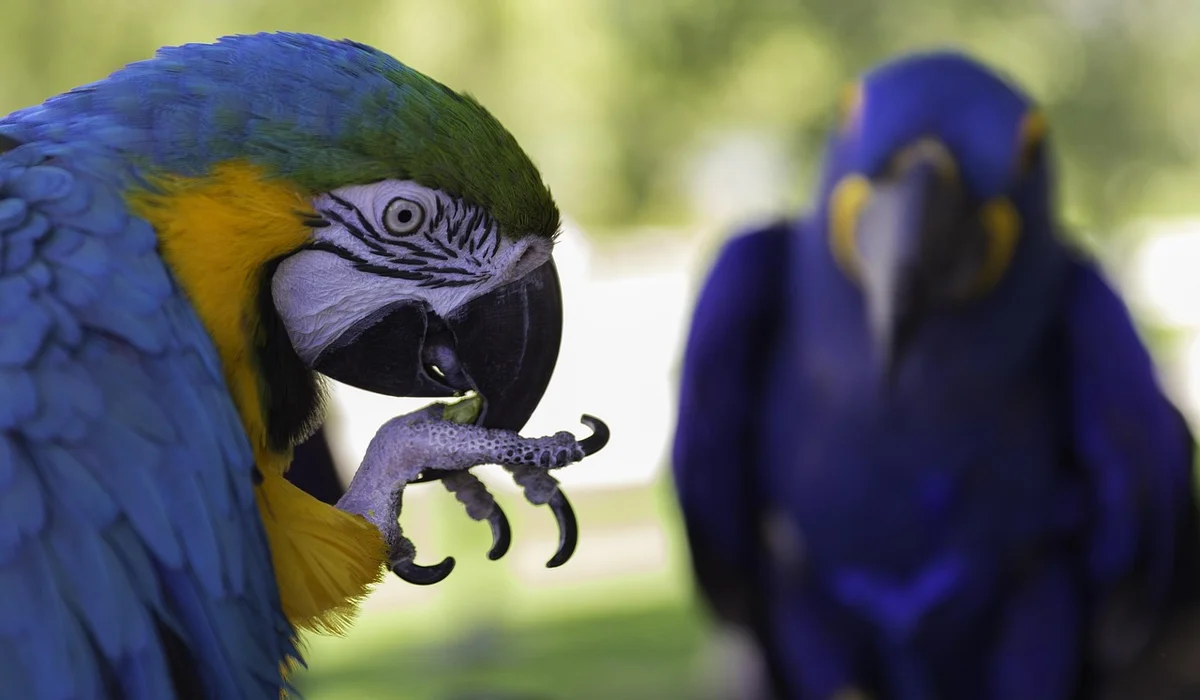
Hand-raised parrots typically learn to see humans as their flock from day one. This early bonding makes them naturally more receptive to training and physical handling. My green-cheek conure, Kiwi, was hand-fed, and he stepped up onto my finger within hours of coming home.
Parent-raised birds view the world differently. They learn essential parrot manners and behaviors from their biological parents first. This means you are not their default trusted companion; you must earn that role patiently.
Taming Techniques for Each Type
For hand-raised parrots like Kiwi, training is often about channeling their innate sociability.
- Use target training with a chopstick to guide them through simple commands.
- Incorporate short, positive reinforcement sessions multiple times a day.
- Handle them frequently but gently to maintain their comfort with human touch.
Building trust with a parent-raised bird, like my African Grey Sage was, requires a different playbook.
- Spend quiet time near their cage without demanding interaction.
- Offer high-value treats from your open palm without moving suddenly.
- Let the bird set the pace for all interactions to avoid triggering fear.
Adaptability to a new home varies dramatically. A hand-raised parrot often settles into new routines and environments with remarkable speed. Parent-raised birds need a stable, predictable environment to feel secure before they can adapt.
Long-Term Behavior and Temperament
Juvenile behavior is not always a predictor of adult personality. Many parrots go through a noticeable ‘bluffing’ stage as they mature, where they may test boundaries with nipping or loud vocalizations. I saw this with my sun conure, Sunny, around age two.
Vocalization needs are deeply ingrained. Parent-raised birds often have a richer, more complex vocabulary of natural calls they learned from their flock. Hand-raised parrots might be more inclined to mimic human speech and household sounds.
Companionship is non-negotiable for both types. A lonely parrot is an unhappy parrot, and this can manifest as feather plucking or destructive chewing. Ensuring they have plenty of social interaction, whether with you or a feathered friend, is critical for their mental health.
Maturity and Behavioral Shifts
As parrots reach sexual maturity, you might see shifts. Some hand-raised birds can become territorially aggressive around their favorite person or cage. Parent-raised birds might display a stronger fear response to unfamiliar people or objects.
Providing consistent mental stimulation is your best tool. Enrichment is not a luxury; it is a daily requirement for a well-adjusted parrot. Cognitive enrichment—parrots benefit from brain games to stay sharp. Try 10 simple brain games to challenge your bird every day.
- Rotate foraging toys that make them work for their food.
- Introduce new, bird-safe branches for chewing and perching weekly.
- Train simple tricks throughout their life to keep their mind engaged.
Choosing the Right Parrot for Your Lifestyle
Your daily schedule and household energy determine which parrot raising style fits you best. Hand-raised birds often need near-constant companionship, while parent-raised ones might prefer observing family life from a slight distance. Ultimately, it’s about choosing the right pet parrot for your home lifestyle. When you match their needs to your routine, a parrot can thrive alongside your family.
- Track your typical day: how many hours are you actually home and available for interaction?
- Be honest about your noise tolerance; some parrots vocalize loudly for attention or out of habit.
- Consider everyone living in your home-are they patient, calm, and willing to participate in care?
Where you get your parrot says a lot about their early life experiences. Reputable breeders usually offer hand-raised babies, while rescue organizations often have wonderful parent-raised birds needing a second chance. In the first 90 days, proper baby parrot care sets the foundation for health and behavior. This baby parrot care complete guide walks you through feeding, housing, and enrichment during that critical period.
- Ask breeders about their hand-feeding and socialization routines.
- Visit rescues to meet parent-raised parrots and learn their history.
- Always prioritize adoption and giving a home to a bird in need, regardless of the source.
I’ve welcomed parrots from both backgrounds into my home, and each required a different kind of commitment from my family. That question—adoption vs buying—often comes up for potential parrot owners. Ultimately, the right choice depends on your circumstances and the bird’s history.
Lifestyle Factors to Consider
Answering a few key questions will point you toward the right feathered friend. Your answers shape the bird’s environment and your long-term happiness together.
- Is your daily routine predictable or constantly changing?
- Do you want a parrot that enjoys frequent handling, or one that’s more independent?
- How much time can you dedicate to training and out-of-cage play each day?
Feeding habits and living space directly influence which parrot type will thrive with you. Parent-raised parrots might be hesitant to try new foods, while hand-raised ones often see your meals as an invitation to join. Following general parrot dietary guidelines means offering a varied diet of fresh fruits and vegetables, high-quality pellets, and limited seeds to support health. Tailor these guidelines to your bird’s species, size, and preferences.
- Hand-raised parrots typically adapt quickly to new diets and food puzzles.
- Parent-raised birds may need their cage placed in a quiet corner initially to feel secure.
- Both types need safe, stimulating environments, but the introduction process differs greatly.
Care Strategies Tailored to Raising Style
Hand-raised parrots see you as their flock and demand your attention. My Green-cheeked Conure, Kiwi, follows me from room to room, chirping for interaction.
- Schedule multiple short training sessions throughout your day.
- Involve them in household activities like meal prep or watching television.
- Never leave them alone for extended periods; they can develop serious behavioral issues.
Parent-raised parrots require you to earn their trust through consistent, gentle presence. My African Grey, Sage, took months to accept hand feeding but now enjoys our quiet conversations. For a tame Quaker parrot, the same steady approach helps you train with gentle cues and rewards. With patience, that Quaker will learn to trust and respond reliably.
- Spend time near their cage reading or talking softly without expecting interaction.
- Move slowly and avoid direct eye contact during early bonding stages.
- Let them set the pace for physical contact-some may never enjoy cuddling.
Environmental enrichment and daily routines need customization based on their upbringing. What excites one parrot might terrify another.
- Rotate toys weekly to prevent boredom in both personality types.
- Establish consistent feeding, lighting, and sleep schedules.
- Adjust interaction styles based on their comfort level and body language.
Daily Care for Hand-Raised Parrots
These social butterflies need constant mental stimulation to stay happy. Without proper engagement, they often turn to feather plucking or destructive chewing.
- Provide foraging toys that make them work for treats.
- Teach new tricks and words regularly to challenge their intelligent minds.
- Include them in safe outdoor activities using proper harnesses or travel cages.
Consistent, positive interaction builds their confidence and strengthens your bond. Skipping daily attention sessions can trigger anxiety and loud calling behaviors.
- Start each morning with greetings and favorite foods.
- Incorporate training into routine activities like cage cleaning.
- End days with calm winding-down rituals they can anticipate.
Daily Care for Parent-Raised Parrots
Building trust with these independent birds requires incredible patience. Rushing the relationship will only extend the adjustment period.
- Offer high-value treats from your hand without demanding stepping up.
- Respect their body language when they need space.
- Celebrate small victories like taking food from your hand or playing near you.
Introducing new routines must happen gradually to avoid overwhelming them. Sudden changes can erode the trust you’ve worked hard to build.
- Keep their cage arrangement consistent during the first few months.
- Add new foods slowly, mixing familiar favorites with novel items.
- Maintain predictable daily rhythms they can learn to anticipate and enjoy.
FAQs
Where can I find hand-raised parrots for sale?
Hand-raised parrots are often available through reputable breeders, specialty pet stores, and online avian marketplaces. Always verify the seller’s credentials and ask for health records to ensure you’re getting a well-socialized bird. But remember, even with healthy birds from trusted sources, regular veterinary visits are crucial. Check out our guide on the importance of annual vet check-ups for parrots to keep your feathered friend in top shape.
What is the typical price range for hand-raised parrots in Santa Clarita?
Prices for hand-raised parrots in Santa Clarita can vary based on species, age, and breeder reputation, generally ranging from $200 to over $2,000. This is just the starting point in a complete initial purchase price guide for parrots. Keep in mind that the overall cost includes ongoing care and supplies, not just the upfront price. It’s wise to compare local breeders and factor in additional costs like cages and vet visits before purchasing.
Are hand-raised parrots available for adoption in Santa Clarita?
Yes, hand-raised parrots can sometimes be found for adoption through local rescues or avian shelters in Santa Clarita. Check with organizations like bird-specific rescues to see if any hand-raised birds need rehoming due to owner circumstances.
How do I locate hand-raised parrots for sale near Appleton, WI?
Start by searching for avian breeders or pet stores in the Appleton area that specialize in parrots and inquire about hand-raised availability. Online directories and bird enthusiast forums can also help connect you with trusted local sources. For adoption planning, a Parrot species availability guide can help identify which parrot species are most commonly available nearby. It can also outline basic care differences to help you choose the best fit.
What should I consider when looking for hand-raised parrots in South Australia?
Research licensed breeders or avian stores in South Australia that follow ethical hand-raising practices to ensure the parrot’s health and socialization. Verify that the bird has been weaned properly and request a health check from an avian veterinarian before bringing it home.
Final Thoughts
Your choice between a hand-raised or parent-raised parrot depends entirely on your lifestyle and the type of relationship you want to build. I’ve lived with both, and my hand-raised conure, Kiwi, is a velcro-bird who needs constant interaction, while my parent-raised African Grey, Sage, displays a wonderful, calm independence.
Whichever feathered friend you welcome, commit to being a student of their needs for their entire, long life. Responsible parrot ownership means continually learning and advocating for their welfare, ensuring you provide a home where they can truly thrive.
Further Reading & Sources
- 15 Ways Owning a Parrot is Like Having a Forever-Toddler. – Three Birds and a Cloud
- The Innate, the Acquired… and the Parrot
- Considering Age when Choosing a Parrot | dummies
Suzanne Levine is a dedicated parrot enthusiast and experienced avian caregiver with over 15 years of hands-on experience in parrot care. As the founder of Parrot Care Central, Suzanne is passionate about sharing her knowledge and insights to help fellow parrot owners provide the best possible care for their feathered friends. Her expertise spans nutrition, behavior, health, and enrichment, making her a trusted resource in the parrot care community.
Socialization