
Managing Parrot Dander: A Complete Guide for Allergy Sufferers
Published on: February 5, 2026 | Last Updated: February 5, 2026
Written By: Suzanne Levine
Does your love for parrots clash with sneezing fits and itchy skin from their dander? Many bird owners face this struggle, but you can find relief and keep your feathered companion close.
I’ve lived with parrots like my playful Kiwi and social Sunny for years, dealing with dander firsthand while prioritizing their well-being. This guide offers practical, tested solutions to ease your allergies without compromising your parrot’s happiness.
We’ll focus on three core areas to help you breathe easier:
- Daily routines that slash dander levels in your home environment
- Parrot care habits, from diet to grooming, that reduce dander at its source
- Simple home adjustments to protect both your health and your bird’s quality of life
You’ll get clear, easy-to-follow steps tailored for allergy sufferers. Topics include cleaning strategies, nutrition tips, air filtration, grooming routines, and vet advice.
Understanding Parrot Dander and Its Impact
What Exactly Is Parrot Dander Made Of?
Parrot dander is that fine, dusty stuff you see floating in the air or settling on surfaces, and it’s more than just skin flakes. From my years with Kiwi, my playful Green-cheeked Conure, I’ve learned that dander consists of tiny particles of dead skin, feather dust, and even dried saliva from preening. These bits are so small they can linger in your home for hours, triggering allergies without you even realizing it. When Sage, my African Grey, goes through a molt, the dander levels spike, making the air feel thick and gritty. Managing this starts with knowing that dander isn’t just dirt-it’s a mix of natural bird byproducts that need regular attention to keep your space healthy.
- Dead skin cells shed during normal growth and molting
- Feather particles from preening and flapping
- Dried saliva and oils that help birds maintain their plumage
How Dander Affects Respiratory Health
Breathing in parrot dander can irritate your lungs and nose, especially if you’re prone to allergies. I noticed that when Sunny, my Sun Conure, gets extra cuddly, my sinuses sometimes act up, reminding me how dander particles are small enough to invade your airways. This can lead to coughing, wheezing, or even asthma flare-ups in sensitive people. Over time, constant exposure might make symptoms worse, so it’s key to act early. Protecting your respiratory health means reducing dander buildup through simple habits like frequent cleaning and good ventilation. If you share your home with parrots, keep a quick respiratory distress checklist to spot signs of breathing problems early. Early signs in parrots include rapid breathing, open-mouth breathing, or tail bobbing.
Dander doesn’t just cause minor sniffles; it can stick to fabrics and air filters, spreading allergens throughout your home. In my experience, using an air purifier near Sage’s cage cut down on those morning sneezes, showing how targeted steps can make a big difference.
Recognizing Parrot Allergy Symptoms in Humans
Common Signs You Might Be Allergic to Your Bird
If you find yourself sneezing or itching after handling your parrot, it could be an allergy kicking in. With Kiwi’s energetic antics, I’ve seen friends develop red, watery eyes or a runny nose within minutes of playtime. These reactions are your body’s way of saying it’s sensitive to proteins in dander or feathers. Spotting these signs early helps you adjust your care routine without stressing your feathered friend.
- Sneezing or nasal congestion that worsens near the bird
- Itchy skin or hives after contact
- Watery eyes and throat irritation
- Shortness of breath or chest tightness in more severe cases
When Allergy Symptoms Signal a Bigger Problem
Mild allergies are common, but if symptoms escalate to persistent wheezing or difficulty breathing, it’s time to take action. I once had a scare with Sunny when a guest experienced asthma-like symptoms, reminding me that allergies can mask underlying health issues. Ignoring severe reactions might lead to chronic respiratory problems, so consult a doctor if over-the-counter meds don’t help. Advocating for animal welfare means finding solutions that keep both you and your parrot safe, like improving cage hygiene or adjusting your home environment to avoid environmental toxins.
Don’t wait until symptoms become unbearable; track how you feel during different interactions with your bird. From Sage’s calm demeanor, I’ve learned that monitoring your health closely can prevent bigger scares and ensure a happy life together.
Daily Strategies for Dander Management
Grooming Your Parrot to Minimize Dander
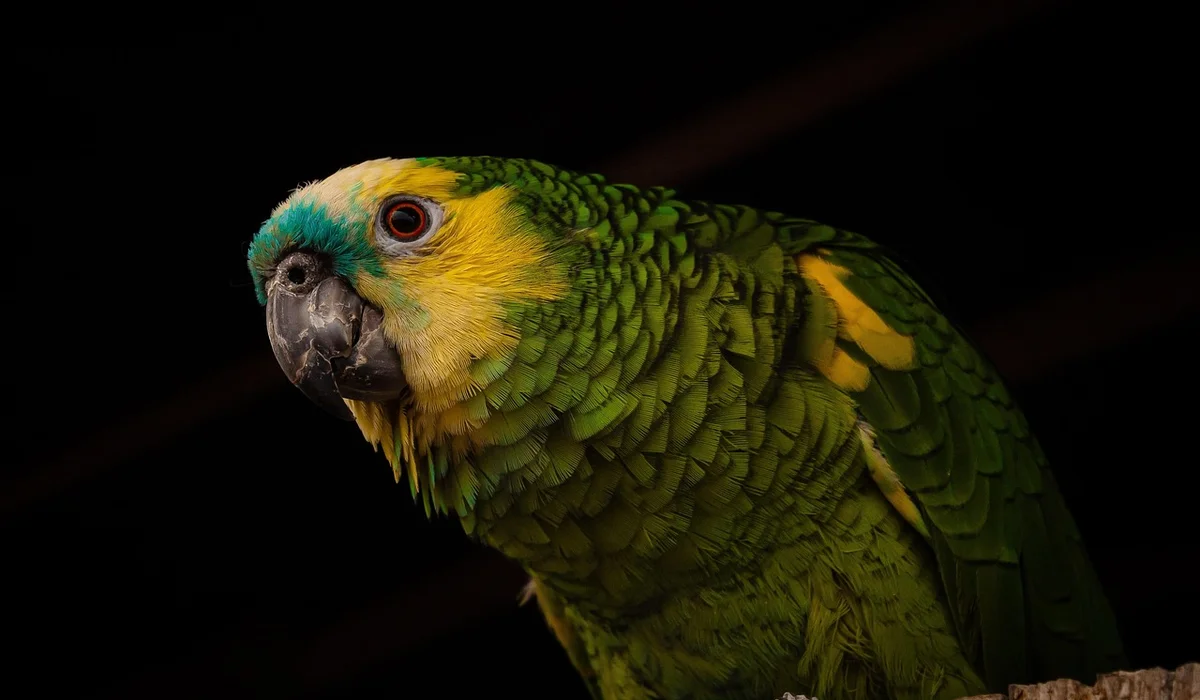
Regular grooming is your first line of defense against the powdery white dust that can trigger allergies. I make it a point to give my Green-cheeked Conure, Kiwi, a gentle misting with lukewarm water almost every day, which weighs down the dander and prevents it from becoming airborne. This mimics the natural rain showers parrots would experience in the wild and most birds, like my playful Kiwi, absolutely love it.
Bathing isn’t just about wetting feathers; it’s about skin health. You can encourage natural bathing behavior by providing a shallow dish of water for your parrot to splash around in, which helps loosen and remove old skin cells and feather sheaths. My Sun Conure, Sunny, will spend a good twenty minutes happily dunking himself, dramatically reducing the amount of dust he produces for the rest of the day. This is part of a complete guide to cleaning your parrot and its environment safely, covering cage hygiene, perches, and bathing routines. Following that guide can help ensure your parrot stays healthy and your home stays cleaner.
Establishing a Cleaning Routine for Allergen Control
Consistency is everything when you’re fighting dander. I treat my parrot’s area like a kitchen counter that needs wiping down daily to prevent the buildup of invisible allergens. This simple habit has made the biggest difference in keeping my own allergies in check while living with three dusty birds.
Dander settles on everything, so your cleaning focus should be broad. Create a simple, rotating schedule where you tackle different zones each day-cages one day, playstands the next, and surrounding furniture after that. This prevents the task from becoming overwhelming and ensures no surface becomes a dander reservoir.
Essential Tools for Effective Dander Removal
Using the wrong tools can just stir dander back into the air. Here’s what I keep in my cleaning arsenal:
- A vacuum cleaner with a certified HEPA filter. This is non-negotiable for trapping the microscopic particles.
- Microfiber cloths, slightly dampened with water, for wiping down surfaces. They grab and hold dust instead of flicking it around.
- A dedicated handheld vacuum for quick daily clean-ups around the cage.
- An air purifier running in the same room (more on that below) to capture what you inevitably kick up during cleaning.
Improving Air Quality in Your Home
Choosing the Right Air Purifier for Bird Dander
Not all air purifiers are created equal, especially for parrot dander. You must look for a unit with a true HEPA filter, as this is the only type designed to capture the ultrafine particles that make up bird dust. After my smart African Grey, Sage, joined our flock, investing in a good purifier was a game-changer for my sinuses. When it comes to choosing the best air purifier for parrots, you’re balancing filtration power with noise and maintenance. Think of it as a feather duster explained for bird-safe air—what to look for and why it matters.
Placement and power matter just as much as the filter type. Position your air purifier close to your parrot’s main cage or play area, and ensure the unit’s Clean Air Delivery Rate (CADR) is rated for the size of your room. Running it on a low setting continuously is far more effective than blasting it for an hour a day. Clean air is especially important during active flights, helping maintain your parrot’s respiratory health. Pair good air quality with a safe, enriched flight space to create a stimulating indoor flight environment your parrot can safely explore.
Boosting Ventilation and Humidity Control
Stagnant, dry air is a paradise for floating dander. Cracking a window open for even just thirty minutes a day can flush out a significant amount of allergens, creating a fresher environment for both you and your bird. Maintaining proper humidity supports a parrot’s respiratory health and feather condition. Too-dry air can irritate airways and dry feathers, so aim for a balanced humidity level in the room. Just be sure your parrot is in a secure, draft-free room when you do this.
Managing humidity plays a dual role in dander control. Using a humidifier to maintain a humidity level between 40-60% helps suppress dust by adding weight to the particles, causing them to fall to the floor faster instead of lingering in the air you breathe. I noticed a marked improvement in air quality for my whole flock when I started monitoring humidity levels more closely.
Long-Term Care for Allergy Sufferers and Their Birds
Building an Allergy-Friendly Pet Care Plan
Creating a solid care plan makes life with your parrot smoother and healthier for everyone. I’ve found that consistency in daily routines drastically cuts down on dander buildup in my home. With Kiwi, my playful Green-cheeked Conure, I stick to a schedule that includes regular cage cleaning and bird baths to keep feathers fresh.
Start by mapping out your week with these key tasks. Focus on simple, repeatable actions that become second nature over time. Here’s a sample plan I use:
- Clean cages daily with a damp cloth to trap dander.
- Bathe your parrot twice a week using a spray bottle or shallow dish.
- Vacuum floors and upholstery every other day to remove loose particles.
- Wash your hands immediately after handling your bird or their toys.
Diet plays a huge role in dander control. Feeding high-quality pellets and fresh veggies can improve your parrot’s skin health, reducing flakiness. General parrot dietary guidelines emphasize a balanced mix: pellets as the staple, plus plenty of fresh vegetables and appropriate fruits, with only modest amounts of seeds. Regularly rotating foods helps cover micronutrient needs and keeps meals interesting. For Sage, my African Grey, I mix in omega-3 rich foods like flaxseeds to support her plumage.
Set up your living space to minimize allergen spread. Use air purifiers with HEPA filters in rooms where your bird spends time, and keep windows open for ventilation when possible. This small change made a big difference with Sunny, my social Sun Conure, who loves to preen near our sitting area.
Working with Vets for Ongoing Allergen Control
Partnering with a vet ensures your parrot stays healthy while managing your allergies. Regular check-ups help catch issues early, like skin conditions that increase dander. I take all my birds for annual visits, and it’s saved us from potential flare-ups. These visits are a cornerstone of a parrot preventative care guide. Annual checkups help monitor weight, beak health, and early signs of illness.
Discuss your allergy concerns openly with your vet. They can recommend bird-safe supplements or adjustments to grooming routines that benefit both of you. For instance, my vet suggested gentle misting for Kiwi to avoid stressing her out during baths.
Keep a log of your parrot’s health and your allergy symptoms to share with your vet. This data helps tailor long-term strategies, such as tweaking diet or environment based on seasonal changes. Here’s what to track:
- Your bird’s feather condition and molting patterns.
- Any changes in your own allergic reactions over weeks.
- Notes on cleaning frequency and its impact on dander levels.
Advocate for your parrot’s welfare by choosing vets experienced with birds. They’ll guide you on humane ways to reduce allergens without compromising your bird’s happiness. With Sage, we focused on enrichment toys that distract her from over-preening, a common dander source.
FAQs
Are there hypoallergenic parrot species that produce less dander?
While no parrot is completely hypoallergenic, smaller species like budgies or cockatiels generally produce less dander than larger birds such as African Greys. Always spend time with a bird before adoption to assess your personal allergy response.
What over-the-counter medications can help with parrot allergy symptoms?
Antihistamines like loratadine or cetirizine may relieve mild symptoms such as sneezing or itching. Consult a healthcare provider to choose the right option and avoid interactions with other conditions.
How can I reduce dander exposure in a multi-pet household?
Designate separate areas for your parrot and other pets to limit dander spread and cross-contamination. Use HEPA air purifiers in shared spaces and groom all pets regularly to manage overall allergen levels.
In Closing
To tackle parrot dander, stick to daily cage cleanings, use HEPA air purifiers, and give your bird regular baths. But there are common cage-cleaning mistakes that can harm your parrot’s health if you’re not careful. In my years with parrots like Kiwi and Sunny, I’ve seen how these simple steps cut down on allergens and keep everyone breathing easier.
Owning a parrot means committing to their health and happiness, so keep exploring new care tips and resources. For a complete guide to the most common parrot health concerns, learn what to watch for and how to respond. By staying informed and putting your bird’s needs first, you build a bond that’s rewarding for both of you.
Further Reading & Sources
- Dealing with Parrot Dander – Allergy Cosmos
- Understanding And Managing Parrot Allergies | Poodles and Parrots
- Managing Cockatoo Dander and Cockatiel Dust – BirdSupplies
Suzanne Levine is a dedicated parrot enthusiast and experienced avian caregiver with over 15 years of hands-on experience in parrot care. As the founder of Parrot Care Central, Suzanne is passionate about sharing her knowledge and insights to help fellow parrot owners provide the best possible care for their feathered friends. Her expertise spans nutrition, behavior, health, and enrichment, making her a trusted resource in the parrot care community.
Health & Wellness