
Socializing Your Parrot After Quarantine: A Step-by-Step Guide
Published on: January 10, 2026 | Last Updated: January 10, 2026
Written By: Suzanne Levine
Is your parrot acting skittish or withdrawn after spending so much time alone during quarantine? You’re not alone in worrying about their sudden shyness or fear around others.
Having raised parrots like Kiwi, Sunny, and Sage, I’ve navigated this exact challenge and can help you ease your feathered friend back into social settings with care and confidence.
We’ll cover three essential strategies to rebuild their trust and comfort:
- Assess your parrot’s current emotional state to tailor your approach safely.
- Gradually introduce new people and environments to prevent overwhelming them.
- Use positive reinforcement to encourage curiosity and reduce anxiety over time.
You’ll receive straightforward, actionable steps that prioritize your parrot’s well-being. We’ll focus on positive reinforcement training for parrots, highlighting how rewarding desirable behaviors can accelerate learning and cooperation. Topics covered include: Assessing readiness, Gradual introductions, Positive reinforcement techniques, Monitoring body language, Troubleshooting setbacks, Long-term socialization habits
Why Quarantine Is Essential for Your Parrot’s Health
Quarantine isn’t just a suggestion—it’s your first line of defense for your flock’s well-being. This isolation period acts as a protective barrier, preventing new birds from introducing illnesses to your existing parrots. To make this concrete, I follow a 30-day quarantine protocol for every new bird. This 30-day window gives me time to watch for signs of illness and ensure it’s safe to mingle with the flock. I learned this the hard way years ago when I skipped proper quarantine and dealt with a respiratory scare that affected two of my birds.
Beyond disease control, quarantine gives your new parrot a quiet space to decompress. Moving to a new home is incredibly stressful for birds, and this separate area reduces sensory overload. My green-cheeked conure Kiwi spent his first week just watching our household routines from his quarantine room before he felt ready to engage. Once he’s settled, you can start shaping a safe, stimulating indoor flight environment for your parrot. Supervised flight in a bird-proof room helps him burn energy and stay engaged.
Setting Up Your Quarantine Space
- Choose a separate room away from other birds with good ventilation
- Equip with basic perches, food/water dishes, and simple toys
- Maintain consistent temperature between 65-80°F
- Use separate cleaning supplies dedicated to this room only
- Always wash hands thoroughly before and after handling
Monitoring Health and Stress Signals
Watch closely for these warning signs during quarantine. Fluffed feathers lasting more than a few hours often indicate illness, while repetitive pacing might signal stress. My sun conure Sunny showed me exactly what stress looks like when she started feather-plucking during her first days with us.
- Healthy signs: bright eyes, smooth feathers, normal droppings
- Illness indicators: sneezing, lethargy, changes in appetite
- Stress behaviors: excessive screaming, aggression, or hiding
- Physical changes: weight loss, discharge from nostrils
Always schedule a veterinary examination before ending quarantine, even if your parrot appears perfectly healthy. Many illnesses have incubation periods where birds show no symptoms but can still spread disease.
Preparing for a Smooth Parrot Introduction
Creating the right environment makes all the difference in how your parrots will accept each other. I’ve found that starting with a calm, enriched space helps new birds feel secure enough to explore social connections. When I introduced Sage, my African Grey, I spent weeks preparing the environment first.
Building Your Introduction Toolkit
- Multiple food and water stations to prevent competition
- Extra perches and toys to reduce territorial behavior
- Treats for positive reinforcement during interactions
- Barriers or separate cages for controlled introductions
- First-aid supplies just in case disagreements happen
Establishing Trust Through Routine
Parrots thrive on predictability. Create a consistent daily schedule for feeding, playtime, and quiet hours to help your new bird understand what to expect. I always serve breakfast at the same time and follow with training sessions—this consistency helped Kiwi bond with me much faster. If you’re curious how training differs among species, a quick comparative guide can help tailor routines to each bird. It highlights variations in approach, pacing, and rewards across parrot species.
- Start with short, positive interactions near the quarantine room
- Gradually extend supervised time together
- Use favorite foods to create positive associations
- Keep initial introductions brief to end on good notes
- Always provide escape routes to prevent feeling trapped
Reading Parrot Body Language
Learning to interpret your parrot’s signals is crucial for successful bonding. Pinned eyes with relaxed feathers often mean curiosity, while raised neck feathers can signal aggression. Watching Sunny’s body language helped me understand when she was ready to meet the other birds versus when she needed space.
- Comfort signs: soft chirping, preening, relaxed posture
- Warning signals: lunging, hissing, or sudden stillness
- Playful mood: head bobbing, wing flapping, toy interaction
- Fear responses: crouching, attempts to flee, or frozen posture
Move at your parrot’s pace rather than pushing interactions they’re not ready for. Some birds need days to adjust while others might need weeks-respecting their individual comfort levels builds lasting trust.
Building Trust Through Gradual Exposure
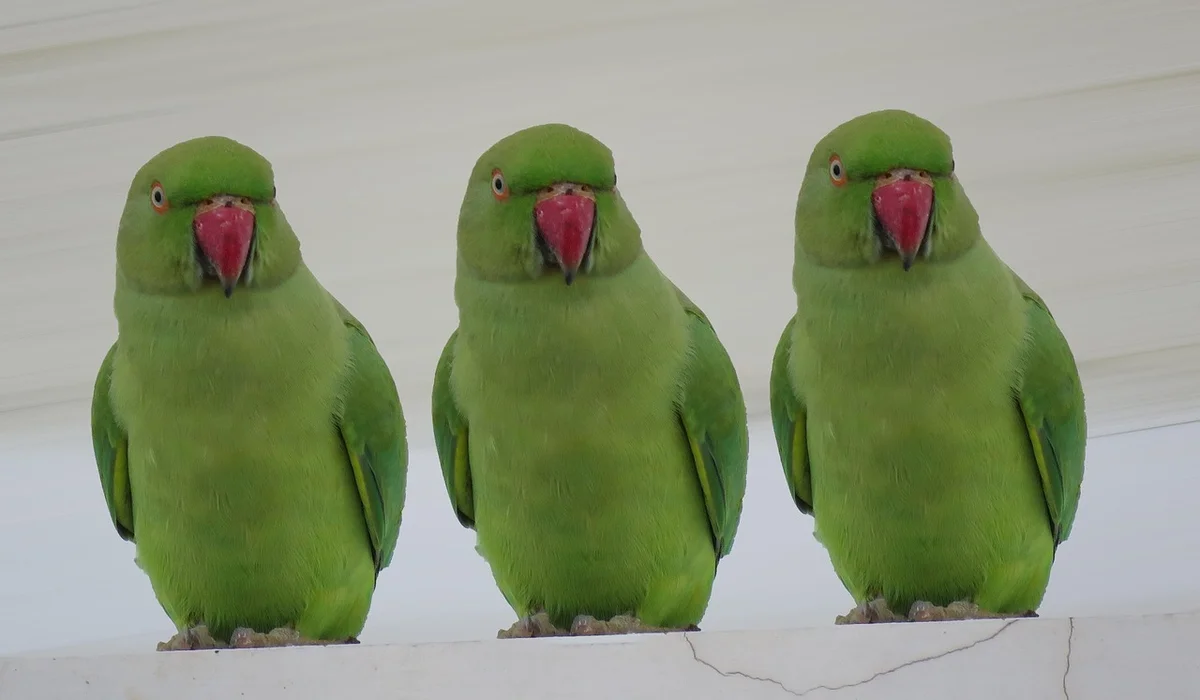
I learned with my Green-cheeked Conure Kiwi that trust builds in tiny moments, not grand gestures. Start by simply sitting near your parrot’s cage without making direct eye contact, which can feel threatening to them. Read a book aloud or talk softly about your day-your calm presence becomes their new normal.
Step-by-Step Positive Reinforcement
- Begin each session with a quiet approach, letting your parrot see you from a distance.
- Offer a tiny treat through the cage bars when they show curiosity instead of fear.
- Once comfortable, open the cage door and let them choose to come closer on their terms.
- Use a gentle “step-up” command, rewarding immediately with praise and a favorite snack.
My Sun Conure Sunny took weeks to accept handling after isolation. Patience here is everything-rushing will undo weeks of progress in minutes.
Calm First Interactions Near the Cage
- Keep initial interactions under 10 minutes to prevent stress.
- Move in slow motion when changing food/water during these sessions.
- Speak in a consistent tone-I use a higher pitch for happy moments.
- Observe their feathers: flattened means fear, slightly puffed indicates relaxation.
Watch for subtle signs like eye pinning (rapid pupil contraction) which shows heightened interest-that’s your green light to continue.
Enrichment Activities for Social Engagement
- Place foraging toys near where you sit so they associate you with fun discoveries
- Try “mirror training” where you both look into a small mirror together
- Introduce puzzle feeders that require mild interaction with your hands
- Share safe foods from your hand like carrot tops or millet spray
My African Grey Sage loves when we “share meals”-I eat my snack while she has hers nearby. This parallel activity builds companionship without pressure.
Using Treats Safely to Reinforce Behavior
Not all treats work equally! Reserve their absolute favorite food (for Sage it’s walnuts) only for breakthrough moments. Use smaller, healthier options like safflower seeds or chopped peppers for daily rewards. Always offer from an open palm to avoid accidental nips, and never use food deprivation to increase treat motivation-that breaks trust permanently.
Introducing Your Parrot to Family and Other Pets
When my niece first met Kiwi, we almost had a feather-flying disaster. Introduce new people one at a time, starting with the calmest family member first. Have them sit across the room while you hold your parrot, offering treats when they remain relaxed.
Slow Introductions to New People and Animals
- Begin with visual introductions through cage bars or from across the room
- Progress to having new persons offer high-value treats without direct contact
- For other pets, always keep them leashed or contained during initial meetings
- Schedule short, positive sessions days apart to prevent overwhelm
I never let my cats in the same room as my birds without me physically between them-their natural instincts can trigger in milliseconds.
Body Language Cues for Safety
- Danger signs: raised wing feathers, crouching position, hissing sounds
- Comfort signs: soft chirping, relaxed posture, preening in your presence
- Human cues matter too-ask visitors to avoid sudden movements or loud voices
- Watch for “beak grinding” which indicates your parrot feels secure
When Sage starts clicking her tongue, I know she’s ready for more interaction. Learning these subtle signals transformed how my whole family interacts with our birds.
Supervised Interactions and Boundaries
Create clear rules everyone follows: no grabbing, no forcing interactions, and always supervise children. I use a “three feet rule”-other pets must maintain this distance until everyone is comfortable. End sessions immediately if any animal shows stress-better to cut things short than create negative associations.
Addressing Social Needs Without Overwhelm
- Provide “safe retreat” spots in every room-covered perches or high shelves
- Rotate social sessions with quiet alone time throughout the day
- Watch for overstimulation signs like feather plucking or loss of appetite
- Maintain consistent routines-parrots find comfort in predictable patterns
After quarantine, my parrots needed gradual social rebuilding. We started with just 15 minutes of family time daily, slowly increasing as they showed readiness through bright eyes and curious chirps. This mirrors the steps in a new parrot’s first day home survival guide. Keep sessions brief, calm, and positive, then gradually build up as trust grows.
Overcoming Common Socialization Challenges
Your parrot might show stress through biting or loud squawks after quarantine. I’ve faced this with my Green-cheeked Conure, Kiwi, who used to nip when overwhelmed. It’s their way of saying, “I’m not comfortable yet.”
Practical Solutions for Biting, Screaming, and Fear
Start by identifying triggers. Loud noises or sudden movements often cause fear. For biting, I learned to stay calm and avoid pulling away quickly, which can encourage more biting. Instead, gently redirect their attention to a toy.
- For biting: Offer a chew toy and step back briefly.
- For screaming: Ignore the noise and reward quiet moments with a treat.
- For fear: Sit near their cage quietly, speaking in a soft tone to build trust.
Stepwise Retraining Plan for Negative Behaviors
Retraining takes time but works with persistence. My Sun Conure, Sunny, used to scream for attention until I followed a consistent routine.
- Observe and note what triggers the behavior.
- Replace the negative action with a positive one, like giving a puzzle toy.
- Reward calm behavior immediately with praise or a favorite snack.
- Practice daily in short sessions to avoid overwhelming your bird.
Owner Guidance on Patience and Consistency
Progress isn’t always linear. Some days, my African Grey, Sage, would regress, and I had to remind myself to stay patient. Set small goals, like reducing screaming by a few minutes each week.
- Keep a journal to track improvements.
- Stick to a predictable schedule for feeding and playtime.
- Celebrate tiny victories to stay motivated.
When to Seek Help from an Avian Behaviorist
If behaviors worsen or include feather plucking, consult a professional. I reached out when Kiwi’s biting became frequent, and it made a huge difference. If your goal is to stop your parrot from plucking its feathers, a tailored plan from a professional can help. Early intervention, enrichment, and addressing stressors often make a big difference. Look for certified avian behaviorists if your parrot shows signs of prolonged stress or aggression.
Enrichment Activities to Boost Social Bonds
Fun activities strengthen your connection and reduce boredom. Playing games with my parrots turned fearful birds into curious companions.
Fun and Safe Enrichment Ideas for Interaction
Simple toys and games encourage bonding. I started with basic foraging boxes for Kiwi, who loves uncovering hidden treats.
- Foraging toys: Hide nuts in crumpled paper for them to find.
- Interactive puzzles: Use bird-safe wooden puzzles with compartments.
- Training games: Teach “step-up” commands using positive reinforcement.
Using Toys, Puzzles, and Games for Bonding
Choose items that match your parrot’s personality. Sunny adores colorful shreddable toys, while Sage prefers logic-based puzzles. Rotate toys weekly to keep things fresh.
- Introduce one new toy at a time to avoid overwhelming them.
- Play together by demonstrating how to use the toy.
- Incorporate verbal praise to build trust during play.
Steps to Gradually Increase Activity Complexity
Start easy and build up challenge levels. With Sage, I began with simple fetch and advanced to mini obstacle courses.
- Week 1: Basic foraging with visible treats.
- Week 2: Hide treats under lightweight cups.
- Week 3: Add multi-step puzzles requiring problem-solving.
- Week 4: Combine physical and mental tasks, like climbing for a reward.
Monitoring Behavior to Tailor Enrichment
Watch for signs of enjoyment or stress. Kiwi chirps and fluffs up when happy, but if he avoids a toy, I switch it out. Adjust activities based on their reactions to keep engagement high.
- Note which toys they interact with most.
- Reduce complexity if they seem frustrated.
- Always prioritize safety by checking for worn-out parts.
Safety Measures for a Stress-Free Socialization
Getting your parrot ready for social interactions starts with creating a secure environment. I always prepare my space by removing potential hazards like toxic plants, open windows, and small objects they might chew. This simple step prevents most accidents before they happen. To take this further, our building parrot safe bird room complete design guide can help you design a full, safe space from floor to ceiling. It covers layout, materials, and safety features.
Essential Safety Supplies and Environment Checks
- Secure all doors and windows to prevent escapes
- Remove other pets from the interaction area
- Check for exposed electrical cords and cover them
- Have a first-aid kit specifically for birds nearby
- Ensure ceiling fans are completely off
- Place water bowls away from play areas to avoid spills
Accident Prevention During Handling
When I first started handling my conure Kiwi after quarantine, I learned to move slowly and predictably. Always approach your parrot from the front where they can see you coming, never from behind. This builds trust while preventing surprise bites.
- Wash your hands thoroughly before each session
- Keep handling sessions under 15 minutes initially
- Supervise all interactions with children or new people
- Teach guests proper hand placement before approaching
- Avoid sudden movements or loud noises near the cage
Creating a Low-Stress Routine
Parrots thrive on predictability, especially after periods of isolation. I established a consistent daily schedule for my African Grey Sage that included specific socialization times, feeding periods, and quiet hours. This regularity helped him understand when to expect interaction versus when he could relax alone.
- Schedule socialization during their most active hours
- Maintain consistent wake-up and bedtime routines
- Place their cage in a busy family area but with a quiet corner
- Use the same verbal cues for starting and ending sessions
- Keep familiar toys and perches in their space during transitions
Recognizing and Responding to Stress Signals
Learning your parrot’s body language is crucial for successful socialization. When my sun conure Sunny starts pinning her eyes rapidly and crouching low, I know she’s feeling overwhelmed and needs a break. Pushing through these signals can damage your bonding progress.
- Feather fluffing combined with tense body means discomfort
- Beak grinding indicates contentment, while clicking can signal warning
- Wings held slightly away from body often means they’re nervous
- Loud, repetitive squawking usually signals distress, not playfulness
- Regurgitation during handling might mean they’re overstimulated
When you notice stress signals, immediately return them to their safe space and try again later. Respecting their boundaries builds more trust than forcing interaction ever could.
Tracking Progress and Adjusting Your Approach
Documenting your parrot’s socialization journey helps you recognize patterns and make informed adjustments. I keep a simple notebook where I jot down daily observations about each bird’s reactions to new experiences. This practice has helped me spot subtle improvements I might otherwise miss.
Monitoring Trust-Building Milestones
Socialization progress happens in small steps rather than giant leaps. Celebrate when your parrot voluntarily steps onto your hand for the first time, as this indicates growing trust in your presence. These moments build the foundation for deeper bonding.
- First eye contact without flinching away
- Accepting treats directly from your hand
- Voluntarily moving closer to you in their cage
- Initiation of gentle beak exploration without biting
- Relaxed body posture during your approach
Daily Socialization Evaluation Checklist
This quick checklist takes me less than five minutes to complete after each session:
- Did they maintain relaxed body language for most of the session?
- Did they accept at least one treat from my hand?
- Were there fewer stress signals than previous sessions?
- Did they initiate any positive interaction?
- How quickly did they recover if startled?
Adapting Techniques Based on Behavior Changes
Your parrot’s reactions should guide your socialization pace. When Kiwi started eagerly approaching the cage door during our sessions, I knew he was ready for more challenging interactions outside his safe space. Similarly, if your parrot shows increased stress, scale back to earlier successful steps.
- If they’re avoiding eye contact, return to talking from a distance
- When they start vocalizing back to you, increase conversation time
- If they’re biting more frequently, check for physical discomfort
- When they preen near you, they’re comfortable enough for closer interaction
- If they’re eating well during sessions, they feel secure in your presence
Signs of Successful Bonding and When to Advance
Recognizing genuine bonding moments helps you time your next steps perfectly. The day Sage deliberately flew to my shoulder instead of his perch, I knew our bond had reached a new level of trust. These breakthroughs signal readiness for more complex socialization.
- They seek you out when you enter the room
- They mimic your sounds or words during calm moments
- They allow gentle head scratches without tension
- They display excited behavior when you prepare for interaction time
- They comfortably eat while you hold their food dish
When you observe multiple bonding signs consistently, you can safely introduce new people or slightly more challenging environments. Successful parrot socialization isn’t about rushing through steps, but about recognizing when your bird is genuinely ready for the next adventure together. If you want to know if your parrot is happy, look for the 10 key signs. These cues help you pace socialization and keep your bird thriving.
FAQs
How long does it typically take to socialize a parrot after quarantine?
The timeline varies based on your parrot’s individual temperament and past experiences. Patience is essential, as some birds may adjust in weeks while others need months of consistent, gentle interaction. In the first 90 days, consistent feeding, gentle handling, and a calm routine lay the foundation for healthy development. This baby parrot care complete guide covers exactly that from day one through day 90.
What should I do if my parrot refuses to interact with new people?
Begin by having unfamiliar individuals offer favorite treats from a safe distance without making direct eye contact. Gradually shorten the space between them over multiple sessions as your parrot shows relaxed body language and curiosity.
Can I socialize an older parrot who has had limited human contact?
Yes, older parrots can learn to trust with time and tailored approaches that respect their comfort zones. Focus on building positive associations through routine and rewards, adjusting pace based on their responses to avoid stress.
Final Words
Your patience and gentle, consistent approach are the most powerful tools for helping your parrot readjust to a social world. Remember to move at their pace, using treats and positive reinforcement to build trust and confidence during every interaction. These bonding techniques that work can help you establish a lasting connection and keep trust growing. Consistency is key to making these methods effective.
Being a great parrot guardian means committing to lifelong learning about their complex emotional and physical needs. I encourage you to keep exploring and growing alongside your feathered friend, ensuring they live a happy, enriched life as a cherished member of your family.
Further Reading & Sources
- How do I socialise my new bird with other birds? – RSPCA Knowledgebase
- 8 Tips On How To Socialize Your Parrot – BirdSupplies
- Trained Parrot Blog – Socizliazing a Parrot to Visitors
Suzanne Levine is a dedicated parrot enthusiast and experienced avian caregiver with over 15 years of hands-on experience in parrot care. As the founder of Parrot Care Central, Suzanne is passionate about sharing her knowledge and insights to help fellow parrot owners provide the best possible care for their feathered friends. Her expertise spans nutrition, behavior, health, and enrichment, making her a trusted resource in the parrot care community.
Socialization