Why Do Parrots Regurgitate? Normal Behavior vs. Health Concern
Published on: August 30, 2026 | Last Updated: August 30, 2026
Written By: Suzanne Levine
You just saw your parrot bobbing its head and bringing up food, and now you’re wondering if this is a sweet gesture or a sign of sickness.
I’ve been there with my own flock, from Kiwi the conure to Sage the African Grey, and I can help you understand what’s really going on.
We’ll break down the key differences so you can feel confident about your bird’s health.
- Learn the clear signs that separate affectionate regurgitation from a serious health problem.
- Identify the specific symptoms that mean you should call your avian vet immediately.
- Get my simple, actionable steps for how to respond to this behavior correctly.
You will get straightforward advice you can use right away.
What is normal regurgitation, Reasons for abnormal regurgitation, When to be concerned and call a vet, How to respond to your parrot, Preventative care and diet tips
What Is Parrot Regurgitation and Why It Happens
Regurgitation is a deliberate, controlled process where a parrot brings up undigested food from its crop—a storage pouch in their throat. This is a natural, voluntary action, not a sign of illness when done in the right context. It’s often a sign of affection and bonding. If the behavior starts at unusual times or is prolonged or accompanied by other symptoms, consider a vet check. I’ve watched my Green-cheeked Conure, Kiwi, do this many times, often with a specific head-bobbing motion. It’s completely different from vomiting, which is a forceful, sickly expulsion of stomach contents.
Here’s a simple breakdown of the key differences:
| Regurgitation | Vomiting |
|---|---|
| Controlled, deliberate head bobbing | Forceful, uncontrolled head shaking |
| Brings up undigested food from the crop | Expels digested, sour-smelling fluid from the stomach |
| Bird appears happy and normal afterward | Bird appears lethargic, puffed up, and unwell |
Seeing your parrot regurgitate is often a sign of a deep, instinctual drive to provide and bond. It’s a behavior rooted in their wild ancestry, where parents regurgitate to feed their chicks and mates share food to strengthen their pair bond. Understanding these instincts also sheds light on another common behavior: bites. By learning the triggers and causes behind biting, you can respond more effectively and reduce stress for both of you.
Normal Reasons Parrots Regurgitate: Affection and Social Bonds
When your parrot looks at you with soft eyes and bobs its head to bring up a little food, it’s one of the highest compliments they can give. My Sun Conure, Sunny, used to do this on my shoulder, a clear signal I was considered her flock. This behavior is a powerful expression of their social nature.
You’ll typically see this happen for a few key, positive reasons:
- Courtship and Bonding: A parrot may regurgitate for a perceived mate, which could be you, another bird, or even a favorite toy. It’s their way of saying, “I care for you and want to provide.”
- Parental Instinct: If your bird has hormonal triggers, like long daylight hours or a cozy nesting area, it might start regurgitating as if feeding imaginary chicks.
- Flock Feeding: In the wild, flock members share food. Your parrot might be including you in this important social ritual, solidifying your place in its family.
Managing this affectionate behavior is crucial to prevent it from becoming an obsessive habit. If my African Grey, Sage, starts this, I gently distract him with a foraging toy or change the subject with a training session. It’s about acknowledging the love without encouraging the hormonal overdrive.
Watch their body language. A content, relaxed posture with gentle head bobbing is normal. This is a beautiful, non-verbal language of love in the parrot world, and understanding it deepens your connection. Parrots express emotions like laughter, anger, and affection through vocalizations and gestures. Learning these cues helps you respond with care.
When Regurgitation Becomes a Health Concern: Warning Signs
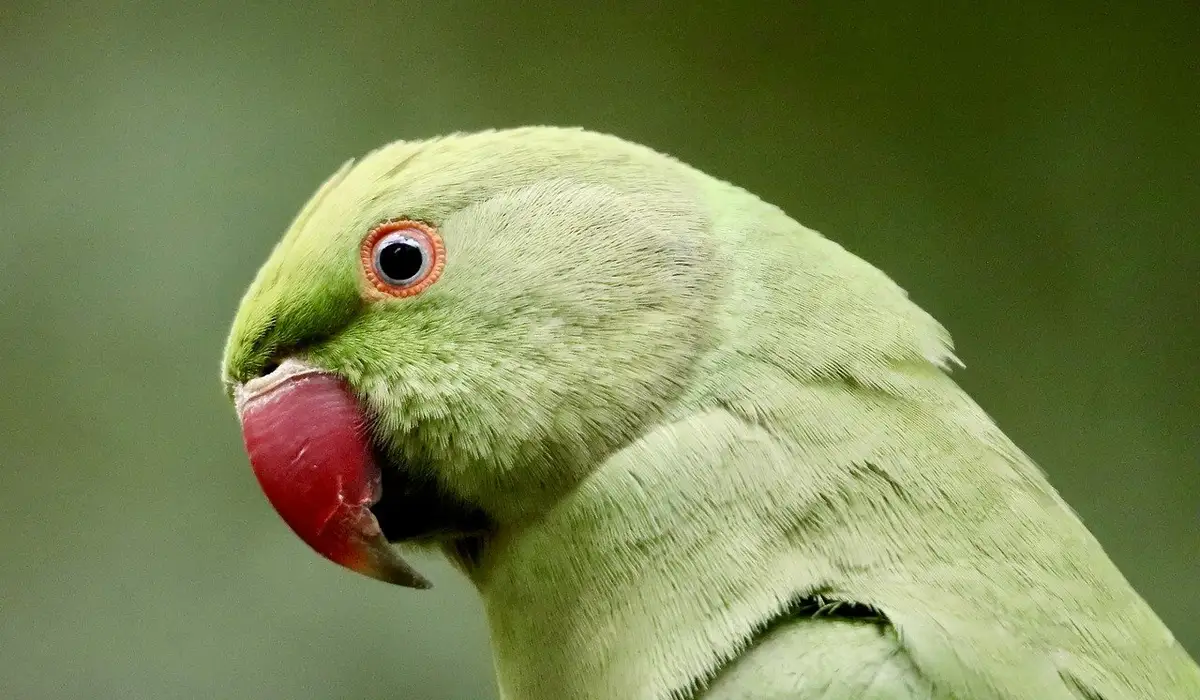
My green-cheeked conure, Kiwi, once regurgitated for his favorite toy so frequently I grew concerned. Normal regurgitation happens during bonding moments and stops quickly, but problematic patterns persist without social triggers. Watch for these red flags that demand closer attention.
- Regurgitation occurs multiple times per hour or continues for more than a day
- Your parrot targets inanimate objects exclusively, avoiding living companions
- You notice weight loss despite normal eating habits
- The behavior happens alongside feather plucking or increased aggression
- Regurgitated material contains undigested food hours after eating
I learned through experience that context matters tremendously. Healthy regurgitation is a brief, focused social offering, while concerning repetition often indicates physical discomfort or psychological stress. My sun conure Sunny once regurgitated for three straight days after we moved houses – the vet explained her stress hormones were affecting her digestive system.
Regurgitation vs. Vomiting: Key Differences to Watch For
Many bird owners confuse these behaviors, but recognizing the distinction could save your parrot’s life. Regurgitation is a controlled, purposeful action, while vomiting is an involuntary reflex indicating system failure. Here’s how I tell them apart with my flock. If you’re wondering why parrots vomit, the difference matters for how you respond. Differentiating vomiting from regurgitation can prevent mistaken alarms and ensure timely care.
- Regurgitation involves deliberate head bobbing; vomiting features violent head shaking
- Regurgitated food appears barely digested; vomit contains stomach acids and smells sour
- Regurgitating birds remain alert; vomiting parrots become lethargic and puffed up
- Regurgitation targets specific recipients; vomiting sprays randomly across surroundings
- Regurgitation stops when the bird chooses; vomiting continues uncontrollably
My African grey Sage once vomited after chewing on a toxic houseplant. The difference was immediately obvious – instead of his usual gentle head motions, his entire body convulsed while expelling fluid. That experience taught me to always err on the side of caution when seeing abnormal expulsion.
Signs Your Parrot Needs Immediate Veterinary Care
Some symptoms indicate genuine emergencies requiring professional intervention. Never hesitate to contact your avian vet if you observe any of these warning signals alongside regurgitation or vomiting. I’ve rushed to emergency care twice in ten years, and both times these signs appeared first.
- Blood in regurgitated material or vomit
- Difficulty breathing or audible wheezing sounds
- Inability to perch or maintain balance
- Swollen crop that feels hard to the touch
- Complete loss of appetite for over 12 hours
- Drooping wings and extreme lethargy
- Green or yellow tinge to droppings
Animal welfare comes first in these situations. Birds hide illness instinctively, so visible symptoms often indicate advanced problems needing urgent treatment. That quick response when Sage was sick likely saved his life – don’t gamble with waiting to see if symptoms improve on their own.
How to Prevent and Manage Regurgitation Issues
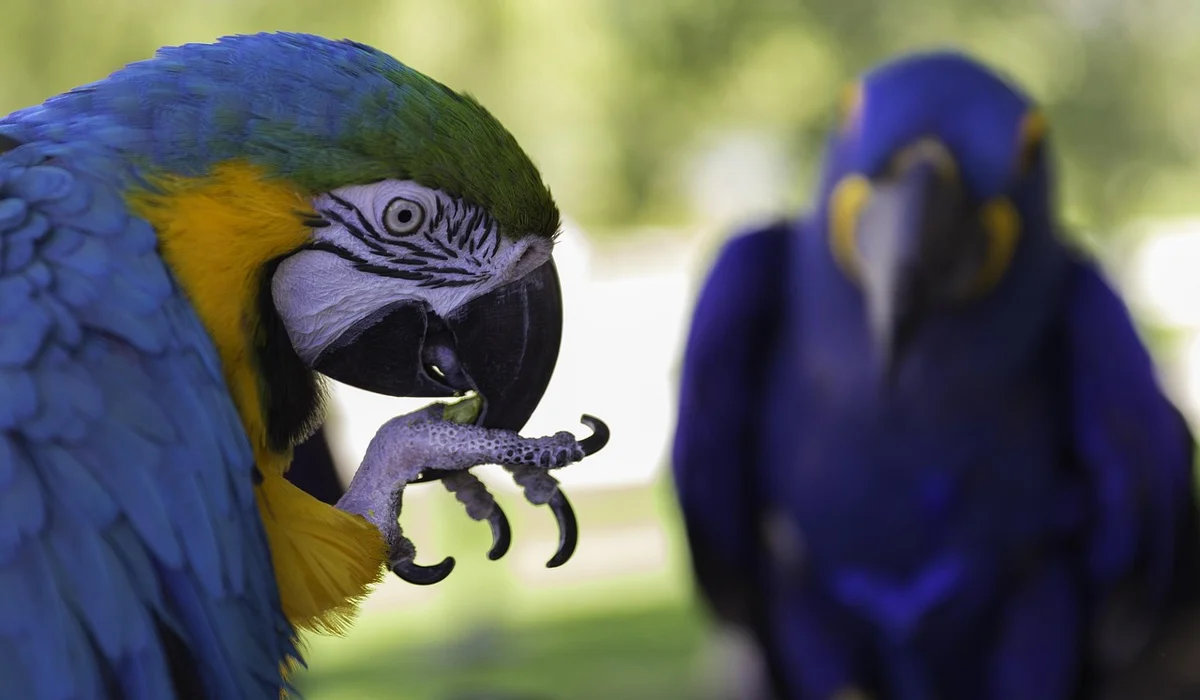
Regurgitation can be a sign of affection or a red flag for health problems, so knowing how to handle it is key. I’ve found that observing your parrot’s body language helps you spot the difference early on. With Kiwi, my playful Green-cheeked Conure, I noticed he’d regurgitate when he felt extra bonded, but I had to step in when it became too frequent. Understanding which movements are normal versus warning signs can help you respond appropriately, and recognizing shaking as either normal self-soothing or a potential health issue is part of that skill.
Prevention Strategies
Start by ensuring your parrot’s diet is balanced and not too rich in fatty foods. A varied diet with fresh veggies and pellets can reduce unnecessary regurgitation episodes. I always check Sage’s food bowl to avoid overfeeding, which I learned the hard way when he started regurgitating from excitement. Being aware of common parrot feeding mistakes helps prevent problems like overfeeding and nutritional gaps. Sticking to a balanced, varied diet can help you avoid them and keep Sage healthy.
- Offer mental stimulation through toys and training to curb stress-related behaviors.
- Limit handling during bonding displays to avoid encouraging regurgitation as a habit.
- Maintain a consistent routine to minimize environmental stressors.
Management Techniques
If regurgitation happens, assess the situation calmly. Keeping a calm, steady presence helps a scared, stressed parrot feel safe. Slow, quiet movements and a gentle voice reinforce that safety. Gently redirect your parrot’s attention with a favorite toy or a quick training session to break the cycle. When Sunny, my Sun Conure, regurgitated out of anxiety, I’d sit nearby and talk softly to reassure her without reinforcing the behavior.
- Monitor frequency and context in a journal to track patterns.
- Clean any regurgitated material promptly to maintain hygiene.
- Consult a vet if it persists or is accompanied by other symptoms like lethargy.
Veterinary Diagnostics and Treatments for Problematic Regurgitation
When regurgitation signals a health issue, swift veterinary care is essential. Early intervention can prevent complications, as I saw with Sage’s scare that turned out to be a minor infection. Vets use a range of tools to pinpoint the cause, from physical exams to advanced tests.
Common Diagnostic Methods
Your vet will start with a thorough physical check, feeling for abnormalities in the crop and abdomen. Diagnostics often include blood tests to rule out infections or metabolic disorders. For Kiwi, an X-ray revealed no blockages, giving me peace of mind and a clear path forward.
- Fecal exams to detect parasites or bacterial issues.
- Imaging like X-rays or ultrasounds to view internal structures.
- Crop washes to analyze fluid samples for signs of disease.
Treatment Options
Treatments vary based on the diagnosis, from medications to dietary tweaks. Follow your vet’s advice closely, as consistency is crucial for recovery. After Sunny’s treatment for a mild crop infection, I adjusted her diet to include probiotics, and she bounced back quickly.
- Administer prescribed antibiotics or antifungals as directed.
- Switch to a softer, easily digestible diet during recovery.
- Schedule follow-up visits to monitor progress and adjust care.
FAQs
Is regurgitation harmful to my parrot’s health?
Normal regurgitation is not harmful and is a natural behavior for bonding and affection. However, frequent or forceful regurgitation can indicate underlying health issues that may require veterinary attention.
Can I train my parrot to stop regurgitating?
Yes, you can gently discourage excessive regurgitation by redirecting your parrot’s attention with toys or training. Avoid reinforcing the behavior by limiting physical contact during bonding displays to prevent it from becoming a habit. Structured, routine training sessions give your parrot predictable expectations and help address various behavioral issues. Consistency and positive reinforcement are key to shaping desirable behaviors over time.
What does it mean if my parrot regurgitates without any social interaction?
Regurgitation without social triggers often signals stress, boredom, or a health problem like crop infection. It’s important to monitor for other symptoms and consult a vet if this behavior persists.
How does diet influence regurgitation behavior?
A balanced diet with fresh vegetables and pellets can reduce unnecessary regurgitation by preventing overexcitement or digestive issues. Avoid fatty or rich foods that might trigger excessive regurgitation as a response.
Are young parrots more likely to regurgitate than older ones?
Young parrots may regurgitate more often as they explore social bonds and mimic parental behaviors. Older parrots might do so less frequently unless triggered by hormonal changes or health concerns. Parrots do not menstruate; instead, hormonal shifts related to breeding can influence these behaviors.
Closing the Loop
In a nutshell, regurgitation is often your parrot’s sweet way of bonding and showing affection. You can usually relax when it’s a gentle, purposeful action aimed at you, a favorite toy, or another bird. But stay sharp for the red flags—if it’s paired with lethargy, weight loss, or happens with a messy head shake, it’s time to call your vet. Preening is another normal grooming behavior that can signal comfort when it’s calm and purposeful. If preening becomes frantic, excessive, or is accompanied by signs of worry like feather loss or changes in appetite, check in with your vet.
Being a great parrot parent means staying curious and observant. Your feathered friend relies on you to notice the subtle differences between a loving gesture and a cry for help. Keep learning, keep watching, and you’ll build an even deeper, healthier bond with your amazing companion.
Further Reading & Sources
- Regurgitation – Lafeber® Pet Birds
- Causes of Regurgitation in Pet Birds
- Why Do Parrots Regurgitate Their Food?
Suzanne Levine is a dedicated parrot enthusiast and experienced avian caregiver with over 15 years of hands-on experience in parrot care. As the founder of Parrot Care Central, Suzanne is passionate about sharing her knowledge and insights to help fellow parrot owners provide the best possible care for their feathered friends. Her expertise spans nutrition, behavior, health, and enrichment, making her a trusted resource in the parrot care community.
Health & Wellness