
How to Create a Stress-Free Grooming Routine for Your Parrot
Published on: October 2, 2026 | Last Updated: October 2, 2026
Written By: Suzanne Levine
If the thought of trimming your parrot’s nails or cleaning their feathers makes you both anxious, you’re not alone. Many bird owners worry about causing their feathered friend distress during essential care.
I will help you turn grooming from a chore into a bonding experience by focusing on three key principles:
Understanding your parrot’s unique body language to recognize stress signals.
Creating a calm, predictable environment that builds trust over time.
Using positive reinforcement to make grooming activities rewarding.
You will get clear, step-by-step advice you can start using today. This article covers:
Reading body language, Setting up a calm space, Positive reinforcement techniques, Handling common grooming tasks, Troubleshooting fear and resistance
What Parrot Grooming Really Means
Grooming isn’t just about keeping your parrot looking pretty-it’s a complete care package for their feather condition, beak health, and nail length. Regular grooming sessions directly impact your bird’s physical comfort and prevent common issues like overgrown beaks or sharp nails that can snag on fabrics. Learning how to properly groom your parrot’s nails, beak, and feathers can make all the difference.
Beyond the physical benefits, grooming builds an incredible bond between you and your feathered friend. My Green-cheeked Conure, Kiwi, used to be wary of my hands until we started weekly feather inspections. That consistent, gentle handling transformed our relationship from cautious to cuddly in just a few months.
Establishing a routine creates predictability that parrots thrive on. My African Grey, Sage, now anticipates her Friday beak checks and actually leans into the file. This ritual has become our special communication time where she softly vocalizes her approval. These routine training moments help address behavioral issues by reinforcing calm, cooperative behavior. With consistency, Sage learns expected responses and missteps become teachable moments.
Must-Have Tools for Safe and Easy Grooming
Building your grooming kit starts with these essentials:
- Bird-specific nail clippers with safety guards
- Emery boards or rotary files for beak maintenance
- Soft-bristled toothbrushes for feather dusting
- Styptic powder for accidental nicks
- Natural coconut oil for foot care
Choosing bird-safe tools means looking for non-toxic materials and appropriate sizes. I learned the hard way that human nail clippers can splinter parrot nails-invest in proper avian clippers with rounded edges. For my Sun Conure Sunny, I use a smaller file than for Sage’s powerful beak.
Store your grooming supplies in a dedicated container away from your bird’s cage. Keeping tools clean and organized means you’re always prepared for stress-free sessions rather than frantic searches. I wipe clippers with alcohol after each use and replace files monthly to prevent bacteria buildup.
Building a Calm Grooming Schedule
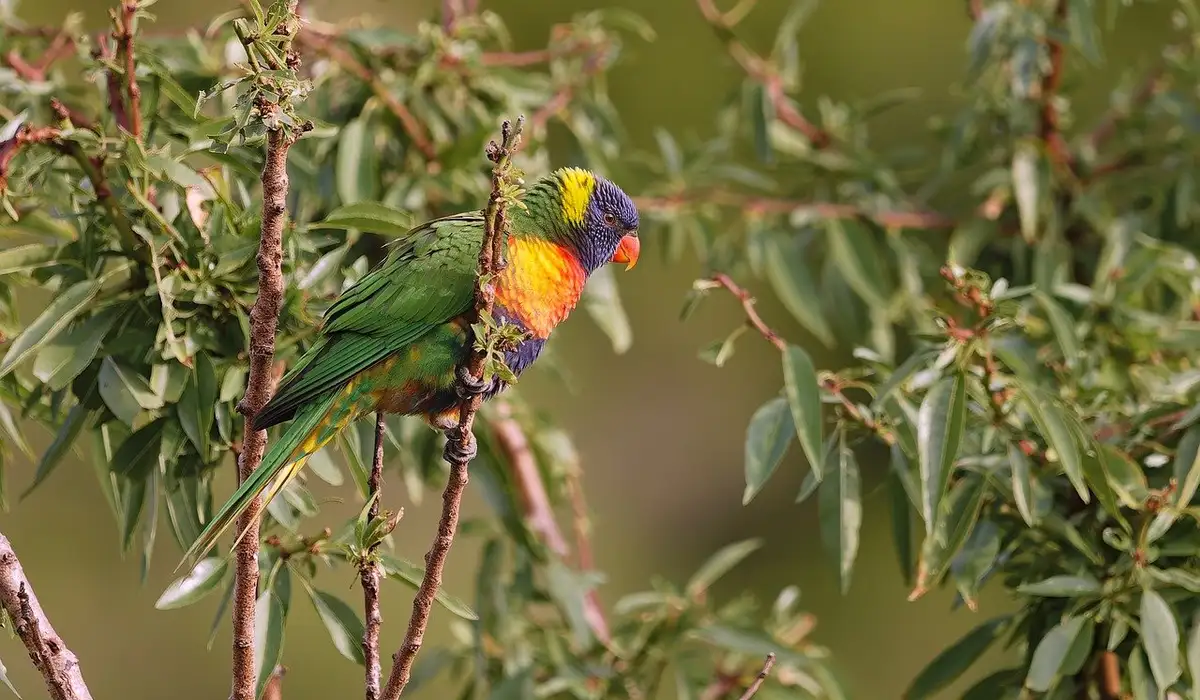
Your parrot’s species and age are the biggest factors in determining grooming frequency. My Green-cheeked Conure, Kiwi, needs a light misting every other day because he’s so active, while my older African Grey, Sage, prefers a weekly session. Knowing how to recognize normal preening behavior is essential for any parrot owner.
- High-energy species (Conures, Cockatiels): Benefit from bathing 2-3 times per week.
- Larger, less active parrots (African Greys, Amazons): Often do well with a thorough grooming session once a week.
- Younger birds and seniors: Require extra observation; adjust frequency based on their energy levels and feather condition.
The best time for a low-stress grooming session is mid-morning. Your parrot is alert but not frantic from morning hunger or evening sleepiness.
- Avoid grooming right after they wake up or right before their bedtime.
- Never schedule a session when your bird is visibly tired, hungry, or overly excited.
Creating a consistent routine is about pairing grooming with positive, predictable events. I always groom my Sun Conure, Sunny, after her breakfast and before her favorite playtime.
- Choose your set time and day(s) of the week.
- Gather all your supplies beforehand so you’re not scrambling.
- Start with a calm, quiet voice to set the mood.
- Follow the grooming session with a high-value treat or a fun activity.
Step-by-Step Gentle Grooming Tasks
Stress-Free Bathing Techniques
Misting is often the least invasive method and mimics natural rain. I use a clean spray bottle set to the finest mist for Kiwi, who gets a kick out of it.
- Offer a shallow bowl of lukewarm water for birds who prefer to “self-bathe.”
- Use positive reinforcement by talking softly and offering a small piece of millet during and after the bath.
- Ensure the water is lukewarm-test it on your wrist like a baby’s bottle.
- Perform bathing in a warm room, away from drafts, to prevent your bird from getting chilled.
Safe Nail Trimming Without the Fuss
Hold your parrot securely but gently, using a towel to create a “burrito” wrap if needed. This prevents sudden movements and helps them feel contained. By using towel-based handling as a teaching tool, you can teach parrot stress-free towel handling. With patience and positive reinforcement, the process becomes a normal part of daily care.
- Extend one foot at a time from the towel, keeping the rest of the bird comfortably wrapped.
- Identify the “quick”-the pink blood vessel inside clear nails-and trim well in front of it.
- Use sharp, bird-specific clippers for a clean cut.
Desensitization is key for a bird who fears nail trims. I spent weeks just touching Sage’s feet and giving him a treat before we ever attempted a trim. Once trust is established, you can trim your parrot’s nails safely at home. Use a bird-safe clipper and go slowly.
- Practice handling their feet during calm cuddle sessions without the clippers.
- Let them inspect the clippers and reward them for calm behavior.
- Keep sessions incredibly short, even if you only trim one nail.
Beak Care That Keeps Your Parrot Happy
Gentle cleaning usually only requires a soft, damp cloth to wipe away food debris. I’ve never needed anything more for my birds. For a complete, safe guide to cleaning your parrot and its environment, check out our full guide. It covers best practices, safe cleaners, and routine maintenance to keep your bird healthy.
- Avoid using any harsh tools or files unless specifically directed by an avian vet.
- Watch for signs of beak issues like flaking, overgrowth, or discoloration.
- Provide plenty of enrichment like natural wood perches and cuttlebones for natural wear.
Reading Your Parrot’s Stress Signals
Your parrot’s body language tells you everything you need to know. Learning this has saved many grooming sessions from turning sour. To tell if your parrot is happy, there are 10 key signs to watch for. Master these cues to read their mood at a glance.
- Fluffing feathers tightly, pinning eyes, or crouching low are clear signs of fear or aggression.
- Listen for specific vocalizations; a sharp, repetitive squawk is very different from their happy chatter.
- Attempting to bite or frantically trying to escape are the most obvious “stop now” signals.
The moment you see any stress signal, you must pause or stop the grooming immediately. Pushing through will only create a lasting negative association.
- If they seem slightly uneasy, take a 30-second break and offer a comforting word.
- If they are clearly distressed, end the session entirely and try another day.
I learned to recognize discomfort with Sunny when she started a low, guttural growl I’d never heard before. I stopped right away, and now I know that sound means she’s had enough.
Grooming Tips for Every Life Stage
Each stage of your parrot’s life brings unique grooming needs.
Adjusting your approach as they age prevents stress and keeps them healthy.
Young Parrots (Chicks to Juveniles)
Young birds like my Green-cheeked Conure, Kiwi, are still learning about the world.
- Keep sessions incredibly short, under 5 minutes.
- Focus on gentle handling to build positive associations.
- Health checks: Monitor for proper feather growth and ensure they aren’t chewing or damaging new pin feathers.
Adult Parrots
My Sun Conure, Sunny, is in her prime and full of energy.
- Establish a predictable, consistent grooming schedule.
- They can handle slightly longer sessions but watch for signs of boredom.
- Health checks: Pay close attention to feet and beak for any unusual wear; this is when arthritis can begin.
Older Parrots
My African Grey, Sage, is a wise elder who needs a softer touch.
- Handle with extreme care, as their bones are more fragile.
- Support their body fully and avoid quick movements.
- Health checks: Be extra vigilant for lumps, bumps, and signs of pain during handling, like flinching.
Keeping Grooming Safe and Trustworthy
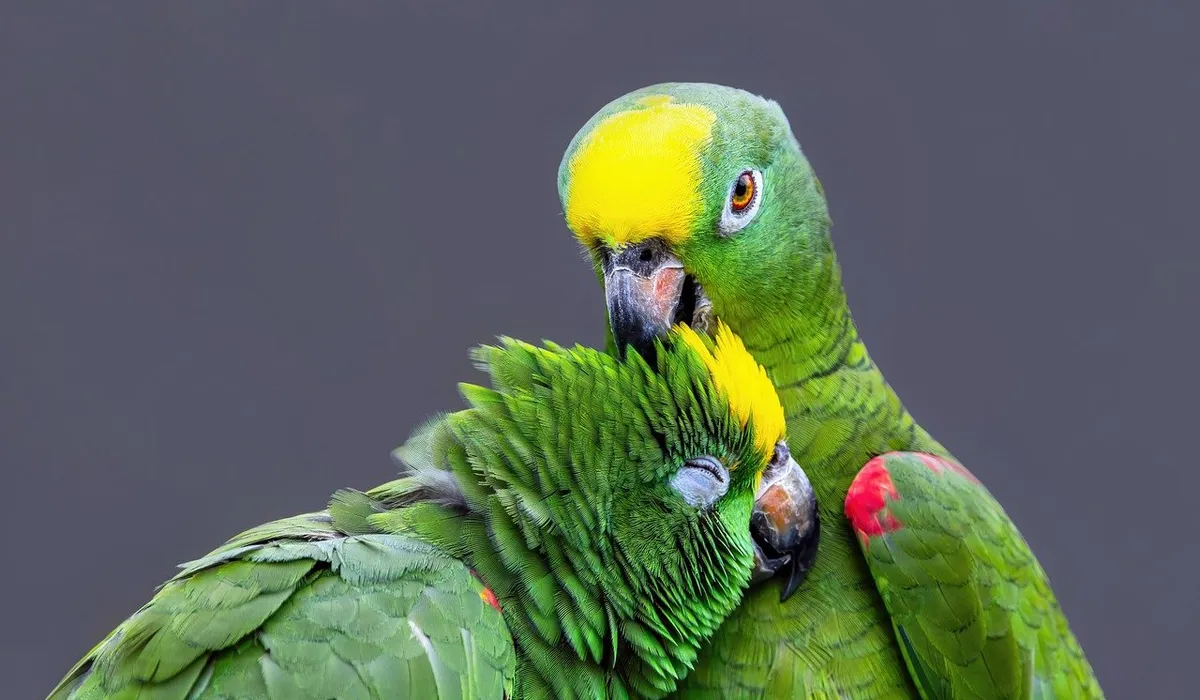
Safety is the foundation of a stress-free routine.
Creating a calm environment tells your parrot they are secure in your hands.
Set the Stage for Success
- Use a quiet room with no startling noises or other pets.
- Ensure bright, direct lighting so you can see every detail clearly.
- Have all your tools laid out beforehand to avoid frantic searching.
Build Trust Through Gentle Handling
I never force my parrots into a position they fight.
- Use a soft, steady voice throughout the process.
- Let them step onto your hand voluntarily instead of being grabbed.
- If they struggle, pause and reassure them before continuing.
Know When to Call the Vet
Your veterinarian is your best partner for anything beyond basic maintenance.
- Seek immediate guidance for bleeding nails or broken blood feathers.
- Consult them for any beak trimming; it’s easy to cause permanent damage.
- Always get a professional opinion if you see swelling, discharge, or changes in skin texture.
Solving Common Grooming Hurdles
Even the most patient parrots can have off days.
The key is to work with their personality, not against their instincts.
Handling Resistance
My Sunny used to squawk at the sight of the nail file.
- Use their favorite high-value treat, reserved only for grooming.
- Reward calm behavior instantly, not just at the end of the session.
- Keep sessions so short they end on a positive note before frustration sets in.
Desensitizing to Tools
This process requires patience but pays off forever.
- Let your parrot see and investigate the tool (clippers, file) without using it.
- Touch the tool gently to their feet or beak while giving a treat.
- Finally, perform the actual grooming action for just one second, followed by a jackpot reward.
My Personal Fixes for Tough Situations
Kiwi gets scared easily, and Sage can be very vocal.
- For scared parrots: I do grooming on a familiar perch, not a strange table. Familiarity is comforting.
- For noisy parrots: I stay completely silent and calm. My calmness helps Sage settle down much faster than if I tried to talk over her.
- If it’s just not working, we stop. Forcing a session will only create a bigger problem for next time.
FAQs
How often should I groom my parrot?
Grooming frequency depends on your parrot’s species, age, and individual activity level. Generally, aim for weekly sessions but adjust based on feather condition and behavior to keep it stress-free. Proper humidity helps support respiratory health and feather condition, as dry air can irritate airways and make feathers brittle. Keeping humidity steady can make grooming simpler and support overall well-being.
How do I check a parrot for feather mites or skin issues during grooming?
Gently part the feathers to inspect the skin for redness, scaling, or any unusual movement. Watch for signs like excessive scratching, feather loss, or visible mites, and consult a vet if you notice anything abnormal.
What safety precautions should I follow during parrot grooming?
Always use bird-specific tools and handle your parrot gently to avoid injuries. Ensure the area is quiet, well-lit, and have styptic powder ready for any accidental nicks to quickly address bleeding. Should a bite occur, rinse the wound with clean water, apply antiseptic, and cover with a clean bandage while monitoring for signs of infection. These first-aid steps help prevent infection after parrot bites.
Closing the Loop
Ultimately, a stress-free grooming routine is built on patience, positive reinforcement, and understanding your bird’s unique personality. Keep sessions short, use their favorite treats as rewards, and always handle them gently to build trust over time. These steps lay the groundwork for bonding techniques that really work with parrots. When you pair gentle handling with consistent cues, trust deepens and grooming becomes a cooperative activity.
Being a great parrot parent means committing to lifelong learning about their complex needs and behaviors. Stay curious, listen to your feathered friend, and always prioritize their comfort and well-being in everything you do.
Further Reading & Sources
- Grooming Your Parrot
- Parrot Grooming – Parrot Care Tips for Vibrant Plumage
- Grooming and Routine Care of Pet Birds – Bird Owners – Merck …
Suzanne Levine is a dedicated parrot enthusiast and experienced avian caregiver with over 15 years of hands-on experience in parrot care. As the founder of Parrot Care Central, Suzanne is passionate about sharing her knowledge and insights to help fellow parrot owners provide the best possible care for their feathered friends. Her expertise spans nutrition, behavior, health, and enrichment, making her a trusted resource in the parrot care community.
Beak Maintenance