
Are Oats and Oatmeal Healthy for Parrots?
Are you wondering if oats and oatmeal are a safe, nutritious choice for your parrot, or are you worried they might cause digestive issues or weight gain?
I’ve fed oats to my own parrots, like Kiwi and Sunny, and I’m here to guide you through the facts with clear, experience-based insights.
You’ll get straightforward answers on these key points:
- Nutritional benefits oats offer for parrot health and energy.
- Safe preparation methods to avoid common pitfalls.
- How to balance oats in their diet for long-term wellness.
By the end, you’ll have practical tips to make informed choices, covering topics like: Nutritional Value, Serving Guidelines, Health Risks, and Alternatives.
Safety Check: Can Parrots Eat Oats Without Risk?
Before you share your breakfast, let’s talk safety. Plain, cooked oats are perfectly safe for most parrots, but the devil is in the details. From my own flock’s experience, I’ve learned that preparation is everything to avoid any tummy troubles.
Raw, dry oats can be a choking hazard and are difficult for them to digest. I always cook them for Kiwi, my Green-cheek, to make them soft and easy to eat. You must also avoid any flavored or instant oatmeal packets, as they are loaded with sugar and artificial sweeteners that are toxic to birds.
Always serve oats cool and in moderation. Think of it as a treat, not a staple. Overdoing it can lead to weight gain, as oats are calorie-dense. A small spoonful mixed into their regular chop a few times a week is a great way to add variety safely.
Simple Steps for Safe Oat Preparation
- Choose plain, whole rolled oats or steel-cut oats with no added salt or sugar.
- Rinse them thoroughly under cool water to remove any dust or potential pesticide residue.
- Cook with plain water until soft and mushy, just like you would for a toddler.
- Let the oatmeal cool completely to room temperature before serving.
- Mix a small amount into their regular fresh vegetables and pellets.
Health Boost: Why Oats Pack Nutrition for Parrots
When prepared correctly, oats are a little power-packed supplement. They are a fantastic source of soluble fiber, which helps keep your parrot’s digestive system running smoothly. I’ve noticed a real difference in Sage’s, my African Grey, digestion since adding a tiny bit to her diet.
Beyond digestion, they offer a solid nutritional profile. Oats provide B vitamins for energy and a healthy nervous system, along with minerals like manganese and zinc for strong bones and beautiful feathers. My Sun Conure, Sunny, always seems extra vibrant after an oat treat!
The Nutrient Breakdown: What’s Inside an Oat?
- Fiber: Promotes gut health and helps prevent constipation.
- Complex Carbohydrates: Provides sustained energy for play and chatter.
- Manganese: Crucial for bone development and metabolism.
- Phosphorus & Magnesium: Supports a strong skeletal structure.
- B Vitamins: Aids in converting food into usable energy.
Remember, a parrot’s diet should be diverse. Oats are a healthy addition, but they should never replace a high-quality pellet and a wide array of fresh fruits and vegetables. Think of them as the wholesome, comforting side dish to their main nutritional course.
Parrot Profiles: Which Birds Thrive on Oats?
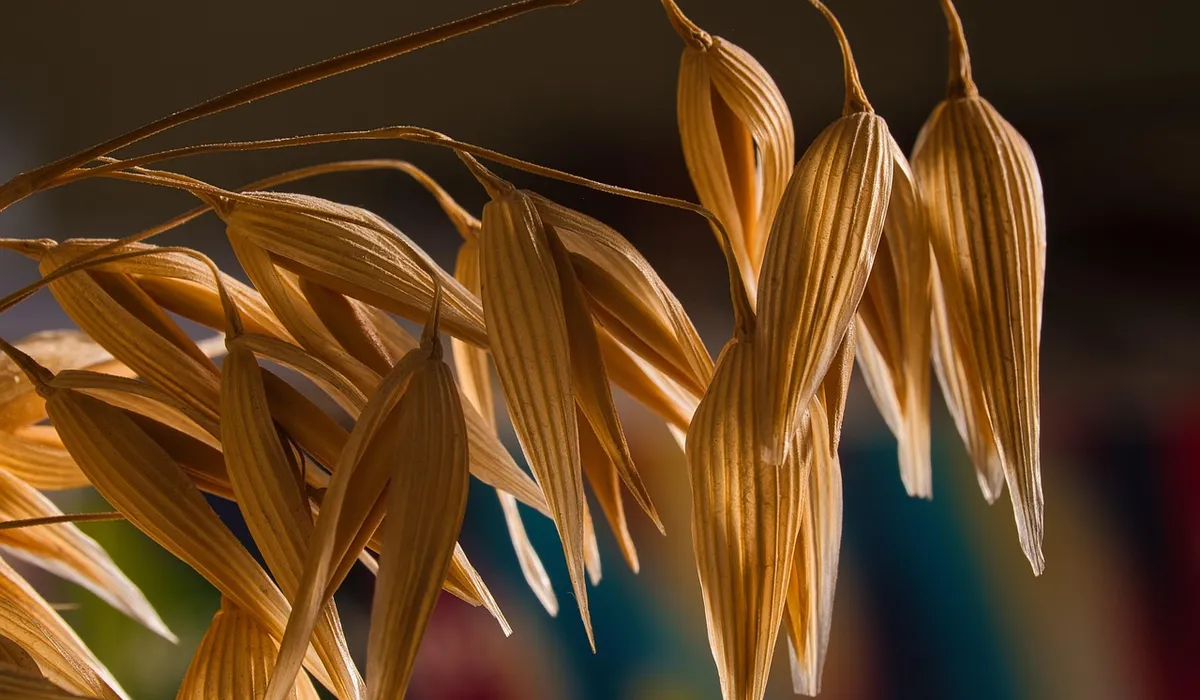
Not all parrots process foods the same way, and oats are a perfect example of this. From my flock, I’ve seen my smaller birds, like Kiwi the Green-cheeked Conure, get a fantastic energy boost from a tiny sprinkle of oats in her chop. Her high metabolism seems to love the slow-burning carbs. For readers crafting homemade parrot food recipes, oats are a simple, healthy addition to a balanced chop. You can tailor other ingredients for nutritious options that suit your flock.
Here’s a quick breakdown of which birds typically do well with oats:
- High-Energy & Small Parrots: Conures, Cockatiels, and Parakeets often benefit from the extra fuel. My conure, Sunny, is always on the go, and a bit of oatmeal helps sustain her playful antics.
- Larger Parrots in Training: African Greys and Macaws can enjoy oats as a low-fat training treat. My African Grey, Sage, is incredibly smart, and I’ll use a pinch of cooked oatmeal as a reward during our puzzle sessions.
- Breeding or Molting Birds: The extra calories and nutrients can support the immense energy demands of producing eggs or growing new feathers.
Always remember, oats are a supplement, not a main course, regardless of your parrot’s size or species. Their primary diet should be a high-quality pellet and a wide array of fresh vegetables. In most cases, pellets are the better base than seeds, with seeds offered only occasionally as variety.
Serving Smarts: How to Prepare Oats for Your Bird
How you serve oats makes a huge difference in both safety and nutritional value. Getting this step right is what separates a healthy treat from a potential problem.
Raw Oats: Yay or Nay?
I used to wonder if I could just toss a few raw oat flakes into the food bowl. While raw, plain oats aren’t toxic, they are very difficult for most parrots to digest properly. They can be quite hard on their sensitive digestive systems. To keep your parrot safe, it’s important to know which foods are toxic and should be avoided. You can reference a complete list of toxic foods parrots should avoid to guide your choices.
I reserve raw oats for a very specific purpose: a special foraging toy filler. Scattering a few raw oats in a shreddable toy encourages natural foraging behavior without them consuming a large amount. For actual eating, I always choose the next option.
Cooked Oats: The Best Way to Serve
This is the gold standard for serving oats to your parrot. Cooking oats breaks them down, making all those wonderful nutrients easily accessible for your bird’s body. It’s gentler on their stomach and much safer.
Here is my simple, foolproof method:
- Use only plain, old-fashioned rolled oats or steel-cut oats. Avoid instant packets with added sugar, salt, or flavors.
- Cook them with plain water-no milk, butter, or salt. You want to keep it as pure as possible.
- Let the cooked oatmeal cool completely to room temperature before serving. I’ve made the mistake of serving it warm, and my birds were not interested!
- Mix a small spoonful into their regular “chop” (veggie mix) or offer it in a separate, small dish.
This method turns a simple oat into a wholesome, hydrating, and delicious occasional meal topper that my birds go crazy for.
Risk Radar: Potential Dangers of Feeding Oats
Even with the best intentions, any new food comes with considerations. Being aware of these potential pitfalls is a core part of responsible parrot ownership. Learning about common parrot feeding mistakes helps you avoid them. This focused approach supports a balanced, safe diet for your bird.
The biggest risk isn’t the oat itself, but what happens when it becomes a diet staple.
- Nutritional Imbalance: Oats are a carbohydrate. If you feed too many oats, your parrot will fill up on them and ignore the nutrient-dense pellets and fresh foods they truly need. This can lead to serious vitamin and mineral deficiencies over time.
- Weight Gain: Parrots, especially less active ones, can easily pack on the grams with high-carb foods. An overweight parrot is at risk for a host of health issues, including fatty liver disease.
- Choking Hazard: If you serve cooked oatmeal that is too thick or gluggy, it can be a risk, particularly for smaller birds. Always aim for a moist, soft consistency that’s easy for your bird to break apart with its beak.
- Hidden Additives: This bears repeating: never use flavored or sweetened oatmeal. The artificial sweeteners, sugars, and preservatives in these products are harmful to parrots.
My rule of thumb is to offer oats no more than once or twice a week, and only as a small part of a much larger, varied meal. Watching my birds’ overall diet is the best way I can advocate for their long-term welfare and health.
Grain Game: How Oats Compare to Other Foods
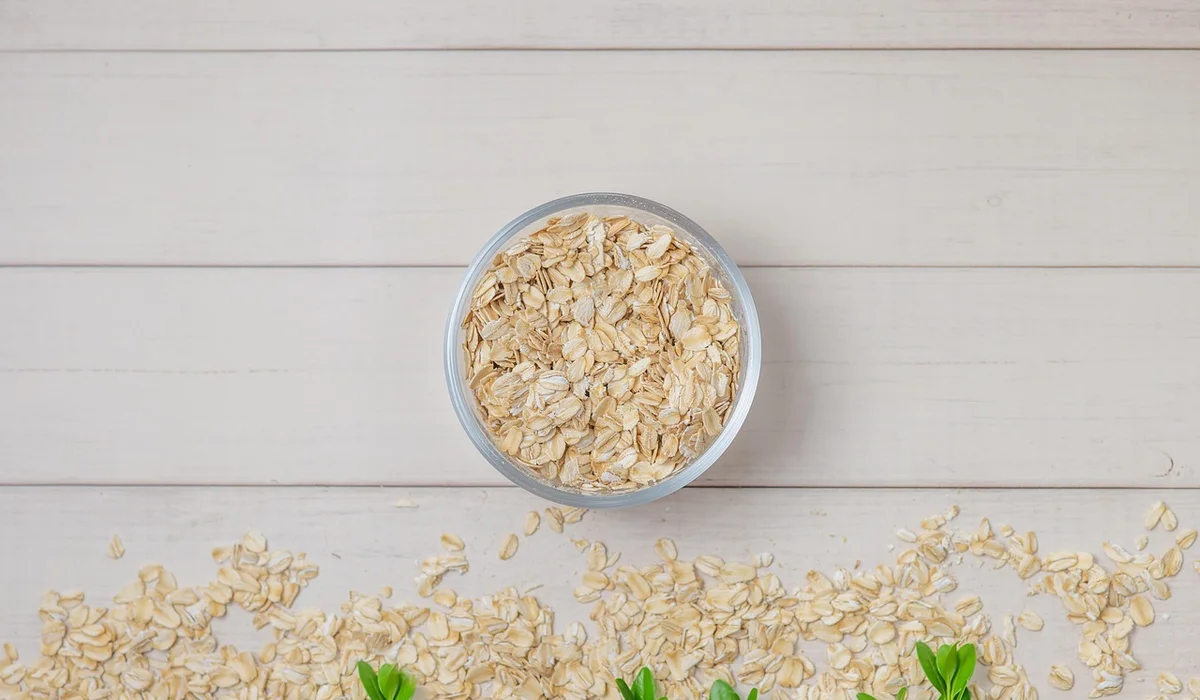
When I look at my flock’s diet, I see oats as a reliable supporting actor, not the main star. Oats provide a fantastic fiber and mineral boost, but they can’t compete with the complete nutritional profile of high-quality pellets. Think of pellets as the daily multivitamin and oats as the wholesome snack.
Let’s break down how oats stack up against other common parrot foods.
Oats vs. Pellets
- Pellets win on consistency. They’re scientifically formulated to prevent selective eating, ensuring your bird gets all necessary vitamins.
- Oats win on texture and enrichment. Their chewiness is great for beak exercise, something my conure Kiwi absolutely loves.
- My rule is simple: pellets form 70% of the diet, with treats like oats filling the remaining 30%.
Oats vs. Seed Mixes
- Oats are a much healthier choice than fatty seeds like sunflower or safflower. I’ve seen birds plump up on seed-heavy diets.
- Plain oats lack the addictive oils that make seeds so tempting, which helps prevent obesity.
- They offer more complex carbohydrates for sustained energy compared to the simple sugars in many seeds.
Oats vs. Fruits & Veggies
- Fresh produce provides live enzymes and water content that cooked oats simply can’t match.
- Oats deliver more concentrated energy and minerals like manganese, which is vital for bone health. My African Grey, Sage, seems more alert on his oat days.
- I use oats to add substance to veggie chop, creating a more satisfying and nutritious meal.
| Food Type | Best For | Watch Out For |
|---|---|---|
| Oats | Fiber, energy, mineral boost | Can be bland alone; lacks complete nutrition |
| Pellets | Balanced daily nutrition | Some brands contain artificial colors |
| Fresh Produce | Vitamins, hydration, enrichment | Quick spoilage; pesticide residue |
Recipe Roundup: Fun Oat Treats for Parrots
Getting creative with oats has become one of my favorite parts of parrot care. These simple recipes turn a basic grain into an exciting foraging opportunity that engages your bird’s mind and body. My sun conure, Sunny, goes absolutely wild for the fruity oatmeal.
No-Bake Oat Balls
These are perfect for days when you’re short on time but want to provide a healthy snack.
- Mix 1/4 cup of rolled oats with 1 tablespoon of mashed banana or unsweetened applesauce.
- Add a pinch of crushed, bird-safe dried flowers like chamomile or rose petals.
- Roll into tiny, beak-sized balls. No baking required!
- Serve immediately or refrigerate for up to two days.
Fruity Birdie Oatmeal
I make a big batch of this on Sunday mornings and share a cooled portion with my flock.
- Cook 1/2 cup of steel-cut oats in water until soft. Let it cool completely.
- Stir in finely chopped bird-safe fruits like blueberries, diced apple, or mango.
- Sprinkle with a tiny amount of flaxseed or chia seeds for extra omega fatty acids.
- Always check the temperature with your finger before serving to prevent crop burns.
Foraging Oat Kabobs
This activity keeps my birds busy for hours, satisfying their natural chewing instincts.
- Soak plain oat groats in water overnight until slightly softened.
- Thread the groats onto a bird-safe wooden skewer alternating with chunks of carrot and broccoli florets.
- Hang the kabob in the cage and watch your parrot enjoy the challenge.
- Remove any uneaten portions after a few hours to prevent spoilage.
Remember to introduce any new food gradually. I started with just a pinch of oats mixed with my parrots’ regular food to ensure their digestive systems could handle it. Watching them discover new textures and flavors is one of the great joys of sharing your life with these intelligent creatures. In the complete guide for feeding baby parrots, you’ll find a full progression for introducing solids, safe foods, and age-appropriate portions. It also covers how to monitor digestion and growth as chicks become independent eaters.
FAQs
Are oats healthy?
Yes, oats are a nutritious addition to a parrot’s diet when served in moderation. They provide soluble fiber for digestive health and essential B vitamins and minerals like manganese for energy and strong feathers.
How can oats be prepared for a healthy breakfast?
For parrots, cook plain rolled or steel-cut oats with water until soft and cool completely before serving. Avoid adding sugar, salt, or flavors, and mix a small amount into their regular vegetables or pellets for a safe treat. This approach aligns with the safe vegetables section of our complete edible guide for parrots. See the complete edible guide for more safe vegetable options and prep tips.
What are some healthy carrot oat recipes?
While carrots aren’t covered in this article, you can create nutritious parrot meals by combining cooked oats with bird-safe veggies like diced carrots for added vitamins. Always ensure any new food is introduced gradually and served in moderation to avoid dietary imbalances. For more recipes, visit DIY parrot food recipes.
Feeding Your Feathered Friend Right
Oats and oatmeal can be a wholesome part of your parrot’s varied diet when served plain, cooked, and in moderation. Always prioritize a balanced diet where pellets form the foundation, supplemented with fresh vegetables, fruits, and the occasional oat treat. In the context of a Quaker parrot diet, oats are considered a safe food when given in moderation. Remember to skip the sugar, salt, milk, and flavorings to keep this grain a safe and healthy choice.
Caring for a parrot is a long-term commitment that extends far beyond their food bowl. Your dedication to learning about their specific nutritional and emotional needs is the greatest gift you can give your companion. If a parrot is the right pet for you, this level of commitment is essential. Being the right pet owner means investing time, space, and ongoing care. Keep observing, keep researching, and always strive to provide the most enriching life possible for your intelligent feathered friend.
Further Reading & Sources
- Can Parrots Eat Oats? – Everything you need to know
- Can Parrots Eat Oatmeal? Vet-Reviewed Health Guide | Hepper Pet Resources
- How healthy is plain oatmeal? | Parrot Forum 🦜 Parrot Owners Community
Suzanne Levine is a dedicated parrot enthusiast and experienced avian caregiver with over 15 years of hands-on experience in parrot care. As the founder of Parrot Care Central, Suzanne is passionate about sharing her knowledge and insights to help fellow parrot owners provide the best possible care for their feathered friends. Her expertise spans nutrition, behavior, health, and enrichment, making her a trusted resource in the parrot care community.
Nutrition