
Is Cheese Safe for Parrots? Dairy Concerns Explained
You’re probably wondering if that piece of cheese is a harmless treat or a hidden danger for your parrot, especially with worries about digestive upsets or allergic reactions. As someone who’s cared for parrots like Kiwi and Sage for years, I’ve dealt with this exact question and want to ease your mind with solid, experience-based insights.
I’ll cut through the confusion by focusing on three core takeaways that matter most for your bird’s well-being.
- Why most parrots struggle to digest dairy due to their unique biology.
- The real risks cheese poses, from stomach issues to long-term health problems.
- Simple, bird-safe alternatives that satisfy their curiosity without the hazards.
You’ll leave with no-nonsense advice you can trust. We cover: lactose intolerance in parrots, cheese nutrition breakdown, and smart feeding habits.
The Basics of Parrot Digestion and Lactose Intolerance
Parrots process food very differently than we do. Their digestive systems simply aren’t built to handle dairy products like cheese. After years of caring for my flock, I’ve seen firsthand how their bodies react to foods outside their natural diet. This raises the broader question: does a parrot’s diet influence its lifespan and health? In practice, a diet aligned with their species’ needs tends to support longer, healthier lives.
Here are some key facts about the parrot digestive system:
- Parrots lack sufficient lactase, the enzyme needed to break down lactose in milk products.
- Their digestive tracts are shorter than mammals’, meaning food passes through quickly without proper breakdown of complex dairy proteins.
- Natural parrot diets consist mainly of fruits, vegetables, nuts and seeds – not animal-derived products.
- Their liver and kidneys work hard to process unfamiliar substances, which can lead to organ stress.
Watch for these symptoms if your parrot accidentally consumes dairy:
- Loose, watery droppings
- Abdominal discomfort or fluffed feathers
- Decreased appetite
- Lethargy or unusual quietness
My green-cheeked conure Kiwi once snatched a tiny piece of cheese from my plate. Within hours, he had messy droppings and stayed unusually quiet in his cage corner. It was a clear reminder that even small amounts can upset their delicate systems.
Key Risks of Feeding Cheese to Your Parrot
Cheese poses multiple threats to parrot health that many owners don’t consider. What seems like a harmless treat can actually create serious long-term problems. Through trial and error with my birds, I’ve learned to recognize these dangers.
- Cheese puffs and processed snacks contain artificial colors and flavors that can trigger allergic reactions
- Cottage cheese, while lower in lactose, still contains casein proteins that parrots struggle to digest
- Mold-ripened cheeses like brie can introduce harmful bacteria to their systems
- String cheese’s high sodium content puts immediate strain on kidneys
- Hard cheeses like parmesan concentrate fats and salts to dangerous levels
Every cheese variety brings its own set of risks that simply aren’t worth taking with your feathered friend. I’ve completely eliminated dairy from my parrots’ diet after seeing how it affected Sage’s energy levels.
Lactose Intolerance in Birds
Most parrots cannot digest lactose because they naturally wean off milk after hatching. Their bodies stop producing lactase enzymes once they transition to solid foods. This isn’t just a minor inconvenience – it’s a fundamental biological difference. If your parrot not eating or drinking, lactose intolerance is unlikely the culprit. In most cases, other health or environmental issues—such as illness, stress, or dehydration—are the real problems, and addressing those provides practical solutions.
When lactose remains undigested, it ferments in the gut causing:
- Gas and bloating
- Stomach cramps
- Diarrhea that leads to dehydration
- Nutrient malabsorption from other foods
Common dairy products that cause issues include:
- Milk and cream-based sauces
- Yogurt (even though it has less lactose)
- Butter and margarine
- Ice cream and frozen desserts
- All types of cheese regardless of aging process
High Fat and Salt Dangers
The fat and salt content in cheese creates separate but equally concerning health issues. Parrots’ small bodies simply can’t handle the concentrated levels found in most cheeses. My sun conure Sunny developed slight weight gain after occasional cheese treats before I understood the risks.
High fat dangers include:
- Obesity that strains joints and heart
- Fatty liver disease from accumulated lipids
- Reduced lifespan due to metabolic stress
- Difficulty flying and perching normally
Salt toxicity presents through:
- Increased thirst and urination
- Kidney damage over time
- Neurological issues like tremors or seizures
- Electrolyte imbalances affecting heart function
Cheeses like feta and blue cheese are particularly dangerous due to their extreme salt content. Even small crumbs can deliver a sodium shock to their system.
Other Dairy Products: What’s Safe and What’s Not
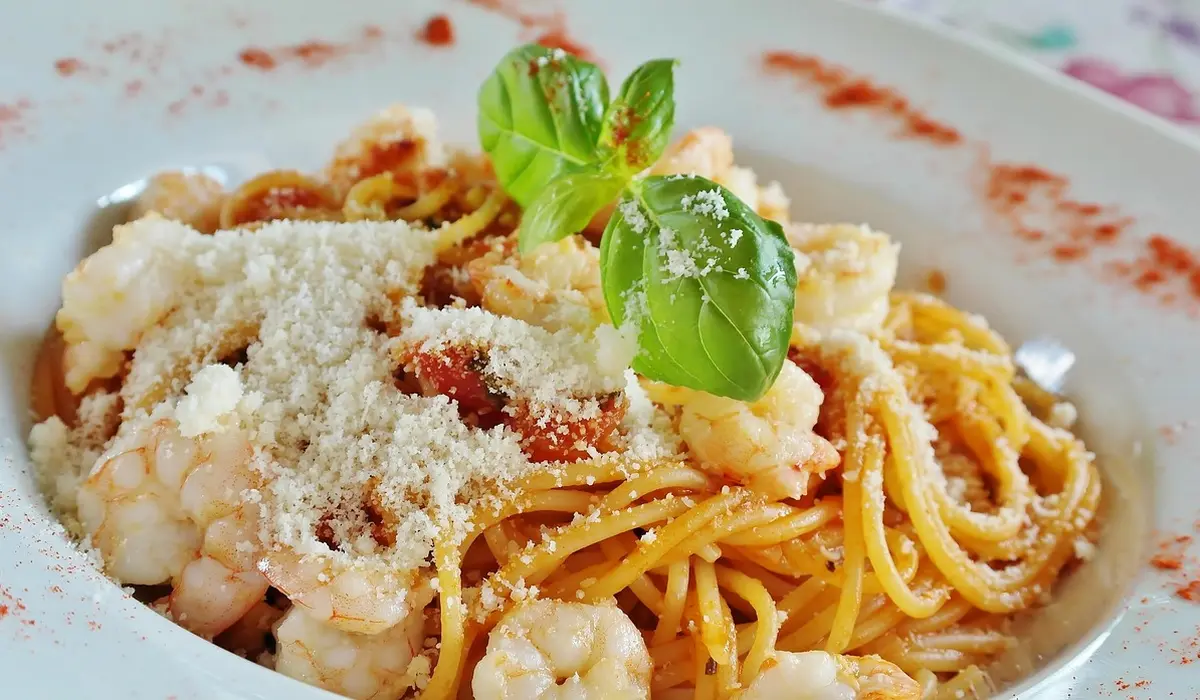
When it comes to dairy, parrots like my Sunny have sensitive systems that don’t handle lactose well. I’ve learned through trial and error that sticking to bird-safe options keeps them chirpy and healthy.
Milk: Why It’s Risky
Regular cow’s milk is a definite no for parrots because they lack the enzyme to digest lactose. Even a small sip can lead to stomach upset, so I never offer it to my flock. For a full guide on safe beverages for parrots, check out the Complete Beverage Guide. It helps you choose safe hydration options and avoid common pitfalls.
Almond Milk: A Better Choice?
Unsweetened almond milk without additives can be a safer occasional treat, but it’s not a necessity. Always check the label for xylitol or sugars, as these are toxic to birds. With Sunny, I’ve used a drop or two in training, but fresh water is always best.
Yogurt: The Probiotic Puzzle
Plain, unsweetened yogurt has probiotics, but it still contains lactose. I’ve given Sunny a tiny taste once and watched closely, but I don’t make it a habit due to potential risks.
Dairy Items to Steer Clear Of
- Cheese of any kind
- Ice cream or frozen treats
- Butter and cream-based sauces
- Foods with hidden dairy like baked goods
Reading labels carefully helps you spot dairy derivatives that could harm your parrot.
Steps to Check Ingredients Safely
- Scan for words like milk, whey, or casein on packaging.
- Avoid products with artificial sweeteners or high sugar.
- When in doubt, skip it and opt for fresh fruits or veggies instead.
My rule with Sunny is simple: if it’s not made for birds, it’s probably not worth the risk.
Spotting Dairy-Related Health Issues in Your Parrot
After introducing any new food, I watch my parrots like a hawk for any changes. Catching problems early can prevent serious health scares and keep your feathered friend thriving. By learning about common parrot feeding mistakes, you can avoid them and keep your birds healthier. A balanced, varied diet is the best safeguard for long-term wellness.
Common Signs of Trouble
- Loose or watery droppings
- Loss of appetite or refusing favorite treats
- Lethargy or reduced activity levels
- Feather fluffing or signs of discomfort
- Vomiting or regurgitation
If you see these symptoms, it’s a red flag that something isn’t sitting right with your parrot.
Steps for Monitoring Your Parrot
- Observe behavior for 24 hours after feeding any new item.
- Keep a log of what they eat and how they react.
- Note any changes in vocalization or energy.
Regular checks help you build a baseline for what’s normal for your bird.
What to Do If Issues Arise
- Remove any dairy or suspect foods immediately.
- Offer fresh water to help flush their system.
- Contact an avian vet right away for guidance.
Quick action can make all the difference in avoiding long-term health problems.
Healthy Cheese Alternatives for Your Parrot
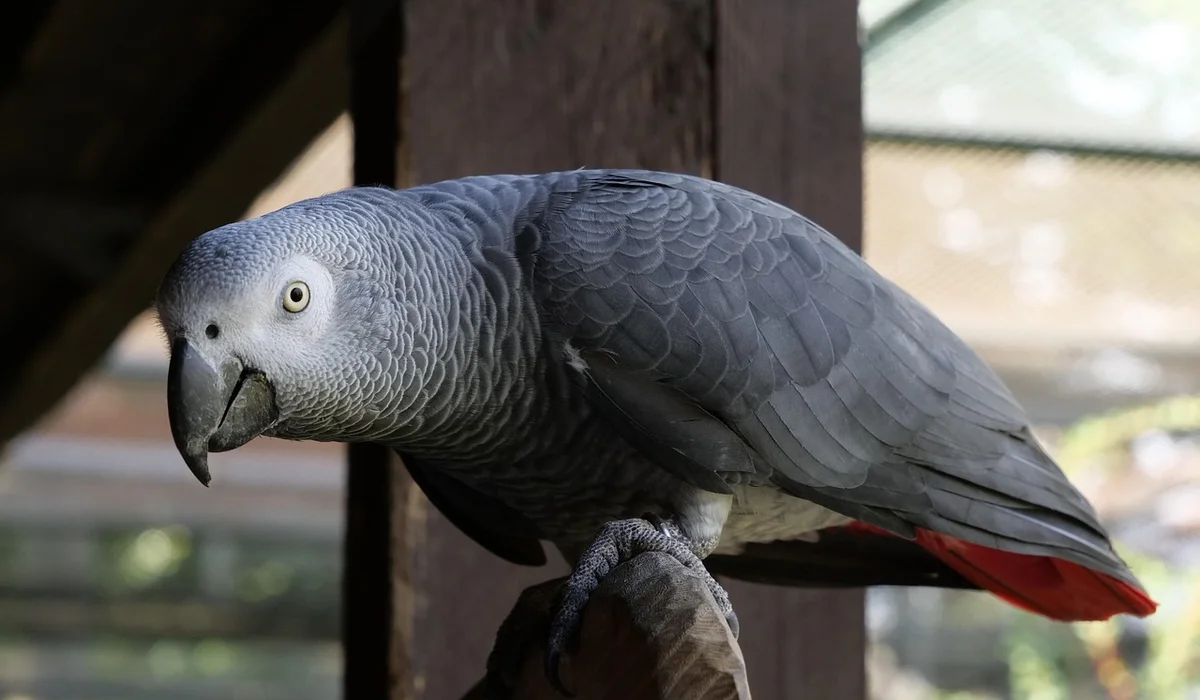
Watching my flock’s joyful reactions to treats is a daily highlight. Offering them safe, nutritious alternatives to cheese keeps their diet exciting and their bodies healthy. I’ve found that fresh, whole foods are always the best choice.
Sage, my African Grey, is a particularly picky eater. His absolute favorite cheese substitute is a small piece of steamed sweet potato. It’s soft, slightly sweet, and packed with beta-carotene, which is fantastic for his feather health.
Here are some other fantastic, dairy-free treats your parrot will love:
- Fresh Fruits: Blueberries, raspberries, mango chunks, and papaya. These are like nature’s candy!
- Crunchy Veggies: Steamed broccoli florets, carrot coins, snap peas, and bell pepper strips. The variety of textures is great for their beak.
- Whole Grains: Cooked quinoa, a small amount of cooked brown rice, or unsalted whole-wheat pasta.
- Specially Formed Bird Treats: Look for pellets or foraging toys made with millet, dried fruits, and nuts, ensuring they are free of artificial colors or preservatives.
Experimenting is part of the fun. You’ll quickly learn your bird’s personal favorites, turning treat time into a bonding experience.
Breed-Specific Dairy Sensitivities in Parrots
Just like people, different parrot species have unique digestive systems. What one bird might handle, another could find deeply unsettling. From my experience with Kiwi, Sunny, and Sage, I’ve seen these differences firsthand. That variety is part of what makes parrots so unique compared to other pets. Their intelligence and social needs shape daily life with them.
Sunny, my Sun Conure, once snatched a tiny bit of yogurt and had a noticeably looser dropping the next day. It was a small but clear reminder that their bodies aren’t designed for dairy.
Here’s a quick guide to how some common parrot species typically handle dairy:
| Parrot Species | General Dairy Tolerance | Notes & Personal Observations |
|---|---|---|
| African Grey | Very Low | Highly sensitive. Sage shows immediate digestive upset, so I avoid all dairy with him completely. |
| Cockatiel & Budgie (Parakeet) | Very Low | Their small size makes them especially vulnerable to digestive issues from even trace amounts. |
| Amazon Parrot | Low | Prone to obesity, so the high fat in cheese is a double concern alongside potential lactose issues. |
| Macaw | Low to Moderate | Some larger macaws might manage a tiny taste, but the high fat and salt content remain significant risks. |
| Conure (Green-cheeked, Sun, etc.) | Low | My conures, Kiwi and Sunny, have both shown clear signs of sensitivity, making dairy a firm no. |
| Quaker Parrot | Very Low | Known for having sensitive digestive systems, making dairy a particularly poor choice for this species. |
| Eclectus Parrot | Very Low | Their specialized digestive tract is easily disrupted, and dairy is a common trigger for problems. |
The safest path is always to assume your parrot has a very low tolerance. Sticking to a species-appropriate diet of pellets, fresh veggies, and some fruit is the best way to ensure a long, vibrant life for your feathered friend. For many parrots, a pellet-based diet is more reliable than seeds. Seeds can be included in moderation for enrichment, but shouldn’t replace pellets as the base of the diet.
FAQs
Can parrots have lactose-free dairy products?
Lactose-free dairy still contains high fat and salt levels that can harm parrots. It’s safer to avoid all dairy and opt for species-appropriate treats like fresh fruits or vegetables. For Quaker parrots, safe diet options include apples, leafy greens, and berries. Avoid avocado, chocolate, and caffeine to protect their health.
What are the first signs of dairy intolerance in parrots?
Look for symptoms like loose, watery droppings and unusual lethargy after ingestion. Immediate removal of dairy and veterinary consultation are recommended if these occur to prevent dehydration or further issues.
How can I satisfy my parrot’s curiosity for human food without dairy?
Offer small pieces of safe, bird-friendly foods such as steamed sweet potato or unsalted nuts as alternatives. Always supervise introductions and choose items free from additives or seasonings to keep your parrot healthy. This is part of our nuts parrots eat safely complete guide, which covers safe nut options and proper feeding tips.
In Closing
Cheese isn’t a safe choice for parrots, as their bodies can’t handle dairy well, leading to digestive issues. Focus on offering small, occasional treats like fresh fruits or veggies instead to avoid health risks. These practices align with general parrot dietary guidelines, which emphasize a balanced diet of pellets, fresh fruits and vegetables, and limited dairy. I’ve seen this firsthand with Kiwi, my playful Green-cheeked Conure, who thrives on a diet free from dairy surprises.
Caring for a parrot means committing to their health through informed choices and ongoing education. Always seek out reliable resources and stay updated on best practices to ensure your bird lives a happy, vibrant life. Your efforts in learning and adapting show true dedication to animal welfare. To turn this commitment into action, consider creating a long-term care plan (alternative: care plan for your parrot) that outlines daily routines, nutrition, medical care, and enrichment. A written plan helps you stay organized and prepared for emergencies, ensuring consistent care even when life gets busy.
Further Reading & Sources
- Can Parrots Eat Cheese? Vet Approved Facts & Safety Guide | Hepper Pet Resources
- Can Parrots Eat Cheese? (Lactose Intolerance + Dairy)
- Can Parrots Eat Cheese? – Parrot Website
Suzanne Levine is a dedicated parrot enthusiast and experienced avian caregiver with over 15 years of hands-on experience in parrot care. As the founder of Parrot Care Central, Suzanne is passionate about sharing her knowledge and insights to help fellow parrot owners provide the best possible care for their feathered friends. Her expertise spans nutrition, behavior, health, and enrichment, making her a trusted resource in the parrot care community.
Nutrition