
Parrot Travel Health Certifications and Documents
Published on: May 27, 2026 | Last Updated: May 27, 2026
Written By: Suzanne Levine
Planning a trip with your parrot can feel overwhelming, especially when you’re worried about health paperwork and airline requirements.
I’ve navigated this process with my own birds, and I’m here to guide you through every step to ensure your journey is smooth and stress-free.
You’ll learn the essential documents required for safe air travel, including:
• The specific health certificate and who must issue it
• Vaccination records and necessary tests for your bird
• Additional permits for international or interstate flights
By the end of this guide, you’ll have a clear checklist to prepare for your adventure. The topics we cover include: health certificates, vet examinations, vaccination requirements, airline-specific rules, and quarantine regulations.
Why Your Parrot’s Travel Papers Are a Big Deal
Legal Headaches Without the Right Certificates
I learned this the hard way when planning a cross-country move with my Green-cheeked Conure, Kiwi. Attempting to travel without the proper avian health certificate is like trying to board a plane without your own passport; you’re simply not going anywhere. Airlines and state lines have strict rules to prevent the spread of avian diseases.
You could face devastating consequences without the correct documents.
- Immediate denial of boarding by the airline, leaving you stranded.
- Mandatory quarantine for your bird upon arrival, which is incredibly stressful.
- Hefty fines from agricultural departments for violating interstate transport laws.
- The heartbreaking possibility of your parrot being seized by authorities.
Health Perils and Vet Warnings
My vet sat me down before my first trip with Sunny, my Sun Conure, and gave me a serious talk. Travel is inherently stressful for parrots, and that stress can weaken their immune systems, making them vulnerable to illnesses they’d normally fight off. A pre-travel health check is your first line of defense, much like regular preventative care checks.
Vets consistently warn about the hidden dangers of skipping this crucial step.
- Exposing your bird to new bacteria or viruses in transit or at your destination.
- Aggravating pre-existing conditions that weren’t apparent during a casual observation.
- Creating a life-threatening situation if your bird needs emergency vet care in an unfamiliar place without a medical history.
Must-Have Health Certificates and Vet Checks
Getting That Crucial Health Certificate
This isn’t just a note from your vet; it’s an official government document. An USDA-accredited veterinarian must perform the examination and issue the health certificate within a specific window before your travel date, typically 10 days. I always schedule this appointment well in advance to avoid any last-minute panic.
The process for obtaining the certificate is straightforward but non-negotiable.
- Schedule an appointment with your USDA-accredited vet.
- The vet conducts a thorough physical exam, checking eyes, beak, feathers, and weight.
- They review your parrot’s overall health history and current condition.
- The official Certificate of Veterinary Inspection (CVI) is completed and signed.
Vaccination Records and Proof Shots
While parrots don’t need the same barrage of shots as dogs or cats, specific vaccinations are critical. Keeping a meticulously organized vaccination record is just as important as the health certificate itself for proving your bird is not a public health risk. For my African Grey, Sage, I keep a digital copy on my phone and a printed one in her travel carrier.
Your documentation should clearly show proof of these key items.
- Avian Polyomavirus vaccination, which is often required for boarding and travel.
- Proof of a recent negative test for Psittacosis (Parrot Fever), a zoonotic disease.
- Any other vaccinations your avian vet recommends based on your destination.
- The dates of administration and the veterinarian’s signature or clinic stamp.
Permits for Smooth Sailing: CITES and Beyond
Navigating CITES for Protected Species
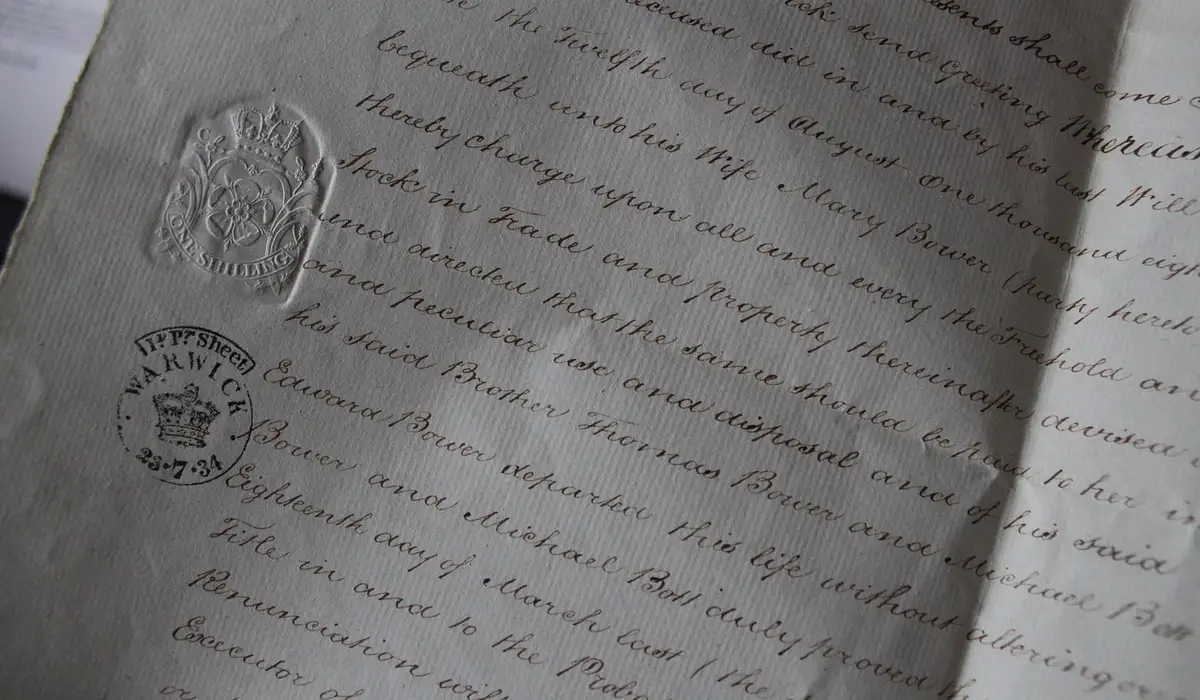
When I planned a trip with my Green-cheeked Conure, Kiwi, I learned that CITES-the Convention on International Trade in Endangered Species-is a big deal for parrot owners. This treaty protects species from over-exploitation, and many parrots like African Greys fall under its umbrella. African greys are particularly endangered because of habitat loss and illegal trapping for the pet trade. This is why CITES protections are so important for their survival. You can check if your parrot is listed on the CITES website or consult your vet. For protected birds, you’ll need a CITES permit to travel legally, which involves proving your parrot was bred in captivity, not taken from the wild. I had to gather Kiwi’s purchase records and vet history to show she wasn’t wild-caught. Always apply months ahead, as approvals can take time and vary by country.
- Verify your parrot’s CITES status online or with an avian expert.
- Gather proof of legal acquisition, like bills of sale or breeding certificates.
- Submit applications early to avoid travel delays and ensure animal welfare.
Export and Import Permits Demystified
Export and import permits add another layer to parrot travel, and I faced this when moving Sunny, my Sun Conure, across borders. Export permits come from your home country, while import permits are issued by the destination-each has its own rules and fees. For instance, some countries require blood tests or microchipping for disease control. I worked with a pet relocation service knowledgeable about international regulations to handle the paperwork, which saved me from costly mistakes. Double-check expiration dates, as permits can be invalid if not used within a set period, risking your parrot’s safety.
- Contact government agencies in both countries for permit requirements.
- Schedule health checks to meet export and import standards.
- Keep digital and physical copies of all permits handy during travel.
Airline Rules and Carrier Must-Dos
Documentation Airlines Demand
Airlines have strict rules, and I always prepare a folder with everything they ask for before flying with Sage, my African Grey. Most carriers require a recent health certificate from an accredited vet, CITES permits if applicable, and proof of vaccinations. I’ve seen airlines turn away pets missing just one document, so I make a checklist: health certs, ID tags, and any special approvals. Call the airline ahead to confirm their specific needs, as policies change often and vary by route.
- Health certificate issued within 10 days of travel.
- Valid CITES or other permits for protected species.
- Vaccination records and microchip details for identification.
Carrier Setup and Paperwork Checks
Setting up the carrier isn’t just about comfort—it’s about safety and compliance. I use a sturdy, airline-approved carrier with good ventilation and secure locks, and I attach a clear pouch for paperwork so staff can verify it quickly. Before each trip, I do a mock check: Is the health certificate signed? Are permits up to date? For Kiwi, I learned to include a photo of her in the pouch, which helps in case of mix-ups. Label the carrier with your contact info and a “live animal” sticker to ensure handlers treat your parrot with care. These steps are part of a safely ship parrot complete guide. Following them helps ensure your bird arrives calm and secure.
- Choose an IATA-compliant carrier and test it for escapes.
- Attach all documents in a waterproof bag for easy access.
- Conduct a pre-flight review to catch missing or expired papers.
International Travel: Quarantine and Country-Specific Docs
Quarantine Requirements Unpacked
Quarantine can be stressful, but it’s designed to prevent disease spread, and I’ve navigated this with Sage when traveling to countries with strict biosecurity. Many destinations mandate a quarantine period, often 30 days or more, where your parrot is monitored in a facility. I always visit the facility beforehand to check conditions and advocate for humane treatment. Plan for extra costs and emotional support, as quarantines can be isolating for social birds like parrots.
- Research quarantine laws on official government websites.
- Book quarantine spots early, as they fill up fast.
- Provide familiar toys and food to ease your parrot’s stress.
Tailoring Documents to Your Destination
Every country has unique demands, and I tailor documents based on where I’m going-for example, the EU might need an EU health certificate, while Australia requires extensive testing. Start by checking the destination’s agriculture or wildlife department for a checklist, and don’t assume one size fits all. When I took Sunny to a tropical country, I had to add a parasite screening that wasn’t needed elsewhere. Work with a vet experienced in international travel to avoid oversights that could strand your parrot.
- Compile a country-specific document list from reliable sources.
- Update vaccines and tests to match local regulations.
- Translate documents if required, using certified services for accuracy.
Identification and Vaccination Essentials
Microchipping and ID for Safe Travel
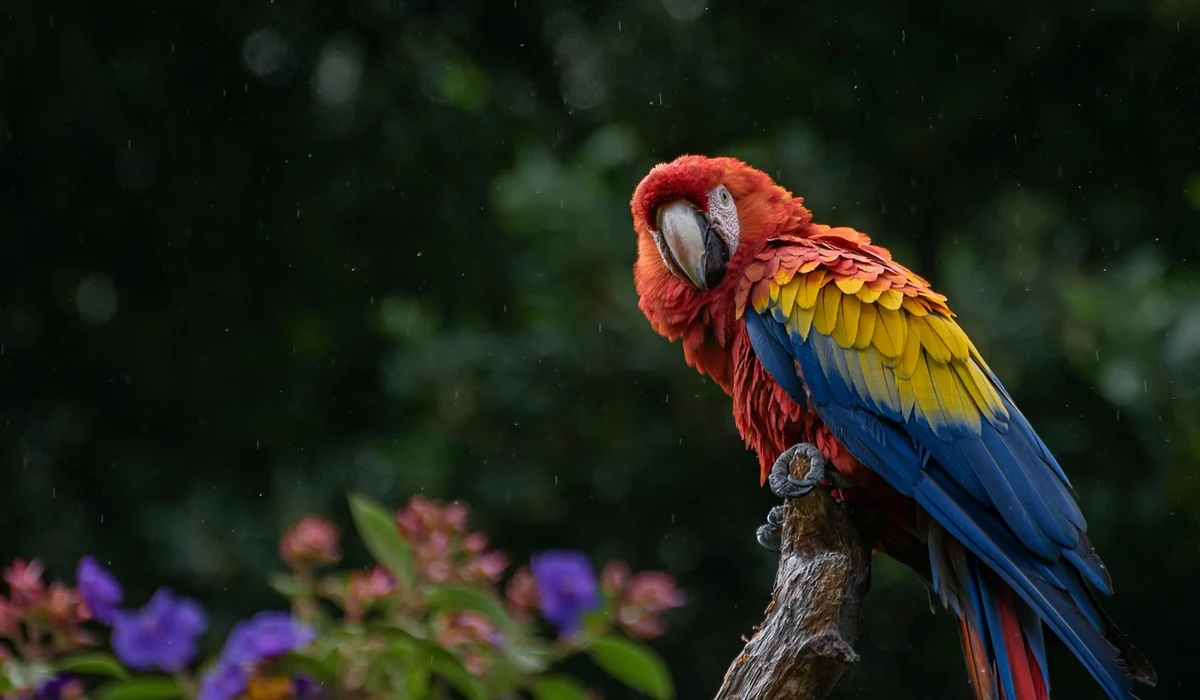
Think of a microchip as your parrot’s permanent passport that never gets lost. I had my Green-cheeked Conure, Kiwi, chipped, and the peace of mind is incredible. This tiny device, implanted by your vet, holds a unique ID number linked to your contact details in an international database. Airlines and border officials can scan it if your feathered friend ever gets separated from their travel carrier.
Alongside the chip, your parrot needs visible identification. I always use a secure, numbered leg band on my Sun Conure, Sunny. Some owners prefer a labeled harness or a tag on the carrier. Double-check that all ID methods are secure but not restrictive, allowing your bird to move comfortably and safely.
- A vet-implanted ISO-compliant microchip
- A secure, seamless leg band with an ID number
- A travel carrier labeled with your name, phone number, and destination address
Vaccination Musts for Disease Prevention
Vaccinations are your parrot’s invisible shield against diseases they might encounter. My African Grey, Sage, is up-to-date on all his shots, and it’s non-negotiable for travel. Work closely with your avian vet to determine a vaccination schedule tailored to your parrot’s species, age, and travel destination. Requirements can vary dramatically between states and countries.
Common vaccinations often include protection against Polyomavirus and Psittacosis. The vet will provide a signed health certificate detailing all administered vaccines. Keep this document in a waterproof sleeve inside your travel folder-it’s as vital as the ticket itself. I learned this the hard way when a sudden rainstorm nearly ruined Sunny’s paperwork!
- Polyomavirus vaccine for young birds
- Psittacosis vaccine, especially for international travel
- Any additional vaccines recommended by your vet for specific regions
Planning Ahead: Timelines and Document Validity
When to Start the Paperwork Chase
Don’t wait until the last minute! I start preparing my parrots’ travel documents at least three months before any trip. Begin by researching the exact requirements for your destination-government websites and your airline are the best sources. Some countries demand quarantine periods or specific tests that need advanced scheduling.
Schedule a vet appointment for a health check and any necessary vaccinations about one month before departure. This gives you a buffer in case your parrot needs follow-up care or if documents require corrections. Rushing this process only adds stress for both you and your bird. Also, practice gentle handling of your parrot before the appointment to ease the visit. During the vet visit, keep handling calm and predictable to reduce stress for your bird.
- Research destination requirements 3 months before travel
- Contact your vet 6-8 weeks prior to schedule appointments
- Complete all vet visits and paperwork 1 month before your trip
Keeping Documents Current and Valid
Travel documents have expiration dates, much like a carton of milk. I keep a digital and physical copy of every certificate. Set calendar reminders for vaccine boosters and health certificate renewals well before they lapse. An expired document could ground your parrot or lead to quarantine.
Store all originals in a single, dedicated travel folder. I use a bright red one so it’s impossible to miss. Check the validity period for each document weekly as your travel date approaches, ensuring nothing slips through the cracks. This simple habit saved me a major headache when I realized Kiwi’s health certificate was due for renewal just ten days before our flight.
- Health certificates are typically valid for 10-30 days
- Vaccination records may need annual updates
- Microchip registration should be verified for correct contact info yearly
FAQs
What forms are required for customs when traveling with a parrot?
Customs often requires a declaration form detailing the parrot’s origin and health status. You must present the health certificate and any permits, like CITES, to avoid delays or fines. In simple terms, the CITES treaty explains exotic parrots that owning an exotic parrot is subject to international trade controls and requires proper permits. Having the right paperwork shows you comply with these rules when bringing the bird across borders.
Are there USDA/APHIS forms needed for international travel with a parrot from the United States?
Yes, USDA-APHIS Form 7001 is commonly required for international travel from the U.S. to certify the parrot’s health and compliance with regulations. Beyond travel, owning a parrot may involve parrot ownership legal requirements such as permits, licensing, and local restrictions.
Do pet passports include parrots, and what documentation do they cover?
Pet passports are not universally used for parrots, but some regions accept similar documents that consolidate health and vaccination records. These typically include microchip details, vaccination history, and recent veterinary inspections.
Final Checklist for Your Feathered Traveler
Your parrot’s travel success hinges on three pillars: a recent health certificate from an avian vet, proper identification like a microchip or leg band, and confirmed airline-specific requirements. These are essential steps to traveling with your parrot. Start this process weeks ahead, because I’ve learned from last-minute scrambles with Kiwi that rushing leads to overlooked details and unnecessary stress for everyone involved.
Owning a parrot is a lifelong journey of learning and adaptation, and responsible travel planning is just one part of that incredible commitment. Choosing the right parrot as a pet means matching its temperament and care needs to your lifestyle. A well-chosen parrot becomes a long-term companion. Keep educating yourself on their complex needs—your feathered friend’s well-being depends entirely on the loving, informed choices you make every single day.
Further Reading & Sources
- Traveling With Pet Birds | American Veterinary Medical Association
- Bring Five or Fewer Pet Birds into the United States | Animal and Plant Health Inspection Service
- Travel with Pet Birds | Permits & Pet Bird Quarantine | Pet Friendly Travel
Suzanne Levine is a dedicated parrot enthusiast and experienced avian caregiver with over 15 years of hands-on experience in parrot care. As the founder of Parrot Care Central, Suzanne is passionate about sharing her knowledge and insights to help fellow parrot owners provide the best possible care for their feathered friends. Her expertise spans nutrition, behavior, health, and enrichment, making her a trusted resource in the parrot care community.
Travelling with Parrots