
Where to See Parrots: Simple Tips and Top Locations
You’re excited to see vibrant parrots up close, but maybe you’re unsure where to start or worried about disturbing these amazing birds in the wild.
I’ve spent years observing parrots, from my playful Green-cheeked Conure Kiwi to social Sunny, and I’m here to guide you to the best spots while keeping their welfare in mind.
- Find the most accessible wild and captive locations for parrot sightings.
- Learn the best times and ethical practices to ensure a safe experience for you and the birds.
- Get insider advice based on my own travels and parrot care experiences.
You’ll walk away with clear, easy-to-follow advice. Topics covered include: wild habitats, zoos and sanctuaries, travel planning tips, seasonal viewing, responsible birdwatching, and budget-friendly options.
Why Watching Wild Parrots Boosts Your Pet Care Skills
I used to think I knew my conure, Kiwi, inside and out until I saw a flock of his wild cousins in a Florida park. Watching parrots in their natural environment completely reshaped how I interpret my own bird’s actions and needs at home. You start seeing the subtle reasons behind behaviors you once dismissed as random or quirky.
Understanding Natural Behavior and Body Language
Wild parrots communicate volumes without making a sound. I once observed a group of green-cheeked conures where one bird would fluff its feathers and tilt its head just before the whole flock decided to move to a new tree. That tiny head tilt was a clear signal I’d never noticed with Kiwi, but now I see it when he’s about to hop to a new perch. Observing wild flocks teaches you the real meaning behind feather positioning, eye pinning, and posture shifts.
- Fluffed feathers can mean contentment in a relaxed bird, not just illness
- Rapid tail fanning often signals excitement or mild agitation
- Soft chattering between perched birds shows social bonding
- Specific head bobs indicate curiosity about new objects or people
Learning from Wild Vocalizations
My sun conure, Sunny, used to make a particular screech I found annoying until I heard wild sun conures make the exact same call when reuniting with flock members. What I’d labeled an “annoying scream” was actually her happy “I see my person!” greeting. Wild observations help you distinguish between alarm calls, contact calls, and pure joy vocalizations.
Applying Wild Insights to Home Care
After watching wild parrots spend hours foraging, I completely changed how I feed my African grey, Sage. I now hide his favorite nuts in cardboard tubes and paper bags instead of using a boring food bowl, which keeps him mentally engaged for hours. Wild parrots are constantly problem-solving, and our pets need that same mental workout.
- Create foraging opportunities by hiding treats in safe materials
- Provide varied perching surfaces that mimic natural branches
- Schedule social time that matches wild flock interaction patterns
- Offer food diversity similar to what they’d find seasonally in nature
Top Spots for Parrot Viewing in Cities and Nature
You don’t need to trek through rainforests to observe parrot behavior. Some of my most educational parrot watching happened right in urban parks and local attractions. These locations offer different advantages depending on what you hope to learn, especially when it comes to keeping parrots comfortable during travel.
Zoos and Aviaries
The walk-through aviary at our local zoo became my weekend classroom. Unlike seeing a single parrot in a home setting, zoos let you observe multiple species interacting in spacious environments. You can watch how different parrot types eat, play, and communicate with their own kind.
- Look for facilities with mixed-species aviaries to see social dynamics
- Visit during feeding times to observe natural foraging behaviors
- Choose zoos with naturalistic habitats over bare cages
- Note how different species use enrichment items provided
Parks and Urban Hotspots
I was amazed to discover a thriving population of wild quaker parrots nesting in the palm trees at a city park just twenty minutes from my home. Urban parrot colonies offer the most authentic view of natural social structures and problem-solving skills. These birds have adapted to city life while maintaining their wild instincts.
- San Francisco’s Telegraph Hill for cherry-headed conures
- Chicago’s Hyde Park for monk parakeets
- Brooklyn’s Green-Wood Cemetery for various escaped species
- London’s parks for ring-necked parakeets
Sanctuaries and Rescue Centers
Parrot sanctuaries provide unique learning opportunities because many residents were former pets. Watching rescued parrots regain their natural behaviors helps you understand what your pet might be missing. Rescued parrots often arrive with wariness and independent streaks. Hand-raised parrots tend to be more trusting of people, but may miss some natural behaviors. I volunteer at a local sanctuary and have learned more about parrot psychology there than from any book.
Finding Local Parrot Hotspots
The best way to locate viewing opportunities is through community knowledge. I found three local parrot watching spots I never knew existed simply by joining a regional birding group on social media. Local birders love sharing their discoveries.
- Download birding apps like eBird to see recent sightings
- Join Facebook groups for local bird watchers
- Check with nature centers about guided bird walks
- Visit botanical gardens with large, mature trees
Wild Parrot Habitats and Conservation Zones
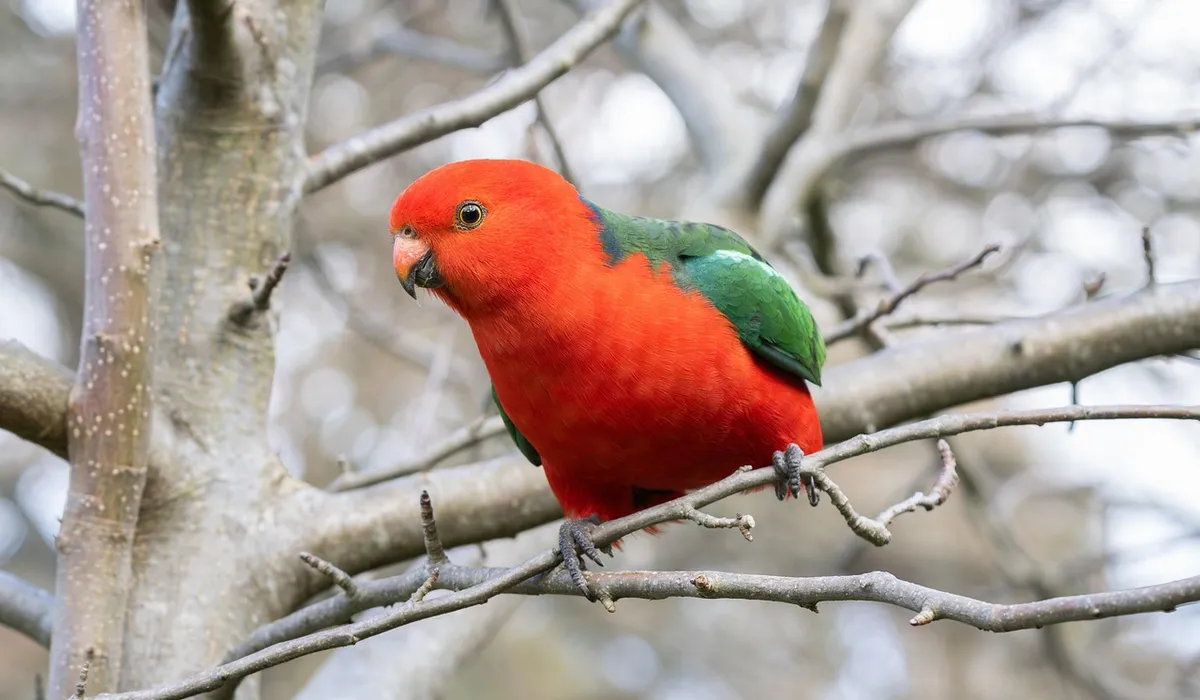
Parrots flourish in vibrant, life-filled spaces. Rainforests offer dense canopies where birds like my Green-cheeked Conure, Kiwi, would feel right at home, blending into the lush greenery. The tropics provide steady warmth and abundant fruits, supporting large flocks you can often hear before you see them. If you want to dive deeper into the habitats of these vivid creatures, especially those in rainforests, check out this resource.
Urban green spaces are surprising hotspots. Many cities host established flocks of escaped pets that have adapted, showing just how resilient these birds can be when given a patch of nature. Parks with fruit trees and water sources become mini-sanctuaries right in our backyards.
Responsible Visits to Conservation Areas
Protected zones like Costa Rica’s reserves or Australia’s parrot sanctuaries are vital. Always maintain a respectful distance-using binoculars lets you observe natural behaviors without causing stress. Stick to marked trails and follow local guidelines to minimize your impact.
Support conservation areas that prioritize habitat protection over tourist entertainment, ensuring parrots thrive in their natural social structures. Your visit fees often fund reforestation and anti-poaching efforts.
Habitats and Pet Trade Awareness
Seeing parrots in the wild completely changed my perspective. Healthy habitats are the only thing preventing many species from disappearing forever due to habitat loss and illegal trapping. Each colorful macaw or chatty conure represents a complex ecosystem. Wild parrot survival behaviors—such as coordinated flocking, vigilant foraging, and rapid responses to predators—show how they cope with changing conditions. These behaviors underscore why habitat quality and connectivity are crucial for their long-term survival.
Understanding their natural group dynamics and space needs directly informs how I care for my own birds at home. It’s why I provide large cages and foraging opportunities-they deserve to express their natural behaviors.
Best Times and Seasons for Prime Parrot Sightings
Parrots follow nature’s clock with remarkable consistency. Early morning and late afternoon are peak activity periods when temperatures are comfortable and food is plentiful. That’s when you’ll see the most social interactions and hear the loudest choruses.
Seasonal Patterns and Migrations
Dry seasons often concentrate parrots around remaining water sources. In tropical regions, the slightly cooler dry months bring parrots out in larger, more visible flocks as they search for reliable food and water. Wet seasons can mean more hiding in foliage but better breeding displays. During the mating season, pairs court and establish nesting territories. Breeding activity tends to peak when food and water are abundant.
Some species undertake seasonal movements. Australia’s cockatoos famously follow flowering patterns across regions, creating spectacular viewing opportunities if you time it right. Research local species patterns for your target destination.
Weather and Visibility Factors
Sunny days after light rain are magical for parrot watching. The cleared air and refreshed vegetation make colors pop and activity levels soar as birds dry their feathers and resume foraging. Overcast days can actually make photography easier without harsh shadows.
Windy conditions tend to keep parrots sheltered and quiet, while calm days offer the best chance to observe normal daily routines. I’ve had my most memorable sightings during stable weather periods.
Personal Regional Experiences
In South American rainforests, I found sunrise sessions unbeatable for spotting multiple species gathering at clay licks-the mineral-rich soil attracts hundreds of parrots simultaneously. The spectacle of colors against the red clay is unforgettable.
For urban parrot populations like San Francisco’s cherry-headed conures, late afternoons in neighborhood parks reliably reveal their noisy commutes to roosting sites. They follow the same flight paths daily, making timing predictable.
Australian outback viewing taught me that early mornings during the cooler months provide the most active and visible parrot congregations around water holes. The contrast of bright feathers against red earth is absolutely stunning.
Family-Friendly Parrot Watching Destinations
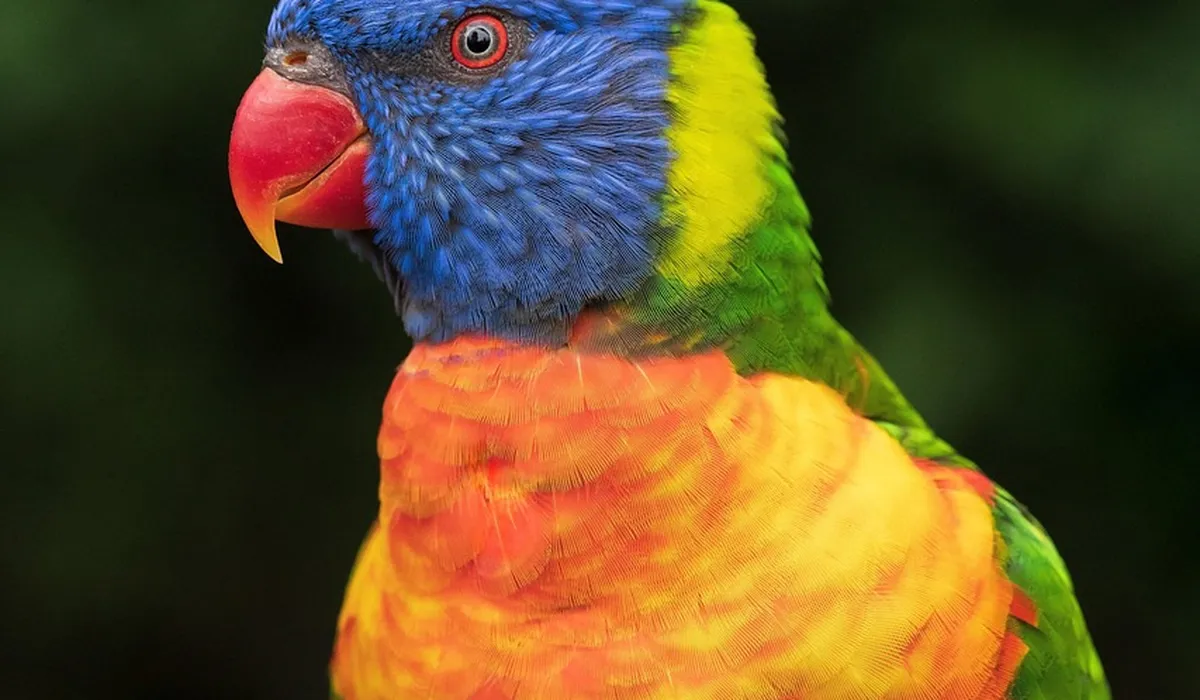
Finding a spot that’s safe, fun, and educational for the whole family makes parrot watching a joy.
Look for places with dedicated kid zones, clean restrooms, and shaded seating areas to keep everyone comfortable during your visit.
- Many zoos and aviaries offer “parrot encounter” programs where you can meet the birds up close under expert supervision.
- Guided feeding sessions teach children how to offer treats safely, turning a simple activity into a memorable lesson in respect.
- Interactive keeper talks often include fun facts about parrot diets and behaviors, sparking curiosity in young minds.
These experiences build a foundation of empathy. Watching my own playful conure, Kiwi, interact with respectful visitors always reinforces how direct encounters can nurture a lifelong respect for animal welfare.
Regional Guide to Parrot Hotspots Worldwide
Our planet is dotted with incredible locations to witness parrots in their element.
From bustling city parks to remote rainforests, there’s a parrot adventure waiting for every type of traveler.
North America Parrot Viewing Spots
You don’t need a passport to see spectacular parrots.
- Florida is famous for its feral flocks. In Miami, visit parks like Simpson Park to spot Red-masked Parakeets chattering in the palms.
- California’s urban areas, particularly near Los Angeles, host vibrant colonies of Red-crowned Amazons.
Observe urban colonies from a respectful distance using binoculars; avoid loud noises or sudden movements that can stress these wild families.
South America Birding Destinations
This is the heartland of parrot diversity.
- The Amazon rainforest in Peru and Brazil is a treasure trove for seeing massive Blue-and-yellow Macaws and noisy conure flocks.
- Reserves like Peru’s Tambopata National Reserve offer eco-tours led by local guides who prioritize minimal environmental impact.
Choose tour operators who support local communities and have clear policies against feeding or disturbing the wildlife, ensuring your visit helps protect these majestic birds.
Other Global Regions for Parrot Encounters
Parrots enchant across the globe, each region offering a unique experience.
- Southeast Asia: Visit Borneo’s rainforests to see the stunning Blue-naped Parrot. The best viewing is often in the early morning during the drier months.
- Oceania: Australia’s Kakadu National Park is home to spectacular flocks of Red-tailed Black Cockatoos. Their numbers swell after the wet season when food is plentiful.
- Africa: Journey to the Congo Basin to glimpse the intelligent African Grey Parrot, a species I know well from my calm and clever companion, Sage. Strong conservation programs here are vital for their survival.
- Europe: In Spain, parks in Barcelona have established populations of Monk Parakeets. Visit in spring to see their massive, communal nests.
Always research seasonal patterns and support destinations that contribute directly to parrot conservation and habitat protection. This topic connects to “holiday dangers parrots comprehensive seasonal safety checklist.” Use the checklist to keep parrots safe during seasonal travel and festivities.
FAQs
How can watching wild parrots inform the types of perches I provide for my pet?
Observing wild parrots shows they use varied, natural branches that promote foot health and exercise. This insight helps you choose textured, diameter-diverse perches to prevent arthritis and boredom in captive birds.
What should I look for in a parrot sanctuary to ensure it’s reputable?
Look for facilities that prioritize large, clean enclosures and avoid forced interactions, focusing on the birds’ natural behaviors. Reputable sanctuaries often have transparent conservation efforts and educate visitors on ethical pet ownership.
How does seasonal behavior in wild parrots affect how I should care for my pet throughout the year?
Wild parrots change activities with seasons, such as increased foraging in cooler months, which you can mimic by adjusting toy rotations and diet variety. This helps prevent obesity and mental stagnation in pet parrots by aligning their environment with natural rhythms. Additionally, a varied, high-quality diet supports long-term health and can influence lifespan by reducing obesity and disease risk. Diet quality and consistency can therefore meaningfully impact a parrot’s longevity.
Final Thoughts
Exploring places like aviaries or sanctuaries lets you witness parrots’ vibrant personalities up close, helping you make smarter choices if you’re considering a feathered friend. Seeing how parrots interact in these settings builds a foundation for understanding their needs before you bring one home. From my experience with Kiwi, my playful Green-cheeked Conure, I’ve found that observing different species sparks ideas for enriching your own pet’s life.
Commit to being a lifelong learner about parrot care, as their well-being depends on your dedication and knowledge. Regularly updating your skills ensures your parrot thrives, reducing stress and promoting a joyful bond. To turn that learning into action, create a long-term care plan for your parrot, outlining daily routines, nutrition, enrichment, and medical needs. A well-crafted plan helps you stay consistent and prepared for life’s changes. I’ve seen with Sage, my African Grey, that continuous education leads to happier, healthier birds, so always advocate for their welfare through informed choices.
Further Reading & Sources
- Top 5 Places to Spot America’s Wild Parrots – Animals Around The Globe
- The Wild Parrots of Southern California – The Butcher Shop
- Parrots Are Taking Over the World | Scientific American
Suzanne Levine is a dedicated parrot enthusiast and experienced avian caregiver with over 15 years of hands-on experience in parrot care. As the founder of Parrot Care Central, Suzanne is passionate about sharing her knowledge and insights to help fellow parrot owners provide the best possible care for their feathered friends. Her expertise spans nutrition, behavior, health, and enrichment, making her a trusted resource in the parrot care community.
Local Bird Shows