
Spotting Parrot Anger: Key Warning Signs to Watch For
Have you ever noticed your parrot acting out and wondered if it’s a sign of anger? It’s a worry many bird owners face, but learning to read their cues can transform your bond and keep everyone safe.
I’ve spent years caring for parrots like my curious Green-cheeked Conure Kiwi and my social Sun Conure Sunny, and I’m here to break down the essential signals. You’ll walk away with three core insights:
- How to spot physical changes, like feather positioning or eye pinning, that scream “back off.”
- What vocalizations, from sharp squawks to low growls, really mean in the heat of the moment.
- Why body language, such as postures or beak actions, is your best clue to their mood swings.
You’ll get straightforward advice you can use right away. We’ll dive into topics like: feather ruffling, beak grinding, aggressive postures, vocal warnings, and stress behaviors.
Understanding Parrot Anger: What It Looks and Sounds Like
In pet parrot care, anger is a normal reaction to stress or discomfort, not a sign of a bad bird. From my years with Kiwi, Sunny, and Sage, I’ve seen anger pop up when they feel threatened or frustrated-like Kiwi’s playful squawks turning sharp if I interrupt his toy time. It’s their way of saying, “Back off!” without words, and understanding this helps you respond with kindness instead of fear.
- Sudden loud noises, like a vacuum startling Sunny, who then shrieks in protest.
- Changes in daily routines, such as feeding times shifting and making Sage irritable.
- Invasion of personal space, like someone getting too close to Kiwi’s cage uninvited.
- Unexpected handling or restraint, which can cause any parrot to lash out defensively.
- Competition for attention or toys, leading to jealous behaviors in social birds like Sunny.
Remember, anger is a natural part of parrot behavior, not a personality flaw. By recognizing it as a communication tool, you can build a stronger bond and reduce stress for your feathered friend. Socializing a parrot gently and consistently helps prevent fear-based biting by building trust. With calm, positive interactions and gradual exposure to new people and situations, you can create a confident, well-adjusted feathered companion.
Body Language Signals: Visual Cues of Displeasure
Parrots shout their feelings through body language, and spotting these cues early prevents conflicts. When Sage’s eyes pin-contracting and dilating rapidly-it’s a clear sign she’s irritated, often over a disrupted nap or unfamiliar sound. Watching for these visual hints lets you step in before things escalate, keeping everyone safe and happy.
- Wings spread or flared wide, making the bird look larger and more intimidating.
- Crest raised high or flattened tightly against the head, showing agitation or alertness.
- Body stiffening with feathers puffed out, indicating tension and readiness to react.
- Foot stamping or rapid tapping, a common display of frustration in many species.
| Relaxed Posture | Angry Posture |
|---|---|
| Wings tucked neatly against the body | Wings flared or held away from sides |
| Crest resting softly or slightly raised | Crest erect or pressed flat in alarm |
| Body loose with smooth feather alignment | Body rigid with feathers standing on end |
| Feet relaxed or gently gripping a perch | Foot stamping or aggressive gripping |
In my experience, Sage’s eye pinning often comes with a low growl when she’s annoyed. Noticing these subtle shifts helps me adjust my approach, like giving her space instead of pushing for interaction. It’s all about reading their silent language to foster a peaceful home.
Vocal Warnings: Sounds That Signal Anger
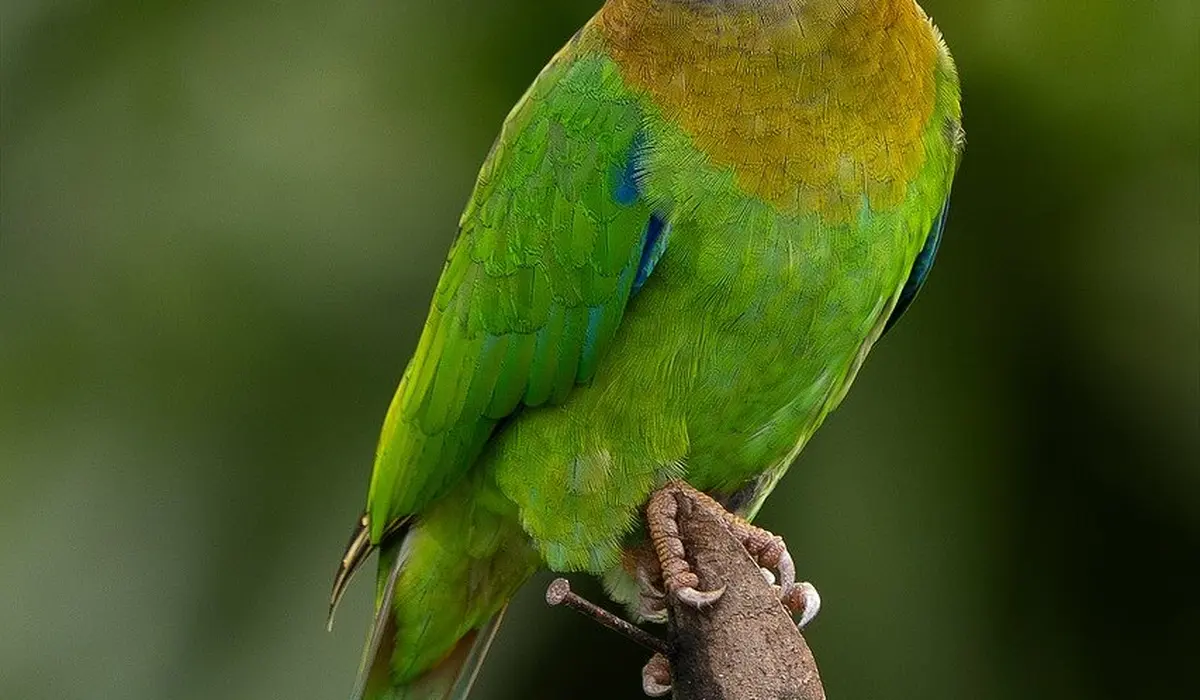
Parrots use distinct vocal cues to express frustration or anger, much like humans raising their voices. Recognizing these sounds early can prevent bites and build trust with your feathered friend. Understanding why parrots bite—what causes and triggers them—helps you prevent bites. You can learn more by visiting Understanding why parrots bite.
- Hissing: This sharp, airy noise resembles a cat’s warning hiss and signals “stay away.” My Green-cheeked Conure, Kiwi, hisses when I approach too fast-it’s his way of saying he needs a moment.
- Squawking: Think of this as a parrot’s version of shouting in irritation; it’s loud, repetitive, and often means they’re annoyed. Kiwi squawks when his favorite toy is out of reach, like a child fussing over a lost toy.
- Loud Screams: These are high-pitched, drawn-out cries similar to a person yelling in anger. When Sage, my African Grey, lets out a scream, it usually means he’s stressed or wants attention right now.
- Beak Snapping: A rapid clicking sound, like someone grinding their teeth in frustration, shows your bird is on edge. I’ve noticed Sunny, my Sun Conure, snaps his beak when he feels cornered during playtime.
To distinguish anger sounds from other vocalizations, follow these simple steps. Paying attention to context and tone helps you respond appropriately without confusion.
- Observe the situation: Anger sounds often happen during disruptions, like sudden noises or invasions of personal space.
- Compare with happy noises: Content chirps are softer and melodic, while anger vocalizations are harsher and more insistent.
- Watch body language: Pair sounds with visual cues-fluffed feathers or a rigid stance usually mean anger, not excitement.
- Note the frequency: Repetitive, intense sounds are more likely anger-related, whereas varied, playful calls indicate curiosity or joy.
Feather and Movement Clues: Subtle Signs of Aggression
Beyond vocal warnings, parrots show anger through physical gestures that are easy to miss if you’re not looking closely. Are these cues rooted in fear or aggression? Distinguishing between fearful vs aggressive signs helps you respond appropriately and prevents bites. Spotting these signs early keeps both you and your bird safe from misunderstandings.
- Feather Ruffling: Quick, shaking movements of the feathers can signal irritation, not just preening. Kiwi ruffles his wings when he’s had enough handling, like a person shrugging off unwanted touch.
- Puffing Up: When a parrot puffs out its feathers to appear larger, it’s a classic threat display. Sage does this when he feels challenged, similar to someone standing tall to intimidate.
- Tail Flicking: Rapid tail movements indicate mounting frustration, much like a person tapping their foot impatiently. I see this in Sunny when his meal is delayed.
- Head Bobbing: While sometimes playful, aggressive head bobs are jerky and intense. Kiwi bobs his head stiffly before nipping if I ignore his earlier warnings.
To observe these clues without provoking your parrot, use this safe approach. Staying calm and patient helps you read their body language accurately. When the parrot is calm, scared, or stressed, your calm, steady presence helps them feel safe.
- Maintain a relaxed posture: Avoid sudden movements that could startle your bird, and keep your hands visible but not intrusive.
- Watch from a distance: Step back slightly to give your parrot space, reducing their stress and allowing clearer observation.
- Look for combinations: Note if multiple signs occur together, like puffing up with tail flicking, which often confirms anger.
- Respond gently: If you see aggression cues, slowly redirect with a favorite toy or treat to de-escalate the situation.
For instance, Sunny’s raised feathers are a reliable warning of an impending lunge, so I always pause and reassess my actions to respect his boundaries. Understanding these subtle movements has helped me build a happier, stress-free environment for all my birds.
Responding to Anger: Safe De-escalation Techniques
When a parrot gets angry, your immediate reaction sets the tone for everything that follows. I’ve learned that staying calm myself is the most powerful tool I have to help my birds settle down. Parrots show emotions in subtle ways and can read our laughter, anger, and affection. Understanding these cues helps us respond with empathy. It’s a skill I had to practice, especially with my feisty Green-cheeked Conure, Kiwi.
Steps to Calm an Angry Parrot
Follow these steps exactly when you see those anger signals. They’ve saved my fingers more than once!
- Back away slowly from your parrot without making sudden movements.
- Avoid direct eye contact, as many parrots see a hard stare as a challenge.
- Speak in a soft, low-pitched voice using simple, reassuring words.
- Offer a favorite treat from a distance once the initial tension eases.
- Give your parrot space and time to calm down completely before re-engaging.
What NOT to Do With an Angry Parrot
I made some mistakes early on that actually made my parrot’s anger worse. Yelling or punishing a parrot only confirms their fear and destroys the trust you’ve built. Here’s what to avoid:
- Never yell, scream, or raise your voice
- Don’t punish or spray with water
- Avoid forcing interaction or handling
- Don’t make sudden movements or loom over them
- Never put your face too close to an agitated bird
Personal Redirection Tips That Work
My Sun Conure Sunny used to get territorial around her cage. I found that redirecting her attention with a special treat completely changed the dynamic. I keep small pieces of pine nuts (her absolute favorite) in a jar nearby specifically for these moments. When I see her getting worked up, I’ll calmly offer a nut from a safe distance, which shifts her focus from anger to something positive.
Common Causes of Parrot Anger: Why It Happens
Parrots don’t get angry without reason – there’s always an underlying cause. Understanding why your parrot is upset is the first step toward preventing future outbursts. My African Grey Sage taught me that what looks like aggression is often fear, pain, or frustration. So when you ask, ‘Why is my parrot being aggressive?’, you’re really trying to identify the root cause. Once you know whether it’s fear, pain, or frustration, you can address it and prevent further outbursts.
Primary Reasons for Parrot Anger
- Health issues and chronic pain
- Environmental stress and sudden changes
- Lack of mental stimulation and boredom
- Territorial behavior around cage or favorite spots
- Hormonal changes during breeding season
- Past trauma or inadequate socialization
- Sleep deprivation or disrupted routines
Linking Causes to Anger Signals
This table helps you quickly match what you’re seeing with what might be causing it:
| Cause | Common Anger Signals |
|---|---|
| Health Issues/Pain | Biting when touched in specific areas, feather plucking, unusual vocalizations |
| Environmental Stress | Lunging at cage bars, screaming at noises, refusing to step up |
| Lack of Stimulation | Destructive chewing, repetitive movements, attention-seeking screams |
| Territorial Behavior | Wing spreading, charging, biting near cage or favorite person |
| Hormonal Changes | Increased vocalization, nest-building behavior, protective aggression |
The Critical Role of Veterinary Care
After my conure Kiwi started biting unexpectedly, our avian vet discovered she had a minor infection causing discomfort. Routine vet checks are non-negotiable for ruling out pain-related aggression that you can’t see. That experience reminded me how crucial it is to read a parrot’s subtle body language for signs of pain. A quick guide to recognizing these signals can help you spot issues before they turn serious. I now schedule check-ups every six months and watch for subtle changes in behavior that might indicate health issues. Your parrot’s anger might be their only way to tell you something hurts.
Preventing Anger Episodes: Building a Trusting Bond
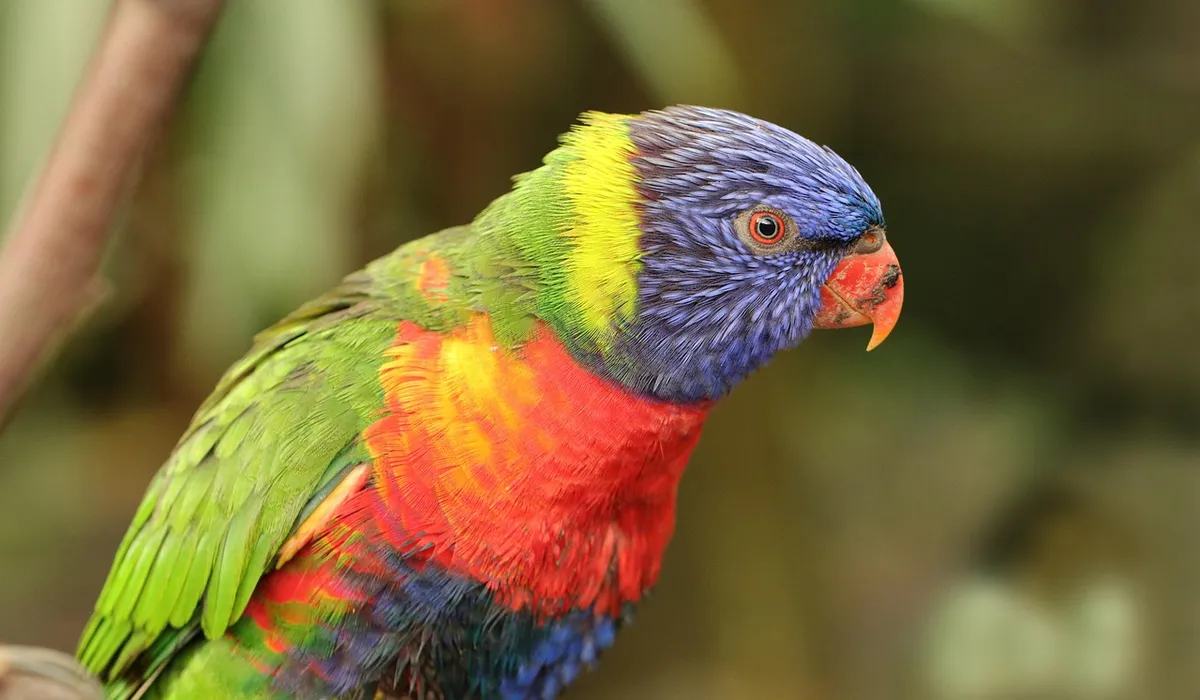
Creating a calm, predictable environment is your best defense against parrot anger. Consistent routines help your bird feel secure and reduce anxiety-driven aggression. I feed Kiwi and Sunny at the same times every day, and our “wake up” and “goodnight” rituals are non-negotiable. Routine and training can work wonders for behavioral issues too.
Boredom is a major trigger for frustration and anger in intelligent parrots. Providing a rotating selection of enrichment toys keeps their minds engaged and beaks busy on appropriate items, including cognitive brain games. Sage, my African Grey, loves puzzle toys that make him work for a treat.
Always reward the behavior you want to see. Positive reinforcement for calm, gentle interactions builds a language of trust between you and your bird. When Kiwi chooses to step up without nipping, she gets verbal praise and a favorite nut.
Daily Practices to Reduce Stress
- Offer 10-12 hours of uninterrupted, quiet sleep in a dark room or covered cage.
- Provide fresh foraging opportunities daily-hide food in cardboard or safe wood.
- Incorporate at least one hour of out-of-cage, supervised social time.
- Watch for subtle body language and respect their “no” by backing off.
- Maintain a calm demeanor and voice around your parrot-they mirror your energy.
Building trust transformed my relationship with Kiwi. Her “bluffing” incidents-sudden lunges and fake bites-dropped dramatically once she learned I would listen to her subtle warnings. I stopped forcing interactions and let her set the pace, which made her feel safer and less defensive.
When to Seek Help: Signs You Need Professional Advice
Some behaviors go beyond typical grumpiness and signal deep distress. If your parrot holds a persistent attacking stance, with pinned eyes and a rigid body, whenever you approach, it’s a cry for help. When these issues persist, seek professional help from a veterinarian or avian behaviorist. They can help rule out medical problems and guide safe behavior modification for your bird.
Chronic, piercing screeching that lasts for hours isn’t just noise; it’s a symptom of severe anxiety or frustration. Self-harm, like feather plucking to the point of creating bald spots or bleeding, is a medical and behavioral emergency. I’ve seen this in rescue birds, and it always requires professional intervention.
Steps for Finding a Certified Avian Expert
- Search the Association of Avian Veterinarians (AAV) database for a certified avian vet in your area.
- Look for an IAABC-certified parrot behavior consultant for specialized training plans.
- Schedule a wellness exam first to rule out underlying pain or illness causing the behavior.
- Prepare a “behavior log” noting triggers, frequency, and the bird’s environment to share with the expert.
Based on my experience with rescue birds, early intervention is everything. Waiting too long can cement fearful or aggressive behaviors, making them much harder to reverse and diminishing the bird’s quality of life. Your parrot’s welfare depends on you recognizing when a problem is bigger than DIY solutions.
FAQs
Is it possible to train a parrot to control its anger?
Yes, using positive reinforcement techniques can help redirect aggressive behaviors into calmer responses. Consistent training sessions with rewards for gentle actions build trust and reduce outbursts over time.
How does a parrot’s diet influence its mood and potential for anger?
A nutritious, balanced diet supports stable energy levels and minimizes irritability that can lead to anger. Avoiding high-sugar or deficient diets helps prevent mood swings and promotes overall emotional health.
What are the signs that my parrot’s anger is due to a health issue rather than behavior?
Look for accompanying symptoms like loss of appetite, unusual lethargy, or visible discomfort during movements. Consulting an avian veterinarian can identify underlying medical causes that mimic or trigger anger signals.
Final Thoughts
From my time with Kiwi, Sunny, and Sage, I’ve learned that spotting parrot anger signals-like sudden feather fluffing, sharp vocal shifts, or aggressive postures-helps you step in before things escalate. Pay close attention to their body language and sounds, as these cues let you address their needs calmly and prevent stress for both of you.
Caring for parrots means committing to their well-being through ongoing education and empathy. Keep exploring their world with curiosity, and you’ll build a happier, healthier bond that honors their unique personalities and needs.
Further Reading & Sources
- How to know when a parrot is angry – Quora
- Flock-Talk : Signs of Aggression in Parrots
- Parrot Behavior | Parrot Behaviour | Parrots | Guide | Omlet US
Suzanne Levine is a dedicated parrot enthusiast and experienced avian caregiver with over 15 years of hands-on experience in parrot care. As the founder of Parrot Care Central, Suzanne is passionate about sharing her knowledge and insights to help fellow parrot owners provide the best possible care for their feathered friends. Her expertise spans nutrition, behavior, health, and enrichment, making her a trusted resource in the parrot care community.
Socialization