
Can Parrots Recognize Themselves in Mirrors? The Surprising Intelligence Test
Published on: May 18, 2026 | Last Updated: May 18, 2026
Written By: Suzanne Levine
You’ve probably seen your parrot chirping, squawking, or even seeming to chat with its own reflection, leaving you wondering: does my bird actually know that’s itself in the mirror?
I’ve spent years with my own flock, from my playful Green-cheeked Conure Kiwi to my clever African Grey Sage, and I’m here to help you understand what’s really going on inside their feathery heads. We’ll break down the famous mirror test and what it reveals about parrot smarts.
Key takeaways we’ll explore:
– The science behind the mirror self-recognition test and which animals typically pass it.
– How parrots often react to mirrors and what those behaviors genuinely mean.
– Practical ways you can observe and test your own parrot’s cognitive abilities at home.
You’ll get clear, straightforward advice based on both scientific research and my personal experiences caring for parrots. You’ll also learn how to choose the right pet parrot for your home lifestyle, considering your space, schedule, and noise level. This will help you pick a parrot that fits your everyday life.
Topics covered: mirror test basics, parrot behavior interpretation, intelligence comparisons, at-home observation tips, species-specific differences, cognitive ability insights. We also consider how parrot senses shape their intelligence. This helps interpret their behavior more accurately.
What Makes Parrots So Intelligent? A Peek into Avian Smarts
Parrots aren’t just colorful chatterboxes-they’re brainy birds with skills that rival some primates. Their intelligence shines through problem-solving, like figuring out how to open cage latches or retrieve hidden treats. I’ve watched Kiwi, my Green-cheeked Conure, twist and turn a puzzle toy until the seeds popped out, showing off his clever persistence.
Mimicry is another standout trait, where parrots copy sounds and words with surprising accuracy. Sunny, my Sun Conure, mimics our doorbell so well it tricks us every time, blending fun with sharp listening skills. Do parrots mimic human speech sounds? Many do, repeating words they’ve heard from people. This isn’t just repetition; it’s a sign of social learning and memory.
Comparing parrot smarts to other animals, think of them as the curious toddlers of the bird world. While dogs rely on scent and loyalty, parrots use logic and observation, much like dolphins or elephants in their cognitive flexibility. For instance, Sage, my African Grey, recalls where I stash her favorite toys, a memory feat that reminds me of a clever cat’s hiding spots. (Comparing parrot intelligence).
From my years caring for Kiwi, Sunny, and Sage, I’ve seen firsthand how their smart behaviors light up daily life. Kiwi’s playful curiosity leads him to untie shoelaces, while Sage’s calm demeanor hides a knack for choosing the right words during conversations. These moments aren’t just cute-they reveal deep thinking and emotional connections.
Common signs of intelligence in pet parrots include:
- Solving simple puzzles, like unlocking food containers
- Mimicking household sounds or human speech regularly
- Showing curiosity by exploring new objects cautiously
- Using tools, such as sticks to reach items
- Recognizing family members and reacting differently to strangers
The Mirror Test: What It Reveals About Self-Awareness
The mirror test, often called the rouge test, checks if animals recognize their own reflection as themselves. Researchers use it to gauge self-awareness by seeing if a creature notices and touches a mark placed on its body while looking in a mirror. This simple experiment helps uncover how animals perceive their own existence.
For birds, scientists follow clear steps to conduct the test humanely. First, they let the bird get used to a mirror to reduce fear, then apply a harmless, visible mark like a dot of non-toxic paint. Next, they observe if the bird investigates the mark on its own body, indicating it understands the reflection is “me.”
Self-recognition matters hugely for animal welfare because it hints at deeper consciousness. When parrots show self-awareness, it means they might feel emotions like boredom or loneliness, pushing us to provide better enrichment and social interaction. I’ve tailored Sage’s playtime with puzzles after noticing her thoughtful gazes, ensuring her mind stays engaged and happy.
Variations in the test account for different parrot species’ behaviors. Larger parrots like African Greys might react more thoughtfully, while smaller ones like conures could see the mirror as a playful buddy initially. A quick parrot size guide can help explain why large and small species respond differently. Understanding these size-related tendencies can guide how you introduce objects like mirrors and tailor expectations for each bird. This diversity reminds us that intelligence isn’t one-size-fits-all, and each bird deserves patience and respect.
How to Safely Try a Mirror Test at Home
You can observe your parrot’s reaction to a mirror with care, but always prioritize their comfort. Start by gathering a small, safe mirror and a non-toxic, washable marker for marking, and set up in a quiet room to minimize stress. Whether your parrot is calm, scared, or stressed, the goal is to help them feel safe. Pay attention to body language to tailor your approach and ease fear. Keep sessions short and watch for signs of agitation, like feather puffing or loud squawks.
Follow these steps to conduct a simple observation:
- Place the mirror near your parrot’s cage or play area for a few days, letting them explore it without pressure.
- Once they’re calm, gently mark a spot on their head or chest with the washable marker while they’re distracted.
- Encourage them to look in the mirror and note if they touch or peck at the mark on their body.
- Record behaviors like vocalizations, head tilts, or repeated glances, which might show recognition.
- End the test immediately if your parrot seems stressed, and reward them with a favorite treat for participation.
Behaviors to watch for include touching the marked area, making soft sounds, or staring intently. If your parrot ignores the mark or treats the reflection as another bird, it doesn’t mean they’re not smart-just that self-awareness varies. From my experience, Kiwi once chirped at his reflection for days before calming down, teaching me that every bird’s journey is unique and worth respecting.
Do Parrots Pass the Mirror Test? Evidence from Studies and Stories

Scientists use the mirror test to check for self-awareness by placing a mark on an animal’s body that they can only see in a mirror. If the animal touches the mark on themselves, it suggests they recognize the reflection as their own body. Research shows some parrot species do show signs of passing this test, especially African Greys and larger cockatoos, while smaller species often don’t.
Species differences are huge here. My African Grey, Sage, would calmly observe her reflection and sometimes tilt her head as if analyzing it, unlike my conures who treated mirrors like another bird. African Greys tend to show more investigative behavior, while conures like Kiwi often see mirrors as social opportunities or threats.
From my experience, Kiwi would chatter and tap at his reflection playfully, while Sunny would get loud and excited. Sage would simply watch herself preen. These personal stories match scientific patterns where more cognitively complex species demonstrate clearer self-recognition signs.
| Parrot Species | Typical Mirror Test Outcome | Common Observed Behaviors |
|---|---|---|
| African Grey | Often shows self-recognition | Calm observation, mark investigation |
| Sun Conure | Rarely shows self-recognition | Vocalization, social displays |
| Green-cheeked Conure | No clear self-recognition | Playful interaction, curiosity |
| Amazon Parrots | Mixed results | Varied from aggression to indifference |
Understanding Your Parrot’s Behavior with Mirrors
Parrots show diverse reactions to mirrors that reveal their cognitive processing. Common responses include curious head-bobbing, aggressive posturing, or complete indifference depending on the individual bird’s personality and history.
These behaviors might indicate different levels of self-awareness. A parrot who treats their reflection as another bird likely hasn’t achieved self-recognition, while one who uses the mirror to explore their own body shows more advanced cognition.
Watch their body language closely – relaxed feathers and slow blinking suggest comfort, while pinned eyes and raised wings signal stress. Vocalizations also tell a story: content murmuring differs greatly from alarm calls directed at the reflection.
- Warning signs of mirror-related stress:
- Constant screaming at reflection
- Refusing to leave mirror’s vicinity
- Feather plucking or self-mutilation
- Loss of appetite when separated from mirror
- Aggressive behavior toward household members
When Mirrors Cause Trouble: Aggression and Fixation
Mirrors can trigger problematic behaviors in parrots who become territorial or obsessed. I’ve seen cases where birds attack their reflection repeatedly, leading to injured beaks and chronic stress.
If your parrot shows mirror fixation or aggression:
- Immediately cover or remove the mirror
- Redirect their attention with foraging toys
- Increase out-of-cage social time
- Provide alternative visual enrichment like window perches
- Consult an avian veterinarian if behavior persists
Always prioritize your parrot’s welfare over entertainment value when considering mirror use. After witnessing Kiwi’s initial obsession with his reflection, I limited his mirror exposure to brief supervised sessions. Removing mirrors completely becomes necessary when birds stop eating, sleeping, or interacting normally due to fixation.
Using Mirrors in Parrot Care: Pros and Cons for Your Feathered Friend
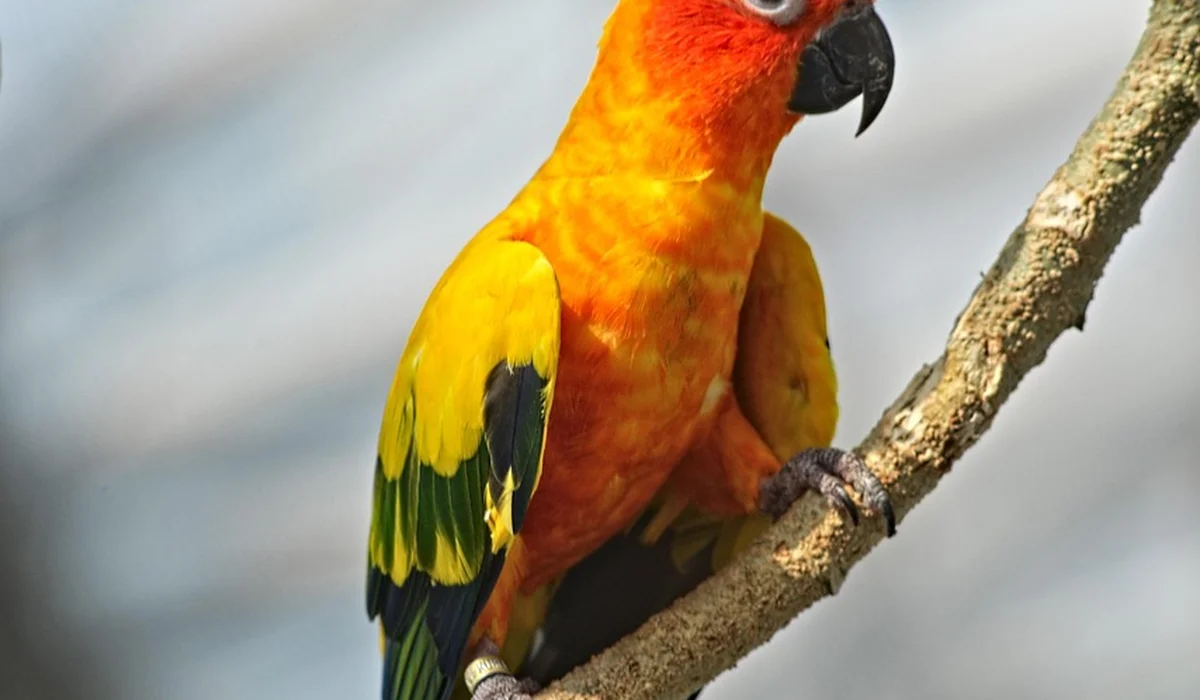
Mirrors can be a fascinating addition to your parrot’s environment, but they come with a mix of perks and pitfalls. I’ve watched my Green-cheeked Conure, Kiwi, chatter at his reflection for hours, which gave him a fun distraction while I worked.
Benefits of Mirrors
- Temporary companionship: A mirror can ease loneliness when you’re briefly away, reducing stress for social birds like conures.
- Mental stimulation: Parrots may see their reflection as a puzzle, encouraging curiosity and engagement.
- Entertainment value: It provides visual interest, especially for playful species that enjoy interactive objects.
Risks to Consider
- Reduced social interaction: Birds might prefer the “mirror friend” over real companions or you, leading to less bonding time.
- False bonding: Your parrot could become attached to the reflection, causing frustration when it doesn’t respond like a live bird.
- Aggression or anxiety: Some parrots, like my Sun Conure Sunny, might see the reflection as a rival, triggering territorial behavior.
Personal Advice for Safe Mirror Use
Based on my flock’s experiences, introduce mirrors cautiously. Start with short sessions of 10-15 minutes to see how your parrot reacts – Kiwi loved it, but my African Grey Sage ignored it completely. Place the mirror outside the cage initially to avoid overuse, and always supervise for signs of stress. If your bird seems obsessed or aggressive, remove it right away. If issues persist or you’re unsure how to address them, consider seeking professional help from an avian veterinarian or a certified animal behaviorist. They can help identify underlying causes and develop a tailored plan for your parrot.
Mirror Alternatives
If mirrors aren’t suitable, try these options:
- Foraging toys that hide treats to mimic natural hunting behaviors.
- Auditory enrichment like soft music or nature sounds to keep them engaged.
- Rotating perches and toys to maintain novelty without reliance on reflections.
Boosting Your Parrot’s Brainpower Beyond Mirrors
Keeping your parrot’s mind sharp goes way beyond mirrors, and it’s something I prioritize for my birds’ happiness. Engaging their brains with varied activities prevents boredom and supports their natural intelligence, which I’ve seen firsthand with Sage’s puzzle-solving skills. When I notice signs of boredom, I jump in with targeted enrichment and quick training to redirect energy into curiosity and play. That’s why I help—keeping parrots engaged prevents boredom from taking hold.
Ideas for Cognitive Enrichment
- Puzzle toys: Use treat-dispensing games that require manipulation, like sliding doors or turning knobs.
- Foraging opportunities: Hide snacks in paper rolls or boxes to encourage exploration and problem-solving.
- Training sessions: Teach simple commands or tricks using positive reinforcement, which builds communication and trust.
How These Activities Help
These enrichments promote self-monitoring by letting parrots assess challenges and adjust their actions. Problem-solving through puzzles, for instance, mimics wild foraging and boosts confidence when they succeed. Training reinforces their ability to learn from consequences, enhancing their overall cognitive flexibility. This approach aligns with cognitive enrichment for parrots, including the idea of 10 brain games to keep your bird sharp. By mixing puzzles, foraging tasks, and problem-solving toys, you can help keep your bird mentally active and sharp.
DIY Enrichment Options
You don’t need fancy toys-household items work great:
- Cardboard egg cartons filled with shredded paper and treats for digging and discovery.
- Untreated wood blocks strung on a safe rope for chewing and manipulating.
- Old keys (cleaned and checked for safety) attached to a perch for noise-making and play.
The Importance of Variety for Welfare
Rotating activities is crucial to avoid monotony and support animal welfare. I switch up toys weekly for my parrots to keep their environment stimulating, which reduces stress and encourages natural behaviors. A diverse routine ensures they stay physically and mentally healthy, fostering a happier, more well-adjusted companion.
FAQs
Can all parrot species recognize themselves in mirrors?
No, not all parrot species show self-recognition in mirrors, as cognitive abilities vary widely among them. For example, African Greys often demonstrate clearer signs, while smaller conures may treat the reflection as another bird.
Is it harmful if my parrot doesn’t recognize itself in a mirror?
No, it’s not harmful, as self-awareness isn’t necessary for a parrot to lead a happy and healthy life. Focus on providing other forms of enrichment, like puzzles and social interaction, to support their well-being.
What are the signs that my parrot might be self-aware?
Look for behaviors such as using the mirror to inspect their own body or showing curiosity about marks on themselves while viewing their reflection. Consistent calm observation rather than aggression or playfulness can also indicate potential self-awareness.
Closing the Loop
Mirror tests show parrots vary in self-recognition, so watch your bird’s cues closely. My Green-cheeked Conure, Kiwi, often chirps at reflections without aggression, but I remove mirrors if any stress signs appear. Focus on enriching activities like foraging toys to support their natural intelligence safely.
Owning a parrot means committing to their lifelong well-being through informed care and observation. I’ve learned from Sunny’s social needs and Sage’s calm demeanor that every parrot thrives with tailored attention and mental challenges. Keep exploring resources to deepen your bond and ensure a happy, healthy life for your feathered friend.
Further Reading & Sources
- Investigation of mirror-self recognition in ravens (Corvus corax) – PubMed
- Mirror Use by African Grey Parrots (Psittacus erithacus)
- Mirror responses in African grey parrot (Psittacus erithacus) support the gradualist perspective on mirror self-recognition: Ethology Ecology & Evolution: Vol 35, No 6
Suzanne Levine is a dedicated parrot enthusiast and experienced avian caregiver with over 15 years of hands-on experience in parrot care. As the founder of Parrot Care Central, Suzanne is passionate about sharing her knowledge and insights to help fellow parrot owners provide the best possible care for their feathered friends. Her expertise spans nutrition, behavior, health, and enrichment, making her a trusted resource in the parrot care community.
Enrichment Activities