
How to Find and Choose a Parrot Boarding Facility
Leaving your chatty, feathered friend in someone else’s care can feel nerve-wracking. You picture their cage, their favorite toys, and wonder if they’ll be happy and safe without you. I’ve felt that exact worry every time I’ve had to travel without my conure, Kiwi.
To put your mind at ease, I’ll walk you through the absolute must-check points for any boarding spot. We’ll focus on three non-negotiable areas: the facility’s safety and cleanliness, the staff’s real experience with parrots, and the overall mental and physical environment they provide.
By the end of this guide, you’ll have a clear checklist for making the best choice. The article covers: finding potential facilities, evaluating safety and staff, understanding daily care routines, preparing your parrot, and making the final decision.
Why Your Parrot Deserves a Top-Notch Boarding Experience
Life happens, and sometimes you need to travel for a vacation, work trip, or family emergency. Finding a safe place for your parrot during these times is a huge weight off your shoulders. If you’re traveling with your parrot, there are essential steps to follow. Taking these steps helps ensure your bird’s safety and comfort on the journey.
Parrots aren’t like cats or dogs; they have very specific social and mental needs. A proper boarding facility understands that a parrot needs interaction, not just food and a clean cage. My Green-cheeked Conure, Kiwi, becomes visibly distressed if left without engagement for too long.
I learned this the hard way years ago. I used a generic pet sitter who didn’t know about parrot body language. My bird came back plucking his feathers from sheer boredom and anxiety. It was a heartbreaking lesson that proper boarding is about preventing stress, not just providing shelter.
Where to Hunt for Reliable Parrot Boarding Options
Start your search with people who already know and love birds. Your avian veterinarian is your absolute best resource for quality recommendations. They see the results of both good and bad boarding situations.
Don’t overlook local bird clubs or parrot sanctuaries. These communities are filled with experienced owners who can point you toward hidden gems. A quick online search with your city name and “parrot boarding” can also reveal dedicated facilities.
Always dig into online reviews, but read them critically. Look for specific mentions of staff knowledge, cage cleanliness, and how birds are handled. A handful of detailed, positive reviews are worth more than a hundred generic five-star ratings.
Getting Trustworthy Recommendations
When you ask your avian vet, be specific. Don’t just ask for “a place to board.” Ask them, “Based on your experience, which facility provides the best enrichment and attentive care for a parrot like mine?” This frames the question around quality of life and highlights why your parrot needs a specialist for such recommendations.
Reach out to reputable local pet stores that specialize in birds. The staff often have direct connections with trusted boarders and can share firsthand accounts. My local bird store introduced me to the woman who now watches Sage, my African Grey, whenever I’m away.
Leverage local bird clubs and sanctuaries by attending a meeting or event. You get to hear unfiltered opinions and see which names come up repeatedly in conversation. These personal referrals are pure gold.
Online and Local Search Strategies
Your online search needs to be precise. Use targeted keywords like “avian boarding facility,” “parrot hotel,” or “specialized bird sitter” along with your city. This filters out the general kennels that aren’t equipped for parrots.
During your initial searches, immediately check for any mention of licensing, permits, or certifications. A facility that proudly displays its credentials on its website is often more transparent and professional. This was a key factor in choosing a place for my social Sun Conure, Sunny.
Look for websites that detail their daily routine. A great sign is a facility that outlines specific playtime, feeding schedules, and how they handle different parrot personalities. If that information is easy to find, it shows they’ve put real thought into their service. You can also look for guides that list how to tell if your parrot is happy, including 10 key signs to watch for.
What to Inspect During Your Facility Tour
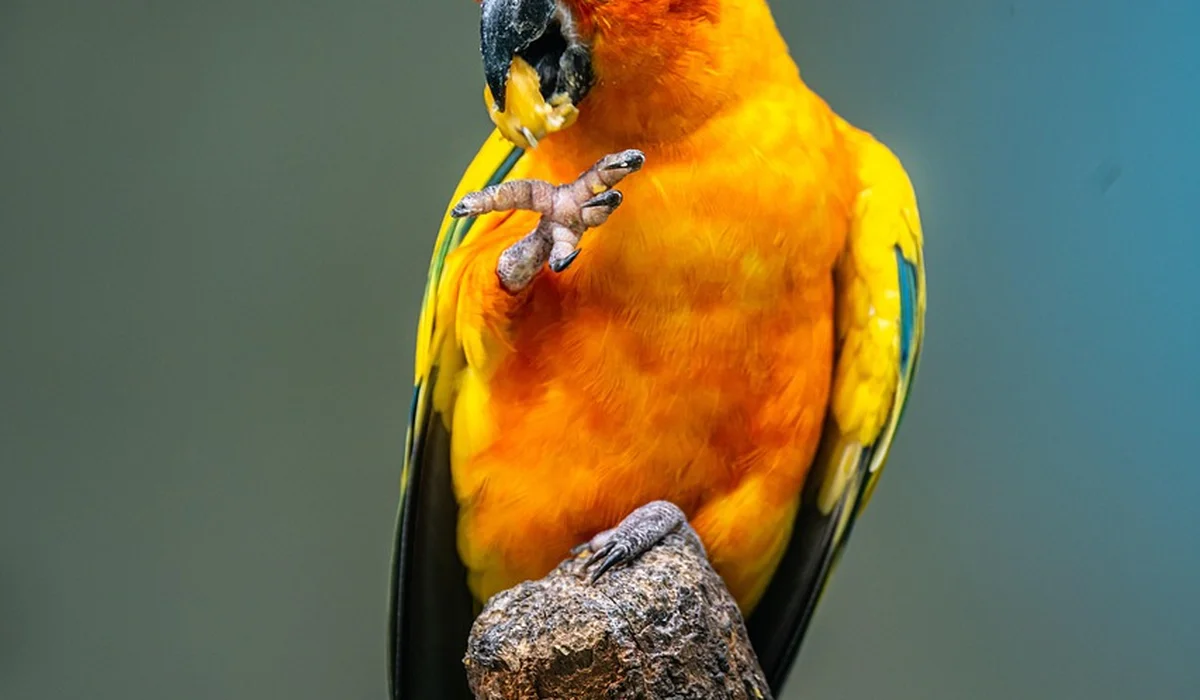
When I visit a parrot boarding spot, I treat it like checking a new home for my feathered friends-Kiwi, Sunny, and Sage each have their quirks, so I look for places that feel safe and comfy. Your tour should follow a clear checklist to catch every detail that matters for your bird’s happiness and health.
- Start by scanning the overall safety: look for secure locks on cages, no loose wires, and barriers that prevent escapes.
- Check climate control-parrots like my Sun Conure, Sunny, thrive in steady temps, so feel for consistent warmth and humidity.
- Inspect cage cleanliness up close; dirty perches or food dishes can spread illness fast.
- Evaluate housing setups: are cages spacious with perches and toys, or cramped and bare?
- Listen for noise levels; a calm environment helps shy birds like Sage, my African Grey, stay stress-free.
Assessing Facility and Equipment Quality
I always peek at how cages are arranged-some birds, like Kiwi, love social time, while others need solo space. Quality housing means individual options for birds who get stressed in groups, plus clean, well-maintained equipment.
- Ask if they offer separate cages for birds that prefer alone time, like during molting or illness.
- Note hygiene: dishes should be washed daily, and cages free of old food or droppings.
Observing Daily Operations and Environment
Watch the staff in action-do they follow a set routine for feeding and play? Proper ventilation and temperature are non-negotiable; stale air or drafts can make parrots sick quickly.
- Look for posted schedules showing feeding times and enrichment activities.
- Ensure air flows well without strong odors, and thermostats keep temps parrot-perfect.
Key Questions to Grill the Boarding Staff
Don’t be shy-ask everything! I learned with Sage that a few sharp questions can reveal if a place is truly bird-savvy. Grilling the staff helps you gauge their expertise and commitment to your parrot’s well-being.
- What’s your plan if a bird gets sick or injured overnight?
- How do you handle emergencies, like power outages or fires?
- Do you require health certificates to prevent disease spread?
- What’s your policy on parasite control and vaccinations?
- Can you accommodate special diets, like fresh veggies for Kiwi?
- What are your drop-off and pickup hours, and how often do you update owners?
Health and Safety Inquiries
Your parrot’s health comes first—I always confirm they have a vet on call and clear protocols. Emergency readiness shows they value your bird’s life as much as you do. When a parrot is sick, having a simple home first-aid plan and knowing when to seek urgent care can be lifesaving. Quick, calm home care can stabilize your bird while professional help is on the way.
- Ask if they have a nearby avian vet and practice drills for crises.
- Confirm they mandate health checks and treat for mites or lice upon arrival.
Policies and Services Clarifications
Nutrition and communication are big deals-Sunny adores her fruit mix, so I double-check they’ll serve it right. Clear policies on food and updates give you peace of mind while you’re away.
- Discuss if they’ll follow your feeding guide or provide their own quality food.
- Clarify pickup flexibility and how they’ll send photos or messages about your bird’s day.
How to Prep Your Parrot for a Smooth Boarding Stay
Getting your feathered friend ready for boarding is like packing for a child’s first sleepaway camp. Proper preparation transforms a potentially stressful event into a fun, manageable adventure for your bird. I learned this the hard way with my Green-cheeked Conure, Kiwi, whose first boarding experience taught me the value of a good prep routine.
Packing the Perfect Parrot Go-Bag
Think of this bag as your parrot’s personal survival kit. A well-packed go-bag provides familiar comforts that ease the transition into a new space. From my three parrots’ varied needs, I’ve perfected this packing list.
- Food & Diet: Pack more than enough of their regular pellets, seeds, and any special treats. Include pre-portioned bags for each day to maintain their routine.
- Favorite Toys: Bring 2-3 well-loved toys. For Kiwi, that’s his destructible wood block; for Sunny, her noisy bell.
- Medical Records & Medication: Provide a printed health certificate and detailed dosing instructions for any meds. I always include my vet’s contact information.
- Comfort Items: A small, familiar perch or a snuggle hut can work wonders. Sage sleeps with a specific fleece strip I always pack.
- Label Everything: Use waterproof labels on food containers, medicine, and toys. Clear labeling prevents mix-ups and ensures staff follow your care plan exactly.
Easing Your Bird into the New Environment
Parrots are creatures of habit, and sudden change can be jarring. Gradual introduction is the golden rule for reducing parrot anxiety during boarding. Routine training can help address behavioral issues by reinforcing calm responses and predictable routines. With consistent daily practice, Sunny learned to navigate new situations more confidently. My Sun Conure, Sunny, used to get so stressed, but these techniques changed everything.
- Schedule a Short Pre-Visit: Take your bird to the facility for a 30-minute “meet and greet.” Let them see the space and meet a staff member while you’re there.
- Practice Crate Travel: Get your parrot comfortable with their travel carrier weeks in advance. Leave it out with treats inside so it becomes a positive space.
- Bring Familiar Sounds: I record a short video of myself talking and playing music my birds know. The facility can play it softly to provide auditory comfort.
- Use Scent Swapping: A few days before drop-off, bring a small towel or toy to the facility, then bring it home. This mixes the scents of home and the new place.
After doing a pre-visit with my African Grey, Sage, he was noticeably calmer on actual boarding day. Familiarity breeds comfort, turning a scary new place into just another interesting spot to explore.
Comparing Parrot Boarding to Other Care Options
Choosing between boarding, a sitter, or vet care is a major decision for parrot owners. The best choice depends entirely on your bird’s personality, your budget, and the length of your trip. I’ve used all three options over the years with my flock, and each serves a different purpose. When you’re leaving on vacation, many owners weigh boarding versus a home sitter for their parrot. The right choice depends on your bird’s stress tolerance and daily routine.
When a Parrot Sitter Makes Sense
In-home care can be fantastic for certain situations. A pet sitter works best for birds who are easily stressed by new environments or have specific medical needs. My nervous Green-cheek does better with a sitter for short trips.
- Ideal Scenarios: Short weekend trips, medically fragile birds, or multiple-pet households where leaving everyone is simpler
- Cost Factors: Often cheaper for short periods but can become expensive for longer vacations
- Convenience Level: Your bird stays in their familiar territory with minimal routine disruption
- Potential Downsides: Less socialization, variable sitter experience with parrots, and your home security concerns
Weighing Facility Benefits Over Other Choices
Professional boarding facilities offer structured care that other options can’t match. The daily enrichment and social opportunities at good facilities provide mental stimulation that keeps parrots happily engaged. My social Sun Conure absolutely thrives at her favorite boarding place.
- Socialization Advantages: Birds see and hear other parrots (safely distanced), preventing loneliness
- Daily Enrichment: Trained staff provide rotating toys, foraging opportunities, and out-of-cage time
- Safety Protocols: Professional facilities have emergency plans, backup power, and staff trained in avian first aid
- Cost Comparison: Often more affordable than round-the-clock pet sitting for trips longer than 3-4 days
- Veterinarian Boarding: Best for birds with serious medical conditions but typically offers less playtime and enrichment
The right boarding facility provides a vacation-like experience for your parrot, complete with new friends and adventures. Seeing how my birds return home happy and well-adjusted makes the investment worthwhile for longer trips. Our Parrot Sitting 101 comprehensive guide helps you leave your pet sitter with clear instructions, routines, and safety preferences before you go.
Making the Final Choice and Booking with Confidence
Trust your gut feeling after visiting facilities; your intuition about the staff’s genuine care for birds is often your most reliable guide. I’ve walked away from perfectly clean places simply because the attendant seemed more interested in their phone than my chatty conure, Kiwi.
Understanding Contracts and Fees
Read every line of the boarding agreement aloud if you have to. Pay close attention to clauses about emergency veterinary care and the facility’s liability. You need to know exactly what happens if your parrot gets sick and who is financially responsible.
Compare prices carefully, but remember the cheapest option is rarely the best. Ask specifically what the daily rate includes, such as fresh chop, pellet mixes, or supervised out-of-cage time. Some places charge extra for these essentials, which can double your final bill.
- Daily boarding fee and minimum stay requirements
- Costs for any required health certificates or tests
- Fees for administering medication or special diets
- Emergency vet transport and treatment authorization
- Late pickup or early drop-off penalties
Ensuring a Hassle-Free Drop-Off and Pickup
Complete all paperwork before arrival day to minimize stress. Provide a detailed care sheet listing your parrot’s favorite foods, fears, and quirky phrases they might shout. My African Grey, Sage, once spent a week repeatedly asking a sitter “Are you a potato?” which was far less alarming because I’d warned them. For more tips on settling your new bird, check out your new parrot’s first day home – a step-by-step survival guide.
Pack a “go-bag” with familiar items from home. Include their most-loved, destructible toys, a worn t-shirt with your scent, and a week’s worth of their specific food mix. Familiar sights and smells ease the transition into a strange new environment immensely.
- Confirm your booking and drop-off time 24 hours in advance.
- Bring your parrot in a secure, familiar travel carrier, not on your shoulder.
- Provide multiple emergency contact numbers and your vet’s information.
- Request a mid-stay update or photo to give yourself peace of mind.
- Be prompt for pickup and allow quiet re-acclimation time at home.
FAQs
Is the parrot boarding facility licensed and insured?
A reputable facility should hold proper licensing and insurance to ensure legal operation and cover any accidents. Always request documentation to verify this before committing to their services.
What species and sizes of parrots do you board?
Many facilities set limits based on species and size to provide appropriate care and housing for each bird. Confirm they can handle your parrot’s specific type, from small conures to large macaws. Also ask about cage requirements for your bird’s size and species. Check minimum cage dimensions, bar spacing, and enrichment.
Do you offer visiting hours or live webcam monitoring for owners?
Some places allow scheduled visits or webcam feeds so owners can observe their birds in real-time. This feature helps ease worries by letting you check in on your parrot’s well-being remotely.
What is your policy on noise and aggression between birds?
Facilities should have clear rules to minimize disturbances and separate birds that show signs of aggression. Proper management ensures a calm environment and prevents injuries among boarded parrots.
What is the daily routine for boarded birds and the feeding schedule?
Daily routines often include set times for feeding, play, and rest to mimic a natural schedule. Consistent feeding with quality diets helps keep parrots healthy and reduces stress during their stay. General parrot dietary guidelines emphasize a balanced mix of pellets, fresh fruits and vegetables, and appropriate seeds, while avoiding harmful foods. Provide clean water and monitor portions to support long-term health.
Final Thoughts
Your mission is simple: visit potential boarding spots in person, ask detailed questions about daily routines and emergency plans, and trust your gut feeling about the staff and environment. The right choice will give you genuine peace of mind, knowing your feathered friend is safe, engaged, and cared for according to their unique personality.
Finding a great boarding facility is just one part of the wonderful journey of parrot guardianship. I encourage you to keep learning, ask questions, and explore all the resources available on our site to ensure you’re providing the most fulfilling life for your intelligent companion.
Further Reading & Sources
Suzanne Levine is a dedicated parrot enthusiast and experienced avian caregiver with over 15 years of hands-on experience in parrot care. As the founder of Parrot Care Central, Suzanne is passionate about sharing her knowledge and insights to help fellow parrot owners provide the best possible care for their feathered friends. Her expertise spans nutrition, behavior, health, and enrichment, making her a trusted resource in the parrot care community.
Finding a Parrot