
Parrot Care While Traveling: Boarding vs. Pet Sitter
Planning a trip but worried about leaving your feathered friend behind? You’re not alone-many parrot owners feel that tug of anxiety when vacation time rolls around. I’ve been there too, juggling trips while caring for my own parrots like Kiwi, the curious Green-cheeked Conure, and I know how crucial it is to pick the right care option to keep your bird happy and healthy.
In this guide, I’ll walk you through the essentials to help you make an informed choice, focusing on three key takeaways:
- How your parrot’s unique personality influences whether boarding or a sitter is better
- The real costs and logistics involved in each option to fit your budget and schedule
- Practical steps to minimize stress and prioritize your bird’s well-being while you’re away
You’ll get straightforward advice tailored to real-life situations, covering topics like parrot stress signs, cost breakdowns, and safety checks in a simple, easy-to-follow format: parrot personality fit, cost comparison, safety measures, and personal care tips.
Understanding Your Parrot’s Vacation Needs
Your parrot’s personality is the biggest factor in deciding their vacation care. My Green-cheeked Conure, Kiwi, thrives on new adventures, but my African Grey, Sage, gets stressed by unfamiliar sounds. A social Sun Conure like Sunny might love a busy boarding facility, while a shy parrot would prefer a quiet sitter at home. For the holidays, a comprehensive seasonal safety checklist helps cover holiday dangers and tailor care to each bird. It helps you plan ahead and keeps parrots safe during festive changes.
Assess Species-Specific Traits and Personality
Observe how your bird reacts to change. High-energy parrots often adapt better to boarding, while nervous birds usually do best in their own space. I learned this the hard way when Kiwi’s curiosity made him a great boarder, but Sage’s need for routine meant a sitter was the only calm option.
List Daily Routines
- Feeding Schedule: Note exact times and amounts. My crew gets fresh chop at 7 AM and pellets by 5 PM.
- Social Interaction: Record how many hours of out-of-cage time and direct attention they need daily.
- Noise Management: Identify their loudest periods. Sunny screams at sunset, so I warn caregivers about this predictable noise.
Evaluate Stress Triggers and Comfort Zones
- Watch for feather picking or loss of appetite when routines change.
- Notice which toys or perches they retreat to when scared.
- Test short separations to see how they handle your absence.
Creating a detailed “parrot profile” before you travel prevents most care disasters. I keep a notebook for each bird updated with their latest quirks and preferences.
Exploring Avian Boarding Facilities
Not all boarding places understand parrot needs. The right facility feels like a bird-friendly hotel, not a sterile kennel. I’ve toured dozens and found the best ones share specific features that keep parrots healthy and engaged.
What to Look For in Cage Setup and Safety
- Cage Cleanliness: No dried food on bars, fresh liners changed daily, and no strong chemical smells
- Habitat Setup: Multiple perches of different textures, separate food and water stations, and safe shredding toys
- Safety Precautions: Double-door entry systems, covered windows near cages, and staff trained in bird first aid
Great facilities quarantine new arrivals away from regular boarders to prevent disease spread. I always ask about their isolation protocol after one bad experience where Kiwi caught a respiratory infection.
Facility Tour Checklist
- Ask to see where your bird will stay, not just a showroom
- Request their health monitoring log template
- Verify staff-to-bird ratios during peak hours
- Check that they require current vet records from all clients
Don’t be shy about asking how they handle emergencies after hours. The best place I use has an avian vet on call 24/7 and shows me their emergency contact sheet.
Transport and Vet Requirements
Prepare your travel kit well before departure day. I always bring my birds in their smaller travel cages with familiar perches to reduce stress. Most quality facilities require these documents updated within the last year:
- Avian vet health certificate
- Vaccination records if applicable
- Negative psittacosis test results
Label all supplies with your bird’s name and care instructions using waterproof tags. I include photos of my birds with their luggage so staff recognize them immediately.
Hiring a Reliable Parrot Sitter
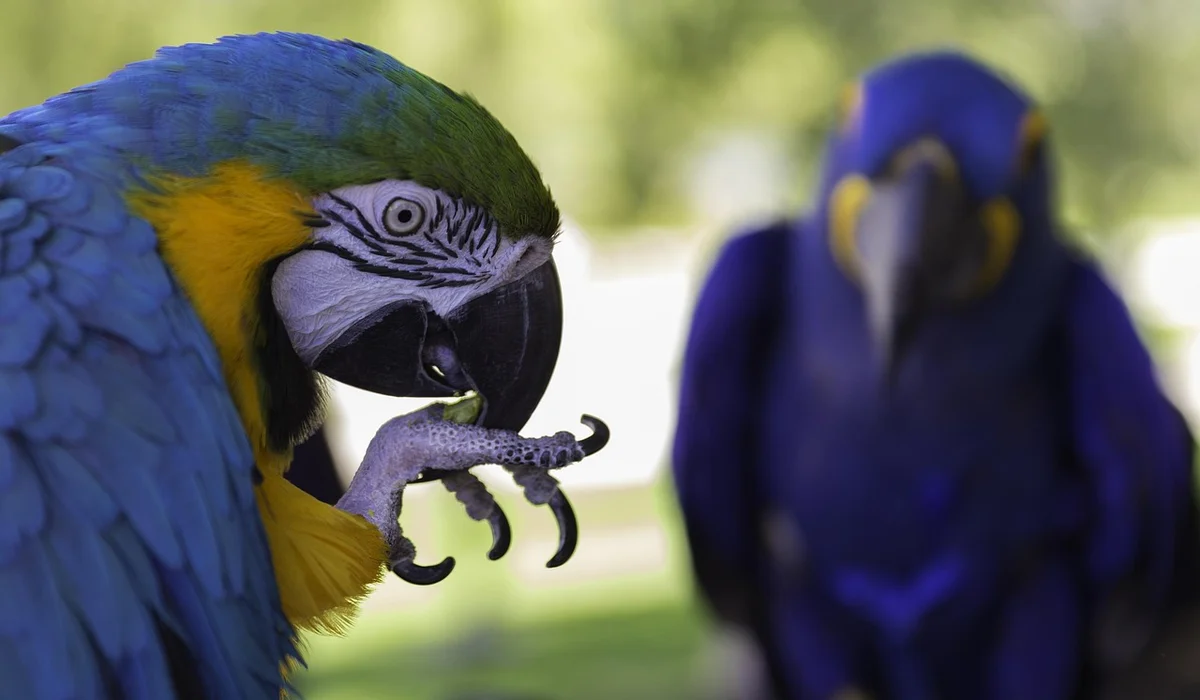
Finding someone you trust with your feathered child feels huge. I always start by asking other parrot owners in my local community for personal recommendations; a trusted referral is pure gold.
Essential Interview Questions
Your interview is your best tool for finding the right person. Don’t be shy about asking detailed questions.
- What is your hands-on experience with parrots, specifically with my parrot’s species?
- Can you walk me through a typical daily care routine you would provide?
- How would you handle a parrot emergency, like an injury or escape attempt?
- Are you comfortable with my bird’s specific diet and preparing fresh foods?
- Can you provide references from other pet owners?
Core Sitter Responsibilities
A great sitter does more than just refill food bowls. Clear communication about these daily tasks prevents misunderstandings and keeps your parrot thriving.
- Provide fresh food and water twice daily, removing any spoiled items.
- Offer supervised out-of-cage time for exercise and mental stimulation.
- Rotate enrichment toys to prevent boredom and encourage natural behaviors.
- Perform a quick home security check each visit, ensuring doors and windows are secure.
- Send daily photo or video updates to give you peace of mind.
Emergency Plan and Exit Checklist
Preparing for the worst ensures the best outcome. I create a physical folder with all this information and walk the sitter through it before I leave.
- Post your avian vet’s contact information and the address of the nearest emergency animal hospital in a visible spot.
- Provide a signed letter authorizing the sitter to seek veterinary care on your behalf.
- Set a clear spending limit for any emergency medical treatments.
- Create a quick exit checklist for the sitter: Cage door locked? Windows closed? Water bowl full?
Comparing Costs and Insurance
Budgeting for your trip means budgeting for your parrot’s care. The choice between a sitter and boarding often comes down to your budget and your parrot’s specific emotional needs.
Cost Breakdown: Sitter vs. Boarding
Prices vary wildly depending on your location and your parrot’s requirements.
- In-Home Pet Sitter: Typically charges $15-$30 per visit. Multiple daily visits for social birds can add up quickly.
- Professional Boarding Facility: Can range from $25-$50 per night. Specialized avian boarding is often at the higher end of this scale.
- Live-In Sitter: This can be a cost-effective option if you have other pets or plants needing care, sometimes arranged as a trade for housing.
Factors Affecting Price and Insurance
Don’t be surprised by a higher quote. Your parrot’s size, special medical needs, and required social interaction are the biggest factors that drive up the cost of care. This is part of a complete parrot ownership cost breakdown—from purchase to lifelong care. We’ll walk you through the numbers so you can plan accordingly.
- Species and Size: Larger parrots like Macaws often cost more to board due to space and food requirements.
- Medication: Administering medication usually incurs an additional daily fee.
- Social Needs: A parrot that needs hours of daily interaction will require a more intensive (and expensive) care plan.
- Insurance: Most standard pet insurance doesn’t cover boarding or sitter costs. Check if your homeowner’s or renter’s policy offers any liability coverage for a hired sitter.
Smart Budgeting for Your Trip
Plan ahead to avoid financial stress. I always set aside a 10% “parrot care buffer” in my travel budget for any last-minute needs or extended trips.
- Get quotes from at least three different sitters or facilities before making a decision.
- Ask about discounts for extended stays or for booking well in advance.
- Create a dedicated savings fund for pet care, contributing a small amount each month.
Ensuring Safety and Health
Your parrot’s safety is the top priority, whether they’re staying home or venturing out. I’ve learned that proactive planning prevents panic and keeps your feathered friend secure. To create a safe, stimulating indoor flight environment for your parrot, set up a dedicated space with safe perches and enrichment. Supervise flights and remove hazards to keep them secure.
Key Safety Precautions
- For Boarding: Verify the facility requires proof of a recent avian vet check-up and has quarantine protocols for new birds. My Kiwi once stayed at a place that separated newcomers, which gave me huge peace of mind.
- For Sitters: Provide a detailed home safety sheet. List hazards like toxic plants, open windows, or ceiling fans. I always do a walk-through with the sitter, pointing out things they might not notice.
- Ensure all cages are secure with no broken bars or loose latches. I once found a wobbly door on Sage’s cage right before a trip-a quick fix avoided a potential escape.
Health Monitoring and Vet Access
- Leave a health log. Track daily food intake, water consumption, and droppings. I use a simple notebook and ask caregivers to note anything unusual.
- Provide clear vet contact information, including the after-hours emergency clinic. Make sure your vet knows someone else might be calling on your behalf.
- Pack a “go-bag” with your parrot’s regular food, favorite treats, and any medications. Include a recent photo in case they get lost.
Travel stress can suppress your parrot’s immune system, so maintaining routine is your best defense. Sunny gets quieter when I’m away, so I ask sitters to play soft music and keep her evening schedule consistent. A steady, gentle soundscape to calm your parrot at home helps your parrot manage everyday noise and stay calmer. This calmer environment reduces stress for both of you.
Creating an Emergency Response Plan
- List emergency contacts: your number, a backup local friend, and your avian vet.
- Write down your parrot’s microchip number or leg band details.
- Include instructions for power outages, fires, or other disasters. I keep a carrier by the door and show sitters how to safely transport each bird.
A well-practiced plan turns chaos into calm action, protecting your parrot when you can’t be there.
Making the Best Choice for Your Parrot
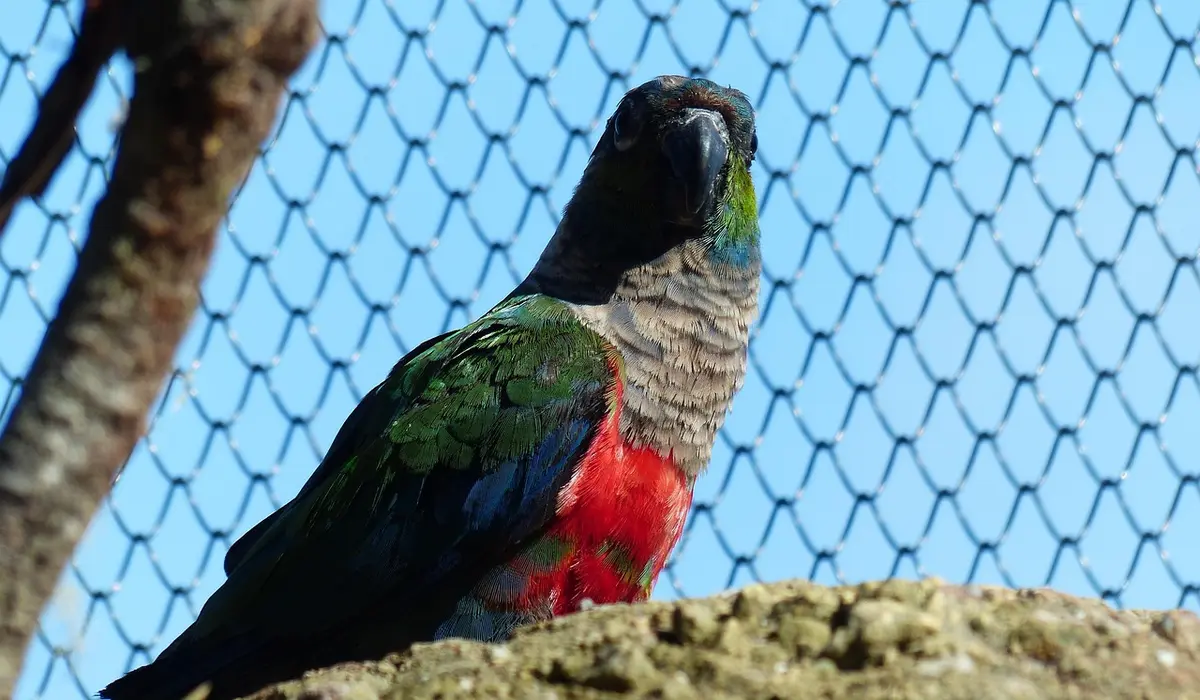
Every parrot has unique needs, and what works for one might stress another. Observing your bird’s personality is the first step to picking the right care option. Choose a parrot that fits your home lifestyle. Consider its activity level and how much daily time you can devote.
Weighing Boarding vs. Sitter
| Option | Pros | Cons |
|---|---|---|
| Boarding Facility | Constant supervision, avian-specialized staff, social stimulation from other birds | New environment can cause stress, exposure to unfamiliar birds or germs |
| In-Home Sitter | Familiar surroundings, one-on-one attention, minimal routine disruption | Less specialized backup if sitter gets sick, potential for inconsistent care |
My social Sun Conure, Sunny, thrives at a good boarding facility, but my shy African Grey, Sage, prefers the quiet of home. Match the choice to your parrot’s comfort, not just your convenience.
Testing Comfort Levels
- Visit potential boarding facilities unannounced. Check for cleanliness, noise levels, and staff interaction with the birds.
- Invite a potential sitter over for a “meet and greet.” Watch how your parrot reacts-do they step up willingly or hide?
- Ask the caregiver to offer a favorite treat or toy. I judge success by how quickly Kiwi takes a walnut from a new person!
Trust your gut-and your parrot’s body language-to gauge if a situation feels safe and welcoming.
Conducting a Trial Run
- Schedule a short stay, like an overnight or weekend, before your big trip.
- Use this time to test communication with the caregiver. Do they send updates and photos?
- Observe your parrot’s behavior when you return. Are they relaxed, or showing signs of feather plucking or loss of appetite?
A trial run reveals hiccups you can fix, making the actual vacation smooth for everyone. I did this with a new sitter last year and adjusted Sage’s bedtime routine based on what we learned.
Preparing for a Smooth Transition
Change can ruffle any parrot’s feathers, but a careful, slow approach makes all the difference. I’ve found that starting introductions at least a week before you leave gives your bird time to build positive associations with their new temporary caregiver. If you’re moving soon, a simple step-by-step relocation checklist can help keep things calm and organized. It guides you through transport, cage setup, and gradual introductions in the new home.
Minimizing Stress Through Gradual Introductions
Think of this like helping a shy friend feel comfortable at a party. You wouldn’t just shove them into a room of strangers.
- Visit One: Have the sitter or a staff member from the boarding facility visit for just 15 minutes. They should sit quietly, offer a high-value treat through the cage bars, and speak in a calm, low voice. My conure, Kiwi, went from hiding to curious chirping after two of these sessions.
- Visit Two: Increase the time to 30 minutes. Let the caregiver offer a favorite toy or perhaps a piece of fruit from their hand if your parrot is comfortable.
- Visit Three: This is the “hand-off.” You be present in the room while the caregiver performs a simple routine task, like refilling the food dish or changing the water. Your calm presence is a safety signal for your bird.
Your Parrot’s Exit Checklist
Running out the door is stressful enough. This list ensures you don’t forget the little things that mean a lot to your feathered friend.
- Habitat Setup:
- Deep-clean the cage and all perches.
- Provide multiple fresh water sources.
- Stock at least 25% more food than you think you’ll need.
- Caregiver Briefing:
- Write down your parrot’s exact daily routine (wake-up, meals, bedtime).
- List all known commands and their favorite words or songs.
- Provide clear instructions on handling out-of-cage time, if applicable.
- Emergency Preparedness:
- Leave your vet’s contact information and a signed release form for treatment.
- Note any subtle signs of illness unique to your bird (e.g., Sage, my African Grey, fluffs up more than usual when he’s feeling off).
Maintaining Well-Being While You’re Away
Your parrot’s mental and physical health needs to continue seamlessly, even in your absence.
Boredom is a huge enemy for intelligent creatures like parrots, so I always leave a “surprise box” of new foraging toys and pre-approved treats for the caregiver to introduce every few days. This mimics the enrichment I’d normally provide.
Ask your caregiver to send you short video updates. Seeing your bird active and engaged provides immense peace of mind. For my social sun conure, Sunny, hearing a recording of my voice played by the sitter for a few minutes each day helped curb his calling.
Finally, trust the process and the person you’ve chosen. Your anxiety can be sensed by your parrot, so a confident goodbye, while hard, sets them up for a calmer experience.
Common Questions
How can I test which care option is better for my parrot before I commit to a long trip?
Schedule a short trial stay, such as an overnight or weekend, to observe your parrot’s reaction. This test run will reveal their stress levels and the caregiver’s reliability before your actual vacation. These checks are essential steps when traveling with your parrot, helping you ensure a smooth, low-stress trip. By seeing how your bird adapts away from home, you can address any issues before departure.
What specific questions should I ask a boarding facility about their avian veterinarian access?
Ask if they have an avian vet on-call 24/7 and request to see their emergency contact sheet. You should also verify their protocol for transporting birds to the vet and if they have staff trained in avian first aid, or know how to provide basic care for sick birds while en route.
What should I do if my parrot seems unhappy with the chosen care arrangement while I’m away?
Ensure your caregiver knows the subtle signs of stress unique to your bird, like changes in vocalization or feather position. You should also have a pre-arranged backup plan with a trusted friend or family member who can intervene if necessary. During vet visits, having a plan for how you will hold and calm handling during vet visits can greatly reduce stress. Practice calm, gentle handling at home so your parrot learns to trust handling at the clinic.
Wrapping Up: Your Parrot’s Home-Away-From-Home
Ultimately, your choice boils down to your bird’s unique personality and your own peace of mind. If your feathered friend thrives on routine and quiet, a professional sitter coming to your home is often the gentlest option. For my social, adventurous conure Kiwi, a reputable boarding facility with other birds provides the stimulating environment he craves.
Remember, being a parrot guardian means committing to their complex emotional and physical needs, even when you’re away. Keep learning and growing alongside your bird by exploring trusted resources like ours, ensuring you’re always providing the most compassionate and informed care possible. For a quick reference on the most common parrot health concerns, check out our complete guide. It highlights common symptoms, prevention tips, and when to seek veterinary care.
Further Reading & Sources
- r/parrots on Reddit: What’s your take on boarding your birds compared to having a bird sitter come to the house?
- Boarding or Bird Sitting? | Parrot Forum 🦜 Parrot Owners Community
- Your Guide to Finding the Perfect Bird Pet Sitter
Suzanne Levine is a dedicated parrot enthusiast and experienced avian caregiver with over 15 years of hands-on experience in parrot care. As the founder of Parrot Care Central, Suzanne is passionate about sharing her knowledge and insights to help fellow parrot owners provide the best possible care for their feathered friends. Her expertise spans nutrition, behavior, health, and enrichment, making her a trusted resource in the parrot care community.
Housing