
Natural Wood vs. Dowel Perches: The Impact on Your Parrot’s Foot Health
Are you worried that the wrong perch choice could harm your parrot’s feet and lead to painful conditions like bumblefoot?
I’ve cared for parrots like Kiwi, Sunny, and Sage for years, and I’ll guide you through the essentials to protect your bird’s foot health.
Here are the key takeaways we’ll explore:
- Why natural wood perches support better foot circulation and mimic wild habitats
- How dowel perches can cause pressure sores and long-term damage
- Simple ways to mix perch types for a comfortable, varied setup
You’ll get straightforward advice to make the best choice for your feathered friend. This article covers: Perch Material Differences, Health Risks and Benefits, Selection Tips, and Maintenance Advice. We’ll help you choose the right pet parrot for your home lifestyle. Consider how much space, time, and noise you can devote to your new companion.
The Great Perch Debate: Natural Wood vs. Dowel
I learned this lesson the hard way with my own flock. When I first brought home Kiwi, my Green-cheeked Conure, his cage came with standard, smooth dowel perches. Within weeks, I noticed he was starting to favor one foot, and that’s when my research into proper foot health truly began.
Texture, Grip, and Material: A World of Difference
Think of it like this: would you want to walk all day on a perfectly smooth, slippery pipe? That’s the reality for a parrot on a dowel perch. Dowel perches offer a uniform, often slick surface that provides zero variation for gripping muscles and joints.
Natural wood perches, on the other hand, are a sensory playground for feet. The varying diameters, bumps, and bark textures force your parrot’s feet to constantly adjust and flex, building strength and dexterity. You can discover more about different types of parrot perches and their benefits for your feathered friend.
Why Irregular Surfaces are a Toe’s Best Friend
The inconsistent surface of a natural wood perch is its greatest asset. This irregularity prevents pressure from concentrating on the same spots on the foot pads all day, every day.
- Promotes healthy blood circulation in the feet and toes.
- Encourages natural perching behaviors and a secure, confident grip.
- Acts like a natural foot massage, preventing stiffness and arthritis as they age.
The Hidden Dangers of the Uniform Dowel
My sun conure, Sunny, developed a small callus before I switched his perches. Constantly resting on the same pressure points can lead to painful calluses, sores, and a serious condition called bumblefoot.
Bumblefoot is a bacterial infection and inflammation of the foot pad. It often starts because a smooth, hard surface causes tiny abrasions that become infected. It’s painful, difficult to treat, and entirely preventable with the right perches.
Your Guide to Bird-Safe Wood and Bark
Not all wood is created equal! You must use only untreated, bird-safe woods. The bark texture is crucial for grip and for satisfying that natural urge to shred.
- Manzanita: Incredibly durable with a smooth yet varied surface. My African Grey, Sage, loves his.
- Dragonwood: Textured and gnarly, perfect for challenging those foot muscles.
- Grapevine: Soft, shreddable bark and a wonderfully twisted shape.
- Apple, Birch, Willow: All are safe options that offer great texture and chewing enrichment.
Always source wood from reputable suppliers who guarantee it’s pesticide-free and safe for birds. Avoid woods like cedar, cherry, and redwood, which can be toxic.
Reading Your Parrot’s Feet: Early Warning Signs
Your parrot’s feet can tell you a powerful story about their comfort and health. Learning to “read” their feet is one of the most vital skills you can develop as a parrot guardian. This awareness directly ties into our complete guide to the most common parrot health concerns. In that guide, you’ll learn what to watch for in their feet and how to respond.
Common Symptoms You Can’t Ignore
Be on the lookout for subtle changes. Redness, noticeable swelling, or a persistent warm feeling on the foot pads are immediate red flags.
Watch how they move. A slight limp, refusing to put weight on a foot, or a sudden change in grip strength are clear indicators of pain or discomfort. If your normally acrobatic bird is suddenly hesitant to climb, listen to what they’re telling you.
What Foot Pads and Pressure Points Reveal
Gently examine the bottom of their feet. Healthy foot pads should be soft and supple, not hard, scaly, or covered in rough patches.
Look for any discoloration or dark spots. Red or inflamed pressure points, especially on the ball of the foot, are a direct sign that their perches are causing distress. This is often the first step toward more serious issues.
Behavioral Shifts Linked to Foot Pain
Foot pain doesn’t always scream; it often whispers. A bird in foot pain may become less active, spend more time sitting at the bottom of the cage, or show a grumpy, irritable demeanor. These mood changes can also hint at avian depression in a parrot. If so, addressing both physical discomfort and emotional needs—through enrichment, consistent routines, and professional guidance—can help your bird recover.
I noticed my conure, Kiwi, was less interested in playing with his favorite foot toys. Reduced activity can be a sign of arthritis, which is exacerbated by poor perching surfaces that don’t allow for joint movement.
Your Daily Foot Check Routine
Make a quick foot check part of your daily interaction. It takes less than a minute and can save your parrot from a world of hurt. By watching for subtle body language and signs of pain, you’ll know when something is off. A brief guide to recognizing pain cues in parrots can help you respond quickly and appropriately.
- Visual Scan: Look for redness, swelling, sores, or any abnormal scaling on the foot pads and between the toes.
- Grip Test: Offer your finger or a familiar perch. Does their grip feel strong and even, or weak and shaky?
- Weight-Bearing Observation: Watch them stand. Are they shifting weight off one foot repeatedly? Are they standing flat-footed?
- Tactile Check: When they are calm, gently feel the bottom of their feet. They should feel cool and soft, not warm or hard.
Catching these signs early is the key to preventing chronic pain and serious health complications down the road.
Stop Foot Problems Before They Start
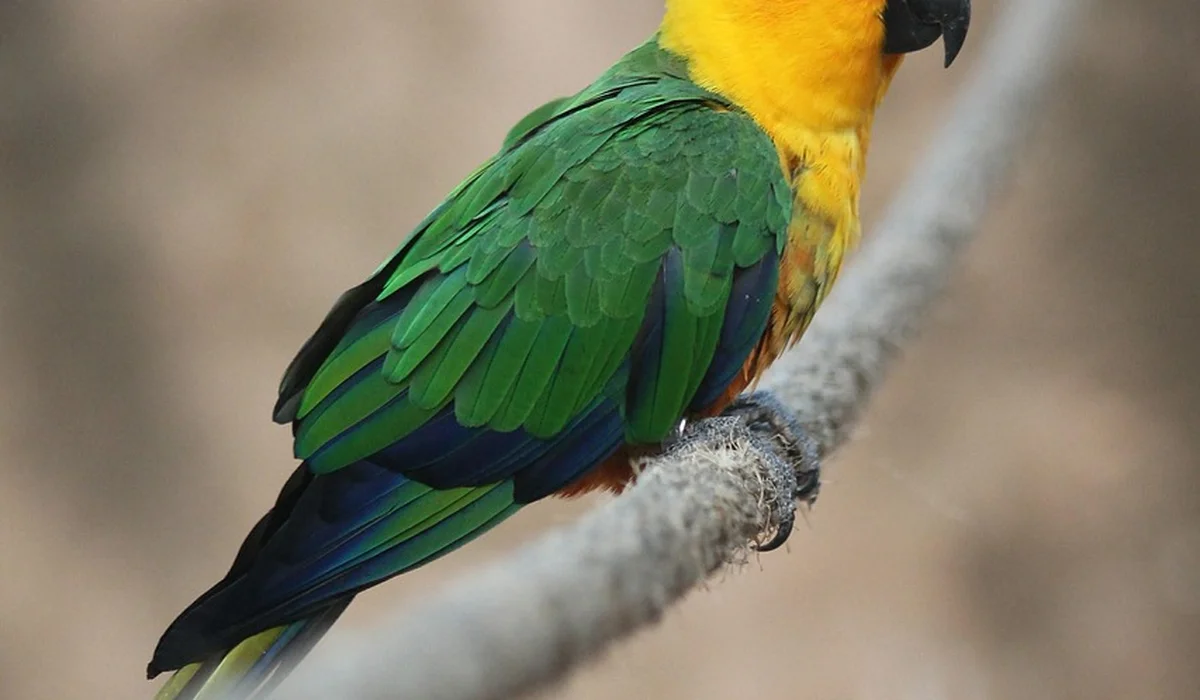
After years of watching my own flock, from the acrobatic Kiwi to the wise Sage, I’ve learned that preventing foot issues is far easier than treating them once they appear. A static, boring perch setup is a one-way ticket to discomfort and potential long-term health problems for your parrot.
Vary Everything: Diameter, Material, and Placement
Think of your parrot’s feet like your own hands. You wouldn’t want to grip the exact same shape all day, every day. Your parrot doesn’t either.
- Diameter: Offer a complete range, from thin branches that encourage a tight grip to wide, flat surfaces that allow the feet to rest fully stretched.
- Materials: Combine natural wood, rope, cement (for nail filing), and even safe, textured plastic. Each surface provides a different sensory and muscular experience.
- Placement: Don’t just line perches up in a row. Place them at different heights and angles to encourage climbing, stretching, and varied movement throughout the cage.
Enrichment Through Diverse Surfaces
My conure, Kiwi, spends his day hopping from a gnarly manzanita branch to a bouncy rope perch. This variety prevents repetitive stress on the same pressure points, which is a primary cause of painful sores and arthritis. A dynamic environment keeps their feet strong and healthy.
Risk Factors to Eliminate Immediately
Vigilance is your best tool. I regularly inspect every perch for these hazards:
- Poor Maintenance: Perches caked in droppings can harbor bacteria that lead to infections like bumblefoot.
- Splinter Hazards: Any perch, especially dowels, that shows cracks or splinters needs to be replaced immediately to prevent injuries.
- Slippery Surfaces: Worn-down, smooth perches offer no grip and force your bird’s feet to work unnaturally hard to stay balanced.
Creating a Foot-Friendly Cage Setup: A 5-Step Guide
- Start with the Main Perch. Choose a thick, natural wood branch for the highest sleeping spot, where your parrot spends the most continuous time.
- Add a Textured Trimmer. Position a cement or sandy perch near a food or water dish so your bird files its nails naturally during frequent visits.
- Incorporate Flexible Options. Install a rope perch in a central location to provide a gentle, forgiving surface that encourages play.
- Fill in the Gaps. Use smaller, varied-diameter natural branches to create a “path” for climbing and exploring across the cage.
- Rotate and Refresh. Every few months, swap out a perch or two and rearrange the layout to keep the environment novel and engaging.
Your Daily Foot Check: A Simple Routine
This takes me less than a minute during our morning cuddle session. Making foot checks a calm, positive part of your routine allows you to spot tiny issues before they become big emergencies. My sun conure, Sunny, now lifts her feet on command for a quick look!
Step-by-Step Foot Inspection
- Observe First. Watch your parrot stand and grip a perch. Look for any favoring of one foot or an uneven stance.
- Ask for a Foot. Gently press on the side of their leg, just above the foot. Most trained parrots will lift it willingly.
- Check the Pads. Look at the bottom of the foot (the plantar surface). The skin should be smooth, without redness, swelling, or scabs.
- Examine the Toes and Nails. Ensure all toes are straight and can grip firmly. Check nails for proper length and that none are cracked or broken.
Recognizing Early Warning Signs
You’re looking for subtle changes. A small, hard callus might be normal, but a red, inflamed spot is an early sign of a pressure sore. Minor sores can look like small, pinkish bumps or rough patches on the foot pads. Catching these early means you can adjust perches and prevent a full-blown infection.
Safe Nail Trimming to Protect Toes
Overgrown nails can force a parrot’s toes into an unnatural position, straining joints. I only trim the very tip of the clear part of the nail, well away from the pink “quick,” which contains blood vessels. If you are unsure, have an avian vet or an experienced groomer show you the first time. A cement perch often does most of the work for you! You can trim your parrot’s nails safely at home with the right tools and a calm routine. Start with tiny snips and reward your bird to build a positive home-trimming habit!
Quick-Reference: What to Look and Feel For
- Look For: Redness, swelling, shiny skin, scabs, flaking, or any open wounds.
- Feel For: Lumps, bumps, unusual heat, or any sign that your bird pulls its foot away from gentle pressure.
- Normal Is: Smooth, cool skin, straight toes that grip firmly, and nails that don’t curl back onto the foot pad.
When to Call the Vet: Serious Foot Issues

Your parrot’s feet are their foundation, and sometimes a simple change in perches isn’t enough. You need to act fast if you see persistent swelling, open sores, or a bird that’s consistently favoring one foot.
Signs That Scream for a Vet Visit
- Persistent lameness or an obvious reluctance to put weight on a foot.
- Swollen joints or foot pads that feel warm to the touch.
- Visible sores, scabs, or discharge that doesn’t clear up in a day or two.
- A change in the color of the foot or toes, especially if they appear dark or purple.
- Constant picking or chewing at their feet.
My Sun Conure, Sunny, once developed a slight limp after a clumsy landing. I watched it for a few hours, but when she started refusing to step up, I knew it was a vet trip, not a wait-and-see situation.
Treatment Paths for Advanced Problems
For a condition like bumblefoot (a bacterial infection), your vet will likely start with a culture to identify the right antibiotic. Treatment can range from oral medications and topical creams to, in severe cases, surgery to remove infected tissue. For joint pain, anti-inflammatory drugs and supportive bandaging are common.
How Diet and Activity Fuel Recovery
Healing requires top-notch nutrition. A diet rich in Vitamin A (from sweet potatoes and dark leafy greens) and Vitamin E supports skin integrity and cellular repair. I made a point of boosting these in Sage’s diet during a past foot issue. Keeping your bird mentally and physically active, even with a sore foot, prevents muscle atrophy and keeps their spirits up.
When Home Care Falls Short
- Any bleeding that doesn’t stop with gentle pressure.
- Suspected fractures or dislocations.
- Signs of a deep, puncture-type wound.
- Infection that is spreading or making your parrot lethargic.
You are your parrot’s first line of defense, but a good avian vet is your essential partner.
Beyond Perches: Supporting Overall Foot Health
Think of foot health as a full-circle project. It’s not just about what your parrot stands on, but what fuels their body and how they move throughout the day. Creating a safe, stimulating indoor flight environment supports those goals. With varied perches and supervised flights, you help your parrot stay active and healthy.
The Foundation: Diet and Activity
A poor diet leads to obesity, which puts immense strain on tiny foot joints. Maintaining a healthy weight through a balanced pellet diet supplemented with fresh veggies is non-negotiable for strong feet. Encourage flight and climbing to build those crucial leg and foot muscles.
Smart Substrate Choices
What lines the bottom of the cage matters. Soft substrates like clean paper towels, butcher paper, or safe fleece liners provide a forgiving surface for those occasional clumsy landings. Avoid hard plastic trays or rough sandpaper covers that offer no cushion.
Building Grip Strength and Flexibility
Feet need a workout, too! I rotate different textured toys and foraging puzzles that require my Green-cheek, Kiwi, to use her feet to hold and manipulate objects. This isn’t just play; it’s physical therapy that strengthens tendons and improves dexterity.
Your Foot Wellness Checklist
- Provide a minimum of three different perch diameters and textures.
- Inspect feet daily for any redness, swelling, or sores.
- Keep nails properly trimmed to prevent improper footing.
- Ensure the cage is set up to encourage climbing and movement.
- Offer a balanced diet to support overall health and a strong immune system.
Consistency in these small, daily practices is what builds a lifetime of happy, healthy steps for your feathered friend.
FAQs
How does diet affect parrot foot health?
A balanced diet rich in vitamins A and E supports skin integrity and joint function, preventing issues like infections or arthritis. Obesity from poor nutrition can strain foot joints and increase the risk of pressure sores and injuries.
What are risk factors for foot injuries in parrots?
Common risk factors include using uniform, slippery perches, dirty cage environments, and overgrown nails that alter footing. Eliminating these by providing varied perches and maintaining hygiene can prevent most foot problems.
How do you treat minor foot sores at home?
Gently clean the sore with a saline solution and apply a bird-safe antiseptic to prevent infection. Ensure your parrot has soft, textured perches to reduce pressure and promote natural healing while monitoring for any worsening signs. This is part of treating a sick parrot at home with basic first aid and emergency care. If signs worsen or do not improve, seek veterinary help promptly.
Closing the Loop
From my flock, like Kiwi’s playful antics on textured branches, I’ve learned that natural wood perches are vital for preventing foot sores and encouraging movement. Always prioritize varied perch diameters and textures to keep your parrot’s feet strong and healthy, reducing risks like bumblefoot, especially compared to poor materials used in metal cages.
Your parrot relies on you to stay informed and make thoughtful choices for their care. Embrace ongoing learning about parrot behavior and health to ensure a joyful, thriving companion for years to come. Regular, routine training helps address behavioral issues and builds trust. Make training a daily habit to guide your parrot toward desirable behaviors and a happier bond.
Further Reading & Sources
- Discover Perches for Parrot Foot Health
- Step Up Your Parrot Foot Care Game: A How-To Guide
- What You Need To Know About Parrot Feet
Suzanne Levine is a dedicated parrot enthusiast and experienced avian caregiver with over 15 years of hands-on experience in parrot care. As the founder of Parrot Care Central, Suzanne is passionate about sharing her knowledge and insights to help fellow parrot owners provide the best possible care for their feathered friends. Her expertise spans nutrition, behavior, health, and enrichment, making her a trusted resource in the parrot care community.
Cages