
Parrot Sense of Smell: How It Differs from Other Birds
You might be surprised to learn that parrots do have a sense of smell, and it plays a unique role in their daily lives-something I’ve seen firsthand with my own birds like Kiwi and Sage.
I’ll help you grasp this fascinating topic by breaking down three essential takeaways.
- Parrots possess specialized olfactory anatomy that sets them apart from many bird species.
- Their smelling ability influences behaviors like foraging and social interactions in ways other birds don’t experience.
- Understanding this difference can improve how we care for parrots and support their welfare.
You’ll find straightforward insights backed by my experiences and research.
Olfactory anatomy, behavioral impacts, evolutionary reasons, comparisons with other birds, practical care tips
The Nose Knows: Anatomy of a Parrot’s Smell System
Parrots have a unique smell setup that starts with their nostrils, called nares, sitting right on top of their beak. These small openings lead to a nasal cavity where odor molecules are detected by olfactory receptors, which send signals to the brain. From my time with Kiwi and Sunny, I’ve seen how their noses are more for breathing than sniffing out scents like a dog would.
- Olfactory receptors: Special cells in the nasal cavity that bind to smell particles and trigger nerve signals.
- Nasal cavity: The air-filled space behind the nostrils that houses the receptors and helps filter air.
- Olfactory bulb: A brain region that processes smell information; in parrots, it’s compact and less developed.
Compared to birds like kiwis, parrot anatomy is simpler-think of it as a basic car engine versus a high-performance one. Kiwi’s playful antics never involve sniffing around, which highlights how parrots prioritize other senses over smell. Their limited olfactory bulb size means smells don’t pack a punch, making them less sensitive to odors in their environment.
Do Parrots Have Nostrils? A Close Look
Yes, parrots do have nostrils, and they’re often tiny holes nestled in the cere, the fleshy area above the beak. I’ve noticed Sunny’s nostrils are barely visible under his feathers, and they mainly help with breathing rather than detecting scents. During grooming sessions, I see how clean they stay, which is crucial for health.
- Wait for a calm moment when your parrot is perched or playing gently.
- Gently part the feathers around the beak area to get a clear view without startling them.
- Look for symmetrical openings; any blockage or discharge could signal a vet visit.
- Use this as a bonding time-Kiwi loves the attention and it keeps his nose in good shape.
The Olfactory Bulb: Small but Significant
The olfactory bulb acts like a smell processor in the brain, but in parrots, it’s on the smaller side. This tiny size means smells are processed minimally, which is why Sage might ignore a faint odor that other birds would notice. It’s a trade-off for their sharp vision and social skills.
| Bird Species | Olfactory Bulb Size Relative to Brain |
|---|---|
| Parrot (e.g., African Grey) | Small |
| Kiwi Bird | Large |
| Vulture | Large |
Evolution shaped this difference-parrots didn’t need strong smell for survival, so their brains allocated resources elsewhere. Handling my parrots, I see how their world is more about colors and sounds than hidden scents.
Smell Showdown: How Parrots Compare to Other Birds
Parrots stand out for their low smell sensitivity, especially when stacked against champions like kiwis or vultures. While kiwis use smell to hunt worms in the dark, parrots like Sunny rely on bright vision to spot fruits from afar. This shift in sensory focus comes from evolutionary paths-parrots evolved in tree canopies where sight trumps scent.
| Bird Type | Smell Use in Foraging | Example from Experience |
|---|---|---|
| Parrot | Minimal; visual cues dominate | Sage ignores overripe fruit smells, opting for what he sees |
| Kiwi | High; detects underground prey | N/A (from studies) |
| Vulture | High; locates carrion from distance | N/A (from documentaries) |
Parrots’ foraging is a visual feast-they’ll pick a red apple over a smelly one every time. Watching Kiwi, I see how he zips toward colorful toys without a whiff, proving smell takes a backseat in his daily life. This sensory prioritization helps them thrive in diverse habitats without relying on odor trails.
High-Smellers: Kiwis and Vultures
Kiwis and vultures are smell superstars, using their noses for survival in ways parrots never do. Kiwis, for instance, have nasal cavities that extend to the tip of their beak, letting them sniff out insects in soil-a far cry from parrot simplicity. Vultures can detect decay from kilometers away, thanks to specialized olfactory genes that parrots lack.
- Olfactory genes: Kiwis and vultures have more genes dedicated to smell detection, enhancing their ability.
- Nasal cavity structure: Elongated and complex in high-smellers, versus the straightforward setup in parrots.
In nature shows, I’ve seen vultures homing in on carcasses with precision, while my parrots wouldn’t bat an eye. This contrast shows how evolution tailors senses to a bird’s lifestyle, with parrots favoring agility over aroma.
Low-Smellers: Parrots and Chickens
Parrots and chickens share reduced smell abilities, largely due to how their brains prioritize senses. The avian brain in these species devotes more space to vision and hearing, making smell a minor player. From handling Sunny, I notice he might use odor cues only for super strong smells, like when food is spoiling.
Sensory prioritization means parrots invest in what keeps them safe-like spotting predators or communicating with flock mates. Kiwi’s curiosity drives him to explore with his eyes and beak, not his nose, which keeps him out of trouble in our home. This low-smell trait isn’t a flaw; it’s a smart adaptation for their social, visual world.
Evolutionary Insights: Why Parrots Smell the Way They Do
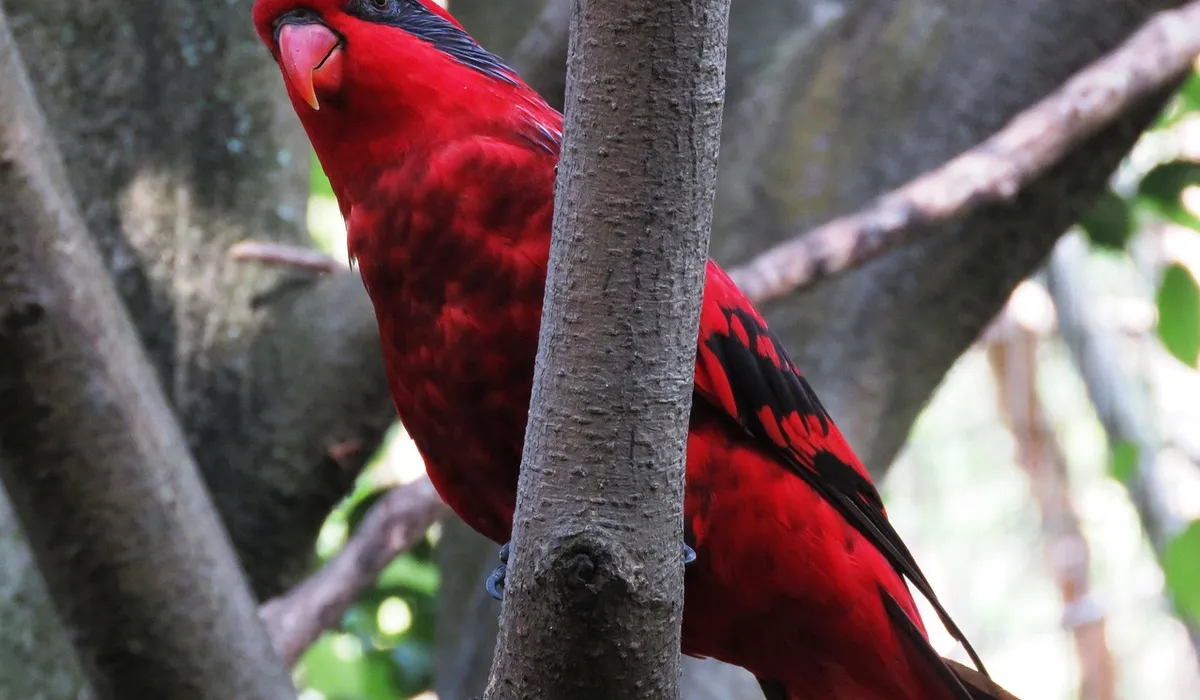
Parrots developed their unique sense of smell as a direct result of their lifestyle and diet. Living in dense forests full of ripe fruit meant they needed to sniff out the best meals, which shaped their olfactory abilities over millions of years.
How Smell Evolved Alongside Other Senses
- Vision Led the Way: Initially, sharp eyesight helped parrots spot colorful fruits from afar.
- Hearing Added Context: Keen hearing allowed them to listen for flock calls and predators while foraging.
- Smell Sealed the Deal: A refined sense of smell let them detect ripeness and avoid toxic or spoiled foods up close.
Unlike many mammals that rely heavily on scent for hunting, parrots use it more for social bonding and food selection. This difference highlights why forcing mammalian expectations onto birds misunderstands their natural behaviors.
My Green-cheeked Conure, Kiwi, perfectly demonstrates this evolutionary trait. His curiosity for sniffing new foods before tasting them mirrors the wild foraging cues his ancestors used to survive. He’ll carefully investigate a slice of apple with his nostrils, deciding if it’s worthy of a bite, just like his relatives in the canopy.
From Forest to Home: Adaptation in Action
Moving from wild habitats to our homes changed how parrots use their sense of smell. In the wild, they rely on natural scents to find food and mates, but in captivity, they adapt to household odors and our routines.
- Evolution shaped olfactory receptors to identify specific fruits, nuts, and social pheromones.
- These receptors help them distinguish safe foods from dangerous ones in complex environments.
- Pet parrots often use smell to recognize their human family members and feel secure.
Health Clues: What Your Parrot’s Smell Reveals
Your parrot’s scent can be a powerful health indicator if you know what to notice. Subtle changes in odor from their droppings, breath, or feathers often signal the first signs of trouble. On a respiratory distress checklist, watch for rapid or labored breathing, tail bobbing, wheezing, or open-mouth breathing. If you notice these signs, seek veterinary care promptly.
Common Bad Smells and Their Meanings
- Sour or Metallic Breath: Could indicate a bacterial infection in the digestive tract.
- Foul-Smelling Droppings: Often points to intestinal issues or an unbalanced diet.
- Rotten Feather Odor: Might suggest feather cysts or skin infections needing vet attention.
With my African Grey, Sage, I learned to recognize the slight change in his scent that meant his diet needed adjustment. Monitoring these subtle clues helped me catch minor issues before they became serious health problems.
Steps for Monitoring Scent Changes
- Smell your parrot’s breath and feathers during daily interactions to establish a normal baseline.
- Check their droppings regularly for sudden strong odors that persist beyond one occurrence.
- Note any new smells that coincide with behavior changes like lethargy or loss of appetite.
- Contact your avian veterinarian immediately if unusual odors continue for more than 24 hours.
Let’s clear up a common misconception: parrots don’t sweat like mammals do, so any strong body odor definitely indicates a health or hygiene issue that needs addressing. Their natural scent should be mild and unnoticeable under normal circumstances.
When Smells Signal Trouble
Specific odors often link directly to health concerns. A sweet, acetone-like smell might indicate ketoacidosis from diabetes, while a fishy odor could signal reproductive issues in female parrots.
Smell Assessment Checklist
- Does the odor come from their mouth, feathers, or vent area?
- Has their diet changed recently?
- Are they showing other symptoms like fluffed feathers or decreased activity?
- When did you first notice the smell?
- Have you introduced new foods, toys, or cleaning products?
The Scent of a Healthy Parrot
A well-cared-for parrot has a very mild, almost undetectable musky scent that many owners find comforting. This natural odor comes from their preen gland and indicates proper grooming and good health.
- Regular bathing helps maintain feather health and prevents odor buildup.
- Clean cages and fresh food minimize exposure to bacteria that cause bad smells.
- Proper ventilation in their living space reduces musty odors that can mask health issues.
That faint, pleasant musk reminds me of Sage’s contentment when he’s happily preening after a shower – it’s the smell of a parrot thriving in your care.
Enrichment Through Scents: Practical Tips for Parrot Care

-
Offer ideas for using safe scents in toys and activities to stimulate parrots. My Sun Conure, Sunny, adores when I infuse playtime with gentle aromas like fresh basil or apple slices rubbed on her favorite wooden blocks. You can hide herbs in foraging toys or use untreated wood shavings from bird-safe trees to engage their curiosity naturally. These safe-scent ideas translate well into making fun, homemade toys for your parrot. Crafting your own toys lets you control materials and scents for safe, engaging play.
-
List steps to introduce new smells gradually, avoiding stressors.
- Begin with scents from foods your parrot already enjoys, like a piece of banana.
- Place the scented item at a distance from their cage for just a few minutes daily.
- Watch for positive signs, such as chirping or approaching, before moving it closer over a week.
- Stop immediately if you notice any feather fluffing or retreating, as this signals stress.
-
Warn against harmful scents like essential oils, with a table of safe vs. unsafe options.
I’ve learned through caring for my parrots that many everyday smells can be dangerous, so always prioritize their respiratory health. Here’s a quick reference to keep your feathered friend safe:
Safe Scents Unsafe Scents Fresh fruits (e.g., berries, melon) Essential oils (e.g., lavender, peppermint) Herbs like cilantro or dill Aerosol cleaners or air fresheners Untreated pine or maple wood Strong perfumes or smoke -
Advocate for natural enrichment that respects parrot instincts and welfare.
Focusing on natural materials not only keeps parrots like my curious Kiwi entertained but also supports their overall well-being without artificial risks. I always choose organic, chemical-free options to mimic their wild habitats and encourage healthy behaviors.
Fun with Fragrances: Safe Scent Games
-
Suggest creative activities, like hiding treats with mild odors, to engage parrot senses.
With Sunny’s playful energy, I often set up scent trails using crumbled herbs or fruit pieces inside paper rolls for her to uncover. This taps into their foraging instincts and makes playtime both fun and mentally stimulating.
-
Include a simple recipe for DIY scent toys using bird-safe materials.
Try this easy project: take a clean cardboard tube, stuff it with parsley leaves and a few oats, then fold the ends to create a puzzle toy. It’s affordable, safe, and lets your parrot explore new smells in a controlled way. It’s a simple step toward a safe, stimulating indoor flight environment for your parrot.
Scents to Avoid: Protecting Your Parrot
-
List common household smells that can harm parrots, such as aerosols or strong perfumes.
Avoid any strong chemical odors, as they can quickly irritate your parrot’s sensitive respiratory system. Common hazards include scented candles, paint fumes, and household cleaners that I keep far from my birds’ living areas. To manage parrot cage odors safely and effectively, maintain good ventilation and regular cage cleaning. I also use safe odor absorbers, like baking soda, placed away from the cage.
-
Provide guidance on creating a smell-safe home environment.
I maintain good ventilation and use natural odor absorbers like baking soda instead of synthetic air fresheners. Regularly cleaning cages with vinegar and water also helps minimize risks while keeping the air fresh for parrots like Sage. I also use cleaning products labeled bird-safe and keep areas well ventilated during and after cleaning. I avoid cleaners with strong fragrances or essential oils, which can be harmful to parrots.
Myth Busting: Answering Your Top Smell Questions
-
Address common queries from the keyword list, like why parrots might smell bad or good, using evidence-based answers.
Parrots generally have a mild, pleasant scent if they’re healthy, but diet or cage cleanliness can affect this. Environmental toxins in the home can also affect a parrot’s health and scent. Be mindful of aerosols, scented cleaners, and nonstick cookware fumes, which can make parrots sick. For instance, my Green-cheeked Conure Kiwi might develop a slight odor if he eats too many strong-smelling veggies, but it fades with proper care.
-
Debunk misconceptions with short, clear points, referencing personal care of multiple parrots.
- Myth: Parrots lack a sense of smell entirely. Fact: They do smell, just less acutely than dogs or humans, which I’ve seen with Sage ignoring certain foods until she gets close.
- Myth: All natural scents are safe. Fact: Even some plants can be toxic, so I always research before introducing new items.
-
Include a comparison of taste vs. smell in parrots to clarify sensory roles.
Smell helps parrots detect potential food from afar, while taste confirms its safety upon contact. That’s why Kiwi might sniff a new treat cautiously before deciding to taste it, blending both senses for survival.
-
Use anecdotes to make topics relatable, such as why Kiwi ignores certain food odors.
Kiwi often turns his beak up at strong-smelling foods like broccoli at first, but once he takes a nibble, he’s all in. This shows how smell guides their initial reactions, but taste seals the deal.
Do Parrots Sweat? The Truth Unveiled
-
Explain bird physiology related to smell and excretion, correcting myths about sweating.
Parrots don’t have sweat glands, so they never sweat like people do; instead, they use other clever methods to stay cool. Any moisture you see is likely from bathing or panting, not perspiration. Maintaining proper humidity levels is important for their respiratory health and feather condition. Too dry air can irritate airways and dull feathers, while overly humid air can promote mold and feather problems.
-
List how parrots regulate body temperature without sweat glands.
- Panting to release heat through their beak and respiratory system.
- Spreading wings to expose less feathered areas for air circulation.
- Bathing in water to lower their body temperature naturally.
Why Does My Parrot Smell So Good?
-
Discuss natural oils and diet effects on parrot scent, with examples from grooming routines.
A balanced diet rich in fresh produce and seeds gives parrots a subtle, sweet aroma from their preen oils. My African Grey Sage always has a clean, earthy smell after she grooms herself, thanks to those natural secretions.
-
Offer tips for enhancing positive smells through proper care.
Regular misting baths and a varied diet help maintain that fresh scent, while avoiding overly processed foods prevents unpleasant odors. I make sure to provide clean perches and rotate toys to keep my parrots feeling and smelling their best.
FAQs
How does a parrot’s sense of smell compare to mammals like dogs?
Parrots have a much weaker sense of smell than dogs, as their olfactory bulb is smaller and less developed. They rely more on vision and hearing for navigation and interaction, unlike dogs that use scent extensively.
Can parrots use smell to recognize their owners?
Parrots can detect familiar scents, including their owners, but this is not their primary way of recognition. They typically combine smell with visual and auditory cues to identify and bond with people.
Are there any scents that can harm my parrot?
Yes, strong scents like essential oils, aerosol sprays, and perfumes can irritate a parrot’s sensitive respiratory system. Stick to natural, bird-safe options like fresh herbs or fruits to avoid health risks. Be sure to check which plants and essential oils are safe for parrots before using them.
Final Words
From my time with Kiwi and other parrots, I’ve learned their smell isn’t as sharp as in many birds, so focus on visual and sound cues for enrichment. In the ultimate guide to foraging enrichment, you’ll discover how to enrich your parrot’s diet through safe, bite-sized foraging challenges. Always choose bird-safe, low-odor items in their space to prevent stress and keep them thriving.
Owning a parrot means committing to their well-being through constant education and empathy. Embrace the joy of growing with your bird, and you’ll build a bond that enriches both your lives. When choosing a parrot as a pet, consider whether you can meet its social needs and decades-long commitment. A parrot can be the right pet for someone who can provide regular companionship and mental stimulation.
Further Reading & Sources
- Parrots And Sense Of Smell – Northern Parrots
- Questions About Parrot’s Senses
- r/Awwducational on Reddit: Contrary to popular opinion, birds DO have a sense of smell!
Suzanne Levine is a dedicated parrot enthusiast and experienced avian caregiver with over 15 years of hands-on experience in parrot care. As the founder of Parrot Care Central, Suzanne is passionate about sharing her knowledge and insights to help fellow parrot owners provide the best possible care for their feathered friends. Her expertise spans nutrition, behavior, health, and enrichment, making her a trusted resource in the parrot care community.
Health & Wellness