
How Do Parrots Use Their Feet to Communicate? Foot Behavior Guide
Published on: May 13, 2026 | Last Updated: May 13, 2026
Written By: Suzanne Levine
Have you ever seen your parrot dangle one foot in the air, tap its toes, or grip your finger just a little too tight and wondered what it all means? You’re not alone. I’ve spent years with my flock, and their feet tell stories just as vividly as their squawks.
I’m here to help you crack the code. We’ll explore the key ways your parrot’s feet reveal their thoughts and feelings.
- Decode the meaning behind common foot positions like the one-foot tuck.
- Understand how foot pressure and gripping relate to trust and mood.
- Learn to connect foot signals with other body language for a complete picture.
By the end of this guide, you’ll have a clear understanding of your feathered friend’s silent language. We’ll cover all the essentials.
Foot positions, grooming signals, playful foot taps, bonding behaviors, and interpreting mixed messages.
Parrot Foot Basics: How Their Feet Work
Imagine having two thumbs on each hand that can point forward and backward-that’s essentially the design of a parrot’s foot, called zygodactyl. This unique “two thumbs” setup gives them an incredible, vice-like grip for climbing, holding food, and exploring their world.
My Green-cheeked Conure, Kiwi, uses this design to its full potential every single day. I’ve watched her hang upside down from her toys, peel a grape with one foot while perched with the other, and even attempt to unscrew a bottle cap. Their feet are as dexterous as our hands.
- Perching: Their feet automatically lock onto a branch when they relax, allowing them to sleep securely without falling.
- Manipulating Objects: From holding a favorite nut to preening hard-to-reach feathers, their feet are essential tools.
- Balance: A wide, stable foot posture helps them navigate tricky climbs and maintain poise, even on unstable perches.
Decoding Everyday Foot Signals
Parrots are constantly “talking” with their feet. Learning to read these subtle cues will completely transform your relationship and help you understand their mood in real-time. It’s essential for understanding parrot emotions beyond just their vocalizations.
Foot taps often mean excitement or impatience. A tight toe grip on your finger can signal nervousness or an attempt to steady themselves. Watch their posture while perching; a relaxed, slightly open foot means they’re content, while a tense, clenched foot can indicate stress or fear.
My Sun Conure, Sunny, has the most expressive feet. When he’s feeling cuddly, he’ll gently wrap one foot around my finger and slowly knead his claws, his version of a loving foot hug.
| Foot Signal | Likely Meaning |
|---|---|
| Lifting One Foot | Content, relaxed, or asking for attention or a scratch. |
| Rapid Foot Tapping | Excitement, anticipation (often before eating or playing). |
| Tightly Gripped Toes | Anxiety, fear, or an attempt to get better balance. |
| Gentle Foot Kneading | A sign of affection, comfort, and deep trust. |
| Constantly Shifting Feet | Discomfort, uncertainty about a perch, or general unease. |
Social Foot Cues: Friendship and Warnings
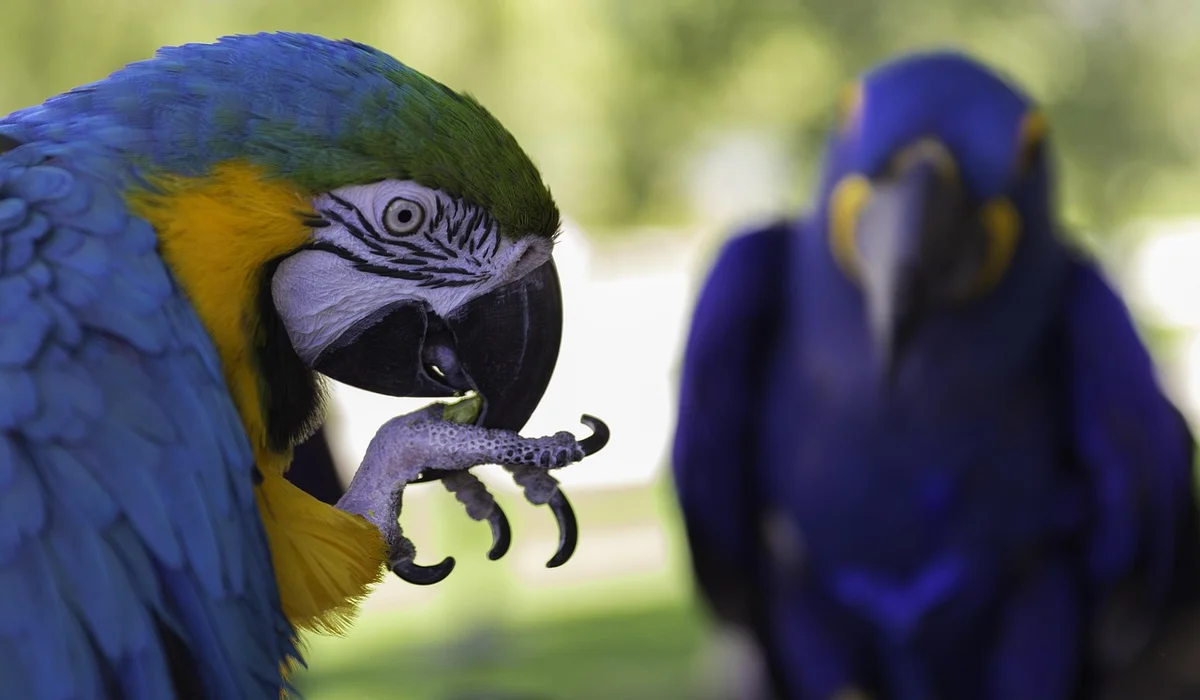
Parrots use their feet like we use our hands, not just for gripping but for expressing a whole range of emotions. Observing their footwork gives you a direct line into their emotional state, from pure contentment to clear agitation. By learning to read those agitation cues, you start spotting common anger signals and warning signs to watch for. This awareness helps keep interactions safer for both of you. My Green-cheeked Conure, Kiwi, has taught me more about this than any book ever could.
Aggression and Comfort Cues
It’s vital to know the difference between a happy foot and a warning signal.
- Foot Fanning: This is a major back-off signal. A parrot will splay its toes wide, often while leaning forward. I’ve seen Sunny, my Sun Conure, do this when he’s guarding a favorite toy.
- Self-Soothing with Grooming: A parrot calmly nibbling its foot or cleaning its claws is the picture of contentment. This is a sign your bird feels safe and secure in its environment. Sage, my African Grey, does this every evening as part of her wind-down routine.
- Tensing and Gripping: A sudden, very tight grip on the perch, often with the body held rigid, signals high alert or fear.
Play and Mating Through Feet
Feet aren’t just for serious business; they’re for fun and flirtation too.
- Playful Grabbing: Kiwi loves to gently grab my finger with one foot and roll onto his back for a “wrestle.” It’s his way of inviting interactive play.
- Foot Tapping: A rhythmic, soft tapping on a perch or toy can be a playful challenge or a mating display, especially in cockatoos and some macaws.
- Regurgitation and Foot Presentation: A bonded bird might offer you food from its beak while lifting a foot. This is a profound sign of affection and pair-bonding behavior.
Identifying Territorial Cues
Parrots can be fiercely protective of their space. Here’s how to spot it and stay safe.
- Watch the Perch Posture: A bird standing at the cage door or on a specific perch with a wide, stiff stance is claiming that area.
- Note the Foot Lift: They might lift one foot not to step up, but as a prelude to a lunge or bite if you enter their claimed zone.
- Listen for Vocalizations: Territorial displays are almost always paired with warning squawks or growls.
- Respond Safely: Do not force interaction. Respect their space by backing away and trying again later when they are calmer. Forcing the issue only reinforces the aggressive behavior.
When Foot Behavior Signals Trouble
While many foot movements are normal, some are clear cries for help. As a parrot guardian, your most important job is to notice the subtle shifts that indicate a health problem. I learned this the hard way with Sage. One-leg standing is often just comfort or warmth. But if it becomes persistent or is accompanied by other signs, it may signal discomfort or a health concern. For more insights on this topic, check out the best anchor text: One-leg standing: comfort vs health. Reason: It clearly signals the topic—whether standing on one leg is just comfort or indicates a health concern—within 3–5 words.
Signs of Underlying Issues
These changes in foot behavior are your first clue that something is wrong.
- Foot Tremor: A consistent, involuntary shaking of the foot or leg is not normal. This was the first sign I noticed with Sage before she was diagnosed with a calcium deficiency.
- Imbalance and Clumsiness: A parrot that is suddenly falling off perches or struggling to grip has a serious neurological or muscular issue.
- Changes in Stance: Constantly standing on one foot can be normal, but constantly favoring one foot and refusing to put weight on the other is a red flag.
- Swelling or Redness: Any visible inflammation, sores, or changes in the color of the scales need immediate attention.
Red Flags Needing a Vet
If you see any of the following, please contact your avian veterinarian immediately. Prompt veterinary care is a non-negotiable part of responsible parrot ownership and animal welfare. Regular annual vet checkups are essential for preventive care, helping catch issues early and keep your parrot healthy. This emphasis on routine examinations is a central component of our preventative care guide for parrots.
- Inability to grip a perch or stand at all.
- Visible injury, bleeding, or a broken nail or toe.
- Limping or holding a foot completely off the ground for more than a few hours.
- Any lumps, bumps, or flaky, crusty growths on the feet.
- A sudden, pronounced change in how they walk or climb.
My experience with Sage’s tremor was a wake-up call. Catching that small, shaky foot early meant we could correct her diet and prevent a much more severe health crisis. Sometimes a tremor is just a normal reaction—like a quick shiver when excited, cold, or stretching. But persistent or unusual shaking can be a warning sign that warrants a closer look. Your parrot’s feet are a window to its wellbeing, so keep a watchful, caring eye on them every single day.
How to Encourage Positive Foot Communication
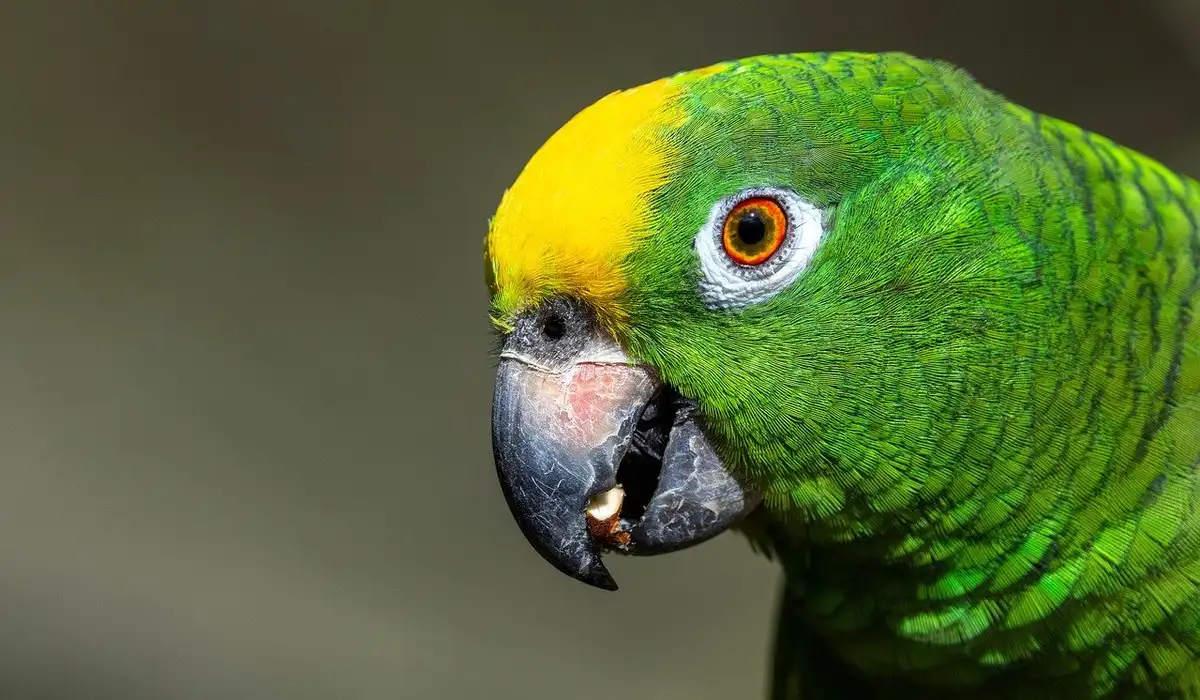
Reading your parrot’s foot signals feels like learning a secret language. I’ve spent years watching my Green-cheeked Conure, Kiwi, and her foot movements tell me everything from “I’m curious” to “Back off, please.” You’ll start noticing subtle shifts in pressure, grip strength, and toe wiggles that speak volumes. So, why do parrots sway or move side to side? Decoding this side-to-side body language helps you read their mood and respond with care.
Reading Foot Signals Accurately
Watch for these cues during your interactions:
- A relaxed, slightly spread foot often means your parrot is content and open to interaction
- Rapid foot shifting or tapping can signal excitement or impatience – my Sun Conure Sunny does this when he sees his favorite treats
- A tight, clenched grip on your finger might mean your bird feels insecure or nervous
- One foot tucked up while standing indicates complete comfort and trust in their environment
Building Trust Through Foot Play
Trust-building activities create stronger bonds through foot communication:
- Gentle foot massages using one finger to stroke the top of their feet
- Offering different textured perches and observing which ones they prefer
- Playing “step up” games where they move between your hands using foot commands
- Teaching them to accept foot inspections by pairing with favorite treats
Parrot Foot Handling: Do’s and Don’ts
- DO approach your parrot’s feet slowly and from below their eye level
- DO use positive reinforcement when they allow foot touching
- DO check their feet regularly for any signs of injury or overgrown nails
- DON’T grab or restrain their feet suddenly – this destroys trust quickly
- DON’T ignore signs of discomfort like foot shaking or pulling away
- DON’T force interactions if your parrot seems stressed or fearful
Fun Foot Activities for Bonding
Turning foot communication into games makes learning enjoyable for both of you. My African Grey, Sage, particularly enjoys foot-target training because it challenges his intelligent mind while strengthening our connection. These activities provide mental stimulation and physical exercise.
Foot-Focused Games
Try these engaging games that highlight foot behavior:
- Foot-target training: teach your parrot to touch a target stick with their foot instead of their beak
- Perch exploration: create a “obstacle course” with different diameter perches to observe foot adaptation
- “Grab the toy”: encourage them to pick up foot toys and transfer them between feet
- Texture walks: provide various surfaces (smooth wood, rough bark, soft fabric) and note their preferences
Toys That Promote Foot Play
The right toys encourage natural foot manipulation behavior:
- Foraging balls they need to hold with one foot while manipulating with their beak
- Foot toys sized perfectly for grasping and tossing
- Rope perches that require adaptive grip changes
- Shreddable toys that demand two-footed holding and tearing
- Puzzle feeders that require foot stabilization while solving
Learning From Foot Habits
Become a student of your parrot’s foot behavior through creative observation:
- Keep a simple journal noting which foot your parrot prefers for different tasks
- Video record play sessions to review subtle foot communications you might miss in real-time
- Notice how foot pressure changes when they’re on your shoulder versus their cage
- Observe how they use their feet during preening – my parrots each have unique foot-holding styles
- Pay attention to foot positioning during different emotional states – content, excited, or anxious
FAQs
How can I tell if my parrot is content from its foot behavior?
A relaxed foot with toes slightly spread often shows your parrot is calm and happy. You might also notice them tucking one foot up, which signals they feel secure and at ease in their environment. These cues are two of the 10 key signs you can look for to tell if your parrot is happy.
What does foot fanning indicate in parrots?
Foot fanning, where the toes are splayed wide, is a clear warning sign that your parrot feels threatened or aggressive. It’s often paired with a forward lean and vocalizations, so it’s best to give them space immediately.
How do parrots use their feet to show affection?
Parrots may gently knead your finger or hand with their feet as a sign of trust and bonding. Another affectionate behavior is lifting a foot while offering food, which mimics pair-bonding rituals in the wild. Some parrots may also exhibit mate-guarding or jealousy when they feel overly bonded. If this occurs, respond with calm boundaries and consistent routines to keep interactions safe.
What are signs of stress in parrot foot signals?
Constantly shifting feet or a tight, clenched grip on a perch can indicate your parrot is feeling anxious or uncomfortable. These movements often accompany other stress cues like pinned eyes or ruffled feathers. To tell if your parrot is stressed, watch for the 15 warning signs. Look for patterns over time, not a single cue.
How can I encourage my parrot to use its feet for positive communication?
Offer varied textured perches and engage in foot-target training to build confidence and interaction. Always use positive reinforcement, like treats, when they allow gentle foot handling to strengthen your bond.
In Closing
From my time with Kiwi, Sunny, and Sage, I’ve seen how parrots’ foot behaviors-like gripping, tapping, or lifting-speak volumes about their moods and needs. Watching these small actions helps you respond better to your parrot’s emotions and health signals. For instance, Kiwi’s playful foot shuffles often mean he’s eager for interaction, while Sage’s steady grip shows contentment.
As a parrot owner, I encourage you to keep learning and adapting your care based on your bird’s unique personality. Responsible pet ownership means staying curious and committed to your parrot’s happiness and welfare. When you choose the right parrot for your home lifestyle, consider how its needs fit your space, routine, and tolerance for noise. Different parrots suit different households, so selecting one that matches your daily life helps ensure you can provide consistent care. Dive into resources, observe daily, and always prioritize a loving, stimulating home for your feathered companion.
Further Reading & Sources
- Unlocking the Mysteries of Parrot Body Language and Vocalizations – Windy City Parrot
- Parrot body language – Second Nature Behaviour
- Your Parrot’s Feet
Suzanne Levine is a dedicated parrot enthusiast and experienced avian caregiver with over 15 years of hands-on experience in parrot care. As the founder of Parrot Care Central, Suzanne is passionate about sharing her knowledge and insights to help fellow parrot owners provide the best possible care for their feathered friends. Her expertise spans nutrition, behavior, health, and enrichment, making her a trusted resource in the parrot care community.
Enrichment Activities