
African Grey Parrot Natural Habitat and Origin
Published on: January 18, 2026 | Last Updated: January 18, 2026
Written By: Suzanne Levine
If you own or are fascinated by African Grey Parrots, you might worry about replicating their wild environment to keep them thriving-I felt the same with my parrot Sage, and learning her roots made all the difference. These intelligent birds have specific needs rooted in their natural homes, and grasping this can transform your care approach.
I’ll walk you through the core elements to build your confidence. Here are three essential insights you’ll take away:
- Their exact origins in Africa’s dense forests and how that shapes their behavior.
- Key habitat features like climate, food sources, and social structures.
- Why protecting their wild habitats is crucial for their survival and welfare.
My advice is clear and based on years of experience with Sage and research. Topics include: Geographic range, Forest types, Diet adaptations, Social behaviors, Conservation challenges.
Discovering the African Grey’s Wild Roots
Understanding where African Grey Parrots come from transforms how you care for them at home. Their wild instincts for foraging, social interaction, and problem-solving are hardwired from life in the African rainforests. In the wild, they forage on a varied diet of fruits, seeds, and nuts, including what they eat in the wild. This helps guide how you feed and enrich your parrot at home.
My own African Grey, Sage, constantly reminds me of this. He spends hours meticulously shredding cardboard boxes, a clear echo of stripping bark for grubs in the wild.
- Ghana
- Cameroon
- Ivory Coast
- Uganda
- Kenya
Exploring the Native Lands of African Grey Parrots
These intelligent birds thrive across a massive swath of equatorial Africa. Their range stretches from the lush forests of West Africa deep into the heart of Central Africa’s Congo Basin.
This region provides the perfect mix of dense canopy, fruiting trees, and communal roosting sites they need.
- West Africa
- Central Africa
- Congo Basin
The specific countries they call home include:
- Ivory Coast
- Ghana
- Nigeria
- Cameroon
- Gabon
- Democratic Republic of the Congo
While all African Greys belong to the species Psittacus erithacus, two main subspecies exist. Knowing the difference helps you appreciate their unique traits and choose a companion that fits your lifestyle. If you’re compiling a parrot species identification guide, note how Congo greys show a solid black beak and bright scarlet tail, while Timneh greys have a horn-colored upper mandible and a darker maroon tail. These distinguishing features are exactly what field guides highlight to tell similar parrots apart.
Inside the African Grey’s Natural Habitat
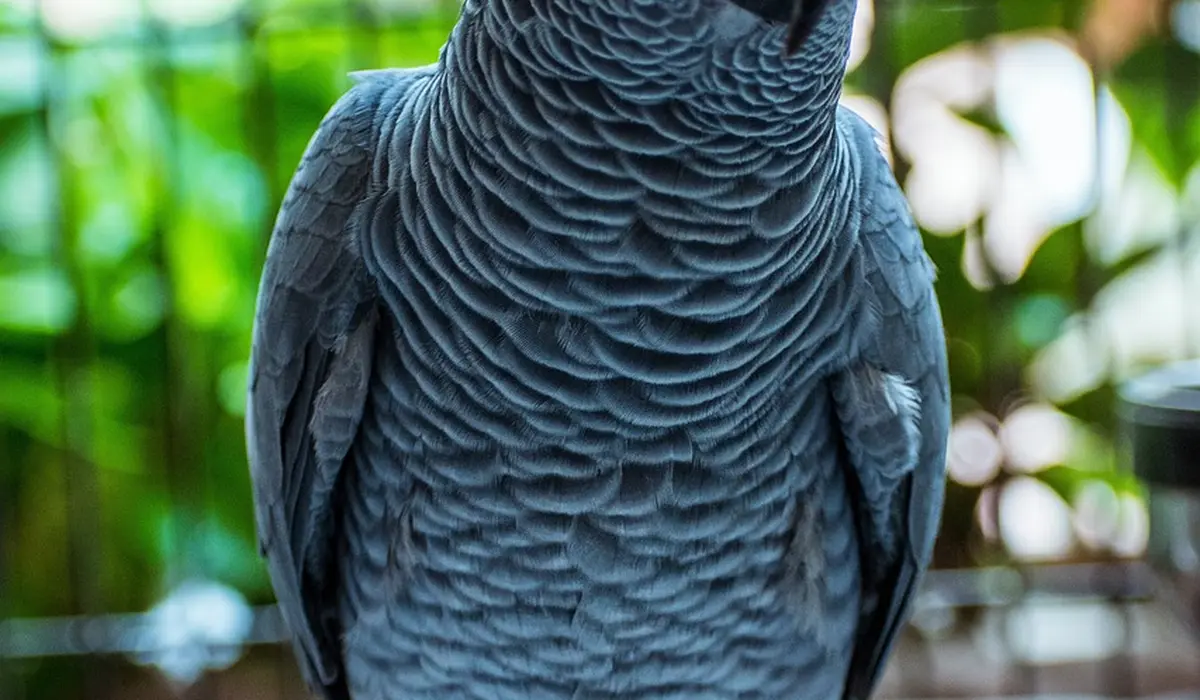
I’ve spent years studying these birds, and their home is a vibrant, noisy world. African Greys thrive in dense tropical rainforests where the air feels thick and warm. They live in lowland rainforests and humid forests filled with towering trees. Housing matters as much as habitat, and the right cage size is essential for a parrot’s wellbeing. Cage dimensions and enrichment should be tailored to the species, with African Greys needing generous space to spread wings, climb, and play.
You’ll mostly find them high in the forest canopy, rarely coming down. They love riverine forests near water and often perch at forest edges where trees meet open land. Walking through these areas, the constant chatter and rustling leaves create a symphony of life that’s simply unforgettable.
Habitat Features That Shape Behavior
The forest directly molds how African Greys act. Tall trees provide safe nesting spots and a rich diet of fruits and nuts. They form large social flocks, communicating constantly across the canopy.
Their range includes mangrove swamps and evergreen forests, each offering unique food sources. Seeing how they interact with their environment inspired me to create better enrichment for my own parrot, Sage. I use varied perches and foraging toys to mimic that natural complexity.
Wild Behaviors and Lifestyle of African Grey Parrots
In the wild, African Greys live in tight-knit flocks. They communicate with loud calls and softer chatter while foraging. Their diet comes straight from the forest canopy-fruits, nuts, seeds, and even some bark.
Reproduction happens in tree cavities, and their long lifespan hints at the need for stable, lifelong care in captivity. Observing their social bonds taught me that pet parrots need consistent companionship to truly thrive. Choosing a parrot that fits your home routine, space, and daily interaction needs is essential. The right pet parrot for your lifestyle is the one you can consistently care for and enjoy for years.
Daily Life in the Wild: From Feeding to Flying
A typical day starts with loud morning calls as flocks wake and plan their feeding routes. They spend hours foraging, cracking nuts, and socializing before returning to roost at dusk.
I’ve watched them methodically work through palm fruits, a behavior I now encourage with puzzle feeders for Sage. Recreating this daily rhythm at home-with morning interaction, foraging time, and quiet evenings-helps reduce stress and boredom. Simple changes like varying food locations can make a huge difference.
Conservation and Ethical Insights for Pet Owners
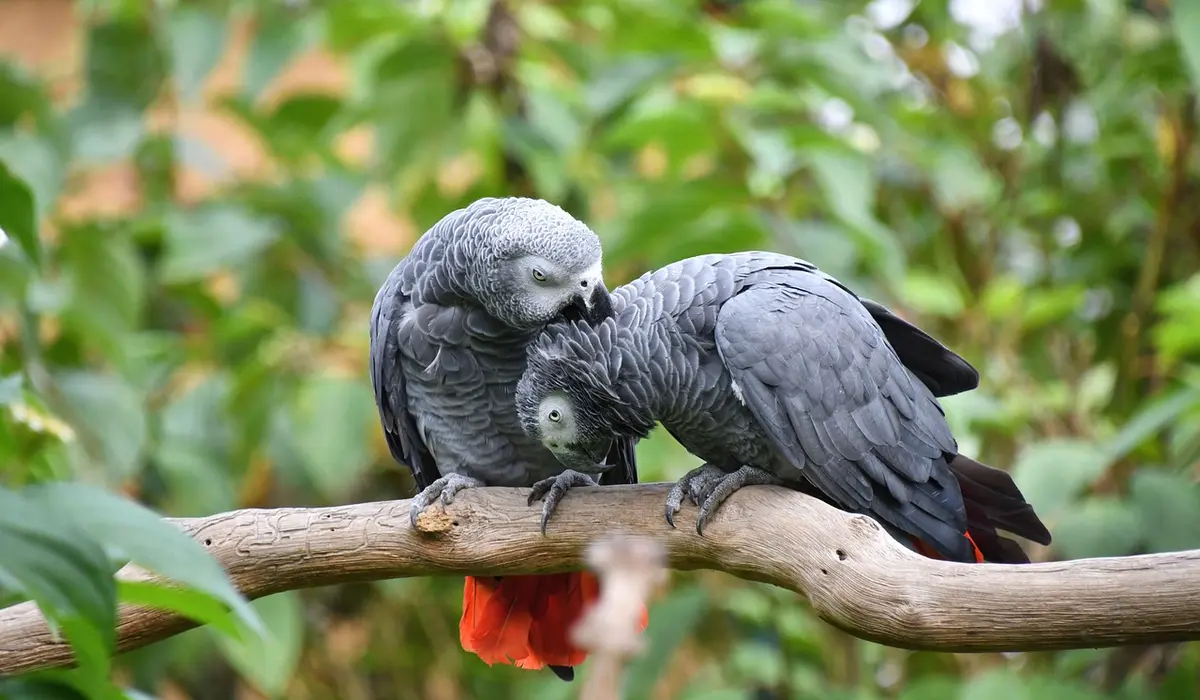
African Grey Parrots are listed as Endangered on the IUCN Red List, a status that should concern every potential owner. This decline is largely due to habitat loss and capture for the illegal pet trade. These threats drive declines in wild populations and help explain why the species is endangered.
Their populations are crashing due to rampant deforestation and the cruel, persistent illegal pet trade.
Watching the forests shrink from satellite imagery is one thing, but hearing the stories from conservationists on the ground about silent, empty trees where flocks once thrived is what truly solidifies the crisis for me.
Making Ethical Choices When Bringing a Grey Home
Your first and most powerful step is to demand complete, verifiable paperwork for any parrot you consider.
- Ask for CITES (Convention on International Trade in Endangered Species) permits. A legitimate breeder will have them.
- Walk away immediately from any seller who cannot provide clear proof the bird was captive-bred.
- Support only those who are transparent about their breeding practices and the lineage of their birds.
Choosing a wild-caught bird isn’t just a personal choice; it directly fuels a trade that devastates wild families and destabilizes entire ecosystems.
My African Grey, Sage, came to me through a rehoming situation, and I am a fierce advocate for adoption.
There are so many brilliant birds in rescues and sanctuaries desperately needing a second chance at a loving home.
Adopting doesn’t just save one life; it helps break the cycle of demand that harms wild populations.
Applying Wild Knowledge to Pet Parrot Care
Think of your home not as a cage, but as a miniature, safe version of the West and Central African rainforests they hail from.
Their wild life gives us the ultimate blueprint for their care.
- Cage Setup: Their cage should be the largest you can manage, mimicking the expansive canopy they’d fly through. Vertical space is just as important as horizontal for climbing.
- Diet: In the wild, their diet is incredibly varied-fruits, nuts, seeds, leaves, and even bark. Replicate this diversity with high-quality pellets, fresh chop, and healthy nuts, not just a seed mix.
- Social Needs: Greys are flock animals. They are never truly alone in the wild. This is why they bond so deeply with their human families and can suffer immensely from isolation.
I’ve seen a dramatic positive shift in Sage’s feather quality and mood since I started focusing on humidity levels.
Mimicking the natural humidity of their forest home is one of the simplest yet most overlooked aspects of parrot care and can prevent a host of skin and feather issues. Humidity control for parrots is critical for respiratory and feather health in parrots. Balanced humidity helps keep airways clear and feathers resilient.
Full-spectrum lighting is non-negotiable; it helps them synthesize vital Vitamin D3, just as the sun would in their native habitat. This is a key section in our ultimate guide to full spectrum lighting for parrots, covering the best wavelengths and setup. Learn how to tailor lighting for your parrot’s species and daily routine.
Enrichment Ideas Inspired by Natural Habits
Boredom is a disease for an intelligent African Grey. We must provide an environment that stimulates their brilliant minds.
- Foraging Toys: Hide their favorite treats in puzzle boxes or wrapped in paper. In the wild, they’d spend hours each day foraging for food.
- Social Interaction: Include them in daily household activities. Talk to them, teach them tricks, and simply spend time in the same room. You are their flock.
- Flight Space: If safely possible, allow for supervised flight in a secure room. This fulfills their innate need for flight and exploration, just like navigating the dense forest canopy.
A simple DIY project I love is creating a “foraging basket.”
Take a shallow box, fill it with crinkled paper, cardboard tubes, and safe, untreated wood chunks, and hide bits of food throughout.
Watching Sage methodically dismantle this box to find his treats is a direct window into his natural problem-solving instincts.
Another easy idea is to hang broccoli or other greens from the top of the cage with a clip, encouraging them to hang and eat as they would from a branch.
FAQs
How does the African Grey’s origin in dense forests influence their behavior in captivity?
Their wild instincts for social interaction and problem-solving are ingrained from forest life. Replicating this with toys and companionship prevents stress and boredom.
What are the key differences between Congo and Timneh African Greys in terms of care?
Congo Greys may require more mental stimulation due to their high intelligence, while Timnehs often adapt better to routine changes. Both need spacious cages and a varied diet for optimal health.
Why is it crucial to provide foraging opportunities for African Grey Parrots?
Foraging engages their natural problem-solving skills and mimics wild feeding behaviors. This mental stimulation helps prevent feather plucking and other stress-related issues. In our ultimate guide to foraging, you’ll learn how enrichment can diversify your parrot’s diet. It also covers practical tips for home-based enrichment.
Closing the Loop
To truly thrive, your African Grey needs an environment that echoes its wild origins. Think of your home not as a cage, but as a carefully crafted slice of their native African forest. This means providing ample space for flight, complex foraging puzzles to solve, and a variety of safe woods to chew, all of which satisfy their deep-seated instincts for exploration and mental challenge. To maximize enrichment, set up the parrot cage with varied perches and foraging toys, and rotate them regularly. This keeps the environment dynamic and engaging.
Caring for a parrot is a lifelong journey of learning and adaptation. Your commitment to understanding their natural history is the single most powerful tool you have for their well-being. During vet visits, calm, confident handling helps your parrot stay cooperative and reduce stress. Practice gentle holding and desensitization at home, following your veterinarian’s guidance, so exams feel familiar and less stressful. Stay curious, connect with avian veterinarians and experienced owners, and let your love for your feathered friend fuel your dedication to providing the most compassionate and informed care possible.
Further Reading & Sources
- African Grey Parrot | Rainforest Alliance
- Grey parrot – Wikipedia
- African gray parrots, facts and photos | National Geographic
Suzanne Levine is a dedicated parrot enthusiast and experienced avian caregiver with over 15 years of hands-on experience in parrot care. As the founder of Parrot Care Central, Suzanne is passionate about sharing her knowledge and insights to help fellow parrot owners provide the best possible care for their feathered friends. Her expertise spans nutrition, behavior, health, and enrichment, making her a trusted resource in the parrot care community.
African Grey Parrots