
Parrot Behavior Myths Exposed: Uncover the Real Truth
If you’ve ever felt baffled or worried by your parrot’s actions, thinking they’re just being difficult, you’re not alone in this confusion. I’ve spent years with my own flock-Kiwi’s playful antics, Sunny’s loud greetings, and Sage’s thoughtful stares-and I’ve seen how easy it is to misinterpret what they’re trying to say.
I’m here to help you see past the myths by sharing key insights that changed how I interact with my birds.
- Screaming isn’t about defiance; it’s your parrot’s way of communicating needs or emotions.
- Biting often stems from fear or discomfort, not a desire to hurt you.
- Feather plucking can signal underlying stress or health issues, not just bad habits.
By the end of this, you’ll have straightforward advice to build a happier bond with your feathered friend.
We’ll dive into screaming causes, biting triggers, feather plucking reasons, social needs, and training tips.
Myth 1: Parrots Naturally Bond with One Person for Life
Many people believe a parrot will pick one favorite human and ignore everyone else forever. This idea comes from misunderstanding how wild parrot flocks actually work. In nature, these birds live in large, dynamic groups where they interact with many members daily.
My Green-cheeked Conure, Kiwi, loves my partner almost as much as she loves me. Their social world is far more complex than a simple one-person attachment. Expecting that exclusive bond sets both you and your bird up for stress.
The Real Story on Parrot Social Needs
In captivity, a parrot sees your home as its flock. A bird that only trusts one person is often a bird that hasn’t been properly socialized. This can lead to serious behavioral problems like screaming or biting others.
Watch your parrot’s body language closely.
- Healthy relationship signs: relaxed posture, playful beak nudges, preening near you, making soft contact calls.
- Problematic attachment signs: frantic screaming when you leave the room, aggressive lunging at other people, refusing to eat unless you are present.
Species like African Greys form deep, thoughtful bonds, while conures are often bubbly socialites. My Sun Conure, Sunny, will happily greet any visitor who talks to her softly.
Practical Ways to Encourage Broader Socialization
You can teach your parrot to feel safe and happy with multiple people.
- Start with short, calm introductions. Have a new person sit quietly near the cage for five minutes.
- Use positive reinforcement. Ask the new person to offer a favorite treat through the cage bars.
- Involve the whole family in daily care. Let different people give food, change water, and offer toys.
- Create fun enrichment activities that multiple people can join, like a foraging box puzzle.
The goal is a confident, well-adjusted bird, not a feathered velcro strip stuck to one person.
Myth 2: Silent Parrots Are Unhappy or Unhealthy
We often equate a noisy parrot with a happy one, but silence doesn’t automatically mean sadness. Vocalization varies wildly across species and individual personalities. My African Grey, Sage, can go hours just observing the room with quiet, intelligent eyes.
Some birds are naturally more reserved. Contentment can look like a parrot quietly preening, exploring a toy, or simply dozing in the sun. You need to look at the whole picture, not just the volume level.
Understanding Parrot Vocalization and Quiet Times
Parrots use sound to communicate specific things. A period of quiet is often just rest or focused activity.
| Sound | Common Meaning |
|---|---|
| Soft Chattering | Contentment, self-talk |
| Loud, Repetitive Calls | Contact call, looking for flock |
| Growling or Hissing | Fear, annoyance, warning |
| Complete Silence | Sleep, intense focus, or potential illness |
Follow these steps to see if quiet is normal.
- Check their environment. Is it their typical naptime? Is the room darker than usual?
- Observe their activity. Are they eating, drinking, and playing normally?
- Look for other symptoms. Lethargy, fluffed feathers, or sitting on the cage floor need a vet visit.
Trust your knowledge of your bird’s normal routine; a sudden, prolonged change in behavior is a bigger clue than quiet alone.
Myth 3: Screaming and Biting Mean Your Parrot Is Aggressive or Mean
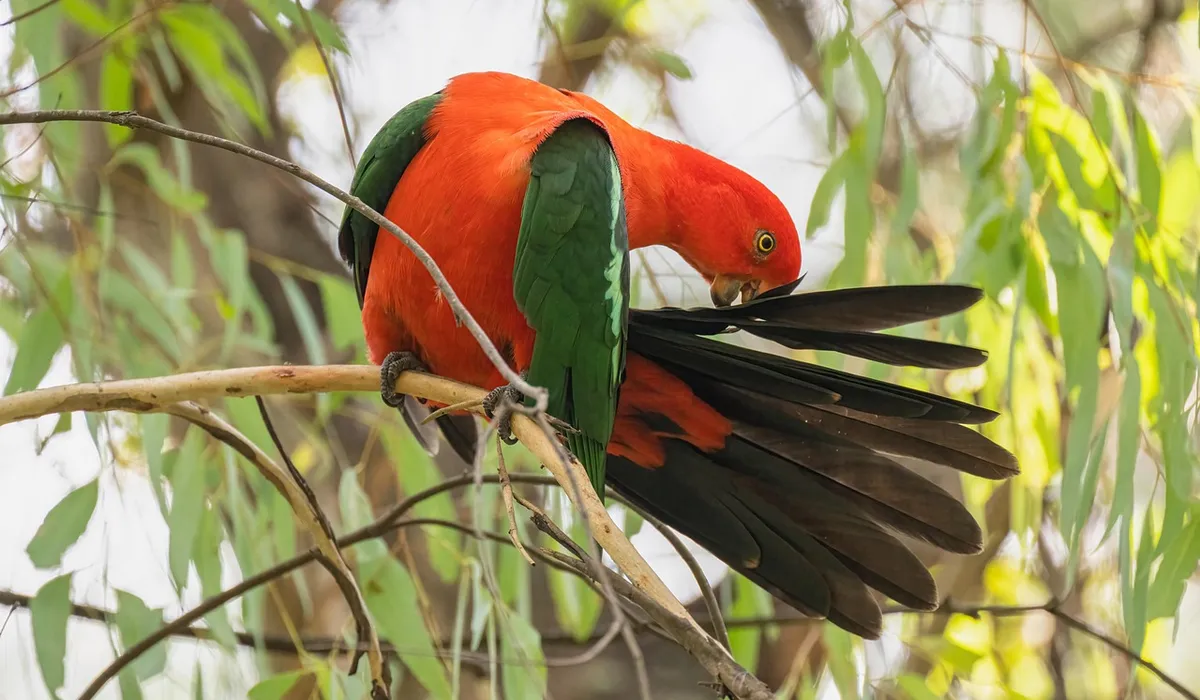
Many people mistake screaming and biting as signs of a mean-spirited bird, but I’ve learned it’s their way of talking to you. Parrots use body language and vocalizations to express needs, not malice, so interpreting their signals can prevent misunderstandings. In my years with Kiwi, his playful nips during games were just invitations to interact, not attacks. Sunny’s boisterous calls often meant she was excited or seeking attention, not being aggressive.
- Causes of screaming and biting: Fear from sudden movements, boredom from lack of toys, hunger, or a cry for social interaction.
- Positive reinforcement techniques: Reward quiet moments with treats, use a calm voice to soothe, and offer engaging activities to redirect energy.
Decoding the Reasons Behind Screaming and Biting
Understanding why your parrot acts out helps you respond with kindness. This frames the question: why do parrots bite—it’s about the underlying causes and triggers. Triggers like insufficient mental stimulation or changes in routine can lead to vocal outbursts or nips, so observe their environment closely. I noticed Kiwi would bite when his favorite perch was moved, showing it was stress, not spite.
- Common triggers: Lack of enrichment toys, loud noises, feeling threatened, or simply wanting your company.
- Steps to redirect behavior safely: Remove the stressor gently, offer a distraction like a foraging toy, and reinforce calm actions with praise.
Training Tips to Reduce Unwanted Behaviors
Training parrots takes patience, but small steps yield big changes. Consistency and rewards build trust, turning negative habits into positive interactions over time. This is the heart of positive reinforcement training for parrots. Rewards shape behavior and strengthen trust. With Sunny, I used a step-by-step approach to soften her loud calls by rewarding quieter moments.
- Identify the behavior to change, like excessive screaming, and note what triggers it.
- Use high-value rewards, such as small fruit pieces or verbal praise, immediately after desired behavior.
- Adjust the environment by adding perches or toys to reduce boredom and stress.
- Practice daily in short sessions to reinforce learning without overwhelming your bird.
Myth 4: Parrots Can’t Change Their Behavior with Training
Some believe parrots are stuck in their ways, but their brains are wired for learning. Birds like parrots show remarkable neuroplasticity, meaning they can adapt and learn new behaviors at any age. I’ve seen rescue birds transform with care, and my own Sage, an African Grey, learned complex tricks well into adulthood. Species like conures pick up habits faster due to their playful nature, while Greys may take longer but retain lessons deeply.
- Debunking age limits: Older parrots can still learn; it’s about patience and tailored methods.
- Success stories: Rescue parrots often overcome fear-based behaviors with consistent, loving training.
How Positive Reinforcement Transforms Behavior
Positive reinforcement isn’t just a trick-it’s a way to build a joyful bond. Rewarding good behavior with treats or affection encourages repetition, making training a fun game for both of you. I used this with Kiwi to curb his nipping, and he now offers gentle touches instead.
- Effective rewards: Small bits of favorite foods, head scratches, or enthusiastic verbal praise.
- Simple training sequence for common issues: Start with a basic command like “step up,” reward immediately for compliance, and gradually increase difficulty while keeping sessions upbeat.
Myth 5: Cages Are Just Prisons-Parrots Hate Them
This myth paints a sad picture, but my flock tells a different story. My Green-cheeked Conure, Kiwi, often flies back to his cage voluntarily when he wants a quiet snack or a peaceful nap. A cage isn’t a prison; it’s a safe bedroom and dining room rolled into one.
Cages provide critical safety from household dangers like toxic fumes, curious pets, and open windows. They offer a predictable space where your parrot can relax fully without needing to be on high alert. A proper cage is a sanctuary, not a sentence, offering comfort and security that your bird instinctively appreciates.
Balance is everything. My parrots enjoy several hours of supervised out-of-cage time daily for flight, exploration, and social interaction. This combination of secure downtime and stimulating free time mimics the natural rhythm of their wild counterparts.
Creating a Cage That Feels Like Home
Transforming a cage from a basic structure into a beloved home is an art I’ve honed over years. Here is a checklist to get you started:
- Variety of Perches: Offer natural wood branches of different diameters, a rope perch for comfort, and a cement perch for nail health.
- Toy Categories: Include foraging toys (puzzle feeders), destructible toys (wood, cardboard), and noise-making toys (bells).
- Strategic Layout: Place food and water dishes away from perches above them to avoid contamination. Create “zones” for sleeping, playing, and eating.
Boredom is the enemy of a happy parrot. I rotate toys in and out of my birds’ cages every one to two weeks to keep their environment fresh and engaging. This simple schedule prevents them from losing interest and encourages natural chewing and playing behaviors.
Myth 6: Feather Plucking Is Always a Behavioral or Attention-Seeking Act
Seeing a parrot pluck its feathers is heartbreaking, and the immediate assumption is often “bad behavior.” This is a dangerous oversimplification. From my experience with my African Grey, Sage, I learned that feather plucking is a cry for help, not a deliberate act of defiance. That realization pushed me to stop my parrot from plucking its feathers by addressing the root causes. Enrichment, routine, and health checks have helped Sage improve.
The causes are complex and frequently medical or environmental. Here are the primary culprits I’ve encountered:
- Medical Issues: Skin infections, parasites, internal pain, or hormonal imbalances.
- Dietary Deficiencies: Lack of specific vitamins, minerals, or essential fatty acids.
- Environmental Stressors: Low humidity, lack of sleep, or exposure to airborne irritants like smoke or aerosols.
Caring for different species has shown me how diet directly impacts plumage. My Sun Conure, Sunny, had dull feathers until I improved her diet with more fresh veggies and a wider variety of pellets. A balanced diet supports healthy skin and feather growth from the inside out.
The diagnostic process requires patience. Your first and most critical step is a thorough examination by an avian veterinarian to rule out physiological causes. Only after medical issues are eliminated should you explore behavioral and environmental factors.
When to Suspect Underlying Health Issues
Don’t wait if you see these red flags. This symptom checklist can help you gauge the urgency:
- Sudden, intense plucking in a previously healthy bird.
- Bald spots accompanied by red, inflamed, or damaged skin.
- Changes in droppings, appetite, or energy levels alongside the plucking.
- Plucking focused on a single, specific area of the body.
If your parrot exhibits any of these symptoms, seek professional veterinary help immediately. Early intervention can address a manageable health problem before it becomes a chronic, lifelong habit. Your quick action makes all the difference. This is part of our complete guide to the most common parrot health concerns. Check the guide for more details on symptoms, causes, and care.
FAQs
Do parrots need to live with other parrots to be happy?
Parrots are social animals but can thrive with human companionship if given daily interaction and enrichment. A single parrot can be content without another bird if provided with toys, training, and a stimulating environment.
What are the signs of a healthy parrot diet?
A balanced diet for parrots includes high-quality pellets, fresh fruits, and vegetables, with seeds as an occasional treat. These choices align with general parrot dietary guidelines that emphasize variety and appropriate portions. Following these guidelines helps ensure long-term health and well-being. Good nutrition shows in bright feathers, consistent energy levels, and normal, well-formed droppings.
Can parrots understand human emotions?
Parrots are intelligent and can detect human emotions through tone of voice and body language. They often respond by mirroring feelings, such as becoming calm when you are relaxed or vocalizing when you are excited. Intelligent parrots display remarkable adaptability. They learn quickly, imitate sounds, and respond to cues. For more information on their intelligence, you can visit this article on Parrots are intelligent.
Closing the Loop
Ultimately, the biggest takeaway is to stop punishing your parrot and start understanding them. Their actions are a form of communication, not a personal attack, and positive reinforcement is the only language that builds a lasting bond. Ditch the old ideas about dominance and clipped wings for control; instead, focus on enriching their environment and respecting their wild instincts. By establishing a consistent routine of short, positive training sessions, you can address common behavioral issues more effectively. This steady approach helps keep them engaged and reduces problem behaviors over time.
Owning a parrot is a decades-long promise to a deeply intelligent creature. Commit to being a lifelong student of their needs, always ready to learn more and adapt your care. Your reward will be a vibrant, trusting relationship filled with the kind of joyful companionship that myths could never hope to capture. Compare large parrots to small parrots to see how commitments differ. Larger parrots typically need more space and daily enrichment, while smaller parrots still require regular social interaction.
Further Reading & Sources
- 1 Straight Talk about Parrot Behavior* S.G. Friedman, Ph.D Dept. …
- Parrot Behavior Myths: Is that a phase? | Learning Parrots
- Parrot Behavior | Parrot Behaviour | Parrots | Guide | Omlet US
Suzanne Levine is a dedicated parrot enthusiast and experienced avian caregiver with over 15 years of hands-on experience in parrot care. As the founder of Parrot Care Central, Suzanne is passionate about sharing her knowledge and insights to help fellow parrot owners provide the best possible care for their feathered friends. Her expertise spans nutrition, behavior, health, and enrichment, making her a trusted resource in the parrot care community.
Socialization