Safe Vegetables for Parrots: Complete Edible Guide
Are you feeling unsure about which vegetables won’t harm your feathered friend, worried you might accidentally pick something toxic?
I’ve been there with my own parrots-Kiwi, Sunny, and Sage-and I’ll guide you through the essentials to keep your bird healthy and happy.
You’ll learn how to:
- Spot safe, nutritious veggies that parrots love
- Avoid common toxic vegetables that pose risks
- Prepare and serve vegetables for optimal health benefits
By the end, you’ll have a clear, easy-to-follow plan. This guide covers: safe vegetables list, toxic vegetables to avoid, preparation methods, feeding frequency, and signs of good nutrition.
Why Vegetables Are a Must for Your Parrot’s Health
Feeding vegetables transformed my flock’s vitality. I watched Kiwi’s green feathers become iridescent and Sunny’s yellow plumage glow brighter within weeks of introducing daily veggies. Their energy levels skyrocketed, turning lazy afternoons into playful acrobatics sessions.
Vegetables deliver concentrated nutrition that seeds and pellets simply can’t match. Leafy greens like kale and spinach provide calcium for strong bones and Vitamin A for sharp vision. My African Grey Sage became more alert and engaged with her puzzles after we boosted her veggie intake.
- Vitamin A from carrots and sweet potatoes supports respiratory health and prevents infections
- Calcium in broccoli and dark leafy greens maintains beak strength and eggshell quality
- Vitamin C from bell peppers boosts immune function and iron absorption
- Fiber in green beans and zucchini promotes healthy digestion and prevents obesity
The difference in my conures’ feather texture alone convinced me vegetables are non-negotiable. What was once dull and brittle became silky smooth, with colors so vibrant visitors often asked if they were different birds.
Danger Zone: Vegetables That Are Toxic to Parrots
Some vegetables can be deadly to our feathered friends. I nearly learned this lesson the hard way when a guest almost offered Kiwi guacamole during a party. It’s the kind of hazard on the list of 15 deadly household mistakes that could kill your parrot. Awareness saves lives. The panic I felt taught me to always educate visitors about parrot safety.
Avocado contains persin, a compound that causes respiratory distress and heart failure in parrots. Even a small amount of avocado flesh or skin can lead to emergency vet visits within hours. I keep avocados in a separate, labeled container to prevent accidents.
- Avocado – contains persin toxin affecting heart and breathing
- Onions and garlic – damage red blood cells causing anemia
- Mushrooms – may contain toxins affecting liver and digestion
- Raw potatoes – solanine in green parts causes neurological issues
- Rhubarb leaves – oxalic acid leads to kidney failure
Animal welfare means being vigilant about every ingredient that enters your home. I created a “no-fly zone” in my kitchen where toxic foods are stored separately and clearly marked. Protecting our parrots requires knowing what to avoid as much as what to serve.
Safe Vegetable List: What Your Bird Can Enjoy
Building a vibrant, healthy diet for your parrot starts with knowing which veggies get the green light. I’ve spent years experimenting with my flock, and this list is built on what keeps them chirping with joy and in peak health. In fact, a parrot’s diet can influence its lifespan and overall health. Choosing the right foods isn’t just about today—it’s about tomorrow’s longevity.
Leafy Greens and Herbs for Parrots
These are the powerhouses of vitamins and minerals. My conures, Kiwi and Sunny, go absolutely wild for a fresh sprig of something green.
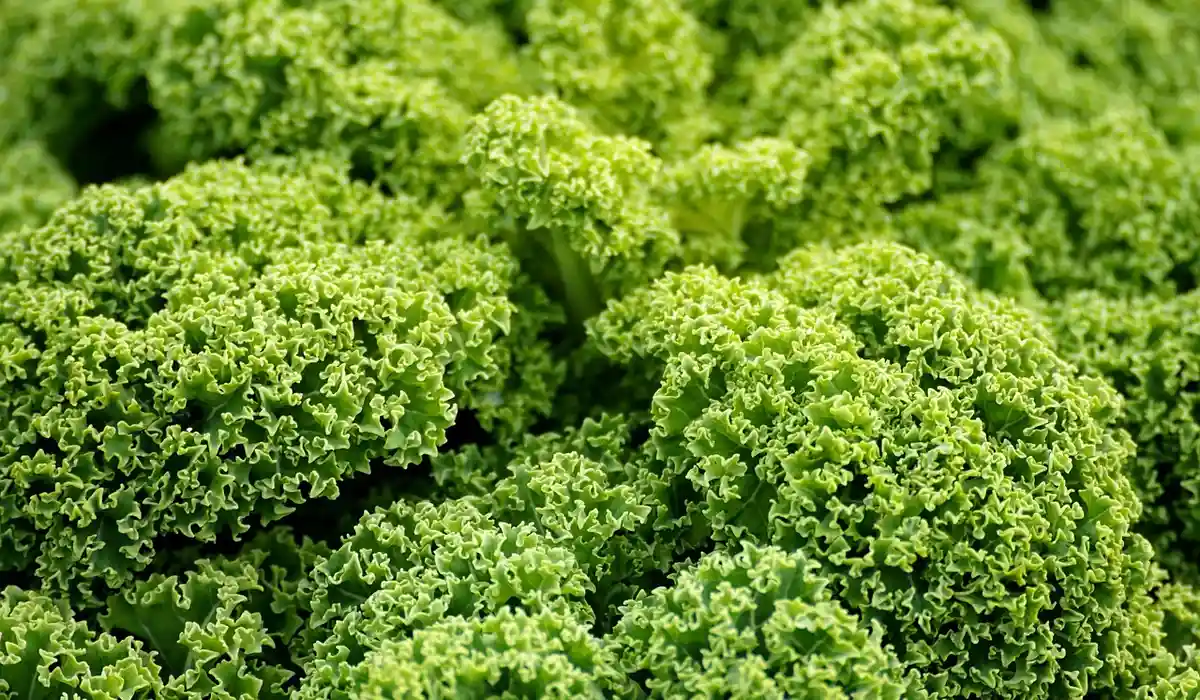
- Kale: A superstar for Vitamin K and calcium. I serve it raw, torn into small, manageable pieces.
- Spinach: Packed with iron, but offer it in moderation due to oxalates. A few leaves mixed into other greens is perfect.
- Parsley: A fantastic source of antioxidants. My African Grey, Sage, loves the strong flavor. I give it a good rinse and serve it fresh.
- Romaine Lettuce: High in water content, making it great for hydration. It’s a much better choice than iceberg lettuce, which has little nutritional value.
- Swiss Chard: The colorful stems are a fun, crunchy surprise for birds. I chop both the leaves and stems for variety.
Always serve these raw or just lightly rinsed to preserve their maximum nutritional punch.
Crunchy Veggies and Roots Parrots Love
The sound of a parrot happily crunching away is pure music. These vegetables are not only nutritious but also great for beak health. And just as crunching signals happiness, parrot sounds carry different meanings. This complete guide explains what each sound means.
- Carrots: Loaded with beta-carotene for eye health. I either shred them finely or offer thin sticks for my birds to hold and gnaw on.
- Bell Peppers: All colors are safe and provide a huge Vitamin C boost. I remove the seeds and white pith, then slice them into easy-to-eat strips.
- Celery: A low-calorie snack full of fiber. I always chop it into small pieces to avoid the long, stringy fibers that can be a choking hazard.
- Radishes: A spicy treat my birds find intriguing. I offer thin slices for a fun, peppery crunch.
The key with crunchy veggies is making the pieces the right size for your specific bird to prevent any accidents.
Other Favorites: Squash, Peas, and More
This category adds wonderful texture and flavor variety to your parrot’s meals. Some require a little prep, but it’s well worth the effort. Parrot meal prep often involves making chop—finely chopped veggies and proteins. This simple step helps keep meals varied and easy to portion.
- Pumpkin & Butternut Squash: My parrots adore the sweet taste. I always cook and cube it to make it soft and easy to digest.
- Green Beans: A fantastic source of protein and fiber. I lightly steam them to soften them up, which my birds seem to prefer over raw.
- Sweet Potato: An absolute favorite in my house. It must be cooked-I usually bake or steam it-to be safe and palatable.
- Peas: Whether fresh or frozen (and thawed), peas are a quick, fun food. My conures love to crack open the pods themselves!
- Zucchini: A mild, hydrating vegetable. I serve it raw, sliced into thin rounds or small chunks.
Sweet potato and pumpkin are the hands-down winners with my flock-they can’t get enough of that sweet, soft texture.
How to Prepare Vegetables for Your Parrot
Proper preparation is just as important as picking the right vegetable. A little care here makes all the difference in safety and enjoyment.
- Wash Thoroughly: Rinse all vegetables under cool running water to remove any dirt, pesticides, or chemical residues. I often use a dedicated vegetable brush for items like carrots and potatoes.
- Chop Appropriately: Cut veggies into sizes that match your parrot’s beak. For smaller birds like budgies, a fine chop or shred is best. Larger parrots can handle bigger chunks or strips they can hold in their foot.
- Decide on Raw vs. Cooked: Most vegetables can be served raw. However, always cook hard squash, sweet potatoes, and legumes. Steaming is my go-to method as it preserves nutrients better than boiling.
- Serve Fresh: Place the prepared veggies in a clean food dish. Remove any uneaten fresh food after a few hours to prevent spoilage and bacterial growth.
- Store Properly: Keep pre-chopped veggies in an airtight container in the fridge for up to two days for maximum freshness.
Taking these few extra minutes for preparation ensures your feathered friend gets a meal that is not only delicious but also completely safe for them to eat.
Introducing New Vegetables to Your Parrot’s Diet
Adding new veggies to your parrot’s meals can feel like a fun adventure, but it requires patience and care. Start by offering tiny amounts mixed with their trusted favorites to build curiosity without overwhelming them. I learned this with Kiwi, my Green-cheeked Conure—she turned her beak up at chopped kale until I paired it with a bit of mashed sweet potato, and now she eagerly pecks at greens daily. To make meals more engaging, try foraging-style feeding—hide small veggie pieces in a puzzle feeder or treat mat. This idea anchors the concepts in my ultimate guide on foraging to enrich your parrot’s diet, showing how enrichment can boost variety and nutrition.
- Gradually introduce one new vegetable at a time over a week, watching for any changes in behavior or droppings.
- Pair unfamiliar items with beloved foods, like hiding shredded carrots in a bowl of pellets or fruit chunks.
- Observe reactions closely; if your parrot avoids a veggie, try steaming or chopping it differently to improve appeal.
Sometimes, challenges pop up-Sunny, my Sun Conure, once ignored bell peppers for days until I hung them as colorful shreddable toys. Mixing textures and colors can turn a hesitant nibbler into an enthusiastic eater, keeping mealtimes lively and nutritious. With Sage, my African Grey, I noticed he preferred crunchy veggies like snap peas over soft ones, so I adjusted based on his personality.
Common Myths and Questions About Parrots and Vegetables
Many parrot owners wonder if carrots count as fruits or if all veggies are safe—let’s clear up the confusion. Carrots are definitely vegetables, packed with beta-carotene that supports eye health, but they should be fed raw or lightly cooked to preserve nutrients. I’ve seen myths claim that onions or avocados are fine, but these can be toxic and must be avoided entirely for your bird’s safety. Additionally, chop carrots and other veggies into bite-sized, parrot-safe pieces. Using proper chopping techniques makes meals safer and easier for your bird to eat, while allowing you to offer a rotating mix of fruits and vegetables.
| Vegetable | Safe for Parrots? | Notes |
|---|---|---|
| Spinach | Yes | Offer in moderation due to oxalates that can bind calcium. |
| Avocado | No | Contains persin, which is highly toxic and can cause respiratory distress. |
| Broccoli | Yes | Rich in vitamins; serve raw or steamed to retain benefits. |
| Onions | No | Can lead to anemia and digestive issues; keep out of reach. |
| Sweet Potatoes | Yes | Cook lightly to enhance digestibility and vitamin absorption. |
Another common question is whether frozen veggies are okay-yes, they’re a convenient option, but thaw and rinse them to remove additives. Always research each vegetable’s safety, as even healthy-looking foods like rhubarb leaves can pose risks, and consult an avian vet if you’re unsure. From my experience, sticking to organic, washed produce reduces pesticide exposure and keeps feathered friends like Kiwi thriving.
FAQs
What defines a vegetable as safe for parrots?
Safe vegetables for parrots are those free from toxic compounds like persin or solanine. They should be low in oxalates and easy to digest to support overall health. Be aware that some everyday foods are toxic to parrots and must be avoided. A complete list of toxic foods parrots should avoid can help you plan a safe diet.
Why are carrots considered vegetables in a parrot’s diet?
Carrots are classified as vegetables because they are edible roots with a savory taste, not sweet like fruits. This makes them a staple in the vegetable group for providing essential nutrients like beta-carotene.
Does it matter if carrots are fruits or vegetables for feeding parrots?
No, the botanical classification does not impact safety or nutrition for parrots. Focus on serving carrots raw or lightly cooked to maximize their health benefits. Parrots can also eat cucumbers, which add hydration and fiber with minimal calories. Rinse well and feed cucumbers in moderation as part of a balanced diet.
Your Parrot’s Plate: A Final Thought
Your parrot’s health thrives on a colorful mix of washed, fresh vegetables like leafy greens, bell peppers, and carrots, served raw or lightly steamed to preserve nutrients. Always remove seeds from items like apples and tomatoes, introduce new foods slowly, and avoid anything from the onion or avocado families to keep your feathered friend safe and satisfied. These practices align with general parrot dietary guidelines. They emphasize variety, moderation, and safety.
Being a parrot parent means committing to lifelong learning and observing how your unique bird responds to different foods. You may notice behavioral differences between hand-raised and parent-raised parrots—differences in trust, handling comfort, and sociability that influence training and daily interaction. Understanding these differences helps you tailor your care accordingly. Their vibrant personalities and long lives depend on your thoughtful care, so stay curious, consult your avian vet, and cherish every moment of discovery together.
Further Reading & Sources
- Fruits and Veggies list | Parrot Forum 🦜 Parrot Owners Community
- Fruit and Vegetables | Parrot Food | Parrots | Guide | Omlet US
- What Are The Best Veggies For Birds? – ZuPreem Pet
Suzanne Levine is a dedicated parrot enthusiast and experienced avian caregiver with over 15 years of hands-on experience in parrot care. As the founder of Parrot Care Central, Suzanne is passionate about sharing her knowledge and insights to help fellow parrot owners provide the best possible care for their feathered friends. Her expertise spans nutrition, behavior, health, and enrichment, making her a trusted resource in the parrot care community.
Nutrition