
Creating a Pet Trust for Your Parrot: A Legal Safety Net
Published on: February 20, 2026 | Last Updated: February 20, 2026
Written By: Suzanne Levine
Who will care for your feathered friend if you’re no longer here? This question keeps many parrot owners awake at night. I’ve lain there myself, thinking about my conure, Kiwi, and what might happen. Parrots are not just pets; they’re lifelong companions with complex needs.
I will guide you through the process of creating a solid legal plan. You will learn:
- How to choose the right caregiver and set aside funds.
- The specific legal steps to make a pet trust binding.
- How to document your parrot’s unique daily routine and personality.
You will receive clear, actionable advice to give you peace of mind.
Topics covered: Understanding pet trusts, Selecting a guardian, Funding the trust, Legal requirements, Documenting care instructions, Communicating your wishes.
Understanding Parrot Pet Trusts: Your Bird’s Safety Net
A pet trust is a legal document that sets aside money and gives specific instructions for your parrot’s care if you pass away or become unable to care for them yourself. Think of it as a safety net that catches your feathered friend, ensuring they never fall into uncertain or inadequate living situations.
Bird guardianship is different from caring for a cat or dog due to parrots’ extreme longevity and complex social needs. My own Green-cheeked Conure, Kiwi, could live for 30 years, requiring a guardian who understands his need for daily interaction, foraging toys, and a specialized diet.
- It avoids probate, so funds for your parrot’s care are available immediately.
- It gives you the power to clearly designate a primary and a backup caregiver.
- The trust legally obligates the caregiver to follow your exact care instructions.
- It provides immense peace of mind, knowing your companion’s future is secure.
Building Your Parrot’s Trust: A Step-by-Step Guide
Creating this document starts with asking yourself tough but vital questions. Who truly understands my parrot’s personality and daily routine? How much money will be needed for food, vet bills, and cage replacements over a potential 50+ year lifespan?
Selecting a Trustee and Their Duties
You must choose a trustee-the person who manages the money-and a caregiver-the person who provides the daily hands-on care. This could be the same person, but often it’s better to have a separate trustee to oversee the finances and ensure the caregiver is using the funds correctly.
- Interview potential caregivers and trustees about their willingness and ability.
- Formally appoint them in the trust document and name at least one successor.
- The trustee has a fiduciary duty to manage the money responsibly and only for your parrot’s benefit.
- The caregiver’s duties are outlined by you, from daily out-of-cage time to preferred avian veterinarians.
Financial Provisions and Care Cost Checklist
You need to estimate the total lifetime cost of care to fund the trust adequately. I calculated costs for my Sun Conure, Sunny, and was shocked at how food, toys, and potential medical issues added up over decades.
- Routine Veterinary Care: Annual check-ups, grooming, and emergency fund.
- Daily & Monthly Supplies: High-quality pellets, fresh chop, and destructible toys.
- Major Expenses: A new, appropriately sized cage every 10-15 years.
- Guardian Compensation: A stipend for the caregiver’s time and effort.
- End-of-Life Care: Funds for humane and compassionate final arrangements.
Revocable vs. Irrevocable Trusts
You have two main options, each with pros and cons for a parrot owner. A revocable trust can be changed or canceled during your lifetime, giving you flexibility if your African Grey, Sage, bonds with a new potential caregiver. This can also help when rebuilding trust after a negative incident, allowing Sage time to adjust at his own pace. Pairing transitions with consistent routines and gentle reinforcement can support that process.
An irrevocable trust generally cannot be altered once it’s created. This option offers stronger asset protection from creditors but sacrifices your ability to adapt the plan as your life-and your parrot’s life-evolves.
Picking the Perfect Parrot Guardian
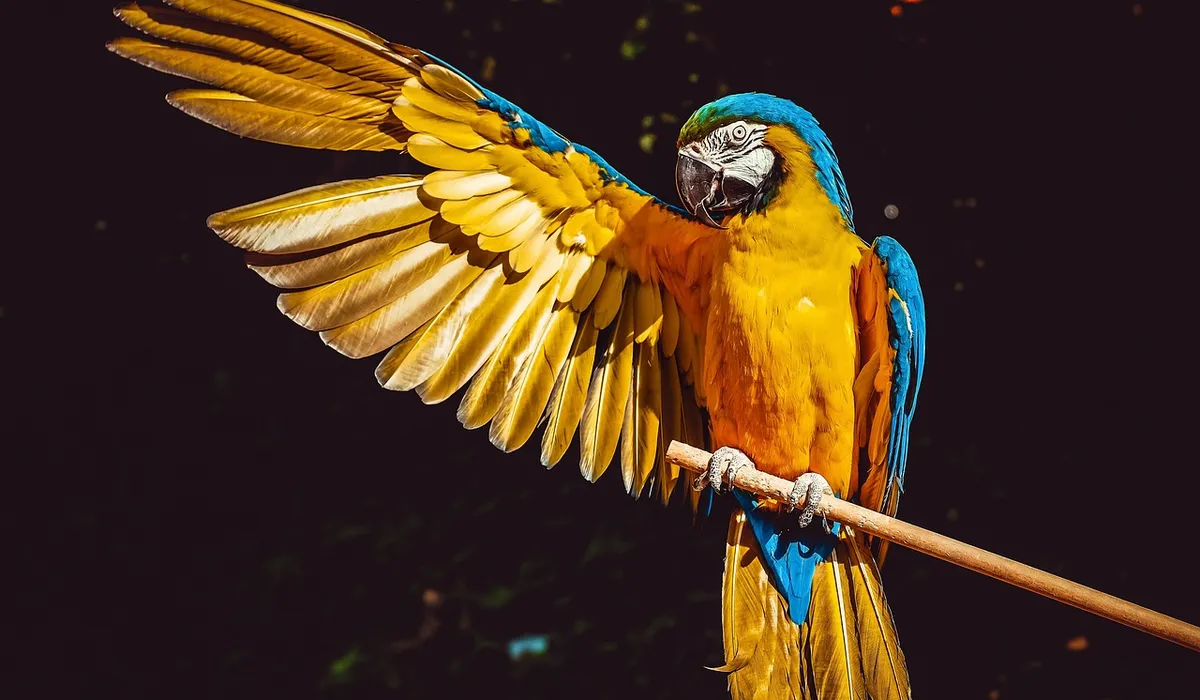
Choosing someone to care for your parrot is one of the most personal decisions you’ll make. This person isn’t just a pet sitter; they’re stepping into your shoes as the primary source of love, routine, and security for a creature that may outlive you. I’ve seen too many birds rehomed multiple times because a well-meaning plan fell through. Choose the right parrot for your home lifestyle by considering temperament, noise level, and space. A good match supports long-term care and companionship.
Appointing a Successor Guardian and Caregiver
Your first choice might be a family member or close friend, but don’t assume they’ll say yes. Have an honest conversation about the long-term commitment. Parrots like my Green-cheeked Conure, Kiwi, can live for 30 years. Always name a primary and a secondary successor guardian in your documents, so there’s a clear backup plan. This avoids any confusion or legal gaps if your first choice is unable to serve.
Verifying Caregiver Ability and Experience
A love for animals isn’t enough. Your guardian needs specific parrot care knowledge. Here’s how to verify their ability:
- Ask them to care for your bird during a short vacation. Observe their comfort level with handling, feeding, and cleaning.
- Discuss their understanding of parrot body language-like what a pinned eye or raised crest means.
- Ensure they’re willing to learn about your bird’s unique diet, enrichment needs, and potential health issues.
My Sun Conure, Sunny, is incredibly social; a guardian who works 12-hour days would leave her distressed and lonely. Match the bird’s personality to the caregiver’s lifestyle.
Creating a Caregiver Agreement and Instructions
A formal caregiver agreement protects everyone, especially your bird. This document should detail:
- The guardian’s responsibilities and authority.
- A schedule for disbursing funds from the trust for care expenses.
- Your parrot’s daily routine, including feeding times, favorite toys, and sleep requirements.
- Emergency veterinary contacts and your preferred avian vet.
Be painfully specific in your care instructions. My African Grey, Sage, gets a specific brand of pellets mixed with fresh chop; deviating from this can cause digestive issues. Include photos and videos of your routines.
Planning for Your Potential Incapacity
What if you’re temporarily unable to care for your bird due to an accident or illness? Name a temporary guardian in a Durable Power of Attorney for Pet Care. This person can immediately step in to provide food, shelter, and veterinary care without waiting for a court order. Make sure they have a key to your home and know where your pet care documents are kept.
Navigating Legal Waters for Your Bird’s Trust
The legal side can feel overwhelming, but breaking it down into manageable steps makes it less intimidating. A properly structured trust ensures your wishes are carried out precisely, without delay or family dispute. I consulted an attorney who specializes in estate planning for pets to set up my own trust-it was worth every penny for the peace of mind.
Essential Legal Documents: Wills and Letters of Intent
Your will and a “Letter of Intent” work together. The will names the trust and its trustee, while the letter provides the heartfelt details. Your Letter of Intent should include:
- Your parrot’s full history, including age, species, and any behavioral quirks.
- Detailed daily care and feeding instructions.
- Your philosophy on training, socialization, and veterinary care.
- Your wishes for final disposition when your parrot passes.
This letter isn’t legally binding in the same way, but it gives powerful guidance to the trustee and guardian about the standard of care you expect.
State Recognition of Pet Trusts and Local Laws
Not all states treat pet trusts the same. Some are “statutory,” meaning they’re fully enforceable, while others are “honorary,” which rely more on the trustee’s goodwill. You must check your specific state’s laws, as the requirements for funding and enforcement can vary dramatically. An estate planning attorney in your area can quickly clarify this for you.
Pet-Specific Provisions and Documentation
Your trust needs to be built for a parrot, not a dog or cat. Include specific provisions for:
- Avian-specific veterinary care, including annual well-bird exams and emergency services.
- Funding for cage replacement, toys, and specialized diets.
- Instructions for socialization and mental stimulation to prevent plucking or depression.
- Documentation of your parrot’s microchip number and leg band details.
I included a provision that my trustee must consult with an avian veterinarian annually to ensure care standards are being met. This adds a layer of oversight.
A Brief Overview of Probate Avoidance
Probate is the court process that validates a will, and it can be slow. A living trust, funded during your lifetime, bypasses probate entirely. This means the funds for your parrot’s care are available immediately to the trustee. You can also name the trust as a beneficiary on a life insurance policy or bank account, providing liquid assets without court involvement.
Money Matters: Funding and Updating the Trust
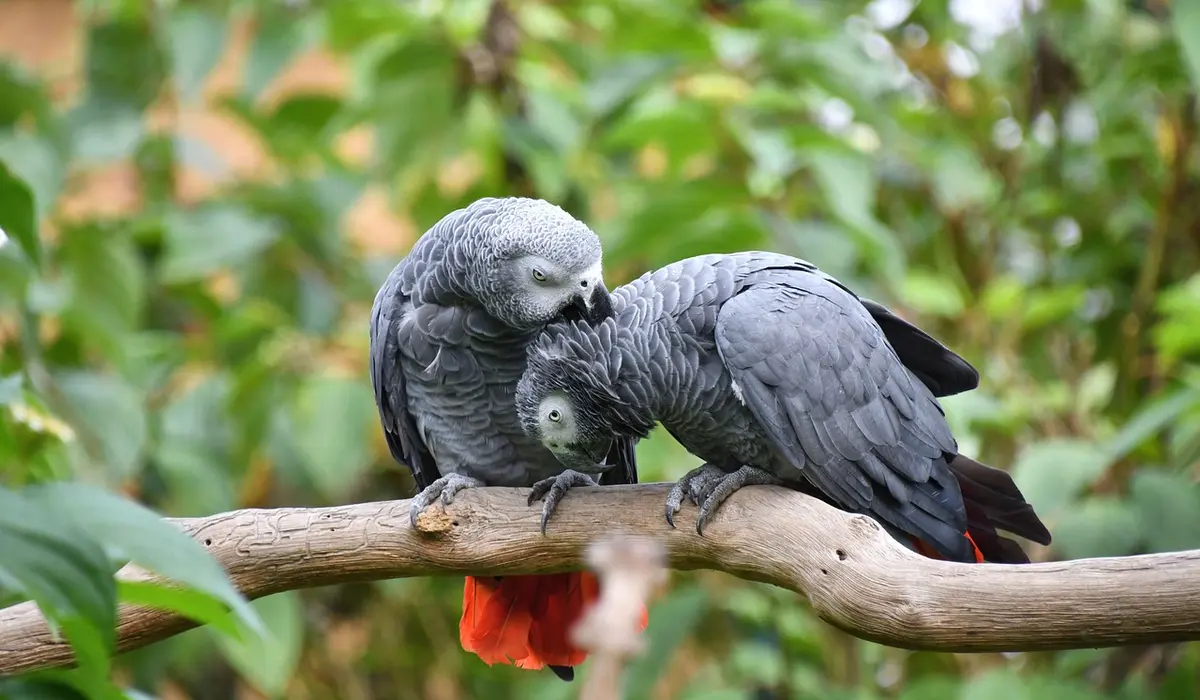
Funding your parrot’s trust isn’t just about naming a number. You need to calculate enough money to cover their entire lifespan, including unexpected vet bills and inflation. I learned this the hard way when Kiwi needed emergency surgery—costs add up fast. That’s why a complete parrot ownership cost breakdown—from purchase or adoption to lifelong care—is essential. I’ll walk you through it so you know what to budget for at every stage.
- Set up a separate bank account or transfer assets directly into the trust’s name.
- Consider life insurance policies where the trust is the beneficiary for steady funding.
- Review and adjust the amount annually based on your parrot’s age and health changes.
Taxes can sneak up on you. Pet trusts are usually treated as separate legal entities, so consult an estate attorney to navigate income or inheritance taxes. This protects the funds from being drained by legal surprises.
- Work with a financial planner to estimate care costs over 20+ years for long-lived parrots.
- Include a clause for regular expense reviews by the trustee to adjust for rising costs.
Life changes, and so should your trust. You can update it after major events like moving, new family members, or if your parrot’s needs evolve. I’ve revised mine twice after adopting Sage and when Sunny developed a chronic condition.
- Specify a process for amendments in the trust document, requiring witness or notary.
- Terminate the trust if your parrot passes, with leftover funds going to a named beneficiary or parrot rescue.
Trusts for parrots often last their lifetime. Parrot lifespans vary widely by species, with some parrots living decades or more, so long-term planning is essential. Appoint a successor trustee to manage the trust long-term, ensuring continuous care. Regular check-ins by a third party can prevent neglect.
Health and Happiness: Care Instructions in the Trust
Your parrot’s medical care must be clearly outlined. Specify an avian vet and authorize treatments like blood work, X-rays, or surgeries without delay. I list my vet’s contact and pre-approve common procedures to avoid bureaucratic holds. That’s because parrots require specialized veterinary knowledge a general practitioner may lack. Avian veterinarians understand birds’ unique anatomy, metabolism, and stress cues, and can spot subtle illness signs earlier.
- Cover end-of-life decisions, such as humane euthanasia criteria for untreatable pain or poor quality of life.
- Include a budget for annual check-ups, grooming, and emergency care.
A letter of intent is your parrot’s voice when you’re not there. Write detailed daily routines, from wake-up calls to bedtime, to reduce stress and keep habits consistent. My parrots thrive on predictability, so I note everything from Kiwi’s morning chatter to Sage’s puzzle time.
- Diet: Specify brands, fresh foods, and portion sizes-like Sunny’s chop mix with veggies and pellets.
- Socialization: Require daily out-of-cage time, interaction hours, and whether they prefer solo or group play.
- Vet visits: Schedule frequency and note past health issues, like Sage’s feather-plucking history.
Clear instructions prevent misunderstandings. Detail environmental needs, such as cage size, toy rotations, and safe household zones. Parrots are sensitive; even small changes can impact their well-being. Taken together, these are essential steps for parrot-proofing a room and ensuring safe flight. Properly prepared spaces support confident, low-risk flight sessions.
FAQs
Are parrot pet trusts recognized in my state?
Pet trust laws differ by state, with some offering full statutory enforcement and others relying on honorary guidelines. Consult a local estate attorney to confirm your state’s specific requirements and ensure your trust is legally binding.
What are the tax implications of a parrot pet trust?
Parrot pet trusts are often treated as separate entities, which may subject them to income or inheritance taxes. Discuss with a financial advisor to structure the trust efficiently and minimize any potential tax burdens on the funds.
How long does a parrot pet trust last?
A parrot pet trust is intended to remain active for your bird’s entire lifespan, which can extend over decades for many species. Include clauses for successor trustees to oversee the trust continuously and adapt to long-term care needs, especially as your parrot ages and requires special care.
Can a parrot pet trust cover medical care and end-of-life decisions?
Yes, a parrot pet trust can allocate funds and provide clear instructions for veterinary treatments, surgeries, and compassionate end-of-life care. When considering whether to get pet insurance for your parrot, a cost-benefit analysis can help weigh potential vet costs against premiums and coverage. This ensures your bird receives timely medical attention and that quality-of-life decisions align with your wishes.
How do I verify the caregiver’s ability to care for a parrot?
Verify a caregiver’s suitability by arranging a trial period where they handle daily routines and observe their comfort with parrot-specific behaviors. Assess their willingness to learn about diet, enrichment, and health issues to guarantee a smooth transition for your bird. Include a brief plan for routine training during the trial to address common parrot behavioral issues through positive reinforcement. This helps ensure they can manage behavioral issues consistently and calmly when you’re away.
Closing the Loop
Creating a pet trust is the single most responsible action you can take for your parrot’s future. It legally guarantees your feathered friend receives the specific care and financial support you’ve planned, ensuring their world doesn’t fall apart when you’re no longer there. The process involves drafting a legal document, appointing a trusted caregiver and trustee, and clearly funding the arrangement for their lifelong needs. Keep in mind that parrot ownership can bring hidden costs of parrot ownership—regular veterinary care, emergency expenses, and the need for durable toys and cages. A well-funded plan helps ensure those costs are covered, protecting your bird’s care if circumstances change.
This act of foresight is the ultimate expression of love for your companion. Being a great parrot guardian means never stopping your education on their complex needs, from diet and behavior to their long-term welfare. Keep learning, keep planning, and give your parrot the secure future they truly deserve.
Further Reading & Sources
- Home | World Parrot Trust
- So you’re thinking of getting a parrot…
- Pros and Cons of Buying a Parrot – Three Birds and a Cloud
Suzanne Levine is a dedicated parrot enthusiast and experienced avian caregiver with over 15 years of hands-on experience in parrot care. As the founder of Parrot Care Central, Suzanne is passionate about sharing her knowledge and insights to help fellow parrot owners provide the best possible care for their feathered friends. Her expertise spans nutrition, behavior, health, and enrichment, making her a trusted resource in the parrot care community.
Health & Wellness