
Parrot Mating Habits and Monogamy: A Simple Guide
Published on: August 6, 2026 | Last Updated: August 6, 2026
Written By: Suzanne Levine
Have you noticed your parrot acting strangely or forming intense bonds and wondered if it’s all part of their mating behavior and whether they stick to one partner for life?
I’ve spent years caring for parrots like Kiwi, my Green-cheeked Conure, and I’m here to guide you through this with clear, experience-based insights.
We’ll explore the key aspects of parrot mating and monogamy to put your mind at ease.
- Parrots often practice monogamy, forming deep, lasting bonds with their mates.
- Mating habits include specific courtship displays that vary by species.
- Understanding these behaviors helps you support their health and happiness responsibly.
You’ll walk away with practical advice that’s easy to apply.
Courtship rituals, Monogamy facts, Behavior management, Animal welfare tips
Do Parrots Really Mate for Life? The Truth About Monogamy
Many people believe parrots mate for life, but the reality is more nuanced. Parrots practice social monogamy, meaning they form long-term pair bonds and cooperate in raising young, but they aren’t always genetically exclusive. This differs from genetic monogamy, where partners only reproduce with each other.
From my years with parrots, I’ve seen this firsthand. My African Grey, Sage, formed a deep bond with his mate, but genetic testing revealed occasional offspring from other males. It’s a fascinating blend of social loyalty and biological strategy.
Species Known for Lifelong Pairing
- African Grey Parrots: Highly intelligent, they often form deep, lasting bonds.
- Quaker Parrots: Social and community-oriented, they frequently pair for life.
- Macaws: Many species, like Blue and Gold Macaws, show strong pair fidelity.
- Cockatoos: Known for their intense attachments, though bonds can vary by species.
Not all species are strictly lifelong; some, like Eclectus parrots, have more flexible social structures. Parrot lifespans vary widely between species, so a clear lifespan guide can help you plan for decades of care. It’s essential to research your specific parrot’s natural tendencies.
How Pair Bonding Impacts Pet Care and Behavior
Understanding pair bonding helps you provide better care. A bonded parrot may become distressed if separated from its mate or preferred human, leading to feather plucking or aggression. I noticed this with my conures; Kiwi became anxious when away from his bonded partner, requiring extra attention and enrichment. Separation anxiety in parrots can be tough to manage, but understanding their bonds is key.
- Provide ample social interaction to prevent loneliness.
- Offer toys and activities that mimic natural bonding behaviors, like foraging together.
- Monitor for signs of stress or jealousy in multi-bird households.
How Parrots Find and Choose Their Forever Mates
Mate selection in parrots is a delicate dance of compatibility and communication. Factors like vocal duetting, where pairs sing synchronized calls, and elaborate courtship displays play crucial roles in mate choice. Females often take the lead, assessing potential partners based on fitness, coloration, and behavioral cues.
In my flock, Sunny the Sun Conure would test mates by observing their responsiveness to her calls and willingness to share food. It’s a mutual evaluation process that ensures strong partnerships.
Steps for Observing Mate Selection in Pet Parrots
- Watch for increased vocalizations and mirroring behaviors between birds.
- Note any regurgitation or food-sharing attempts, a key bonding gesture.
- Observe preening sessions; mutual grooming strengthens pair bonds.
- Look for synchronized movements, like hopping or wing-flapping together.
Patience is key; mate selection can take weeks or months, and not all pairings will succeed. Always prioritize animal welfare by providing a stress-free environment.
Courtship Rituals: The Language of Love
Courtship in parrots is a vibrant display of body language and sound. Common rituals include head bobbing, wing fluttering, and soft chattering to express interest and affection. My Green-cheeked Conure, Kiwi, would dance side-to-side while making gentle clicking noises when courting.
- Vocalizations: Duets, whistles, and mimicry to strengthen bonds.
- Physical displays: Tail fanning, raised feathers, and playful nibbling.
- Feeding rituals: Offering food as a sign of trust and commitment.
Each species has unique courtship behaviors, so learning your parrot’s specific signals deepens your understanding of their social needs. Observing these rituals has taught me to appreciate the complexity of parrot relationships and advocate for their emotional well-being.
The Mating Dance: Courtship and Copulation in Parrots
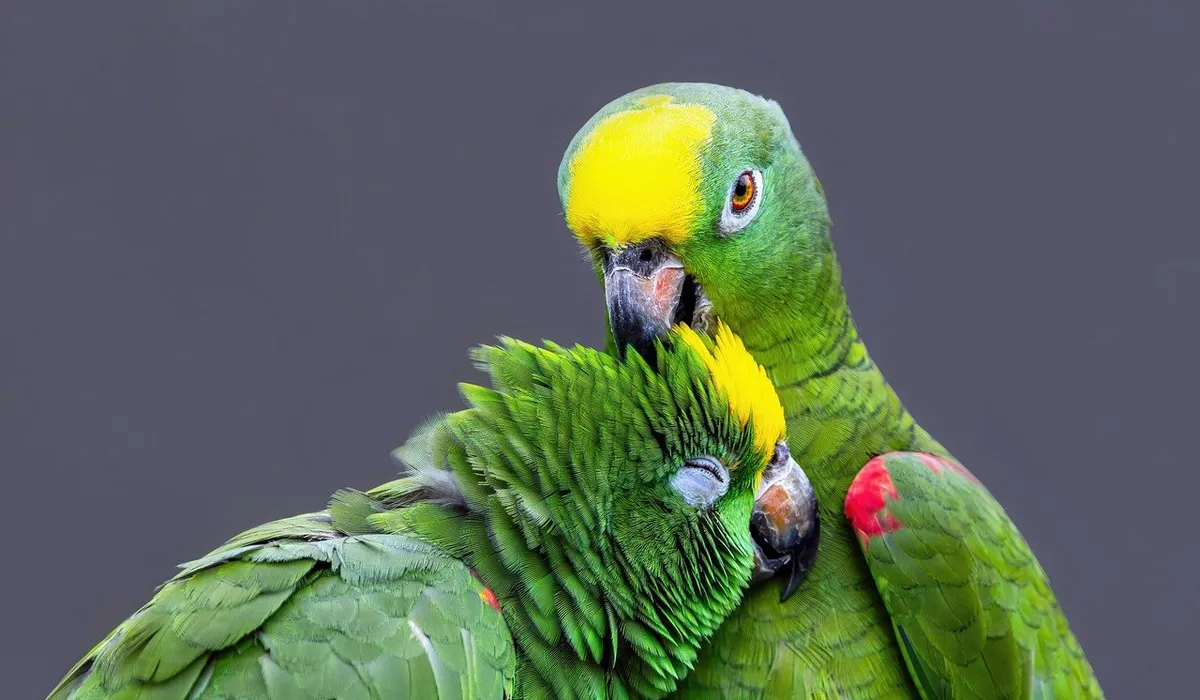
Parrot courtship is a vibrant display of affection and ritual that strengthens the bond between mates before copulation occurs. I’ve watched my own birds engage in these behaviors, and it’s a beautiful reminder of their complex social lives.
The Steps of Parrot Mating Behavior
The process follows a natural sequence that’s fascinating to observe.
- Preening Invitations: Birds will gently nibble and preen each other’s head and neck feathers, areas they can’t reach themselves.
- Regurgitation Feeding: One parrot will bring up food to offer its mate, a sign of trust and provisioning.
- Wing Displays and Dancing: They may spread wings, bob heads, and make soft chattering sounds to show off.
- Cloacal Kiss: The actual mating is brief, where birds press their cloacas together to transfer sperm.
Nesting Habits and Territorial Instincts
When breeding mode activates, parrots become fiercely protective of their chosen nesting area. My Green-cheeked Conure Kiwi once claimed a tissue box as her territory and wouldn’t let anyone near it!
- They’ll chew wood or paper to create nesting material
- Mates take turns guarding the nest entrance
- Aggressive behavior toward perceived threats increases dramatically
- Vocalizations become more frequent and intense
Recognizing Mating Readiness in Pet Parrots
Knowing these signs helps you provide appropriate care and avoid behavioral issues. You’ll notice physical and psychological changes that signal breeding condition.
- Increased vent (cloaca) swelling and redness
- More frequent “nesting” behavior like shredding paper
- Heightened affection toward chosen mate or human
- Food begging behavior even when well-fed
- Restlessness and increased vocalization
From Pair Formation to Egg Laying
The journey from mating to parenting involves precise biological timing and dedicated care. Each species has its own rhythm, but the general pattern remains consistent across most parrots.
Clutch Size and Incubation Periods
Parrots typically lay eggs every other day until their clutch is complete. The numbers vary significantly by species and individual health. In a year, this can add up to many eggs. Some parrots may have multiple clutches annually.
| Species Type | Average Clutch Size | Incubation Period |
|---|---|---|
| Small Parrots (Budgies, Cockatiels) | 4-8 eggs | 18-21 days |
| Medium Parrots (Conures, Ringnecks) | 3-6 eggs | 23-28 days |
| Large Parrots (Macaws, Greys) | 2-4 eggs | 26-30 days |
Parental Care Stages
Both parents share responsibility in species that form strong pair bonds. I’ve observed my parrots working together in remarkable coordination.
- Incubation Sharing: Parents take turns sitting on eggs, with precise changing of shifts
- Brooding New Hatchlings: Constant warmth provision for naked chicks
- Feeding Rotation: Regurgitating food for growing babies around the clock
- Fledgling Training: Teaching flight and foraging skills as chicks mature
Egg Binding Concerns in Pet Parrots
Egg binding is a serious medical emergency where a female cannot pass an egg. I’ve dealt with this scary situation and learned to recognize the warning signs immediately.
- Straining or pushing motions without producing an egg
- Lethargy and weakness, often sitting at cage bottom
- Fluffed feathers and labored breathing
- Loss of appetite and decreased droppings
- Swollen abdomen and visible discomfort
When Love Blooms: Breeding Seasons and Triggers
Wild parrots sync their reproduction with nature’s cues, while captive birds respond to environmental triggers we often create unintentionally. In the wild, survival hinges on matching reproduction to food availability and seasonality. These survival-driven timing patterns influence when parrots breed and how they raise their young. Understanding these factors helps prevent unwanted breeding behavior.
Seasonal Influence on Mating Cycles
In natural habitats, breeding coincides with rainfall patterns and food availability. The timing ensures chicks hatch when resources are plentiful for their survival.
- Tropical species often breed with rainy season onset
- Temperate species align with spring and summer months
- Daylight length changes trigger hormonal shifts
- Food abundance signals safe conditions for raising young
Environmental Triggers in Captivity
Our homes accidentally recreate breeding conditions through consistent care and environmental stability. Many pet parrots breed year-round because we’ve eliminated nature’s limiting factors.
- Consistent 12+ hours of light daily
- Abundant high-fat foods and endless treats
- Access to dark, enclosed spaces (boxes, cabinets)
- Stable temperatures without seasonal variation
- Lack of predator stress or food scarcity
Managing Breeding Season Behavior
Simple adjustments to your parrot’s environment and routine can reduce hormonal behavior. I’ve used these techniques successfully with my own flock during particularly hormonal periods. Pair these adjustments with regular, short training sessions to address broader behavioral issues. Consistency in routine training helps reinforce calm behavior and reduces hormonal urges over time.
- Reduce daylight hours to 10-12 maximum using cage covers
- Remove nesting opportunities and dark enclosed spaces
- Adjust diet to lower fat content and eliminate warm, mushy foods
- Rearrange cage furniture frequently to disrupt territory establishment
- Limit physical petting to head and neck areas only
Species Spotlight: Mating Habits Across Different Parrots
While all parrots share fundamental reproductive biology, their approaches to mating and pair bonding reveal fascinating species-specific variations. Living with multiple parrot species has shown me how uniquely each expresses these instincts. Sometimes this shows up as mate guarding—an overly bonded or even jealous bird guarding its mate. Handling these dynamics requires patience and careful observation.
African Grey Parrots: The Intellectual Bond
African Greys like my Sage form deeply intellectual partnerships based on mutual understanding. Their courtship involves sophisticated communication rather than flashy displays.
- Extensive vocal exchanges and mimicry between mates
- Subtle body language and feather positioning signals
- Long pre-copulation bonding through mutual preening sessions
- Extremely selective mate choice with strong preference persistence
Amazon Parrots: The Seasonal Romantics
Amazons have intense but clearly defined breeding seasons with dramatic behavioral shifts. When not breeding, they’re completely different birds than during hormonal periods.
- Loud, elaborate vocal displays to attract and maintain mates
- Food offering becomes central to their courtship ritual
- Distinct seasonal patterns even in captive environments
- Noticeable aggression increases during breeding condition
Indian Ringnecks: The Traditionalists
Ringnecks follow classic parrot courtship patterns with elegant ritualized displays. Their mating behavior follows predictable, almost formalized sequences.
- Elaborate bowing displays with crest raised
- Specific wing flicking and tail fanning movements
- Very clear acceptance or rejection of mating advances
- Strong nest site fidelity and preparation behaviors
Conures: The Playful Partners
Conures like my Kiwi and Sunny incorporate playfulness into their mating rituals. Their courtship feels like an extension of their naturally cheerful personalities.
- Bouncy, dance-like movements during displays
- Frequent playful beak fencing and mutual preening
- Less seasonal restriction, often breeding multiple times yearly
- Strong pair bonding with almost constant physical contact
Understanding these species-specific patterns helps you provide better care during breeding periods. What works for managing hormonal behavior in one species might be completely ineffective for another.
Caring for Mating Parrots: A Pet Owner’s Guide
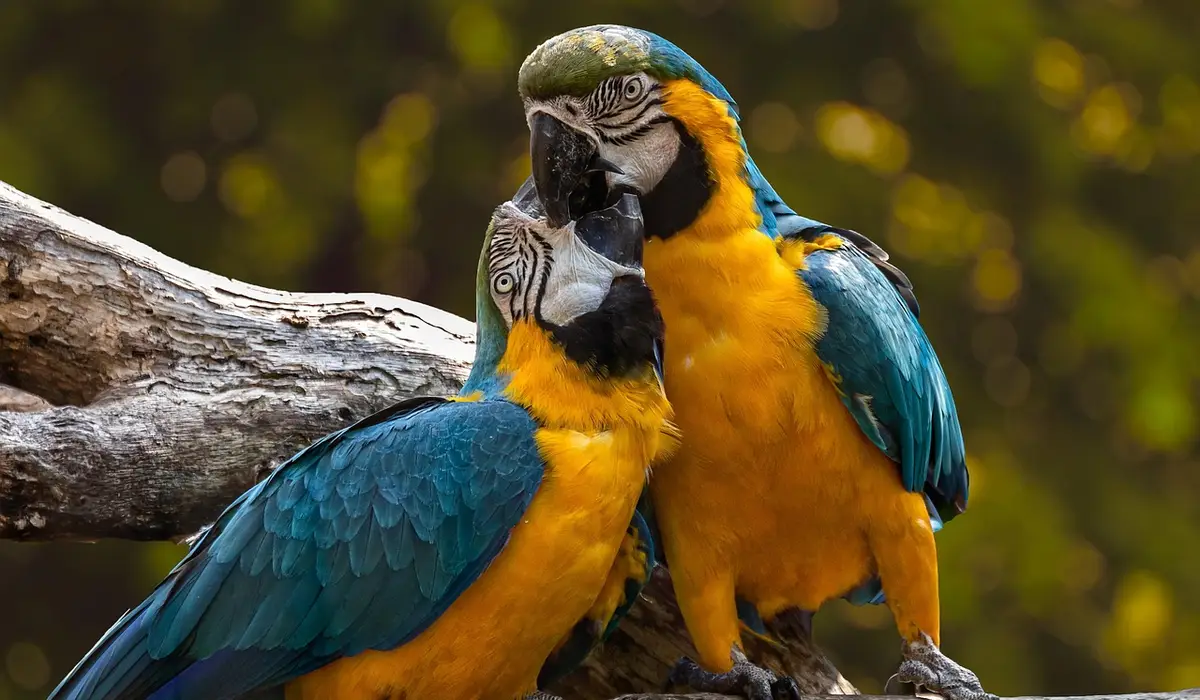
Managing your parrot’s mating behavior starts with simple, proactive steps. Watch for seasonal changes and adjust your routine to keep hormones in check. This is part of understanding hormonal season parrots survival guide. By anticipating seasonal cues, you can minimize stress and keep your bird’s health on track. I’ve seen my Green-cheeked Conure, Kiwi, get extra playful in spring, so I shift his schedule early.
- Identify triggers like longer daylight or certain toys that spark nesting instincts.
- Only offer a nest box if you’re ready for breeding-otherwise, it fuels unwanted urges.
- Increase out-of-cage time with supervised play to distract from mating focus.
- Rotate toys and perches weekly to reduce territorial claims over favorite spots.
Hormonal aggression can pop up fast. Look for biting, loud screaming, or guarding food bowls as clear red flags. My Sun Conure, Sunny, once nipped when I approached her cage during peak season.
- Biting or lunging at hands
- Feather plucking or restlessness
- Excessive vocalizing or food hoarding
To calm breeding urges, cut back on high-fat seeds and nuts. Swap in fresh veggies like kale and carrots to balance their diet naturally. I mix in chopped greens for Sage, my African Grey, and it helps her stay calm.
- Reduce daylight by covering the cage 12 hours daily
- Remove mirrors or cozy hideaways that mimic nests
- Avoid petting their backs or wings, which can stimulate mating
Preventing Unwanted Breeding
Discourage mating without stress by tweaking their environment. Keep their space bright and busy with foraging toys to shift focus away from reproduction. I use puzzle feeders for Kiwi, and it keeps his mind engaged.
- Rearrange cage setup frequently to disrupt nesting habits
- Limit warm, mushy foods that signal breeding season
- Provide plenty of flight and exercise opportunities
Always loop in an avian vet for reproductive health checks. They can spot early signs of egg-binding or nutritional gaps you might miss. My vet helped me monitor Sunny’s weight to prevent laying issues.
To Breed or Not to Breed: Ethical Decisions for Pet Parrots
Breeding parrots isn’t a simple choice—it ties into big ethical questions. Health risks like egg-binding or calcium depletion can turn deadly without expert care. This raises an ethics question: is it right to breed parrots when many need homes, or should adoption be prioritized for animal welfare? Choosing adoption or rescue can reduce demand for breeding and better protect parrots’ long-term welfare. I’ve cared for rescued birds who suffered from repeated laying, and it’s heartbreaking.
- Overpopulation floods shelters with unwanted parrots needing homes
- Genetic issues may pass to offspring without proper screening
- Time and cost demands often overwhelm unprepared owners
Breeding makes sense only if you have deep experience and a solid plan. Consider fostering or adopting to give a bird a second chance instead. Through local rescues, I’ve fostered parrots and found it more rewarding than breeding.
- Work with reputable breeders or sanctuaries for guidance
- Ensure you can home all chicks responsibly before starting
- Explore volunteering at rescues to learn hands-on care
Animal welfare should guide every decision. Put their long-term happiness above the thrill of baby birds. My flock, including Sage, thrives because I prioritize their well-being over breeding ambitions.
FAQs
Do parrots form pair bonds?
Yes, many parrot species develop strong pair bonds that facilitate cooperation in nesting and raising young. These bonds often involve shared activities like mutual preening and food regurgitation.
What factors affect parrot mating behavior?
Environmental triggers such as changes in daylight and food availability heavily influence mating behavior. In captivity, factors like stable temperatures and access to nesting sites can also stimulate breeding instincts.
How do female parrots contribute to mate choice?
Female parrots typically assess potential mates through behaviors like vocal duets and physical displays to evaluate fitness. They often reject or accept advances based on compatibility and the male’s ability to provide care.
What are common mating behaviors observed in parrots?
Common mating behaviors include elaborate courtship rituals such as head bobbing, wing spreading, and synchronized movements. These actions help strengthen pair bonds and signal readiness for copulation.
How do parrots lay eggs and incubate them?
Parrots lay eggs in a secure nest, usually one every other day until the clutch is complete. Both parents often take turns incubating the eggs to maintain optimal temperature until hatching. Parrots build or choose their nests, selecting hollow trees, cavities, or other secure sites that suit their species. This nesting choice helps protect eggs and chicks from predators.
In Closing
Ultimately, respecting your parrot’s monogamous nature means providing a stable companion—whether that’s you, another bird, or a dedicated flock of toys—and managing their environment to prevent hormonal stress. During a parrot’s breeding season, hormonal shifts can heighten mating cues and nesting instincts. By avoiding excessive petting and regulating light exposure, you can foster a healthy, happy bird without triggering problematic mating behaviors.
Remember, parrot care is a lifelong journey of learning and adaptation. Staying curious, observing your bird’s unique personality, and committing to their complex welfare ensures you build a truly enriching life together.
Further Reading & Sources
- How Do Parrots Mate? Vet-Approved Reproduction Explanation | Hepper Pet Resources
- Are Parrots Monogamous? (Answered!) – Parrot Website
- Do Parrots Mate For Life?
Suzanne Levine is a dedicated parrot enthusiast and experienced avian caregiver with over 15 years of hands-on experience in parrot care. As the founder of Parrot Care Central, Suzanne is passionate about sharing her knowledge and insights to help fellow parrot owners provide the best possible care for their feathered friends. Her expertise spans nutrition, behavior, health, and enrichment, making her a trusted resource in the parrot care community.
Mating Behavior