
How Parrots Build and Choose Their Nests
Have you ever wondered how parrots decide where to raise their young, especially when you see your own pet ignoring a nest box or wild birds picking risky spots? This question often sparks worry about their safety and well-being.
Drawing from years of caring for parrots like Kiwi, Sunny, and Sage, I’ll guide you through their fascinating nesting habits to ease your concerns. Key takeaways include:
- How parrots evaluate sites for security and comfort using instincts and experience
- The specific materials they collect and techniques for constructing durable nests
- Environmental and social factors that shape their final choices
You’ll gain straightforward advice to better understand and support these intelligent birds. Topics covered: nesting site selection, building materials, environmental influences, role of instincts, human impacts on parrot welfare
Understanding Parrot Nest Types and Materials
Common Nesting Materials Parrots Gather
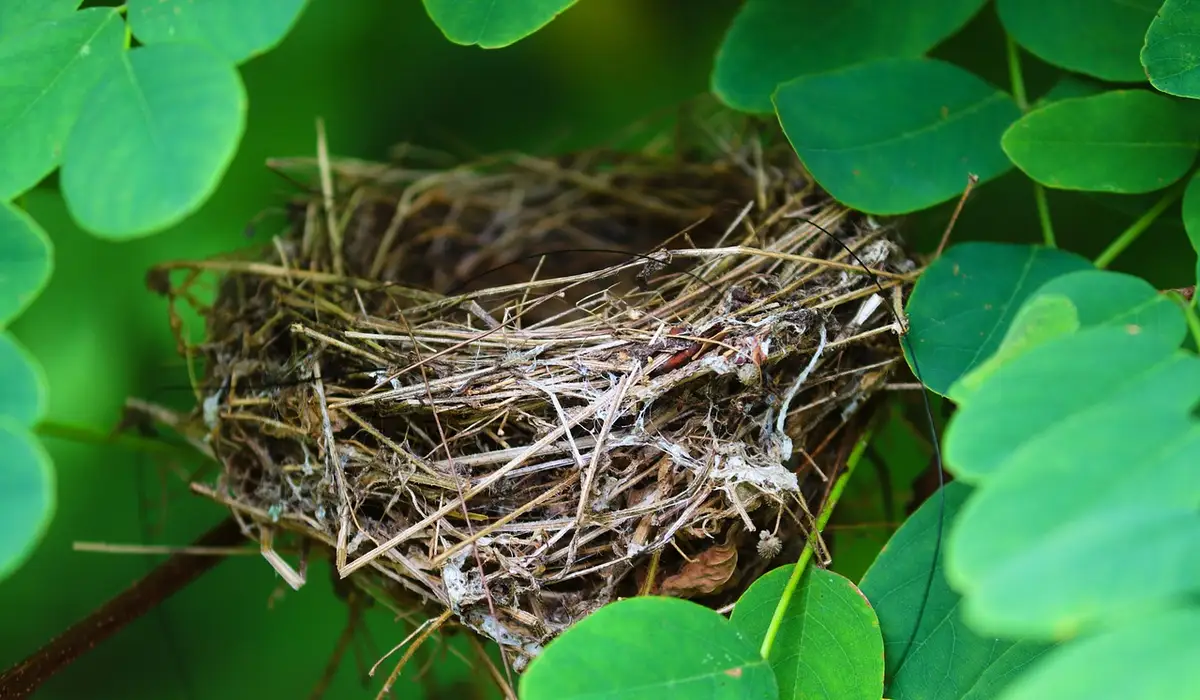
Parrots are masterful foragers, collecting a wide array of natural items to build their homes. They instinctively seek out twigs, leaves, bark strips, and small, manageable branches. The selection of these materials isn’t random; it’s a deliberate process honed by evolution for survival. Sturdier twigs create a solid structural framework, while softer leaves and shredded bark provide critical insulation to keep eggs and chicks warm.
Safety is a primary driver in their choices. Certain types of wood and leaves contain natural compounds that can deter pests like mites and other insects. My Green-cheeked Conure, Kiwi, demonstrates this innate behavior by meticulously shredding any paper she can find into perfect, fluffy strips, treating it just like the bark strips her wild cousins would use. Watching her work reminds me that even our pampered pets retain these deep-seated, wild instincts.
Varieties of Nests Parrots Construct
Parrots generally fall into two main construction camps: cavity nesters and open nest builders.
- Cavity Nesters: This is the most common style. Species like African Greys, Amazons, and many conures seek out hollows in trees or branches. These pre-formed structures offer incredible protection from predators and harsh weather.
- Open Nesters: Some species, like certain macaws, build more exposed platform nests of sticks high in tree canopies, relying on height and concealment for safety.
The difference between my conures and my African Grey, Sage, is a perfect example. My conures are active, busy builders, constantly rearranging materials. Sage, a classic cavity nester, shows little interest in construction, instead focusing all her intelligence on finding and securing the perfect, secluded spot to call her own. In captivity, providing the correct nest type is vital; a cavity nester forced into an open basket will feel exposed and stressed, which can directly lead to breeding failure or egg abandonment.
The Hunt for the Ideal Nest Site
Preferred Nesting Locations for Parrots
In the wild, a parrot’s real estate choices are a matter of life and death. They overwhelmingly favor secure, elevated locations. This is a reflection of wild parrot survival behavior: higher roosts and tree cavities help avoid predators and harsh weather. By selecting these safer options, parrots maximize their survival odds and reproductive success in the wild.
- Tree cavities are the gold standard, offering a fortified, weatherproof sanctuary.
- Hollow branches and, for some species like Quakers, dense, thorny thickets provide alternative security.
- Cliff faces are used by larger parrots, where the sheer rock face deters most ground predators.
Height is non-negotiable for safety, placing them out of reach from many predators and giving them a panoramic view of approaching danger. We must replicate this need in our homes. I always place sleeping huts and potential nesting areas in the highest, most secure corner of the cage, away from busy pathways and loud noises. This mimics the safety of a high tree hollow and helps our feathered friends feel truly secure.
How Parrots Pick Their Nesting Spots
The decision-making process for a nest site is complex and involves weighing several critical factors.
- Food Proximity: A reliable food and water source nearby is essential so parents don’t have to leave chicks unattended for long.
- Microclimate: Parrots seek spots that are dry, avoid direct wind, and maintain a stable temperature.
- Competition: They will often choose a location that is less ideal but has fewer competing parrots, as a peaceful home is better than a perfect one under constant threat.
Mating choices are deeply intertwined with this process. A female parrot will often judge a potential mate on his ability to find and defend a high-quality nesting site. I’ve seen this with my own flock; my African Grey, Sage, will completely ignore a new hut until she has spent days observing it from a distance, assessing its quietness and security before she even considers approaching it. Her choice is never rushed, and it’s always strategic.
Timing and Rhythm of Nesting Seasons
When Parrots Begin Nesting Activities
- Breeding season triggers depend heavily on species and their surroundings. For example, many parrots like my green-cheeked conure Kiwi start nesting as daylight lengthens in spring, while others respond to warmer temperatures or abundant food.
- You might notice your pet parrot showing clear signs, such as louder calls or restlessness. With Sunny, my sun conure, I see her become more social and begin chewing on toys or paper when nesting instincts kick in.
- Climate and daylight hours directly influence when parrots feel ready to nest. In captivity, artificial lighting can shift their timing, so I mimic natural light cycles to support their health and reduce stress.
Nest Building Duration and Reuse Habits
- Nest construction usually takes a few days to two weeks, depending on the parrot’s size and materials available. Smaller birds like Kiwi might finish in under a week, while larger species take longer.
- Many parrots reuse nests if they’re in good condition, adding fresh lining or making repairs. Sunny often returns to her nest box each season, but I always check for wear and clean it to prevent disease.
- From caring for parrots over multiple years, I’ve learned that reuse habits vary by individual. Sage, my African grey, prefers a clean start each time, teaching me to offer new options to respect her instincts.
The Step-by-Step Nest Construction Process
Stages of Building a Parrot Nest
- It starts with clearing a safe site, then gathering sticks and leaves for the base. Next, they shape the structure and line it with soft items like feathers or grass for comfort.
- Both parents often share tasks-one might collect materials while the other arranges them. In my flock, I’ve seen pairs work together, with males bringing supplies and females fine-tuning the interior.
- Parrots invest significant time daily, spending hours on construction until it’s just right. Kiwi, for instance, dedicates morning sessions to building, showing how routine-driven this process can be.
Size and Structure of Completed Nests
- Nest dimensions vary by parrot size; a small conure’s nest might be 6-8 inches wide, while a large macaw’s can exceed a foot. This ensures enough space for eggs and chicks without being too cramped.
- Design features include thick walls for insulation and small entrances to protect chicks from predators. I’ve noticed wild nests use natural cavities, but in captivity, nest boxes with proper ventilation mimic this safety.
- Comparing wild and captive nests highlights the importance of providing similar structures for pet parrots. Offering secure, sized-appropriate boxes helps reduce stress and supports natural behaviors in birds like Sunny.
Parental Care and Chick Rearing
Egg Laying and Incubation Practices
- Most parrots lay 2 to 6 eggs per clutch, with numbers varying by species and health. For instance, Sunny’s sun conure typically has 3-4 eggs, while larger parrots might have fewer.
- Incubation periods range from 18 to 30 days, and parents take turns sitting on the eggs to keep them warm. I’ve observed both Kiwi and her mate sharing this duty, with soft vocalizations strengthening their bond.
- Vocalizations and gentle interactions during incubation help parents communicate and care for the eggs. This phase is crucial for building trust, as I’ve seen with Sage’s calm, attentive behavior.
Raising Chicks from Hatch to Fledge
- Parents feed chicks through regurgitation, protect them from threats, and gradually teach skills like flying. This involves constant attention, with adults keeping chicks warm and safe in the nest.
- Parental care is vital for chick survival, as it ensures proper nutrition and defense against hazards. In the wild and captivity, this dedication reduces mortality rates and fosters strong family units.
- Hand-raising parrot chicks has taught me to mimic parental feeding and warmth for orphaned birds. With Kiwi’s chicks, I learned to use syringes for feeding and monitor their growth closely, emphasizing the need for gentle, informed care.
Protecting Nests from Threats and Dangers
Common Risks to Parrot Nests
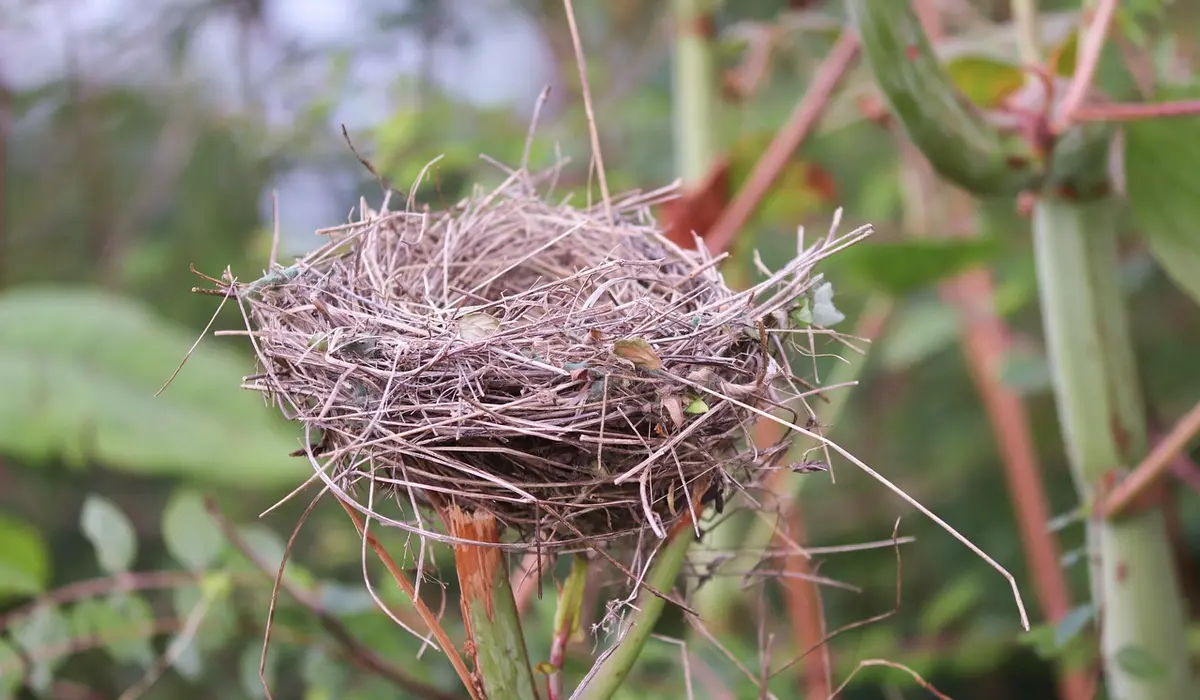
In the wild and at home, parrot nests face real dangers that require constant vigilance. Predators like snakes, raccoons, and even larger birds will actively hunt for eggs and chicks if given the chance. Predators and other threats can impact nesting success. Weather extremes, from torrential rain to scorching heat, can destroy nesting materials and threaten the health of the family inside. Human disruptions, whether from well-meaning pet owners checking too often or loud noises nearby, can cause parents to abandon their eggs entirely.
Parrots are incredibly smart about adapting to these threats. They often choose nesting sites in tall, hard-to-reach tree cavities or cliff faces specifically to evade ground-based predators. My Green-cheeked Conure, Kiwi, always tries to build her nest in the highest, most enclosed corner of her cage, a clear instinct to feel secure. They also use camouflage, weaving green leaves or bark that blends into the surroundings. It’s crucial for pet owners to be aware of what predators and pests are dangerous to pet parrots in order to provide a safe environment for their feathered friends.
For pet owners, nest safety is a top priority. Always place cages away from direct sunlight, drafts, and high-traffic areas in your home to minimize stress. Ensure the cage is secure from other household pets. Most importantly, resist the urge to constantly peek; your curiosity can be perceived as a major threat.
Nest Maintenance and Long-Term Safety
Parrots are not just builders; they are dedicated custodians of their homes. They perform daily housekeeping, removing soiled bedding, old eggshells, and food waste to keep the nest clean and prevent disease. I’ve watched my Sun Conure, Sunny, meticulously toss out tiny bits of debris every morning. They also constantly reinforce the structure, adding new twigs and shredding wood to patch up weak spots.
Minimizing competition and stress is crucial for long-term success. In a multi-bird household, provide multiple nesting options to prevent aggressive territorial disputes. Ensure each bird has ample space and resources so no one feels the need to fight for a prime nesting spot. A stressed parrot is an unhealthy parrot, and that stress directly impacts their ability to raise young.
Monitoring your parrot’s nesting activity requires a gentle touch. You can observe from a distance, noting the parents’ comings and goings as a sign of well-being. Avoid handling the eggs or chicks unless absolutely necessary for their health. A small, strategically placed camera can offer a window into their world without you being an intruder.
Supporting Nesting in Pet Parrots
Setting Up Nest Boxes and Safe Materials
Choosing the right nest box is your first step in supporting your parrot’s instincts. The box must be the correct size for your species—too small is cramped, too large feels insecure. For my smaller conures, I use vertical boxes about 12×12 inches, while for a larger bird like an African Grey, a much bigger, horizontal box is better. The entrance hole size is also critical; it should be just large enough for the bird to enter comfortably but not so big that it feels exposed. Beyond nesting, the parrot’s housing cage should also fit the bird’s size and species. Choose a cage with appropriate bar spacing and interior layout to support safe, natural behavior.
Providing safe, enriching materials encourages natural nesting behavior. I always offer:
- Untreated pine wood strips for shredding.
- Safe, non-toxic tree branches (like manzanita or applewood).
- Dried, chemical-free grasses or coconut fibers.
- Large, safe leaves for them to incorporate.
From my own experience setting up for Sunny, I learned that placement is everything. I mounted her nest box high up in a quiet corner of the room, which made her feel secure enough to start building within a day. She especially loved the pile of pine shavings and willow twigs I left nearby for her to choose from.
Encouraging Natural Behaviors in Captivity
Mimicking wild conditions helps satisfy your parrot’s deep-seated nesting drive. Try to simulate seasonal light changes and provide a varied diet that reflects what they might find in nature. Offering different types of materials lets them “shop” for the perfect twig or leaf, engaging their problem-solving skills and keeping them busy. These ideas are a core part of the ultimate guide foraging to enrich your parrot’s diet. By turning feeding into a mini-hunt, you boost nutrition and mental stimulation.
Knowing when to assist and when to step back is a skill every owner must learn. You can help by providing the raw materials, but you should never build the nest for them. The act of construction is a fundamental part of their behavioral health. Intervene only if you see clear signs of distress, injury, or if the nest becomes soiled and the parents are not cleaning it.
Above all, animal welfare must guide every decision. Responsible breeding practices mean never forcing a pair to breed and always ensuring you have the time, resources, and knowledge to care for potential chicks. The goal is to support their natural instincts in a safe, controlled environment, not to turn your home into a factory. Ethics also require weighing breeding choices against adoption opportunities to support animal welfare more broadly. Adoption can provide homes for parrots in need and reduce unnecessary breeding. The well-being of the parrots always comes first.
FAQs
Do parrots nest alone or in colonies?
Some parrot species nest solitarily, while others form colonies for added protection. This contrast helps explain what makes Quaker parrots’ nesting temperament unique. Quaker parrots often build large communal nests, but many other parrots prefer isolated sites to reduce competition.
What sounds or vocalizations are associated with nesting?
Parrots use soft, repetitive calls to communicate with mates during nest building and incubation. They may also produce alarm calls to warn of threats or gentle chirps to soothe chicks in the nest.
Do parrots reuse nests?
Many parrots will reuse nests from previous seasons if the structure remains secure and clean. They often add new lining or make minor repairs to ensure it is ready for another clutch of eggs.
Final Thoughts
From watching my playful Green-cheeked Conure Kiwi and social Sun Conure Sunny, I’ve learned that parrots thrive when we offer safe, varied nesting materials like natural wood and soft cloths. Observing their instincts helps you create a supportive environment that mirrors their wild habits. This naturally leads to the question: are parrots understanding conure species care?
Commit to lifelong learning about parrot care to ensure their happiness and health. Your dedication to understanding their unique needs builds a stronger, more joyful bond with your feathered friend. When you learn about caring for pin feathers, you’ll know how to support healthy molts and keep their plumage smooth and strong. Gentle handling during molts and safe grooming are important parts of that care.
Further Reading & Sources
- The Nest-building Behavior of the Adaptable Quaker Parakeet | Peggy’s Parrot Place
- How do parrots build their nest? – Quora
- Bird Talk Magazine, February 2000 Donald Brightsmith www.macawproject.org 1
Suzanne Levine is a dedicated parrot enthusiast and experienced avian caregiver with over 15 years of hands-on experience in parrot care. As the founder of Parrot Care Central, Suzanne is passionate about sharing her knowledge and insights to help fellow parrot owners provide the best possible care for their feathered friends. Her expertise spans nutrition, behavior, health, and enrichment, making her a trusted resource in the parrot care community.
Nesting