
Moving to a New Home with Your Parrot: A Step-by-Step Relocation Checklist
Published on: January 14, 2026 | Last Updated: January 14, 2026
Written By: Suzanne Levine
Moving to a new home is a big deal for you, but for your parrot, it can feel like their whole world is turning upside down, sparking worries about stress, safety, and how to keep them calm and secure.
I’ve been through this with my own flock-Kiwi, Sunny, and Sage-and I’m here to walk you through it with practical, parrot-tested advice that puts your bird’s welfare first. We’ll cover three key steps to make your move a success:
- Preparing your parrot weeks before the move to reduce anxiety
- Ensuring safe travel with the right supplies and routines
- Setting up a familiar space in your new home for a smooth transition
You’ll find clear, easy-to-follow steps that I’ve used myself to keep my parrots happy and healthy. The article dives into planning the move, packing essentials, travel day strategies, acclimating to the new home, and post-move care.
Start with a Vet Visit: Ensuring Your Parrot’s Health
Before any boxes get packed, your first stop should be an avian veterinarian. I always schedule a check-up for my parrots at least two weeks before moving day to catch any hidden health issues. This gives enough time for treatments if needed and avoids last-minute panic. During the visit, gentle handling and a calm routine help reduce stress for your parrot. Bring a familiar toy or perch to keep them comfortable on the exam table.
- Schedule a pre-move avian vet check-up for health clearance. My Green-cheeked Conure, Kiwi, once had a minor respiratory issue that would have worsened with travel stress. Catching it early made our cross-country trip smoother.
- Update vaccinations and gather health records for the move. Keep a folder with your parrot’s medical history, weight logs, and any prescriptions. Having these documents ready is non-negotiable for emergencies or new vet registrations.
- Discuss diet adjustments and stress-reduction tips with the vet. My vet suggested adding extra vitamin-rich veggies like chopped kale and bell peppers to my Sun Conure Sunny’s diet. She also recommended keeping their usual pellet brand consistent to avoid digestive upset.
Prep Your Parrot and Gear for the Big Move
Moving feels chaotic for birds, but prepping their belongings creates a safety net. Familiar items become anchors of comfort when everything else is changing around them. Start these preparations slowly, over several weeks, to build positive associations.
- Choose a secure travel carrier or crate and desensitize your parrot to it. I use a hard-sided carrier with perch grips inside. Leave it open near their cage with treats inside so they explore it willingly.
- Pack a travel kit with familiar perches, toys, and favorite foods like pellets and fresh fruits. Include a small water dispenser and a portion of their regular diet. My African Grey Sage loves her wooden puzzle toy-it keeps her busy and calm during transit.
- Practice short carrier sessions to build flight confidence and reduce anxiety. Begin with five-minute trips around your home, then gradually increase the time. Reward calm behavior with a piece of apple or millet spray to create happy memories linked to the carrier.
Moving Day Mastery: A Smooth Transition
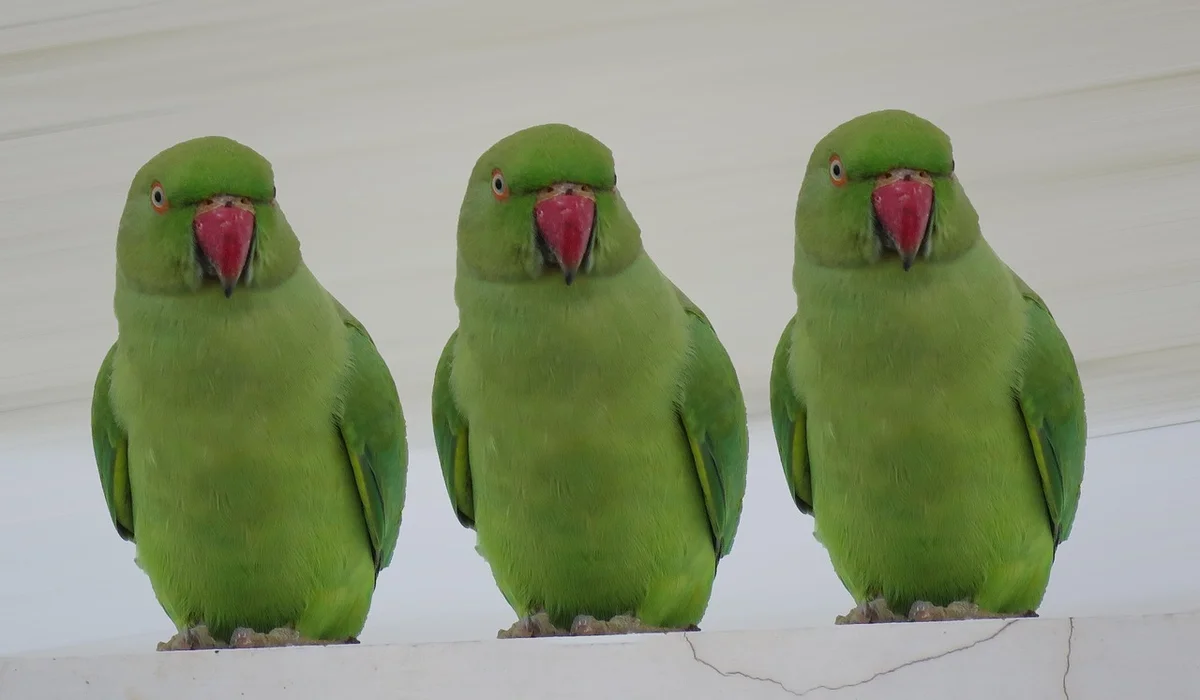
I always map out a moving day timeline that keeps feeding, play, and rest times as close to normal as possible for my birds. This predictable rhythm helps reduce their anxiety.
- Create a moving day timeline to keep your parrot’s routine stable.
- Secure the cage by removing loose items and ensure the carrier is ready for transport.
- Monitor your parrot’s diet and provide water during travel to prevent stress.
Before any movement happens, I take out all toys, dishes, and loose perches from the main cage. An uncluttered space prevents injuries during transport.
My green-cheek conure, Kiwi, travels in a small, secure carrier with a familiar perch and a water dish designed not to spill. I offer tiny bits of their favorite fruit to keep them hydrated and calm.
Setting Up the New Home for Your Feathered Friend
The very first thing I do at the new house is put my parrot’s cage back together in a low-traffic corner. This gives them an immediate safe zone away from the chaos. This is also the starting point of my building parrot safe bird room complete design guide, which outlines how to finish the room for safety and enrichment. With that guide in hand, you can plan a full, parrot-safe space from cage setup to ventilation and toys.
- Assemble the cage in a quiet, safe area to start acclimation.
- Place familiar toys and perches to create a comforting environment.
- Check for hazards like open windows or toxic plants to ensure parrot safety.
I put Sage’s well-chewed wooden block and his favorite rope perch right back in the cage setup. These familiar items smell like home and provide huge comfort.
I then do a full safety sweep of the room, checking for any small gaps behind furniture, exposed electrical cords, or toxic houseplants like lilies. This proactive check is non-negotiable for their welfare.
Helping Your Parrot Adjust and Thrive
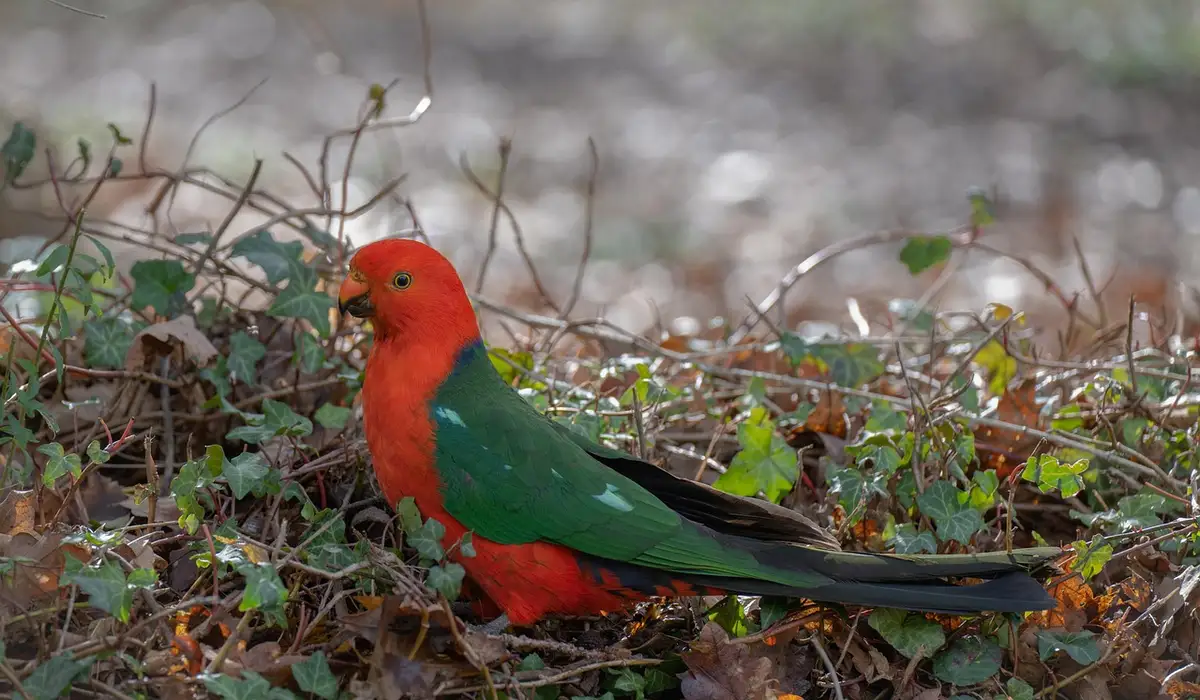
Give your feathered friend the gift of a slow, steady introduction to their new world. Rushing this process can backfire, creating lasting anxiety.
Quarantine and Gradual Space Exploration
I always start by setting up my parrot’s cage in a quiet, low-traffic room for the first few days. This acts as a safe “home base” while they process the new sounds and smells. Think of this initial period as a decompression zone, a critical step for their mental well-being. As you gradually reintroduce everyday sounds, your parrot learns to manage household noise rather than be overwhelmed, which helps reduce stress for both of you.
- Keep their main cage in one room for at least 3-5 days before allowing exploration.
- Open the cage door but let them decide when to venture out.
- Place a portable play gym just outside the cage to bridge the gap between safety and adventure.
- Supervise all out-of-cage time initially to prevent panic flights into unfamiliar windows or walls.
Enrichment and Consistent Routines
Parrots are intelligent creatures of habit, and a predictable routine is a powerful comfort. Sticking to their old schedule for meals, bedtime, and morning greetings provides a reassuring anchor in the sea of change. My African Grey, Sage, visibly relaxes when I maintain his 7 PM sharp “night-night” time, no matter what city we’re in. Scientists studying avian sleep note that parrots have REM sleep and rest phases that influence their mood and alertness. A steady bedtime routine helps synchronize these cycles, potentially reducing night frights and promoting calmer rest.
Enrichment is your secret weapon against relocation stress.
- Fill foraging toys with their favorite healthy treats to keep minds busy and engaged.
- Rotate destructible toys, like cardboard or softwood, to channel any nervous energy positively.
- Keep music or the television on a low volume when you leave the room to prevent startling silence.
Observing Behavior and Building Trust
Your parrot will communicate their stress through subtle and not-so-subtle body language. Watch closely for changes in feather position, eye pinning, vocalizations, and appetite—these are all vital clues to their emotional state. To tell if your parrot is happy, look for these 10 key signs.
Spend calm, quiet time near their cage just reading or talking softly. This non-threatening presence builds immense trust. Offer high-value treats from your hand and be patient if they refuse at first. Rebuilding a sense of security takes time, but your consistent, gentle attention is the fastest path there.
Quick Fixes for Common Relocation Hurdles
Expect a few bumps in the road—it’s a completely normal part of the moving process for parrots. The key is to respond with patience, not punishment. If bites are a problem, a step-by-step training guide can show you how to stop your parrot from biting. It breaks the process into simple, repeatable steps you can practice calmly each day.
Addressing Grumpiness and Nipping
You might notice your normally sweet bird becomes irritable or starts testing boundaries with a gentle peck. This grumpiness is often a cry for reassurance, not a true behavior problem. Reacting with anger will only break trust.
- Use positive reinforcement: reward calm, gentle behavior with a tiny piece of walnut or pine nut.
- If they nip, simply put them down calmly and ignore them for a minute. This teaches that nipping makes the fun stop.
- Ensure they are getting 10-12 hours of uninterrupted sleep, as fatigue is a major trigger for grumpiness.
When I moved last year, my conure Kiwi became uncharacteristically nippy. I realized he wasn’t being “bad”-he was scared and needed extra, focused playtime to feel secure again. After a week of dedicated sessions with his favorite foot toy, his sweet personality returned.
Rebuilding Flight Confidence
A new environment can make even an expert flier clumsy and fearful. High ceilings and unfamiliar furniture layouts disrupt their mental map.
Start by encouraging very short, supervised flights between two trusted perches you’ve placed close together. Make the landing spot incredibly rewarding with a favorite treat waiting every time.
- Close blinds or curtains on large windows until their navigation confidence returns.
- Avoid wearing bulky, loose clothing that can startle them mid-flight.
- Practice recall training in the new space to strengthen your bond and their sense of safety with you as their guide.
FAQs
What type of carrier is best for moving a parrot?
Opt for a secure, hard-sided carrier with internal perch grips to prevent slipping and injury. Avoid soft or wire cages, as they may not provide adequate protection during travel.
How long should I wait before letting my parrot out of the cage in the new home?
Allow at least 3-5 days for your parrot to settle in before encouraging out-of-cage time. Always supervise these initial sessions to prevent accidents and build confidence gradually. In the baby parrot care complete guide, the first 90 days cover feeding, gentle handling, and safe bonding. These early steps lay the foundation for healthy development in the bird’s first months.
What are signs that my parrot is not adjusting well to the new home?
Watch for decreased appetite, excessive feather plucking, or unusual silence, which can signal stress. If your parrot has stopped talking or shows changes in vocalizations, that can indicate a health or environment issue. If these behaviors persist, consult an avian vet for guidance and support.
Final Words
Moving with your parrot is a big deal, and taking it slow is your best strategy. Focus on keeping their routine familiar, their travel space secure, and their new room a calm sanctuary to explore at their own pace. A little extra patience during this transition makes a world of difference for their comfort and trust. For a practical start on the first day, follow our step-by-step survival guide for your new parrot’s first day home. It walks you through the essential steps to keep them safe, relaxed, and adjusting smoothly.
Your commitment to a smooth move shows incredible care for your feathered friend. Great parrot guardianship is a lifelong journey of learning and adapting to your bird’s unique needs and personality. Build trust with your parrot through bonding techniques that work—short, positive sessions and consistent routines. Keep asking questions, stay curious, and always advocate for their well-being in every chapter of your lives together.
Further Reading & Sources
- How to Safely Relocate with Your Pet Bird in 5 Easy Steps
- How to Make Moving Homes Easier on Your Pet Bird
- Helpful tips for moving with parrot –
Suzanne Levine is a dedicated parrot enthusiast and experienced avian caregiver with over 15 years of hands-on experience in parrot care. As the founder of Parrot Care Central, Suzanne is passionate about sharing her knowledge and insights to help fellow parrot owners provide the best possible care for their feathered friends. Her expertise spans nutrition, behavior, health, and enrichment, making her a trusted resource in the parrot care community.
Travelling with Parrots