
How to Trim Your Parrot’s Nails Safely at Home
Published on: January 28, 2026 | Last Updated: January 28, 2026
Written By: Suzanne Levine
Worried about accidentally hurting your feathered friend during a nail trim? You’re not alone. That tiny, wiggly foot can feel incredibly fragile in your hands, and the thought of causing pain is enough to make any parrot parent hesitate.
I’ve been there with my own flock-Kiwi the conure, Sunny the sun conure, and Sage the African Grey. I’ll help you understand the process so you can feel confident and keep your bird comfortable.
You’ll learn the three most important things for a safe trim:
- Identifying the quick to avoid bleeding and pain.
- Choosing the right tools for a clean, stress-free cut.
- Mastering the proper restraint to keep everyone calm.
By the end of this guide, you’ll have clear, step-by-step advice you can trust. We’ll cover everything from start to finish.
Topics Covered: Essential Tools, Identifying the Quick, Proper Restraint Techniques, Step-by-Step Trimming Process, What to Do If You Cut the Quick, Aftercare and Rewards
Why Regular Parrot Nail Trimming Matters
Let me tell you about my Green-cheeked Conure, Kiwi. When his nails got too long, he started having trouble gripping his favorite perches. Overgrown nails can make perching uncomfortable and even painful for your parrot, affecting their balance and daily activities. I noticed he was less playful and more hesitant to climb, which was my cue something was wrong.
Beyond comfort, there’s a real safety concern. Long nails are more likely to get caught in cage bars, toys, or even your clothing, which can lead to a serious injury or a broken toe. I’ve had a close call with my Sun Conure, Sunny, whose nail snagged on a fuzzy blanket. It was a stressful moment that could have been avoided with more consistent trims.
It’s also about your well-being. Sharp, needle-like nails can make handling your bird a painful experience for you, potentially damaging the trust and bond you’ve worked so hard to build. A simple, regular trim keeps everyone-you and your feathered friend-happier and safer.
Essential Tools for At-Home Parrot Nail Care
Getting the right gear is half the battle. Having the proper tools on hand makes the process smoother and significantly safer for your parrot. The right tools don’t just make the job easier; they help ensure a calm, positive experience for your bird. I learned this the hard way early on, trying to improvise and causing unnecessary stress for my African Grey, Sage.
Selecting the Right Parrot Nail Clipper
Not all clippers are created equal. Using the wrong type can crush the nail or cause splintering.
- Small Scissor-Style Clippers: My personal favorite for smaller parrots like conures and cockatiels. They offer great control for a precise cut. I use these on Kiwi and Sunny.
- Guillotine-Style Clippers: These work well for medium-sized birds, but you must be very confident. The blade needs to be razor-sharp for a clean cut.
- Human Nail Clippers: I don’t recommend these. They are designed for flat human nails and can easily split a parrot’s rounded nail.
Whichever style you choose, the blades must be sharp. A dull clipper will crush the nail rather than cutting it cleanly. This is painful for the bird and can make them fearful of future trims.
Alternative Trimming Tools and Their Uses
Sometimes, clippers aren’t the only answer. For birds who are particularly nervous or for simple maintenance between trims, consider these options. Different types of parrot perches have specific uses. Wooden perches promote foot health, while textured or rope perches aid in beak and nail wear and provide enrichment.
- Emery Boards or Nail Files: Perfect for gently filing down sharp points. This is a fantastic, low-stress way to maintain nails. I often use a file to smooth Kiwi’s nails after a clip.
- Dremel Tool with a Sanding Drum: This is for the experienced owner. It quickly files the nail down but can generate heat and vibration that frightens some birds. Always use the lowest speed setting.
- Concrete or Sandy Perches: These are not a replacement for trimming, but they help naturally file nails down as your parrot moves around. Place them higher in the cage where your bird perches most often, but never as the only perch, as they can be abrasive on foot pads.
Having a styptic powder or cornstarch on hand is non-negotiable. It stops bleeding instantly if you accidentally cut into the quick. I keep mine in a small dish right next to the clippers, so it’s always within reach.
Preparing for a Stress-Free Nail Trimming Session
Calm Handling and Restraint Safety
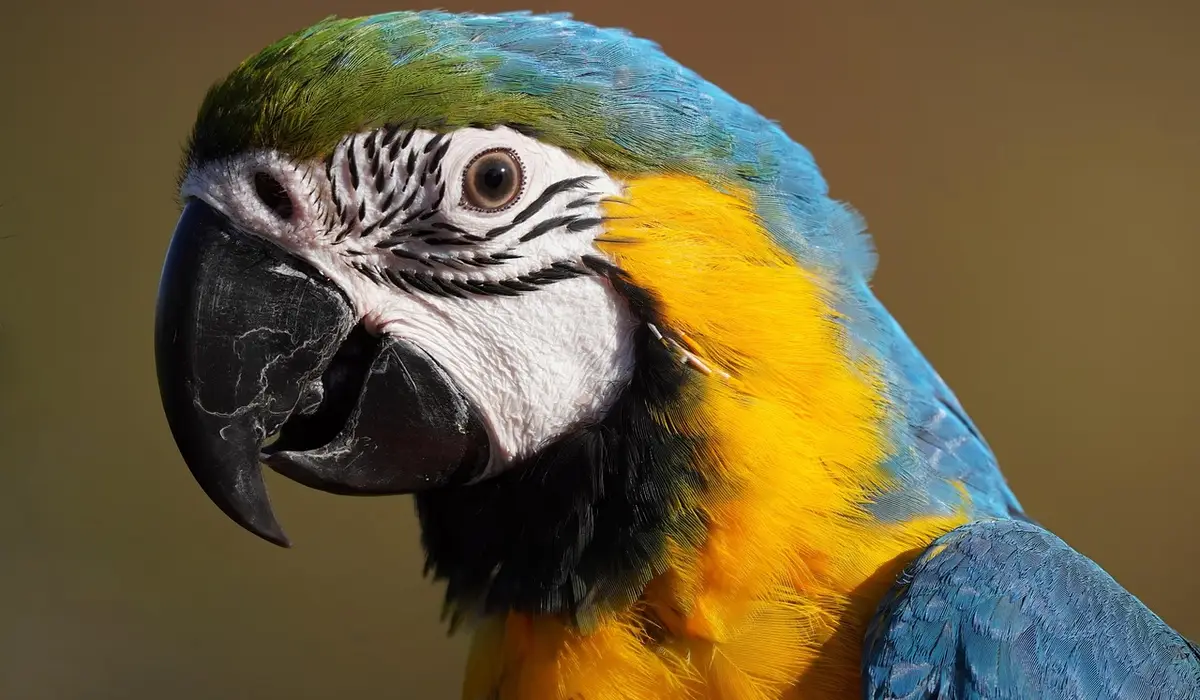
Start by creating a peaceful environment to keep your parrot relaxed. I always dim the lights and play soft music when handling Kiwi, my Green-cheeked Conure, to mimic a calm setting he enjoys. Keeping noise low and using predictable sound patterns can help your parrot manage household noise and reduce stress. This gentle routine makes him feel secure when crowds or loud TVs start up. Use a gentle but firm grip, supporting their body fully to prevent squirming or injury.
Hold your parrot with one hand cupping their chest and the other securing their feet. This method prevents sudden movements and builds trust over time, as I’ve seen with Sunny, who used to flap wildly but now stays still. These bonding techniques that work rely on gentle handling and consistent, patient practice. With regular, positive bonding time, your parrot will become calmer and more cooperative. Never squeeze or restrain too tightly—parrots are delicate, and animal welfare comes first.
- Sit in a quiet room free from distractions like other pets or loud noises.
- Practice short handling sessions days before trimming to desensitize your bird.
- Use a towel for nervous parrots, wrapping loosely to expose only the feet.
Pre-Trimming Inspection and Quick Awareness
Examine each nail under good lighting to spot the quick, the pinkish vein inside. Missing this can cause pain and bleeding, so I double-check Sage’s nails, noting how her grey claws make the quick easier to see. Look for overgrowth, cracks, or discoloration that might need a vet’s attention.
Gently press on the nail to gauge where the quick ends. This quick test helps avoid accidents, and with practice, you’ll recognize the safe cutting zone without guessing. If the quick is long, trim smaller bits over multiple sessions to encourage it to recede.
- Use a magnifying glass if needed for smaller parrots like conures.
- Note any swelling or redness-signs of infection that require professional care.
- Keep styptic powder handy in case you nick the quick for immediate clotting.
Step-by-Step Guide to Trimming Your Parrot’s Nails
Cutting Nail Ends Carefully
Position your parrot securely and use sharp, bird-specific clippers. I angle the clippers perpendicular to the nail and snip just the curved tip, avoiding the quick entirely. Cut in small increments, especially for darker nails where the quick is harder to see. Regular grooming also includes checking the beak and feathers for wear or damage, so nail care is part of a complete parrot nail, beak, and feather care routine.
Work on one foot at a time, praising your bird softly. Taking breaks between nails reduces stress, a trick I learned with Sunny, who gets fidgety after a few clips. If your parrot struggles, stop and try again later to keep the experience positive. This is also how you can approach towel-safe handling: introduce a light towel gradually, pairing it with treats and praise to keep handling stress-free. Keep sessions short and calm, so your parrot learns to accept towel-assisted handling safely.
- Secure your parrot in a comfortable hold, exposing one foot.
- Identify the clear or white part of the nail beyond the quick.
- Make a quick, clean cut, and move to the next nail without rushing.
Post-Trim Health Check and Rewards
After trimming, inspect each nail for any bleeding or rough edges. Gently file sharp spots with an emery board to prevent scratches, something I do for Kiwi since he loves to climb on my shoulders. Watch for signs of discomfort, like limping or excessive pecking at feet.
Reward your parrot immediately with a favorite treat or affection. Positive reinforcement makes future trims easier, and Sage now associates nail care with yummy nut pieces. This builds a bond and ensures your bird feels safe and cared for. In positive reinforcement training for parrots, you pair cues with rewards to encourage cooperative behavior. With consistent practice, you can apply this approach to many daily activities.
- Offer a small piece of fruit or a seed as a post-trim treat.
- Spend a few minutes cuddling or playing to end on a high note.
- Monitor for any behavioral changes over the next day to catch issues early.
Handling Emergencies: If You Cut the Quick
Accidentally nicking the quick-the blood vessel inside the nail-can happen to anyone, even experienced owners like me. The sight of blood can be startling, but staying calm is your superpower here. Your parrot will pick up on your energy, so take a deep breath and focus on helping your feathered friend.
I remember the first time this happened with my Green-cheeked Conure, Kiwi; my heart raced, but quick action made all the difference. Always have a styptic powder or cornstarch on hand before you start trimming for instant clotting. Gently apply pressure with the powder to the tip of the nail until the bleeding stops, which usually takes under a minute.
- Comfort your parrot with a soft, reassuring voice and offer a favorite treat to reduce stress.
- Keep an eye on the nail for any signs of infection, like swelling or redness, over the next few days.
- Limit handling temporarily to let your bird recover its trust and composure.
After such an incident, give yourself grace-it’s a learning moment. Use this experience to refine your technique, perhaps trimming less off each nail to avoid repeats. Over time, you’ll build confidence and minimize risks, making future trims smoother for both of you.
When to Seek Professional Help for Nail Trimming
There are times when DIY trimming isn’t the best choice, and recognizing this shows responsible ownership. If bleeding persists for more than a few minutes despite your efforts, contact an avian vet immediately to prevent complications. Delaying could lead to excessive blood loss or stress-related issues in your bird.
From my own flock, I’ve learned that some parrots, like my African Grey Sage, can be particularly sensitive or uncooperative. Seek help if your parrot shows extreme fear, aggression, or has health conditions that make restraint risky. A professional can handle the situation safely, reducing trauma for your pet. You can take the same approach at home by practicing calm, gentle handling. This helps make vet visits less stressful for your parrot.
- If nails are severely overgrown or deformed, a vet can assess and trim them without injury.
- For birds new to your home or those with a history of nail-related injuries, opt for expert care initially.
- Consider scheduling regular vet trims if you lack the tools or confidence, ensuring consistent nail health.
Ultimately, putting your parrot’s well-being first might mean handing over the clippers to a pro. Regular check-ups can include nail care, making it a seamless part of your bird’s health routine. This approach fosters a trusting bond and keeps those precious feet in top shape. For a quick reference, our complete guide covers the most common parrot health concerns. It highlights symptoms, prevention tips, and when to seek professional care.
Maintaining Healthy Nails Between Trims
You can make nail trims less frequent and less stressful by encouraging natural wear. My Green-cheeked Conure, Kiwi, barely needs trims because his perches do most of the work for him. This approach keeps your bird comfortable and reduces the anxiety of handling.
Offer a Variety of Natural Perches
Not all perches are created equal. Smooth, uniform dowels are comfortable but do nothing for nail health.
- Concrete or Sandy Perches: These act like a natural nail file. Place one higher up in the cage where your parrot spends most of its time.
- Natural Wood Branches: The varied textures and diameters of manzanita, dragonwood, or grapevine perches gently file nails down as your bird moves around.
- Rope Perches: The fibrous texture provides a mild abrasive surface that helps maintain nail length between more significant trims.
Rotating different perch types and textures is the secret to mimicking the wear they’d get in the wild. I have a concrete perch near Kiwi’s favorite food dish and a chunky manzanita branch for his main climbing spot.
Support Nail Health Through Diet
What your parrot eats directly impacts the strength and growth rate of its nails.
- Calcium-Rich Foods: Offer cuttlebone, calcium blocks, and dark leafy greens. My Sun Conure, Sunny, gets a sprinkle of crushed eggshell on her veggies for an extra boost.
- Balanced Pellet Diet: A high-quality pellet forms a nutritional foundation that supports healthy keratin production for strong nails and beak.
- Limit Fatty Seeds: While tasty, a seed-heavy diet can lead to nutritional deficiencies that might affect nail quality. Seeds are a treat, not a staple.
A bird with a nutrient-rich diet will grow stronger, more resilient nails that are less prone to splitting or cracking. My African Grey, Sage, has impeccable nails thanks to his varied diet of pellets, fresh chop, and healthy nuts.
Encourage Active Foraging and Play
A busy parrot is a parrot with naturally filed nails. Encourage movement and manipulation of toys.
- Foraging Toys: Hide treats inside puzzle toys or wrapped in paper. Your parrot will claw and scratch at the materials, naturally wearing down its nails.
- Textured Play Gyms: Set up a play area outside the cage with sandpaper covers, rough wood blocks, and lava stone attachments.
- Supervised Out-of-Cage Time: Let your bird climb on safe, textured surfaces around your home, like a brick hearth or a clean, untreated wooden ladder.
Mental and physical stimulation is a win-win; it prevents boredom and keeps those nails in check. I see a noticeable difference in Kiwi’s nail length after a week where he’s had lots of new foraging challenges.
FAQs
How often should I trim my parrot’s nails?
Trim your parrot’s nails every 4-6 weeks, but this can vary based on activity level and perch types. Watch for signs like difficulty perching or snagging on surfaces to gauge when it’s needed. For a complete, safe-care approach, refer to the ‘clean your parrot and its environment safely’ complete guide.
What if my parrot is too aggressive or fearful for nail trimming?
Start with short, positive handling sessions and use treats to build trust over time. If aggression persists, consult an avian vet or professional groomer to avoid stress and injury.
Can I trim my parrot’s nails while it’s sleeping or resting?
No, this can startle your bird and lead to a negative association with handling. Always perform trims when your parrot is awake and calm to ensure a safe, cooperative experience.
Final Words
Trimming your parrot’s nails safely hinges on using bird-specific clippers, handling them gently to avoid stress, and stopping before hitting the quick. Keep styptic powder on hand to manage any bleeding-it’s a lifesaver, as I’ve learned with Kiwi’s playful antics. Make each session positive with treats and calm reassurances to build trust over time. Remember, it’s also crucial to handle wing trimming with care whenever you’re working on your bird.
Caring for a parrot means embracing lifelong learning and adapting to their needs as they grow. Stay informed through reliable sources and connect with other bird owners to share tips and experiences. My journey with Sunny and Sage reminds me that responsible ownership enriches both our lives and ensures their well-being.
Further Reading & Sources
- How To Trim Your Parrot’s Nails | ThinkParrot
- r/parrots on Reddit: How do I cut my bird’s nail
- What You Need To Know To Give Your Bird A Perfect Nail Trim
Suzanne Levine is a dedicated parrot enthusiast and experienced avian caregiver with over 15 years of hands-on experience in parrot care. As the founder of Parrot Care Central, Suzanne is passionate about sharing her knowledge and insights to help fellow parrot owners provide the best possible care for their feathered friends. Her expertise spans nutrition, behavior, health, and enrichment, making her a trusted resource in the parrot care community.
Nail Trimming