Parrot Vocalization Myths: Uncovering the Truth in Bird Communication
Published on: February 27, 2026 | Last Updated: February 27, 2026
Written By: Suzanne Levine
Have you ever worried that your parrot’s constant noise means they’re unhappy or trying to annoy you? Many bird owners feel this way, but it’s often based on misunderstandings.
I’ve spent years with parrots like Kiwi, my curious Green-cheeked Conure, and I’m here to help you see the real story behind their sounds. You’ll gain clarity on three key points:
- Parrot vocalizations are rich with emotional meaning, not just random noise.
- Common myths can lead to misreading your bird’s needs and feelings.
- Simple changes in how you listen can strengthen your bond and support their welfare.
Get ready for straightforward guidance that makes sense. This article explores: vocalization myths, scientific facts, personal experiences, practical interpretation tips.
The Real Story Behind Parrot Noises
Parrot vocalizations are not just random noise—they are a rich language full of meaning and emotion. From my years caring for parrots like Kiwi, Sunny, and Sage, I have learned that each sound tells a story about their mood, needs, and environment. To teach your parrot to talk, start by pairing a word with the triggering situation. This helps you cue what the sound really means. When Kiwi, my Green-cheeked Conure, lets out a series of rapid chirps, it is his way of saying, “I am curious and ready to play!” This is not mere background sound; it is active communication that helps us bond.
Birds use vocalizations to express everything from joy to fear. Sunny, my Sun Conure, fills the room with loud, melodic calls when she feels social and wants attention, a sign of her affectionate nature. In contrast, Sage, my African Grey, uses softer, more deliberate sounds to show he is calm and thoughtful, often mimicking words he has learned to engage with me. Understanding these nuances can transform how you interact with your feathered friend.
Common Parrot Sounds and Their Meanings
- Chirps and Whistles: Often indicate happiness or curiosity. Kiwi makes these when exploring new toys.
- Squawks and Screeches: Can signal excitement, alarm, or a call for interaction. Sunny uses these to greet me when I come home.
- Mimicked Words or Phrases: Show intelligence and a desire to communicate. Sage repeats phrases to ask for food or companionship.
- Soft Murmurs or Purrs: Usually mean contentment or relaxation, common when parrots feel safe and loved.
Recognizing these sounds helps you respond appropriately to your parrot’s needs. I have seen how paying attention to vocal cues reduces stress and strengthens the bond between bird and owner, promoting better animal welfare. For instance, when Sage starts low chattering, I know he is processing his surroundings and does not want to be disturbed—a small insight that makes a big difference in his comfort. Understanding the specific meaning behind these sounds can be invaluable, and you can find more information about this on Parrot Care Central.
Myth vs Reality: What Your Parrot’s Sounds Actually Mean
Many misconceptions surround parrot vocalizations, leading to misunderstandings in care. These misperceptions also spill over into cage myths; eight common cage misconceptions can compromise safety and comfort. Let me clear up some common myths using facts from research and my own experiences with Kiwi, Sunny, and Sage. Debunking these false beliefs is key to providing a happier, healthier life for your parrot.
| Myth | Reality |
|---|---|
| Parrots scream because they are angry or misbehaving. | Loud screams often express excitement, fear, or a need for attention. Sunny’s high-pitched calls are her way of joining family activities, not acting out. |
| Mimicking human speech means parrots understand every word. | Parrots like Sage mimic sounds to bond and communicate, but they associate words with context, not deep meaning. He says “hello” when I enter the room to connect, not because he grasps language fully. |
| Quiet parrots are always happy and content. | Silence can indicate illness, stress, or boredom. I learned this when Kiwi stayed unusually quiet and needed a vet check-it was a sign of discomfort, not peace. |
| All parrots make the same sounds, so one size fits all in interpretation. | Each species and individual has unique vocal patterns. Kiwi’s playful noises differ from Sage’s thoughtful tones, requiring personalized attention to understand their specific messages. |
By focusing on the reality behind these sounds, you can avoid common pitfalls in parrot care. I have found that observing your bird’s body language alongside vocalizations gives a complete picture of their well-being. For example, when Sunny fluffs her feathers while chirping, it is a sign of pure joy, but if she does it with pinned eyes, it might mean she feels threatened. To address behavioral issues, weave routine training into daily interactions. Short, positive reinforcement sessions help your parrot learn expected behaviors and reduce unwanted ones. This approach supports animal welfare by ensuring you meet their emotional and physical needs accurately.
Steps to Decode Your Parrot’s Vocalizations
- Observe the context: Note what is happening around your parrot when they make a sound, like during playtime or feeding.
- Watch for body language cues: Combine sounds with gestures, such as head bobbing or wing flapping, to interpret meaning.
- Respond consistently: Reinforce positive sounds with attention or treats to encourage healthy communication.
- Keep a journal: Track patterns in vocalizations to identify what different sounds mean for your specific bird.
Applying these steps has helped me build trust with my parrots. Over time, you will start to notice subtle differences, like how Kiwi’s excited squawks have a higher pitch than his alarm calls, allowing you to react with care and empathy. These observations are part of bonding techniques that work. Consistent, patient practice builds trust between you and your parrot. This not only deepens your relationship but also advocates for their welfare by preventing misunderstandings that could lead to stress or neglect.
Why Parrots Imitate Human Speech
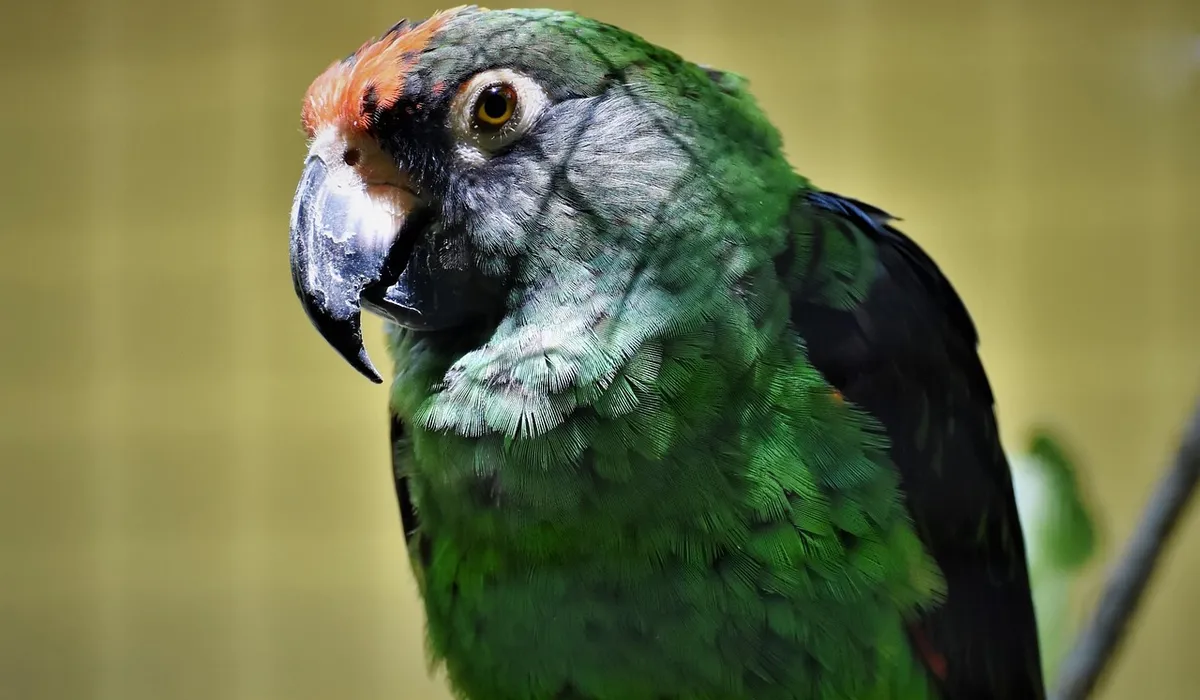
Many people think parrots mimic us just for fun, but the reality is far more meaningful. Parrots imitate human speech primarily as a way to bond and integrate into their social flock, which in a home environment, is you and your family. My Green-cheeked Conure, Kiwi, started copying my laugh not because he found my jokes funny, but because he saw it as a shared activity that strengthened our connection.
In the wild, vocalizations are key for social cohesion and identifying group members. Your home is their new jungle.
- Social Bonding: They mimic to feel like part of your “flock.” When my Sun Conure, Sunny, says “good morning,” it’s his way of checking in with the family.
- Attention Seeking: They quickly learn that certain sounds, like “hello” or their name, get a big, rewarding reaction from you.
- Environmental Enrichment: For a highly intelligent creature like my African Grey, Sage, learning new words is a stimulating mental workout, preventing boredom.
How Environment Shapes Your Parrot’s Vocabulary
Your parrot isn’t just picking up words randomly; their entire world dictates what they learn and how they communicate. The sounds that fill your home daily become the building blocks of your bird’s personal dictionary. I noticed Sage began perfectly imitating my microwave beep because he heard it multiple times a day—it was a consistent, predictable part of his soundscape. That’s why mindful sound management matters: shaping what your parrot hears can help him handle household noise and stay calm. A calmer, more predictable soundscape often reduces stress for both of you.
A chaotic or quiet home creates very different talkers.
- Routine and Repetition: Words and phrases you use frequently, like “step up” or “time for bed,” are the most likely to be learned. Consistency is your best teacher.
- Emotional Tone: Parrots are brilliant at associating words with feelings. They might learn “It’s okay” said in a soothing voice during a thunderstorm, using it later to self-soothe.
- Auditory Diet: Is the TV always on? Do you play music? Your bird absorbs it all. Kiwi once sang a commercial jingle for weeks because it was constantly in the background.
To actively shape a positive vocabulary, focus on the sounds you *want* them to learn.
- Speak to them directly and clearly, especially during bonding activities like head scratches or mealtimes.
- Reward attempted sounds with praise or a small treat, even if the pronunciation isn’t perfect.
- Keep their environment engaging but not overwhelmingly noisy to prevent stress-induced screaming.
Species Differences in Bird Communication
Parrots don’t all “talk” the same way-each species has its own vocal style and body language quirks. I’ve seen this firsthand with my own flock: Kiwi, my Green-cheeked Conure, chirps playfully when curious, while Sage, my African Grey, uses deliberate, complex sounds that show off his intelligence. Their communication isn’t just about noise; it’s shaped by their natural instincts and social needs.
Here’s a quick look at how species vary in their vocal habits:
- Smaller parrots like Green-cheeked Conures often use high-pitched calls for excitement or alarm, which I notice with Kiwi during playtime.
- Medium-sized birds such as Sun Conures tend to be louder and more social-Sunny’s affectionate squawks can fill a room when he wants attention.
- Larger parrots like African Greys excel at mimicry and problem-solving; Sage’s calm demeanor means he “speaks” only when he has something meaningful to share.
Body language adds another layer to this. For instance, Kiwi bobs his head when he’s exploring, but Sage might fluff his feathers to signal relaxation-learning these cues prevents misunderstandings and supports their well-being. Recognizing these differences helps you respond better to what your bird is really saying.
Improving Cross-Species Communication
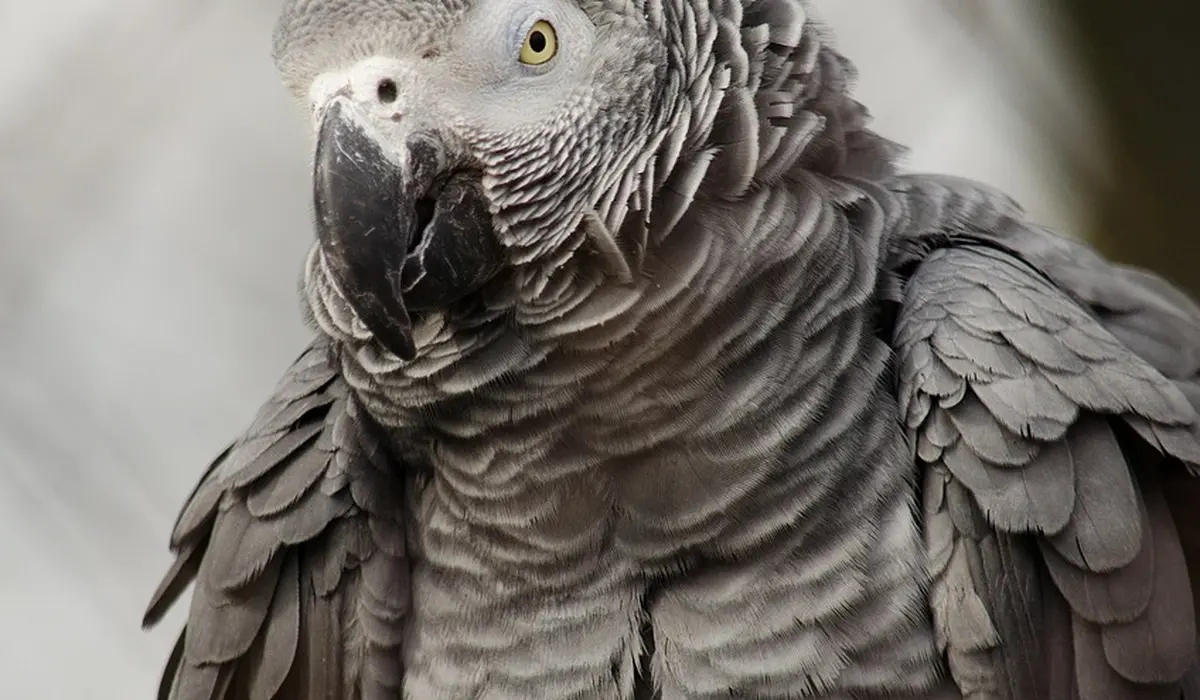
Connecting with your parrot across species lines starts with active listening and observation. I’ve found that mimicking Sunny’s cheerful calls encourages him to engage more, while with Sage, I use calm, clear words to match his thoughtful nature. This builds trust and makes interactions smoother for both of you.
Try these steps to boost your communication skills:
- Spend quiet time together daily to learn your bird’s unique sounds and gestures-like how Kiwi’s soft clicks mean he’s content.
- Use positive reinforcement by offering treats or praise when they “talk” back, which works wonders with social birds like Sunny.
- Adjust your approach based on species; for example, playful parrots might enjoy interactive games, while calmer ones prefer gentle conversations.
Pay attention to their environment too. Reducing background noise helps birds like Sage focus, making it easier for them to communicate effectively without stress. Simple changes like this show respect for their natural behaviors and promote a happier home.
Remember, patience is key—every parrot has a unique voice. By tuning into their individual needs, you’ll not only debunk myths but also strengthen your bond in ways that honor their welfare. This is where parrot behavior myths are exposed, revealing the truth behind common misunderstandings.
Reading Your Parrot’s Vocal Cues Correctly
Many parrot owners jump to conclusions about their bird’s sounds, but accurate interpretation builds a stronger bond. By paying close attention to context and body language, you can avoid common misunderstandings that stress your feathered friend. I’ve spent years observing my parrots, and their vocal cues often tell a richer story than we assume. Recognizing signs of pain in parrots often comes from noticing subtle body language as well as vocal cues. A practical guide to recognizing signs of pain and other subtle signals can help you respond quickly and keep your bird comfortable.
Decoding Common Sounds: Myths vs. Reality
Parrots use a variety of noises to express themselves, and misreading them can lead to frustration. For instance, loud squawking doesn’t always mean anger-it could signal excitement or a simple call for companionship. With Kiwi, my Green-cheeked Conure, I noticed his high-pitched chirps during playtime mean pure joy, not annoyance.
- Myth: Constant chatter means boredom. Fact: It often shows contentment, like Sunny’s soft murmurs when she’s relaxed.
- Myth: Silence indicates happiness. Fact: Prolonged quiet might signal illness or fear, so check for other signs.
- Myth: All screams are negative. Fact: Some parrots, like Sage, use loud calls to greet family members warmly.
Steps to Accurately Interpret Vocalizations
Follow these simple steps to get better at reading your parrot’s language. Start by observing the situation-what’s happening around your bird when they make a sound? I learned this with Sage; her low grumbles often mean she’s curious about a new toy, not upset. By learning to read these cues, you can tell if your parrot is happy. There are 10 key signs to watch for.
- Watch their body posture: Fluffed feathers might mean comfort, not sickness.
- Note the time of day: Morning squawks are often just “good morning” calls.
- Listen for patterns: Repetitive sounds might be a learned behavior for attention.
- Respond calmly: Avoid reinforcing negative noises with loud reactions.
This approach helped me understand Kiwi’s playful screeches weren’t demands but invitations to interact. Over time, you’ll notice subtle differences that make communication clearer and reduce misunderstandings.
Personal Insights from My Flock
Living with multiple parrots has taught me that each bird has a unique voice. Sunny, my Sun Conure, uses melodic tunes when she’s feeling social, while Sage’s intelligent mutterings often precede a clever trick. By respecting their individual personalities, I’ve built trust and minimized behavior issues.
Advocating for animal welfare means recognizing that parrots deserve our patience in learning their language. Misinterpreting cues can lead to unnecessary stress, so take time to listen and adapt. Your efforts will reward you with a happier, healthier companion.
FAQs
Do parrots vocalize more at certain times of the day?
Yes, parrots are often most active and vocal at dawn and dusk, reflecting their natural wild behaviors for social bonding and territory marking. Recognizing these patterns can help you distinguish normal communication from potential issues like stress or boredom.
Can a parrot’s diet affect their vocalizations?
A balanced diet supports overall health, which can influence vocal energy and consistency, but no specific food directly causes or changes sounds. Poor nutrition may lead to stress or illness, potentially altering vocal behavior as a sign of discomfort.
Should I punish my parrot for loud vocalizations?
No, punishment can increase fear and anxiety, often worsening loud behaviors and damaging your bond with the bird. Instead, use positive reinforcement to reward quiet moments and identify environmental triggers to address the root cause.
In Closing
From my time with parrots like Kiwi and Sage, I’ve learned their sounds aren’t just noise-they’re real conversations full of intent and emotion. Pay close attention to your parrot’s vocal patterns to build trust and address their needs effectively.
Caring for a parrot means committing to their lifelong health and happiness through constant learning and adaptation. Keep exploring bird communication to ensure you’re providing the best possible home for your feathered friend.
Further Reading & Sources
- 5 Parrot Talking Myths & Facts | Chewy
- Talking bird – Wikipedia
- Decipher Your Pet Parrot’s Vocalizations – Pet Birds by Lafeber Co.
Suzanne Levine is a dedicated parrot enthusiast and experienced avian caregiver with over 15 years of hands-on experience in parrot care. As the founder of Parrot Care Central, Suzanne is passionate about sharing her knowledge and insights to help fellow parrot owners provide the best possible care for their feathered friends. Her expertise spans nutrition, behavior, health, and enrichment, making her a trusted resource in the parrot care community.
Socialization