Quaker Parrot Speech: Can They Talk and When Do They Start?
If you’re wondering whether your Quaker parrot will ever chat with you or if you’ve missed the chance for them to learn, you’re not alone-many owners share this concern.
Based on my years raising parrots like Kiwi, a talkative Green-cheeked Conure, and Sage, a clever African Grey, I’ll guide you through the essentials so you know exactly what to expect.
Here are the key takeaways we’ll cover:


- Quaker parrots can indeed talk, often starting between 6 months to a year old with proper encouragement.
- Simple, consistent training methods can speed up their speech development and make learning fun for them.
- Patience and a stress-free environment are crucial, as pushing too hard can hinder their progress and well-being.
You’ll walk away with clear, actionable advice tailored to your feathered friend’s needs. The article dives into: speech ability, typical starting age, effective training steps, personality influences, common hurdles
Unlocking Quaker Parrot Speech: Can They Really Talk?
Absolutely, and they are often chatterboxes! My Green-cheeked Conure, Kiwi, started with simple sounds, but Quakers frequently develop clearer, more complex speech. They possess a remarkable ability to mimic human language, often learning words, phrases, and even entire sentences.
Their vocal talent stems from a specialized syrinx, the avian equivalent of our voice box. This physical capability, combined with their high intelligence, makes them one of the more proficient talking parrot species. Speaking of African Grey parrots, their talking ability is often considered the gold standard. Many people are amazed by how clearly they can mimic human speech and use phrases in context. While they might not have the vast vocabulary of an African Grey like my Sage, their clarity and enthusiasm are truly impressive.
Every Quaker has a unique personality. Some become non-stop talkers, while others prefer whistles and household sounds. I’ve found their vocalizations often reflect their environment and the daily interactions they share with you.
The Speech Development Timeline: When Do Quakers Start Talking?
Quaker parrots don’t start speaking overnight. Their vocal journey is a gradual process, much like a human baby learning to talk. Patience and consistency from you are the most critical ingredients for success.
The Babbling Phase (3-6 Months)
This is where the magic begins. You’ll first notice a period of muttering and experimental sounds, which is their version of babbling. It sounds like quiet, garbled chatter as they test their vocal cords and practice muscle control.
- Soft, repetitive mumbling
- Imitating the rhythm of your speech
- Practicing simple tones and pitches
First Clear Words (6-12 Months)
This is the exciting milestone every owner anticipates. With regular, positive interaction, your Quaker may utter its first distinguishable word during this window. It’s often something simple they hear frequently.
- “Hello” or “Hi”
- Your name or a pet’s name
- A favorite food like “apple”
Building a Vocabulary (1 Year and Beyond)
After that first breakthrough, their learning can accelerate. A one-year-old Quaker is often fully capable of adding new words and short phrases to its repertoire. Their ability to contextually use words they’ve learned is a true sign of their cognitive ability.
- They start connecting words with actions or objects.
- Phrases like “Step up” or “Good bird” become common.
- They may develop a special “greeting” just for you.
Remember, this timeline is a general guide. Some Quakers are early bloomers, while others are more reserved speakers, and both are perfectly normal. The key is to provide a rich, engaging, and loving environment where they feel encouraged to communicate.
Factors That Shape Talking Ability in Quaker Parrots
Individual Differences: Genetics and Personality
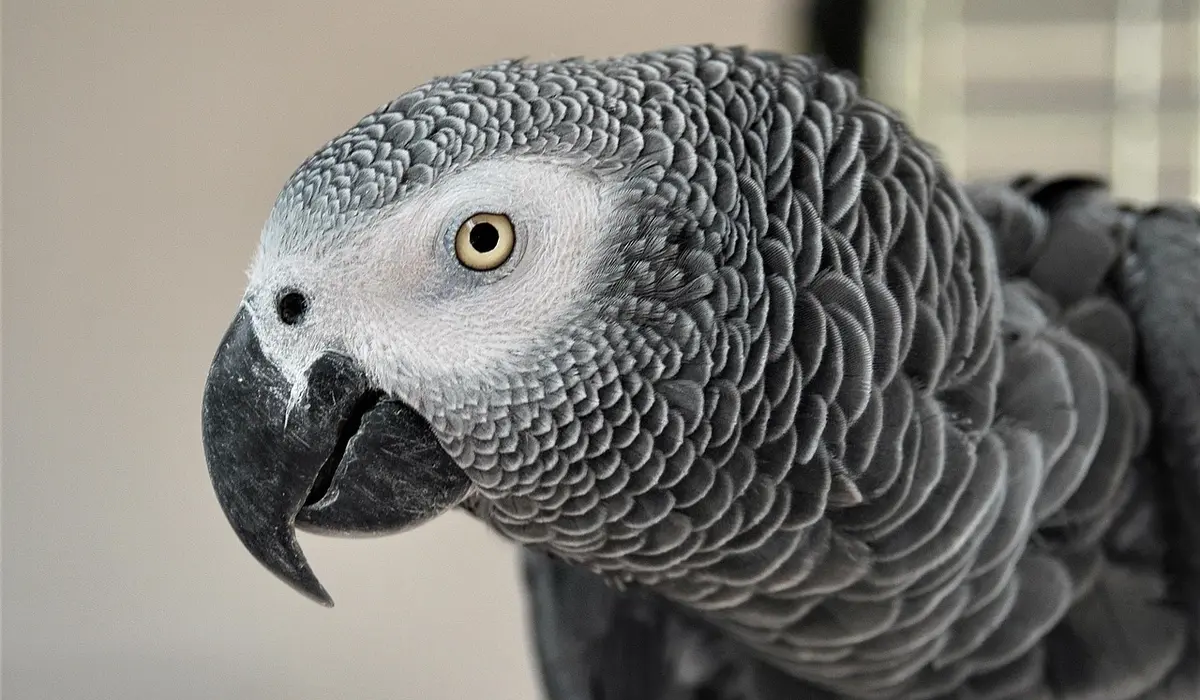
Just like people, every Quaker parrot is born with a unique blueprint for learning. Genetics can set a baseline potential, but personality truly determines how far they’ll go with speech. My green-cheeked conure, Kiwi, was a chatterbox from day one, while Sage, my African Grey, was more of a thoughtful observer before speaking. Different parrot species vary in their ability to learn words.
You might notice some birds are naturally more vocal and curious, eagerly mimicking every sound. Bolder, more outgoing Quakers often pick up words faster because they’re less afraid to experiment with new noises. Shyer birds can still learn; they just need extra patience and a quieter environment to build confidence.
The Role of Social Interaction and Bonding
Your relationship with your Quaker is the secret sauce for talking success. A strong bond built on trust makes your bird *want* to communicate with you, using words as their bridge. I saw this with my sun conure, Sunny, who started copying phrases only after we’d spent months building a close friendship.
Birds are flock animals, and you’re their flock. Daily, positive interactions-like talking to them while preparing food or during gentle play-create the social motivation they need to start vocalizing like you. A lonely or stressed parrot often stays quiet, so focus on quality time first.
Training Methods: Repetition and Positive Reinforcement
Think of teaching speech like learning a fun new game together. Repetition is your best tool, using clear, simple words in the same cheerful tone every time. Say “hello” each time you enter the room, or “good bird” when they step up, so the phrase connects with a regular action.
Positive reinforcement turns trying into triumph. Immediately reward any attempt at mimicking-even a garbled sound-with a tiny treat, head scratch, or happy praise. This links talking with wonderful outcomes, encouraging them to practice more. Never scold for silence; patience always wins.
How to Train Your Quaker Parrot to Talk
Step-by-Step Training Techniques
Start with a calm, distraction-free space where your Quaker feels safe. Keep initial sessions short and sweet, about 5-10 minutes, to match their attention span and keep it fun. You want them excited for the next lesson, not bored or overwhelmed.
Follow these steps for steady progress:
- Choose one simple word or phrase, like “hello” or their name.
- Say it clearly and slowly, multiple times, while maintaining eye contact.
- Wait quietly for a few seconds after speaking, giving them time to process and possibly respond.
- If they make any sound resembling the word, instantly reward them.
- Practice this same word for several days before introducing a new one.
Gradually build from single words to short phrases as they succeed. Consistency in your routine and tone helps your Quaker recognize patterns and learn faster. I trained Kiwi this way, and now he happily greets me every morning.
Overcoming Common Training Hurdles
If your Quaker isn’t talking yet, don’t worry-it’s a common phase. First, rule out health issues by ensuring they have a balanced diet, clean environment, and show no signs of illness. A vet visit can provide peace of mind if you’re concerned.
Many birds hit a silent spell due to fear or lack of engagement. Try moving training to a new, quiet room or incorporating their favorite toys to reduce anxiety and boost interest. Sometimes, just changing the time of day can make a difference.
Remember, progress isn’t always linear. Celebrate small victories, like increased chirping or head bobbing, as signs they’re listening and getting comfortable. With persistent, gentle encouragement, most Quakers eventually find their voice and start amazing you with their chatter.
Quaker Parrots in the Talking Bird World: A Comparison
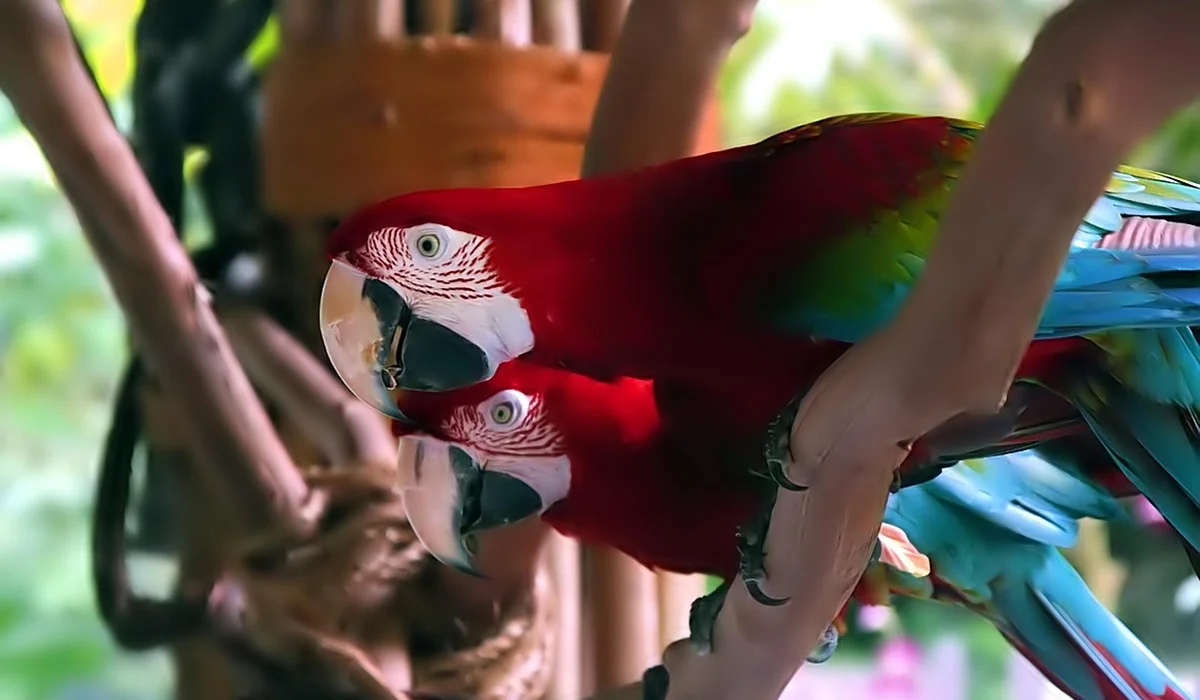
People often ask me how Quaker parrots stack up against other famous talkers. Having lived with my chatty Green-cheeked Conure, Kiwi, and my brilliant African Grey, Sage, I can tell you Quakers hold a special middle ground. They’re not the absolute top-tier masters like some species, but they’re far from beginners. You can see how they compare to other popular species in our guide to the best talking parrot species.
How Quakers Measure Up
Let’s break it down with a quick look at some popular talkers.
| Bird Species | Talking Ability | Clarity & Vocabulary | My Personal Experience |
|---|---|---|---|
| African Grey Parrot | Exceptional | Extensive vocabulary, near-perfect clarity, understands context | My Sage constructs simple sentences and knows what “time for bed” means. |
| Amazon Parrot | Excellent | Large vocabulary, very clear, often loud and boisterous | They have powerful, clear voices but can be a bit overwhelming in a small space. |
| Quaker Parrot | Very Good | Good vocabulary, decent clarity, often has a charming, gravelly voice | They pick up phrases quickly and love to engage in back-and-forth “conversations.” |
| Budgerigar (Budgie) | Good | Can learn many words, but clarity is often muffled | They are tiny chatterboxes, but you really have to listen closely to understand them. |
Quakers are the social butterflies of the talking bird world. While an African Grey might philosophize, a Quaker parrot wants to gossip with you about their day. They use their words to interact, not just to perform. In a human household, understanding parrot flock dynamics helps keep harmony. Watching how a Quaker interacts with people and other pets guides enrichment and routine.
Boosting Your Quaker’s Vocabulary: Tips and Tricks
You’ve got a little feathered friend with potential. Now, let’s help them become a chatterbox! From my years with Kiwi, Sunny, and Sage, I’ve found that consistency and fun are the magic ingredients.
Create a Learning-Rich Environment
Your Quaker won’t learn in a silent, boring room. You need to make talking a natural part of their world.
- Talk to them constantly. Narrate your actions. “I’m making coffee,” “This is a yummy apple,” “Time to clean your cage.”
- Place their cage in a busy family room, not a quiet corner. They learn from ambient noise and interaction.
- Use a happy, excited tone. My Sun Conure, Sunny, always learned exclamations like “Good bird!” faster than anything else because of my enthusiastic tone.
Effective Training Sessions
Short, focused sessions work wonders. Here’s a simple routine that has never failed me.
- Choose one simple word to start. “Hello” or their name is perfect.
- Schedule 5-10 minute sessions, 2-3 times a day. Always do this when your bird is alert and happy, usually in the morning.
- Sit with them, make eye contact, and clearly repeat the word.
- The moment they make any sound that resembles the word, even a little, reward them instantly with a tiny, favorite treat.
- Never show frustration. If they get bored, end the session on a positive note with a cuddle or a different game.
Advanced Tricks for a Pro Talker
Once your Quaker has the basics down, you can get creative.
- Associate words with objects or actions. Say “up” every time you ask them to step up onto your finger. They will connect the word to the action.
- Use recordings sparingly. While playing a recording on loop can work, it’s the live, emotional interaction with you that truly builds their vocabulary and understanding.
- Be a good speech model. They will pick up everything, including the phrases you yell at the TV during a sports game. I speak from very personal, slightly embarrassing experience!
Patience is your most powerful tool. Some birds are shy and take months, while others are little show-offs from the start. Celebrate every mumbled attempt, because it means they’re trying to connect with you.
FAQs
Can Quaker parrots sing as well as talk?
Yes, Quaker parrots often mimic songs and melodies alongside speech, blending both in their vocal repertoire. Their ability to sing adds to their charm as engaging and entertaining pets. Some researchers question whether they understand the music they imitate, beyond mere copying. Their singing thus becomes a window into parrots’ musical perception.
Can Quaker parrots learn to speak Hindi or other languages?
Quaker parrots can learn words in any language they hear frequently, including Hindi or others, due to their sound-mimicking skills. Consistent exposure and repetition are key to helping them pick up foreign phrases effectively. In addition, pet parrots learn to do tricks and respond to cues. They can learn to perform actions on command with patient training.
Are videos helpful for teaching Quaker parrots to talk?
Videos can serve as a supplementary tool by providing auditory examples, but direct human interaction is more impactful for speech development. Over-reliance on videos may reduce social bonding, so use them in moderation alongside live training.
Do Quaker parrots say funny things?
Quaker parrots frequently pick up amusing phrases or sounds from daily life, leading to hilarious and unexpected remarks. Their playful mimicry often includes imitating laughter or comical expressions they observe. If you’re curious about what those sounds mean, this complete guide explains common parrot vocalizations and what they might signify. You’ll learn how to interpret different calls, whistles, and phrases in everyday interactions.
What kinds of sounds do Quaker parrots make when they talk?
Quaker parrots produce varied sounds such as clear words, whistles, and imitations of environmental noises like phones ringing. These vocalizations often have a distinct, raspy tone that makes their speech unique and endearing. Their ability to mimic human speech and other sounds is a fascinating aspect of their behavior.
Final Thoughts
Quaker parrots are fantastic talkers, often starting their verbal adventures between six months and a year old with your patient, consistent training. If your goal is to train a tame Quaker parrot, start with short, daily sessions and gentle handling. Your daily interactions, filled with simple, repeated words and heaps of positive reinforcement, create the perfect environment for their skills to flourish. Patience and consistency help your tame Quaker parrot learn to trust and interact more freely.
Remember, welcoming a talking parrot is a long-term promise that demands your dedication to their complex physical and emotional needs. For Quaker parrots, bonding usually starts with short, daily taming sessions and lots of gentle, positive reinforcement to build trust. I encourage you to keep learning and growing alongside your feathered friend, and you can always find more supportive resources right here on our website. Check out our bonding, taming, and socialization tips to guide you step by step.
Further Reading & Sources
- r/parrots on Reddit: When do Quaker parrots start to imitate human talk?
- Quakers – YouTube
- Quaker and talking | Parrot Forum 🦜 Parrot Owners Community
Suzanne Levine is a dedicated parrot enthusiast and experienced avian caregiver with over 15 years of hands-on experience in parrot care. As the founder of Parrot Care Central, Suzanne is passionate about sharing her knowledge and insights to help fellow parrot owners provide the best possible care for their feathered friends. Her expertise spans nutrition, behavior, health, and enrichment, making her a trusted resource in the parrot care community.
Socialization