Can Parrots Eat Quinoa and Quince? Your Quick Guide
You might be wondering if quinoa and quince are safe for your parrot, and it’s totally normal to feel a bit anxious about introducing new foods to their diet.
I’ve spent years caring for parrots like my playful Kiwi and social Sunny, so I understand the importance of getting their nutrition right. Let me walk you through the essentials to keep your feathered friend happy and healthy.
Here are the key takeaways we’ll cover:
- Safety and nutritional benefits of quinoa for parrots
- How quince can fit into a balanced parrot diet
- Simple steps to prepare these foods safely
By the end of this, you’ll have clear, easy-to-follow advice. We’ll dive into quinoa safety, quince benefits, preparation methods, serving sizes, and potential risks.
Is Quinoa Safe and Nutritious for Parrots?
Yes, quinoa is a fantastic addition to your parrot’s diet when prepared correctly. I’ve seen my Green-cheeked Conure, Kiwi, thrive on small portions mixed with fresh veggies. This superfood packs a punch without the common pitfalls of processed seeds.
Key Nutritional Perks of Quinoa
Quinoa offers a powerhouse of nutrients that support your bird’s overall health. Its high protein content helps maintain strong muscles and vibrant feathers. Here’s a quick rundown of its top benefits:
- Complete protein with all essential amino acids
- Rich in fiber for smooth digestion
- Loaded with B vitamins for energy
- Packed with minerals like iron and magnesium
My Sun Conure, Sunny, adores the fluffy texture and gets a visible energy lift from it. Quinoa’s balanced nutrients make it a smarter choice than many commercial treats.
Handling Risks: Saponins and Preparation
Saponins are natural compounds on quinoa that can cause digestive upset in parrots. Proper prep removes this risk and keeps your bird safe and happy. I learned this the hard way when Kiwi had a mild stomach issue from unrinsed quinoa years ago.
Why Rinsing Quinoa Matters
Rinsing quinoa under cold water washes away the bitter saponin coating. This simple step prevents potential irritation to your parrot’s sensitive system. I always use a fine mesh strainer and rinse until the water runs clear-it’s a non-negotiable habit in my kitchen.
Cooking Quinoa for Optimal Safety
Cooking quinoa thoroughly ensures it’s soft and easy for your parrot to digest. Follow these steps for a bird-safe meal every time:
- Rinse quinoa under cold water for 1-2 minutes
- Cook with a 2:1 water-to-quinoa ratio until fluffy
- Let it cool completely before serving
- Mix with chopped veggies for extra appeal
My African Grey, Sage, prefers it slightly warm but never hot. Cooling it down avoids any risk of burning your bird’s delicate mouth. Staying within the ideal temperature range is key for a pet parrot. For many parrots, that range sits around 70–75°F (21–24°C).
Can Parrots Safely Eat Quince?
Quince is safe for parrots in moderation, but the seeds pose a serious threat. I offer small, seedless slices to my flock as an occasional treat. Its unique tartness adds variety to their diet without common fruit sugars. For a healthy base diet, pellets are generally preferred over seeds. Quince and other fresh options can be used as occasional supplements to keep variety.
Health Boosts from Quince
Quince provides vitamins and antioxidants that boost your parrot’s immune system. Its high vitamin C content helps prevent illnesses during seasonal changes. Here’s what makes quince a smart choice:
- Vitamin C for immune support
- Dietary fiber to aid digestion
- Antioxidants that reduce inflammation
- Low sugar compared to sweeter fruits
Sage loves the firm texture and it keeps her beak busy. Quince’s natural astringency can even help with minor digestive upsets.
Dangers of Quince Seeds and Safe Practices
Quince seeds contain amygdalin, which can release cyanide when chewed or ingested. Always remove seeds to protect your parrot from toxicity. I double-check every slice I give to Sunny to avoid any accidents.
Amygdalin in Quince Seeds: What to Know
Amygdalin breaks down into cyanide in a bird’s digestive tract. Even a few seeds can cause breathing problems or worse in small parrots. I’ve seen cases where neglected seeds led to emergency vet visits-it’s not worth the risk.
Preparing Quince for Your Bird
Proper prep makes quince a safe, enjoyable snack. Follow these steps to serve it without worries:
- Wash the quince thoroughly to remove pesticides
- Cut it in half and scoop out all seeds with a spoon
- Slice into small, bite-sized pieces
- Offer raw or lightly steamed for easier chewing
Kiwi gobbles it up when mixed with her favorite pellets. Keeping pieces small prevents choking and makes treats last longer.
Feeding Quinoa and Quince: Step-by-Step Guides
How to Serve Quinoa to Your Parrot
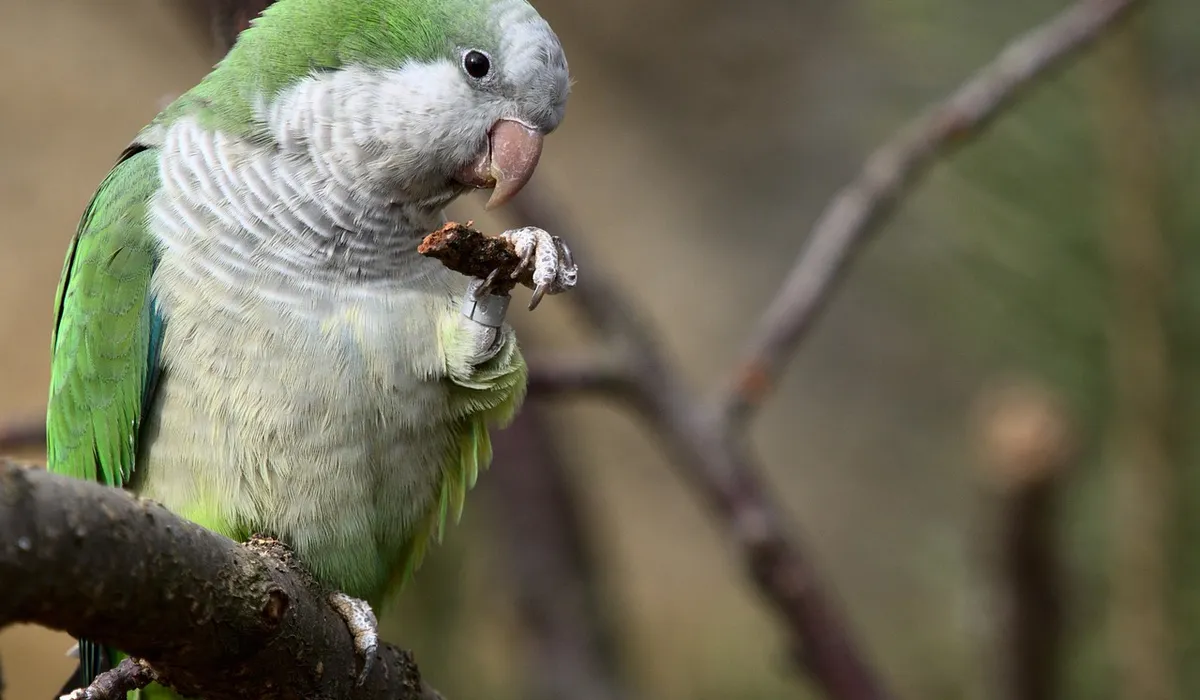
Quinoa adds a protein boost to your parrot’s meals, and it’s simple to prepare safely. I always cook quinoa plain for my birds to avoid any stomach troubles, and Kiwi, my Green-cheeked Conure, eagerly pecks at it mixed with fresh veggies. That’s the spirit of making DIY parrot food simple and healthy. With a few staples like quinoa and fresh veggies, you can whip up quick, balanced meals at home. Follow these steps for a smooth feeding experience.
- Rinse quinoa thoroughly under cool water to wash away natural saponins that can taste bitter.
- Cook it in unsalted water until fluffy, using a two-to-one water-to-quinoa ratio.
- Allow it to cool completely to room temperature before serving to prevent burns.
- Offer small amounts, like a teaspoon for smaller parrots, and mix with their regular food.
Storing leftover quinoa in the fridge for up to three days keeps it fresh for quick snacks.
How to Offer Quince as a Treat
Quince is a firm, tangy fruit that needs careful handling to be parrot-safe. My Sun Conure, Sunny, adores the occasional bite of ripe quince, but I never skip removing the seeds due to potential toxins. Here’s a straightforward way to introduce it.
- Wash the quince well to eliminate dirt or chemical residues.
- Slice it into tiny, manageable pieces and discard all seeds to avoid cyanide risks.
- Serve it raw for a crunchy texture or lightly steamed to soften it for easier eating.
- Limit it to once a week as a special treat to maintain dietary balance.
Observing your parrot’s first reaction helps you gauge their preference and tolerance.
Potential Risks and Warning Signs
Spotting Digestive or Toxicity Issues
New foods can sometimes upset your parrot’s system, so vigilance is key. I learned to watch for subtle changes after Sage, my African Grey, once showed mild discomfort from a new food item. Avoid common parrot feeding mistakes by introducing new items one at a time and keeping meals varied and balanced. Look out for these common red flags.
- Unusual droppings, such as diarrhea or discoloration
- Reduced activity or lethargy, where your bird seems less playful
- Loss of appetite or refusal to eat their usual favorites
- Vomiting or frequent regurgitation that isn’t normal behavior
- Feather ruffling or signs of pain, like excessive scratching
Immediately stop feeding the suspect food if any symptoms appear, and monitor closely for improvements.
When to Seek Veterinary Help
Parrots often hide illness, so acting fast can save their lives. Don’t hesitate to contact an avian vet if symptoms worsen or persist beyond a few hours. Based on my experience, early professional input prevents complications. For a complete overview of the most common parrot health concerns, see our complete guide. It covers typical signs, likely causes, and when to seek care.
- If vomiting or diarrhea continues for more than a short period
- When your parrot struggles to breathe or shows weakness in perching
- For any suspected poisoning, like from seeds or moldy food
- If there’s no improvement after removing the new food and providing water
Keeping your vet’s contact information accessible ensures you’re ready for emergencies.
Integrating Quinoa and Quince into a Balanced Diet
Portion Control and Frequency Tips
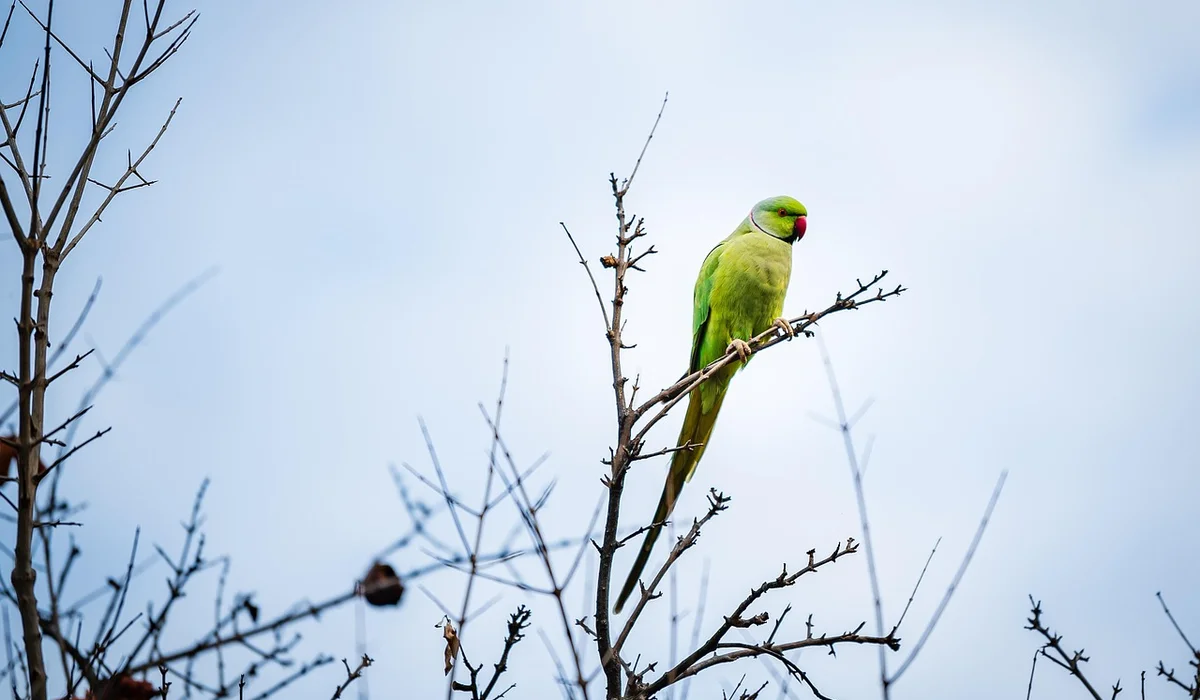
Moderation is crucial to prevent obesity and nutrient imbalances in parrots. I stick to small, infrequent servings for Kiwi and Sunny, making sure treats don’t overshadow their core diet. Consistent portion control supports parrot weight management and helps keep them in healthy weight ranges. Regularly checking their weight can aid obesity prevention and guide portions. Use these guidelines to keep portions in check.
- For small parrots like conures, offer quinoa once weekly in teaspoon amounts and quince in dime-sized pieces.
- Larger birds, such as African Greys, can handle up to a tablespoon of quinoa and slightly more quince, but still sparingly.
- Adjust based on your parrot’s size, age, and activity level-older or less active birds need fewer treats.
- Rotate with other safe foods to avoid boredom and ensure variety.
Overfeeding these items can lead to weight gain, so measure portions carefully.
Combining with Other Healthy Foods
Mixing quinoa and quince with nutritious staples creates a well-rounded meal. I often blend cooked quinoa with chopped vegetables and fruits for my parrots, and Sage loves picking out the colorful bits. This approach supports their health and keeps mealtimes exciting.
- Pair quinoa with vitamin-rich veggies like carrots, spinach, or sweet peppers for a nutrient boost.
- Add quince to fruit mixes with apples, blueberries, or pears to enhance flavor and texture.
- Base the diet on high-quality pellets to cover essential vitamins and minerals.
- Avoid high-fat or sugary foods, and never include toxic items like avocado or chocolate.
This combination strategy promotes long-term vitality and satisfies your parrot’s natural curiosity. It’s a key component in foraging activities used to enrich your parrot’s diet.
FAQs
Can baby parrots eat quinoa and quince?
Baby parrots can eat quinoa if it’s cooked soft and served in tiny amounts, but avoid quince due to its firm texture and seed risks. Always consult a vet before introducing new foods to ensure it suits their developing digestive systems.
Are there other foods that offer similar benefits to quinoa and quince?
Yes, cooked brown rice or millet can provide protein and fiber like quinoa, while apples or pears offer vitamins and low sugar similar to quince. Rotate these options to keep your parrot’s diet varied and nutritionally balanced. These choices align with general parrot dietary guidelines that emphasize variety and balance.
How should I store leftover quinoa and quince for my parrot?
Store cooked quinoa in an airtight container in the refrigerator for up to three days to maintain freshness. For quince, keep raw slices in the fridge for a day or two and discard any that show signs of spoilage to prevent health issues.
Final Thoughts
From my time caring for parrots like Kiwi and Sunny, I’ve found that quinoa and quince can be safe, nutritious additions to their diet when prepared correctly—cook quinoa plain and serve quince ripe with seeds removed. These are great examples of homemade parrot food recipes, offering healthy, nutritious options you can tailor to your bird’s needs. By combining quinoa or other grains with colorful fruits and veggies, you can build simple, balanced meals. Always introduce these foods in small amounts and monitor for any changes in behavior or digestion to keep your parrot thriving.
Responsible parrot ownership means staying curious and informed about their evolving needs, so keep exploring reliable resources and consulting with avian vets. Unlike general veterinarians, avian specialists have training tailored to birds’ unique physiology and behaviors. Your dedication to learning and adapting ensures your parrot enjoys a vibrant, well-balanced life full of love and care.
Further Reading & Sources
Suzanne Levine is a dedicated parrot enthusiast and experienced avian caregiver with over 15 years of hands-on experience in parrot care. As the founder of Parrot Care Central, Suzanne is passionate about sharing her knowledge and insights to help fellow parrot owners provide the best possible care for their feathered friends. Her expertise spans nutrition, behavior, health, and enrichment, making her a trusted resource in the parrot care community.
Nutrition