
Are Lemons and Limes Safe for Parrots? Citrus Guide
You’re eyeing that bright lemon or lime and wondering if a tiny slice could be a fun, tangy treat for your feathered friend.
I’ve been there with my own parrots, and I’m here to help you sort through the facts so you can make a safe choice for your bird.
You’ll get clear answers on:
- The real safety of citrus fruits for parrots
- How to serve them correctly without causing harm
- What parts of the fruit to avoid completely
By the end of this guide, you’ll feel confident about offering citrus.
We cover: safety basics, health benefits, potential risks, proper preparation, and healthy alternatives.
Are Lemons and Limes Safe for Your Parrot?
Yes, lemons and limes are safe for most parrots, but you must navigate their high acidity and potent essential oils carefully. I’ve offered tiny lemon wedges to my Green-cheeked Conure, Kiwi, who curiously nibbled the pulp but avoided the bitter peel. My Sun Conure, Sunny, once grabbed a lime slice during a snack prep mishap—I watched closely, but he quickly lost interest after one tart bite. That nuance is exactly what the parrots toxic vs non-toxic guide is for—helping you tell which citrus parts and essential oils are safe and which to avoid. Always check which parts are safe—peel, pulp, seeds, and any essential oil residue—before offering citrus to your bird.
The safety hinges on three main factors:
- Fruit Type: The juicy pulp is far safer than the peel, which is loaded with concentrated oils that can irritate a parrot’s sensitive digestive system.
- Parrot Size: A large Macaw might handle a small lemon segment better than a tiny Budgie, whose system is more easily overwhelmed by strong acids.
- Moderation: Citrus should be a rare, tiny treat, not a diet staple. Think a fingernail-sized piece once a month, not a daily slice.
Benefits of Citrus in a Parrot’s Diet
A tiny citrus treat can offer a powerful vitamin C boost, which supports your parrot’s immune system and helps with iron absorption. The high water content in lemons and limes also provides a bit of extra hydration, especially on warm days. In general, healthy parrots get vitamins from a balanced diet, and extra supplements aren’t usually needed for optimal health. If you’re considering supplements, consult an avian veterinarian to determine what’s appropriate for your bird.
Beyond the nutrients, citrus serves other roles in parrot care:
- Digestive Aid: The natural acids can gently stimulate digestion when offered in minuscule amounts.
- Mental Enrichment: The novel smell, texture, and intense taste of a lemon piece can be fascinating for a curious bird like Kiwi, turning snack time into a fun exploration.
I use citrus as a “spice” in their diet rotation, offering a tiny piece maybe once a season to keep their meals exciting without risking their health. Watching Sunny tentatively taste a new food reminds me that variety, in safe doses, enriches their daily life far beyond just nutrition.
Risks and Precautions with Citrus Fruits
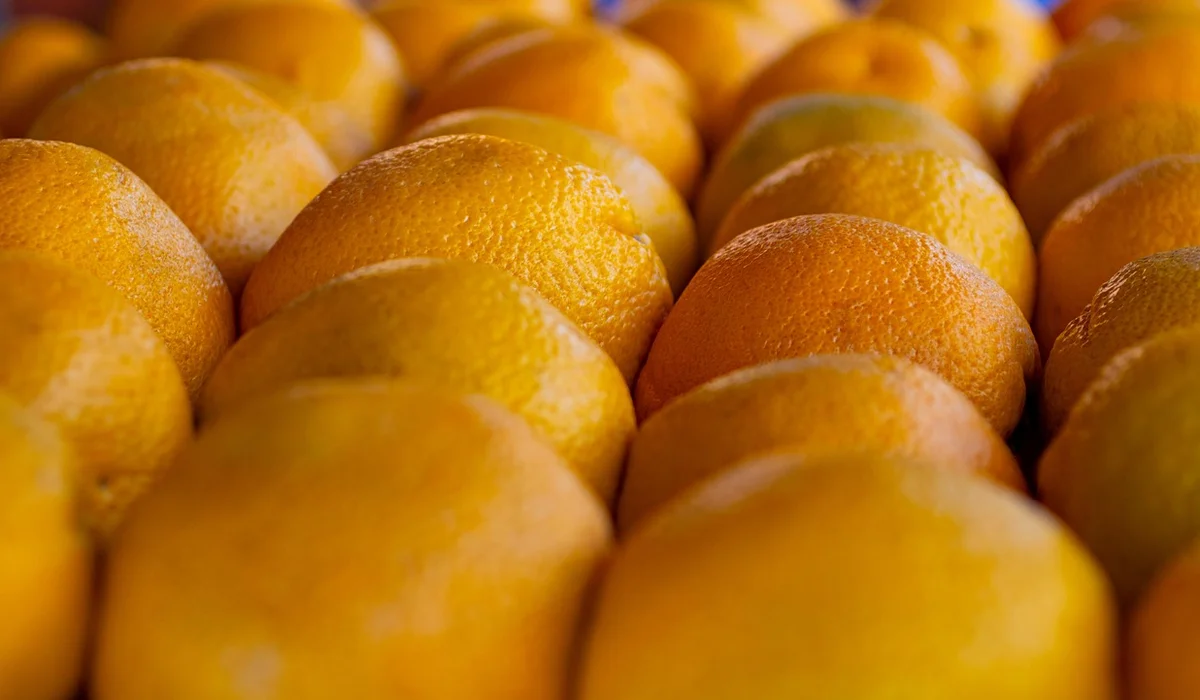
Citrus fruits pack a powerful acidic punch that can irritate your parrot’s sensitive digestive system. High acidity frequently leads to stomach upset or uncomfortable dryness in their mouth and throat membranes. My Green-cheeked Conure, Kiwi, once nibbled a large lemon wedge and spent the next hour shaking his head and rubbing his beak-a clear sign of that unpleasant, puckering sensation. To keep your parrot safe, it’s essential to know the toxic foods parrots should avoid as part of a complete list of foods to avoid.
Beyond the flesh, you must handle seeds and rinds with extreme care. Citrus seeds contain trace amounts of compounds that can be toxic in large quantities, while the rinds often carry pesticide residues. I always remove every single seed and thoroughly wash the fruit, even if it’s labeled organic, because my parrots’ safety isn’t worth the risk.
Monitoring for Allergic or Negative Reactions
Every bird is an individual, and their tolerance for new foods varies wildly. You must observe your parrot closely for several hours after they try citrus for the first time. These considerations are part of general parrot dietary guidelines, which emphasize gradual introduction, variety, and safety. Follow these steps every time you introduce a new food:
- Offer a tiny, pea-sized piece of the fruit.
- Watch for physical signs like feather fluffing, lethargy, or vomiting.
- Monitor their droppings for any unusual changes in color or consistency.
- Check for behavioral changes, such as decreased appetite or unusual quietness.
My Sun Conure, Sunny, adores citrus, but my African Grey, Sage, gets an upset stomach from it. Knowing your bird’s personal reaction is more valuable than any general guideline.
How to Safely Prepare Lemons and Limes for Parrots
Proper preparation transforms a potential hazard into a safe, occasional treat. Always start by scrubbing the fruit’s skin under running water to remove dirt and chemical residues. I use a dedicated vegetable brush just for my birds’ food to ensure it’s perfectly clean. This care is also part of a complete guide to cleaning your parrot’s environment safely. It covers cages, perches, toys, and feeding areas to keep your bird healthy.
Steps for Washing, Peeling, and Serving
- Wash the lemon or lime thoroughly with water.
- Use a sharp peeler to remove the outer zest and pith (the white part), which are the most acidic.
- Slice the fruit and meticulously pick out every seed.
- Cut a small segment of the inner flesh into a manageable piece for your bird’s size.
Peeling the fruit dramatically reduces its acidity, making it much gentler on their system. I never serve the whole slice to my smaller birds like Kiwi; I always prepare a bite-sized portion.
Serving Sizes and Frequency
Moderation is your best friend when it comes to citrus. For a small parrot like a conure or lovebird, a piece no larger than a single fingernail is plenty. Offer citrus treats no more than once every couple of weeks. My larger African Grey might get a slightly bigger piece, but still only on a rare, special occasion.
Enrichment Treat Ideas with Citrus
You can weave these tart flavors into fun foraging activities. Try skewering a tiny piece of peeled lime onto a bird-safe kabob with other favorite fruits. Another hit in my house is mashing a minuscule amount of lemon into a paste and smearing it on a pinecone for them to lick off. These methods provide mental stimulation while controlling the exact amount of citrus they consume.
Recognizing Negative Reactions to Citrus
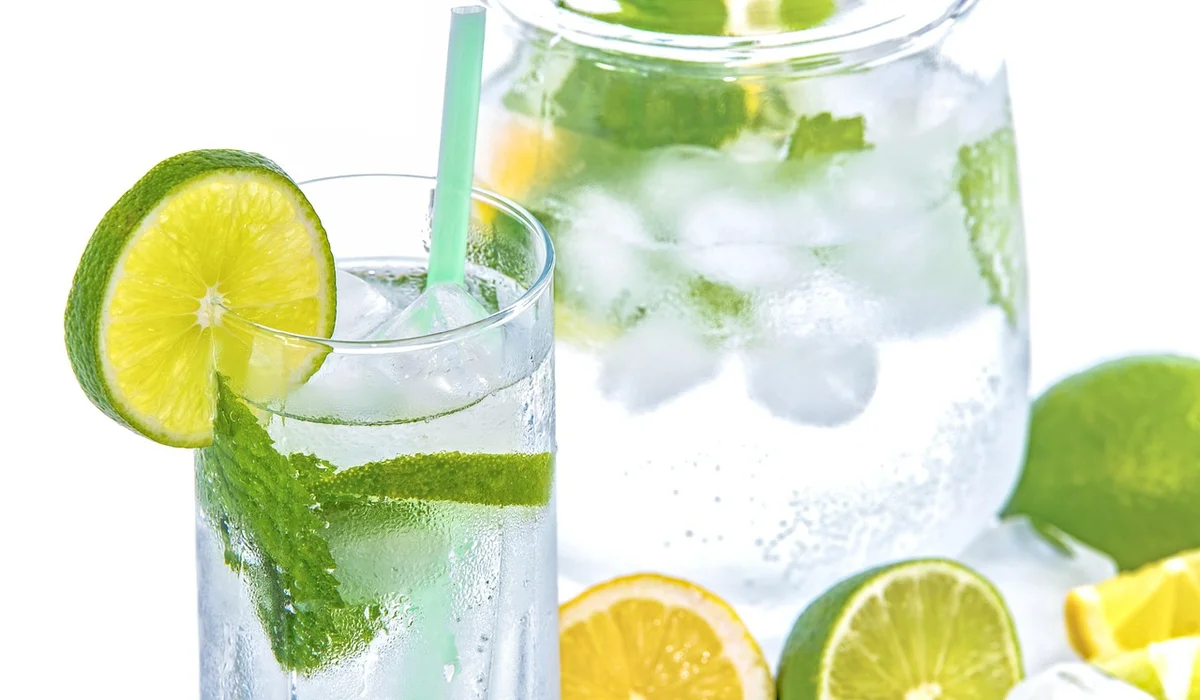
Your parrot’s body language and droppings are the first to tell you when something isn’t agreeing with them. I learned this the hard way when my Green-cheeked Conure, Kiwi, tried a bit too much lemon zest and became unusually quiet. Parrots shake for many reasons, and some shakes are normal—like stretching or waking up. But shaking can also signal health problems, so understanding the difference matters.
- Watch for digestive upset like regurgitation, a visibly swollen crop, or loss of appetite.
- Look for signs of agitation, such as excessive feather picking, frantic wing-flapping, or an unwillingness to step up.
- Monitor their droppings. Unusual poop can be a key sign, showing up as a drastic color change (like very green or yellow), a watery consistency, or containing undigested food.
You should contact your avian vet immediately if your bird shows severe lethargy, repeated vomiting, or difficulty breathing. These aren’t just minor upsets; they signal a potential emergency. A respiratory distress checklist can help you spot early signs in parrots, such as rapid or labored breathing, open-mouth breathing, or tail bobbing. Being able to recognize these cues quickly prompts timely veterinary care.
My personal routine is to offer a tiny piece of any new food, like citrus, right at the start of the day. This gives me the whole day to watch Sage and Sunny for any subtle changes in their chatter, energy levels, or how they interact with their favorite toys. A happy, chattering bird is usually a healthy bird.
Other Citrus Fruits and Safe Alternatives for Parrots
Not all citrus fruits are created equal in a parrot’s world. Their acidity and sugar levels vary, which changes how safe they are for an occasional treat. Grapes are another common fruit option with their own safety notes. Our complete safety guide on parrots and grapes safety guide explains how to offer them safely.
- Oranges and Tangerines: These are generally safer bets than lemons or limes. They are sweeter and less acidic, but the seeds must always be removed.
- Grapefruit: I tend to avoid grapefruit. It’s quite tart and can be too harsh for many parrot’s sensitive digestive systems.
For a much safer and highly nutritious fruit basket, I regularly stock up on berries, melons, and papaya. My flock goes crazy for a fresh blueberry or a chunk of cantaloupe.
- Excellent daily choices include berries (blueberries, raspberries, strawberries), apples (seeds removed!), pears, and melons.
- Fantastic vitamin-packed options are mango, papaya, and kiwi fruit.
Think of citrus as the occasional splash of flavor, not the main course. In my home, citrus is a tiny, maybe once-a-week treat. The core of their diet is built on high-quality pellets, fresh vegetables like sweet potato and broccoli, and a much wider variety of gentler fruits. This balance keeps their nutrition optimal and their taste buds happy.
FAQs
Are there any parrot species that should avoid citrus entirely?
Very small species like budgies may be more sensitive to citrus due to their size and should have it avoided or given only in trace amounts. Always consult an avian vet for guidance tailored to your parrot’s specific breed and health.
How can I tell if my parrot enjoys citrus or not?
Watch for positive signs like eager eating and playful behavior after offering a tiny piece, indicating enjoyment. If your parrot avoids it or shows disinterest, they likely dislike the tart flavor and it’s best not to force it.
What are the best ways to incorporate citrus into a parrot’s diet without risks?
Stick to peeled, seedless pulp in fingernail-sized portions and mix it with other safe fruits to dilute acidity. Offer it infrequently, such as once a month, and always supervise to catch any negative reactions early.
Wrapping Up Your Citrus Knowledge
Ultimately, a tiny wedge of fresh lemon or lime can be a safe, zesty treat for your parrot, provided you thoroughly wash the fruit and remove all seeds. Always introduce any new food, including citrus, in very small amounts to watch for any individual reactions, and remember that variety is the true spice of a healthy parrot’s life. To keep the diet balanced, see our Safe Vegetables for Parrots Complete Edible Guide for a full list of approved veggies. That guide helps you plan varied, nutritious meals beyond citrus treats.
Being a fantastic parrot parent means staying curious, asking questions, and always putting your feathered friend’s well-being first. Your journey in pet parrot care is a continuous learning experience, and your commitment to understanding their needs is what makes your bright-eyed companion so fortunate. Pet parrots learn to do [this](https://parrotcarecentral.com:/what-can-pet-parrots-learn-and-do) things by watching, listening, and repeating. With patience and positive reinforcement, you can guide them to master new tricks and routines.
Further Reading & Sources
- Can Parrots Eat Citrus Fruit? (Citric Acid + Safety Concerns)
- Are Lemons Good for Parrots? – Windy City Parrot
- Can Parrots Eat Citrus Fruits? Expert Answers on Oranges, Lemons, …
Suzanne Levine is a dedicated parrot enthusiast and experienced avian caregiver with over 15 years of hands-on experience in parrot care. As the founder of Parrot Care Central, Suzanne is passionate about sharing her knowledge and insights to help fellow parrot owners provide the best possible care for their feathered friends. Her expertise spans nutrition, behavior, health, and enrichment, making her a trusted resource in the parrot care community.
Nutrition