
Can Parrots Eat Grapes? A Complete Safety Guide
You might be eyeing those juicy grapes and wondering if it’s okay to share a bite with your parrot, but worries about toxicity or choking hazards are holding you back.
As a parrot owner for years with birds like Kiwi and Sunny, I’ve faced this exact question and will guide you through the essentials to keep your feathered friend safe and happy.
Here are the key takeaways we’ll explore:
- Whether grapes are safe for parrots and why moderation matters
- How to prepare grapes properly to avoid common risks
- Signs of potential health issues and when to seek help
You’ll walk away with straightforward advice you can trust. We’ll dive into grape safety, preparation steps, risk factors, healthy alternatives, and feeding best practices.
Are Grapes Safe for Your Parrot?
Grapes are generally safe for most parrots when prepared correctly and served in moderation. I’ve been feeding grapes to my flock for years without issues, but there are important precautions every owner should take.
Understanding Grape Toxicity in Birds
Research shows grapes themselves aren’t toxic to parrots like some other human foods can be. However, many common household toxins can harm parrots even without direct contact with food. Cleaners, aerosols, scented products, and fumes from nonstick cookware are all potential hazards. The real danger comes from pesticides on unwashed grapes or choking hazards from whole grapes.
Compared to truly toxic foods like avocado, chocolate, or onions, grapes pose minimal risk when handled properly. I always wash grapes thoroughly and cut them into manageable pieces to prevent any problems.
Safety for Different Parrot Types and Ages
Different parrot species handle grapes with varying tolerance levels. My African Grey Sage enjoys them occasionally, while my conures get smaller portions due to their size.
- African Greys: Handle grapes well but monitor for sugar sensitivity
- Amazon parrots: Generally good with grapes but limit due to higher sugar content
- Eclectus parrots: Can enjoy grapes but need careful portion control
- Conures and smaller species: Require tiny pieces and minimal quantities
Baby parrots should wait until they’re fully weaned before trying grapes. Start with mashed grape flesh in tiny amounts once they’re eating solid foods regularly. This tip is part of our baby parrot care complete guide for the first 90 days, which walks you through weaning, nutrition, and safe treats. For more on shaping their early diet, see the full guide.
Nutritional Benefits of Grapes for Parrots
Grapes offer valuable hydration and essential nutrients that support parrot health. I’ve noticed my birds get excited when they see these juicy treats coming their way. In the wild, parrots forage on a varied diet of fruits, seeds, and greens. So giving grapes at home can echo their natural tendencies, but should be offered in moderation alongside a balanced diet.
These fruits work best as occasional supplements to a balanced pellet-based diet with plenty of vegetables. Think of grapes as the special dessert rather than the main course.
Key Vitamins and Hydration Perks
The high water content in grapes helps keep parrots hydrated, especially during warm weather. I often offer grapes after particularly active play sessions.
- Vitamin C: Supports immune system function
- Vitamin K: Aids in blood clotting and bone health
- Antioxidants: Help combat cellular damage
- Natural sugars: Provide quick energy bursts
My conure Kiwi seems more energetic after her weekly grape treat, though I keep portions small to avoid sugar spikes.
Balancing Sugar and Health
The natural sugars in grapes require careful portion management to prevent weight gain. I limit grape treats to once or twice weekly for my flock.
- Offer seedless varieties to avoid choking hazards
- Cut grapes into quarters or smaller pieces
- Rotate with lower-sugar fruits like berries
- Monitor your parrot’s weight regularly
- Balance with plenty of fresh vegetables
I’ve found that mixing grape pieces with chopped vegetables helps balance the sugar impact while still providing that enjoyable sweetness parrots love. This approach keeps my birds healthy while letting them enjoy their favorite treats. For homemade parrot food recipes, you can combine fresh produce, whole grains, and a measured mix of seeds to create healthy, nutritious options that keep them satisfied. These options are easy to tailor to your parrot’s tastes and needs.
Risks and Side Effects of Feeding Grapes
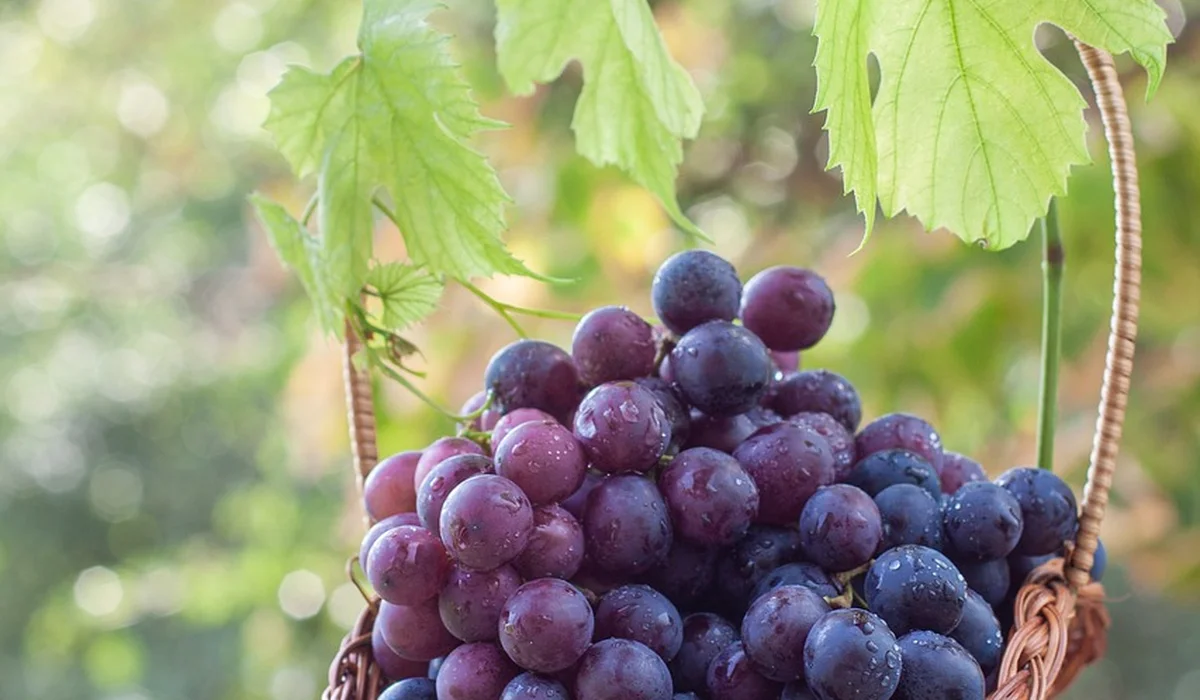
Even healthy treats can cause trouble if you’re not careful. I’ve learned from my own flock that what seems harmless can sometimes hide real risks, especially with fruits like grapes.
- Whole grapes and their hidden seeds are a major choking hazard for smaller parrots.
- Their high sugar content can easily lead to digestion issues and stomach upset.
Choking and Digestive Dangers
My Green-cheeked Conure, Kiwi, is a curious eater who tries to swallow things whole. Grape seeds and stems are the biggest culprits for causing blockages or even containing trace amounts of toxins.
- Seeds can get lodged in a parrot’s throat or digestive tract.
- Stems are tough, fibrous, and difficult for them to break down.
- Watch for symptoms like coughing, gagging, lethargy, or a sudden loss of appetite.
- Poisoning signs, though rare from grapes alone, include vomiting or unusual droppings.
Long-Term Health Concerns
I make treats a small part of my parrots’ diets because consistency matters. Overfeeding grapes can disrupt their delicate vitamin balance and lead to weight gain, which I monitor closely with my Sun Conure, Sunny. These are common parrot feeding mistakes to avoid. I keep portions small and offer a diverse, balanced diet to support their health.
- Too much sugar contributes to obesity and can crowd out more nutritious foods.
- An imbalanced diet might cause deficiencies in other essential vitamins over time.
- Always check grapes for any soft spots, discoloration, or fuzzy mold before serving.
- Discard any fruit that looks old or smells fermented to avoid spoilage risks.
How to Prepare Grapes for Your Parrot
A little prep work makes all the difference for a safe snack. Taking these simple steps ensures your parrot enjoys the treat without any of the hidden dangers. To stay safe, check the complete list of toxic foods for parrots and avoid them when choosing treats. This extra caution helps ensure every snack is truly safe.
- Always choose seedless grape varieties to eliminate the choking risk entirely.
- Pick fresh, firm grapes and avoid any that are mushy or have broken skin.
Step-by-Step Washing and Cutting
My African Grey, Sage, is a meticulous eater, and I’m just as careful with his food. Thorough cleaning removes pesticide residues and surface bacteria that could harm your bird. For a complete guide on cleaning your parrot’s environment safely, I’ll walk you through cage, perch, and toy cleaning, along with choosing safe cleaners and keeping a regular schedule.
- Rinse each grape under cool, running water while gently rubbing the skin.
- For extra caution, you can soak them in a vinegar-water solution for a few minutes, then rinse well.
- Slice each grape into quarters or smaller pieces, depending on your parrot’s size.
- Cutting them up prevents choking and makes the fruit easier for your bird to handle.
Choosing the Best Grapes
I’m picky at the grocery store, just for my birds. Selecting ripe, high-quality grapes is your first defense against potential health issues.
- Look for plump, brightly colored grapes that are firmly attached to their stems.
- Avoid bags with lots of loose grapes or any signs of juice at the bottom, which indicates spoilage.
- Both black and green seedless grapes are excellent, safe choices.
- Organic options can reduce your parrot’s exposure to chemical sprays, which is always a bonus for their long-term welfare.
Serving Size and Frequency Guidelines
Grapes are a sweet treat, not a daily meal replacement. I stick to offering them just 1-2 times a week to my flock to keep their diet varied and healthy.
Portion Control for Different Parrots
Size matters when it comes to fruit servings. My Green-cheeked Conure, Kiwi, gets a much smaller piece than my African Grey, Sage, to match their body size and energy needs.
- Small Parrots (like Budgies, Lovebirds, Parrotlets): Offer 1/4 of a single grape, seedless and chopped.
- Medium Parrots (like Conures, Caiques, Senegals): A half of one grape is a perfect portion.
- Large Parrots (like Greys, Amazons, Macaws): They can safely enjoy one whole grape, cut into manageable pieces.
Always remove any uneaten fresh fruit from the cage within a few hours to prevent spoilage and bacterial growth.
Monitoring Your Parrot’s Reaction
Every bird is an individual with unique tastes and tolerances. After introducing grapes, I watch my birds closely for any changes in behavior or droppings for the next 24 hours.
- Look for signs of an upset stomach, like loose or unusually colored droppings.
- Monitor their energy levels; lethargy can signal a problem.
- Check around the beak and face for any swelling or irritation that might indicate an allergy.
If you notice anything unusual, stop feeding grapes immediately and consult your avian vet before trying again.
What to Do If Your Parrot Eats Too Many Grapes
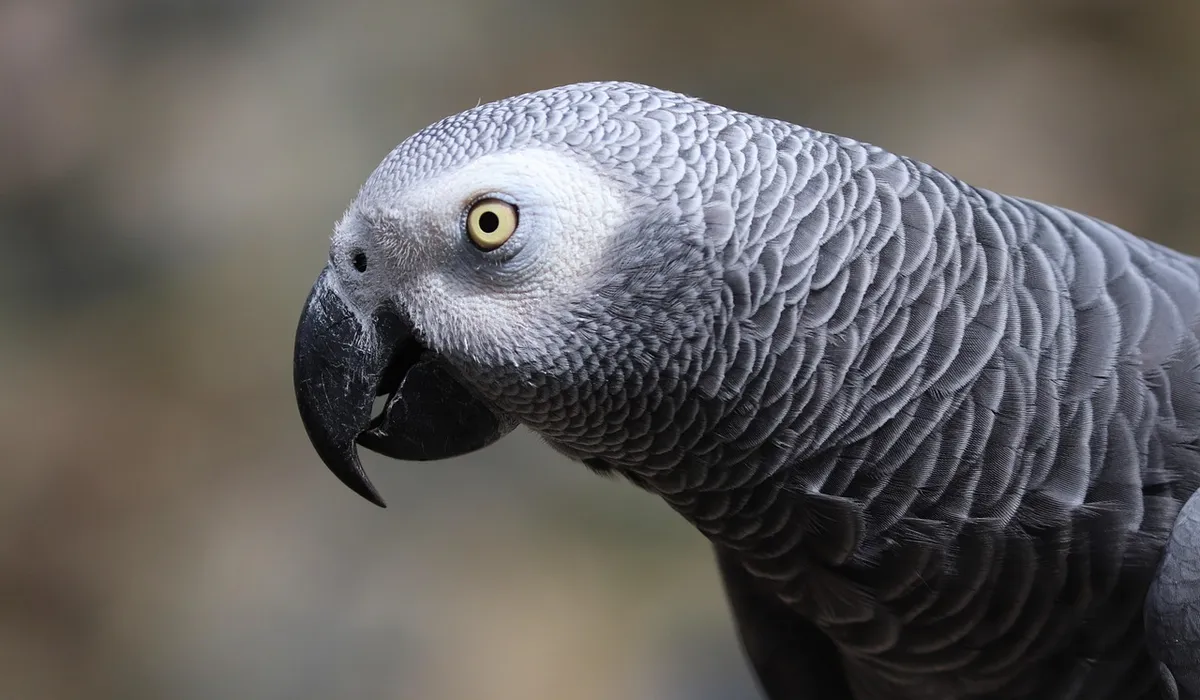
Accidents happen, but a quick response is crucial. If your parrot manages to eat several grapes, the first step is to remain calm and remove any remaining fruit from their reach. If you suspect the grapes are toxic or your parrot has ingested something harmful, seek immediate veterinary advice.
Recognizing and Responding to Emergencies
Sugar overload can cause real distress. Watch for immediate signs of trouble like sudden lethargy, vomiting, or watery diarrhea, which require urgent vet attention.
- If you suspect choking, gently restrain your bird and check for a visible blockage in the throat.
- Provide fresh, clean water to help flush their system and encourage drinking.
- Keep your avian vet’s phone number and the address of the nearest emergency animal clinic saved in your phone.
When you call the vet, be ready to tell them your parrot’s species, weight, how many grapes they ate, and the specific symptoms you are seeing. I always have a small travel carrier ready to go, just in case. To reduce stress, describe how you typically handle your parrot, including techniques for parrot handling during vet visit. Practice gentle restraint at home with a familiar towel or perch to help them stay calm at the vet.
Safe Fruit Alternatives to Grapes
- If grapes aren’t available, you can offer berries like blueberries or strawberries-my conure Kiwi adores their bright colors and sweet taste. These fruits are parrot-safe and add visual excitement to their diet.
- Grapes provide quick hydration, but apples deliver more fiber for better digestion, and berries pack antioxidants that support immune health. Switching fruits ensures your bird gets a balanced mix of vitamins without overloading on sugar.
Top Berry and Fruit Options
- Blueberries: Bursting with antioxidants that help fight cell damage. Wash them well and serve whole for larger parrots or halved for smaller ones like Kiwi.
- Strawberries: Rich in vitamin C for a healthy immune system. Remove the green tops and slice into small pieces to prevent choking hazards.
- Apples: High in fiber to aid digestion-my African Grey Sage loves the crunchy texture. Always core and remove seeds, as they contain cyanide.
- Bananas: Loaded with potassium for muscle function. Peel and mash or cut into chunks; Sunny my sun conure gobbles them up eagerly.
- Watermelon: Great for hydration on hot days, with vitamins A and C. Serve seedless varieties and remove the rind to avoid digestive issues.
- Pears: Offer gentle sweetness and extra fiber. Wash, core, and dice them-similar to apples, they’re a hit with all my birds.
- Oranges: Provide a vitamin C boost, but feed in moderation due to acidity. Peel and segment them; Sage enjoys peeling the pieces herself for mental stimulation.
FAQs
Can parrots eat dried grapes or raisins?
Dried grapes, or raisins, are not recommended for parrots due to their concentrated sugar content and potential to cause digestive issues. Always opt for fresh, seedless grapes and serve them in moderation to avoid health risks.
How should I introduce grapes to a parrot that has never tried them before?
Start by offering a tiny, well-washed piece of grape alongside their regular food to observe their reaction. Monitor for any signs of allergies or digestive upset over the next 24 hours before gradually increasing the portion if tolerated well.
Are there any long-term effects of feeding grapes regularly?
Feeding grapes too frequently can lead to obesity and nutritional imbalances over time, as their high sugar content may displace essential nutrients from a balanced diet. Limit grape treats to occasional snacks and prioritize a variety of vegetables and pellets for overall health.
Wrapping Up the Grape Debate
When it comes to sharing grapes with your parrot, the golden rules are simple: always wash them thoroughly, remove every single seed, and serve this sugary fruit in tiny, infrequent portions as a special treat. This careful approach lets your feathered friend enjoy the juicy flavor without the risks of pesticides, toxic seeds, or an unhealthy sugar overload that can disrupt their sensitive system.
Being a fantastic parrot parent means committing to a lifelong journey of learning about their unique nutritional needs and behaviors. Every snack you offer is a chance to strengthen your bond and promote their well-being, so keep asking questions, stay curious, and always put your parrot’s health and happiness first. Don’t forget to review the general dietary guidelines to ensure a balanced diet.
Further Reading & Sources
- Can Parrots Eat Grapes (Including Seeds and Peels) – Safe Or Toxic? – Parrot Junkie
- Can Parrots Eat Grapes? Vet Approved Nutrition Facts | Hepper Pet Resources
- Can Parrots Have Grapes? Everything You Need To Know About Giving Grapes To Your Parrot
Suzanne Levine is a dedicated parrot enthusiast and experienced avian caregiver with over 15 years of hands-on experience in parrot care. As the founder of Parrot Care Central, Suzanne is passionate about sharing her knowledge and insights to help fellow parrot owners provide the best possible care for their feathered friends. Her expertise spans nutrition, behavior, health, and enrichment, making her a trusted resource in the parrot care community.
Nutrition