
How to Make a Nesting Box for Parrots: A Simple Guide
You want to give your parrot a safe and cozy nesting spot, but you’re worried about getting the details right-like materials, safety, and making it feel like home.
I’ve built nesting boxes for my own parrots, Kiwi, Sunny, and Sage, and I’ll help you avoid common pitfalls by focusing on what truly matters for your bird’s comfort and welfare.
Key takeaways include:
- Selecting safe, durable materials that mimic natural habitats
- Designing for easy cleaning and ventilation to prevent health issues
- Customizing size and features based on your parrot’s species and personality
You’ll find straightforward steps and tips that I’ve tested firsthand.
Topics covered: materials selection, step-by-step building, safety checks, placement tips, maintenance routine
Why Your Feathered Friend Needs a Nesting Box
Parrots have strong nesting instincts, even if they never lay a single egg. Providing a nesting box offers a safe, private retreat that satisfies this deep-seated natural behavior. A calm, secure retreat helps a scared or stressed parrot feel safe. It’s a simple way to foster calm during troubling times. I’ve watched my Green-cheeked Conure, Kiwi, become far less anxious once she had her own little hideaway.
It’s more than just a breeding tool. A nesting box gives your parrot a dedicated space to feel secure, reducing stress and preventing feather-plucking behaviors. My Sun Conure, Sunny, uses his to nap peacefully during the day, completely undisturbed by household activity.
Think of it as their personal bedroom. This private den supports mental health by fulfilling their need for a territory they can control. My African Grey, Sage, often retreats to his box for quiet time, emerging much more relaxed and engaged.
Gathering Materials for Your DIY Parrot Nesting Box
Selecting the right materials is your first critical step. Using safe, non-toxic components ensures your parrot’s health and the box’s longevity. I learned this the hard way years ago with a poorly chosen wood that splintered easily. This same approach works when you make safe, fun homemade toys for your parrot. By choosing non-toxic, splinter-free materials, you can craft engaging toys that keep your bird safe and entertained.
Choosing the Best Wood and Safe Finishes
Not all wood is created equal for parrot furniture. Always opt for untreated, bird-safe hardwoods or softwoods like pine, poplar, or birch. I exclusively use kiln-dried pine for my projects because it’s affordable, easy to work with, and safe for my flock. Natural wood perches with varied textures and diameters support healthier feet compared to smooth dowel perches. Choosing natural wood over uniform dowels helps prevent pressure sores and promotes better foot health for parrots.
Avoid these woods completely:
- Cedar and red cherry, which contain toxic phenols
- Pressure-treated lumber, loaded with dangerous chemicals
- Plywood or particleboard, as the glues can be poisonous
Skip the varnish and stain. The safest finish is no finish at all, but a light sanding with fine-grit paper creates a smooth, safe surface. If you must treat the wood, use a 100% natural, food-grade mineral oil sparingly on the exterior only.
Essential Tools for Crafting the Box
You don’t need a professional workshop. A basic set of hand tools or a simple power drill and saw will get the job done perfectly. My very first nesting box was built with just a handsaw, a drill, and some sandpaper.
Gather these tools before you start:
- A saw (hand saw, jigsaw, or circular saw)
- Power drill with assorted drill bits
- Measuring tape and a carpenter’s square
- Sandpaper (medium and fine grit)
- Non-toxic wood glue
- Stainless steel screws
Never underestimate sanding. Thoroughly sanding every edge and surface prevents painful splinters and encourages your parrot to explore their new home. I spend almost as much time sanding as I do assembling to ensure a flawless, bird-friendly finish.
Designing Your Parrot Nesting Box: Dimensions and Plans
Getting the Box Dimensions Right
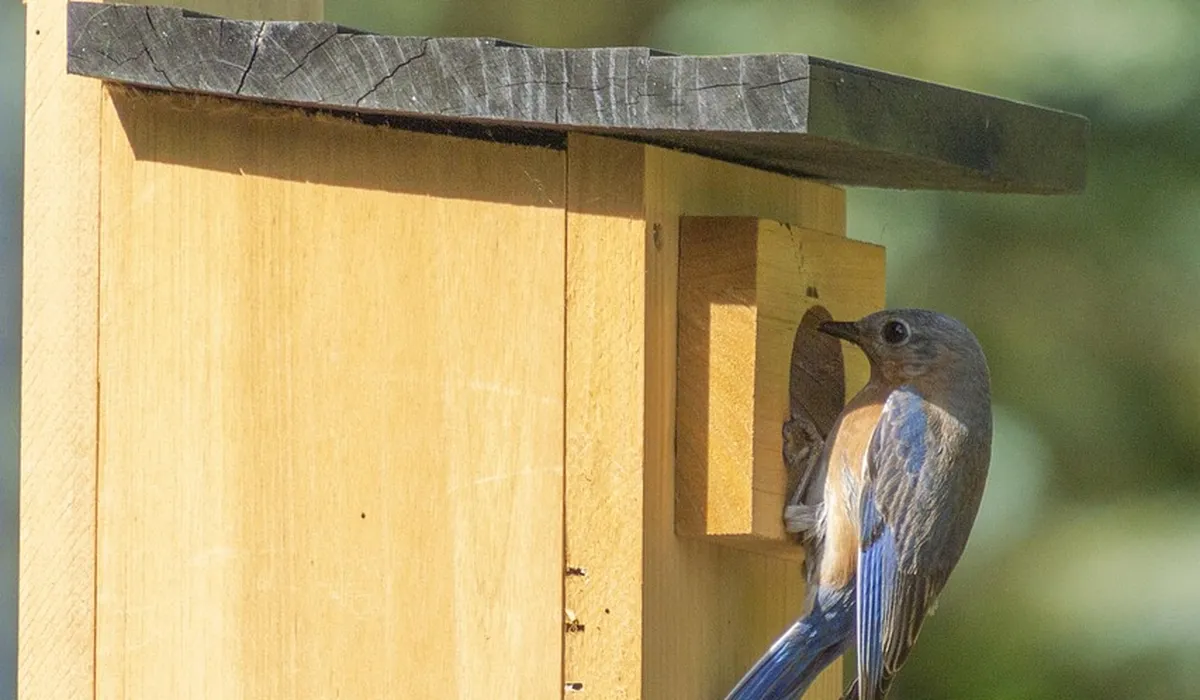
You need to match the box size to your parrot’s species for a cozy, secure space. I learned this the hard way when I built a box that was too small for my Sun Conure, Sunny; she refused to use it until I upsized it based on her natural habits. For smaller birds like Green-cheeked Conures such as Kiwi, aim for a box around 12 inches wide, 12 inches deep, and 12 inches high. Larger parrots like African Greys, such as Sage, thrive in boxes about 18 inches wide, 18 inches deep, and 24 inches high. Here’s a quick guide based on my flock and research:
- Small parrots (e.g., conures, lovebirds): 10-12 inches in all dimensions
- Medium parrots (e.g., Amazons, small cockatoos): 14-16 inches wide and deep, 18-20 inches high
- Large parrots (e.g., African Greys, Macaws): 18-24 inches wide and deep, 24-30 inches high
Always measure your bird’s wingspan and add a few inches to prevent crowding. Proper dimensions reduce stress and encourage natural nesting behaviors, which I’ve seen firsthand with Sage’s calm demeanor in her spacious box.
Adding Ventilation and Drainage Holes
Ventilation and drainage are non-negotiable for your parrot’s health. After a scare with mold in an early box I made, I now drill small holes to keep air fresh and moisture low. Place ventilation holes near the top of the box sides-about 1/4 to 1/2 inch in diameter-to allow airflow without drafts. For drainage, add a few holes in the bottom, spaced evenly to let any spills or dampness escape. Use a drill bit size that prevents tiny feet from getting stuck; I stick with 1/4 inch for most of my birds. This simple step helps prevent respiratory issues and keeps the environment dry, something I prioritize for all my parrots’ well-being. Especially when combined with proper humidity control.
Step-by-Step Construction of Your Parrot Nesting Box
Assembling the Box with Safe Joinery
Start by choosing untreated, non-toxic wood like pine or plywood-avoid pressure-treated lumber that can harm birds. I always use screws instead of nails because they hold tighter and are less likely to loosen over time, as I discovered when Kiwi’s playful chewing tested my first box. Cut the wood pieces according to your dimensions, then assemble the sides, bottom, and top using wood screws every 4-6 inches for stability. Pre-drill holes to prevent splitting, and ensure all edges are smooth to avoid injuries. Safe joinery means your parrot can explore without risk, a lesson I reinforced after Sunny got a minor scrape from a rough edge. It’s especially important when compared to metal cages, which can have rough edges.
Installing Perches and Interior Lining
Add a perch inside the box for easy access and comfort. I use natural wood branches with varying diameters to support foot health, just like the perches in Sage’s cage that she loves to grip. Secure the perch firmly with screws, positioning it near the entrance but not blocking it. For the interior lining, opt for soft, safe materials like untreated fleece or shredded paper-avoid fabrics with loose threads that could entangle toes. A comfortable lining encourages nesting and reduces anxiety, which I’ve seen make a big difference in my birds’ behavior during breeding seasons. Replace the lining regularly to maintain hygiene and prevent pests.
Mounting and Weatherproofing Your Nesting Box
Choosing the Right Location and Height
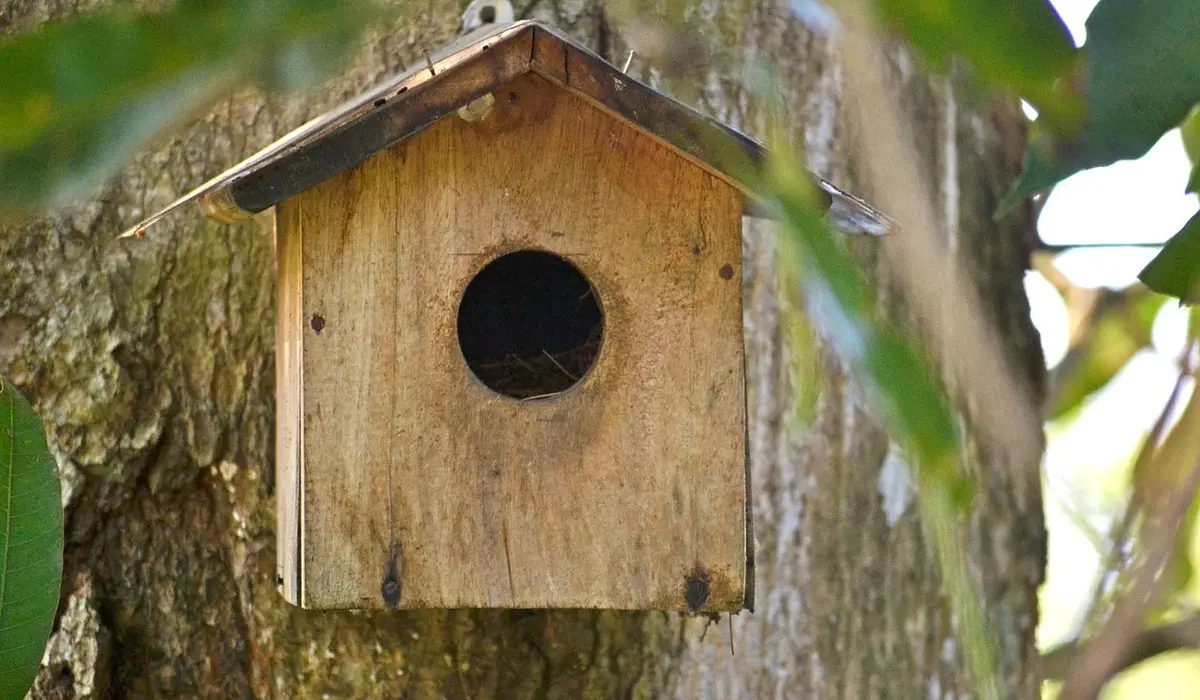
Placement is everything for a successful nesting box. I learned this the hard way when I hung my first box for Kiwi, my Green-cheeked Conure, in a spot that was too low and too exposed. You want to mount the box high up on a wall or in a quiet corner of the aviary, mimicking the safety of a tall tree. The ideal height depends on your parrot’s species; my Sun Conure, Sunny, feels safest about six feet up, while my African Grey, Sage, prefers his box even higher.
- Mount the box in a quiet, low-traffic area to minimize stress.
- Ensure the entrance hole faces away from direct drafts and main activity areas.
- Position the box so you can easily observe it without disturbing the inhabitants.
- Use sturdy, rust-proof hardware to securely fasten the box to the wall or cage.
Applying Weatherproofing and Predator Guards
Your beautifully built box needs protection from the elements and unwanted visitors. I never use chemical sealants or pressure-treated wood, as my parrots will inevitably chew on it. A simple, non-toxic linseed oil finish protects the wood from moisture without risking your bird’s health. For outdoor aviaries, a sloped, overhanging roof is your best defense against rain.
Predator guards are a non-negotiable safety feature. A simple metal plate around the entrance hole prevents squirrels or other birds from chewing their way in. Installing a guard was a game-changer for my peace of mind, especially at night when raccoons are most active. For added security, consider placing a baffle on the pole or wall below the box to deter climbing animals.
Maintaining and Cleaning Your Parrot Nesting Box
Regular Checks and Vermin Proofing
A nesting box isn’t a “set it and forget it” project. I make it a habit to do a quick visual check every few days when my birds are out playing. Look for signs of wear, moisture buildup, or any unwanted guests like mites or ants trying to move in. Keeping the area around the box clean and free of old food scraps is your first line of defense against vermin.
Between breeding cycles, I do a deep clean and inspection. I remove all the old bedding and scrub the box with a bird-safe disinfectant, then let it air dry completely in the sun. This thorough cleaning between uses prevents the buildup of bacteria and discourages parasites from taking hold. This is part of a complete guide to safely cleaning your parrot’s environment. For the full steps and safety tips, see the complete guide. Always ensure the box is bone-dry before adding fresh bedding and offering it back to your parrots.
FAQs
Can I find parrot nesting boxes at Bunnings?
Bunnings may stock some pet supplies, but they rarely carry specialized parrot nesting boxes. It’s better to check avian specialty stores or online retailers for a wider selection of safe, species-appropriate options.
Where can I buy parrot nesting boxes in Perth?
In Perth, you can find parrot nesting boxes at local pet stores or avian specialty shops that cater to bird owners. Online marketplaces also offer delivery to Perth, providing access to various designs and sizes.
What should I look for in a parrot nesting box for sale?
When buying a parrot nesting box, prioritize non-toxic materials and adequate ventilation to ensure your bird’s health. Also, verify the dimensions match your parrot’s species for comfort and security. Ensure the nesting box aligns with your parrot’s housing cage requirements—size and bar spacing appropriate for the species.
Are there ready-made alternatives to DIY parrot nesting boxes?
Yes, many pet suppliers and online stores sell pre-assembled parrot nesting boxes in different styles and sizes. These can save time and effort if you’re not comfortable with building one yourself.
Can I use Ikea products to create a parrot nesting box?
Ikea items often have finishes or glues that may be harmful to parrots, so they are not recommended for direct use. Opt for untreated, bird-safe wood and follow verified DIY plans to ensure your parrot’s safety.
Final Words
From my years with parrots like Kiwi and Sage, I’ve found that building a safe nesting box starts with non-toxic wood and the right size for your bird’s species. Focus on sturdy construction and easy access for cleaning to keep your feathered friend secure and comfortable. In a complete design guide for building a parrot-safe bird room, you’ll learn how nesting spaces fit into a cohesive, safe environment for every bird. Our guide covers materials, layout, ventilation, and easy-to-clean surfaces to support daily care and long-term well-being.
Owning a parrot is a joyful journey that demands ongoing attention and education. Keep exploring their world to deepen your bond and ensure their well-being for years to come. For new owners, your new parrots first day home step-by-step survival guide can help you get started on day one. It offers simple steps to help your bird settle in confidently.
Further Reading & Sources
Suzanne Levine is a dedicated parrot enthusiast and experienced avian caregiver with over 15 years of hands-on experience in parrot care. As the founder of Parrot Care Central, Suzanne is passionate about sharing her knowledge and insights to help fellow parrot owners provide the best possible care for their feathered friends. Her expertise spans nutrition, behavior, health, and enrichment, making her a trusted resource in the parrot care community.
Nesting