
Grooming Gaffes: 5 Common Mistakes When Trimming Nails and Wings
Trimming your bird’s nails and wings might feel scary, especially if you’re worried about causing pain or stress to your feathered friend.
I’ve been there with my own birds-like Kiwi, my playful Green-cheeked Conure-and I’ve learned how to turn grooming into a safe, positive experience. This guide will walk you through the top pitfalls and how to sidestep them with confidence.
- Spotting the quick in nails to avoid bleeding and discomfort
- Clipping wings correctly to maintain balance and prevent escapes
- Choosing the right tools and handling techniques for a stress-free session
You’ll get easy-to-follow tips that prioritize your bird’s well-being. We’ll cover: Cutting the quick, Uneven wing clips, Using dull clippers, Overlooking bird stress, Skipping proper restraint.
Choosing the Wrong Grooming Tools for Your Parrot
Picking the right tools makes grooming a breeze instead of a battle. Using dull or improper clippers can turn a simple trim into a stressful event for both you and your bird. I learned this the hard way with Kiwi, my Green-cheeked Conure; a cheap pair of nail trippers caused her to squirm and vocalize in discomfort, which taught me to invest in quality gear.
- Opt for sharp, bird-specific clippers to avoid crushing nails or feathers.
- Avoid human or dog nail trimmers, as they are too bulky and can lead to uneven cuts.
- Choose stainless steel tools for durability and easy cleaning to prevent infections.
Why Tool Quality Affects Your Bird’s Comfort
High-quality tools reduce pain and anxiety during grooming sessions. Poor tools can cause tiny fractures in nails or feathers, leading to long-term fear of handling. With Sunny, my Sun Conure, switching to a precision trimmer made her more relaxed and cooperative, showing how the right equipment builds trust.
Dull blades tug instead of cut, increasing stress and potential injury. Smooth, quick cuts with sharp tools minimize discomfort and help your parrot associate grooming with positive experiences. I always check my tools before each use to ensure they are in top condition, advocating for tools that prioritize your bird’s welfare.
Over-Trimming or Under-Trimming Nails and Wings
Getting the length just right is key to your parrot’s health and mobility. Over-trimming nails can hit the quick, causing bleeding and pain, while under-trimming leads to overgrowth that affects perching and flight. With Sage, my African Grey, I once trimmed too close and had to use styptic powder—a lesson in patience and precision. For many owners, nail, beak, and feather care go hand in hand, so a gentle grooming routine that covers all three helps overall health. If you’re unsure about trimming, consult an avian vet or experienced groomer for guidance.
- Trim nails gradually, taking off small bits to avoid the quick.
- For wings, aim for a balanced cut that allows controlled gliding but prevents full flight.
- Check for signs of discomfort, like favoring one foot or difficulty moving, to gauge if you’ve gone too far.
How to Spot the Quick and Blood Feathers
Identifying the quick in nails and blood feathers in wings prevents accidents and keeps your bird safe. The quick is a pinkish vein inside the nail-trim just before it to avoid injury. In lighter-colored nails, it’s easier to see, but for dark nails like Kiwi’s, I shine a light behind them to spot the shadow.
Blood feathers are new feathers with a blood supply; they look darker and more flexible. If you accidentally cut one, apply gentle pressure with cornstarch or a styptic pencil to stop bleeding quickly. Understanding blood feathers and how to handle an emergency is crucial for any parrot owner. I always inspect wings in good lighting, and with Sunny’s vibrant colors, it helps me avoid these sensitive areas, ensuring her grooming is stress-free and humane.
Improper Handling and Restraint During Grooming
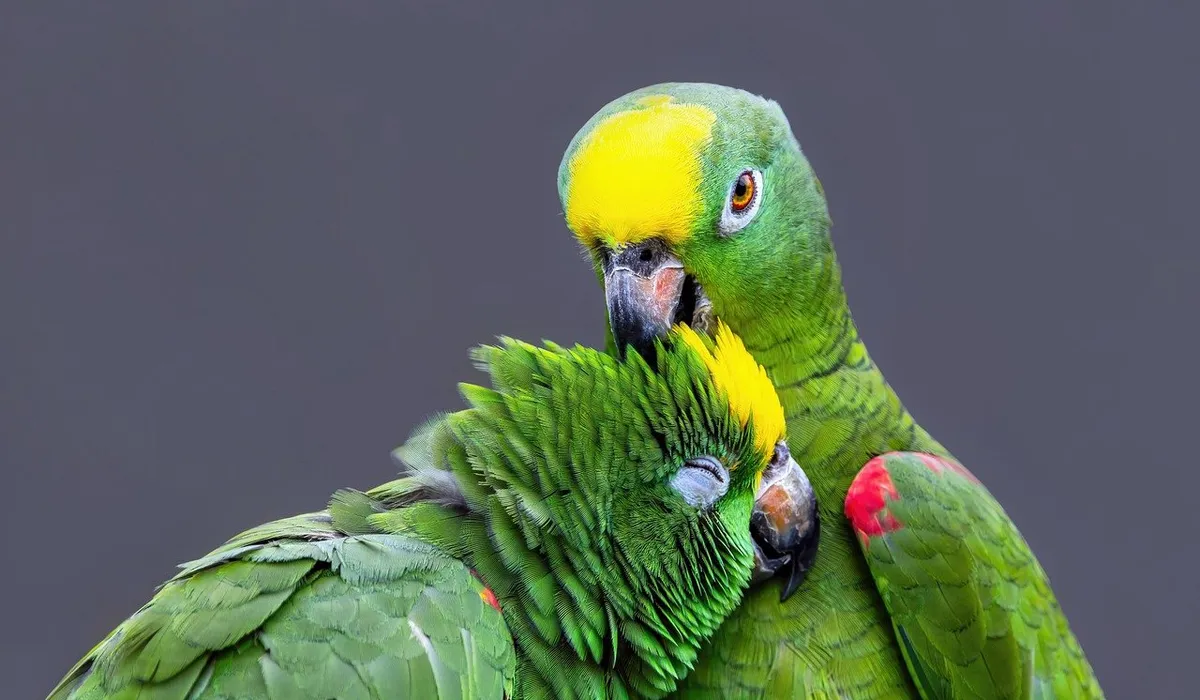
I learned this lesson the hard way with my Green-cheeked Conure, Kiwi. The first time I tried to trim his nails, I held him too tightly, hoping to keep him still. Holding a parrot too firmly doesn’t calm them; it signals danger and triggers a panic response. His little heart was pounding, and he squawked in a way I’d never heard before. It broke my trust with him for a few days. Now, during vet visits, I let the vet guide the handling and use gentle, secure restraint to keep him calm and reduce stress. With practice at home, he becomes more cooperative over time.
The Right Way to Hold Your Parrot
You’re not wrestling a crocodile; you’re giving a friend a manicure. The goal is secure but gentle restraint.
- Use a “Towel Hug”: Gently wrap your bird in a small, clean towel, leaving the foot or wing you’re working on exposed.
- Support the Body: Always fully support their chest and back. Never let their feet dangle unsupported.
- Keep it Brief: Work in short, 30-second bursts. If your bird gets overly stressed, stop immediately and try again later.
My Sun Conure, Sunny, is much more accepting of grooming when I talk to her in a soft, steady voice throughout the process. Your calm and confident energy is the most powerful tool you have for a stress-free grooming session. If you’re nervous, they will be too.
Neglecting Safety Precautions Like Blood Feather Care
This is the grooming mistake that keeps me up at night. A blood feather is a new, growing feather that has a blood supply running through its shaft. If you accidentally clip one, it can lead to significant, rapid blood loss. Some owners ask if clipping a parrot’s wings is safe and what the pros and cons are. Alternatives to clipping include harness training or supervised, safe flight options, which you should discuss with a qualified avian vet.
How to Spot a Blood Feather
Before you even think about trimming wings, you must do a feather check.
- Look for the Sheath: New feathers are encased in a waxy, blueish-gray coating.
- Check the Shaft: A live blood feather will have a dark, noticeable vein running through the center of the quill.
- Avoid the “Blood Line”: Only trim feathers that are fully mature and have a clear, hollow shaft.
I check my African Grey, Sage, meticulously before any wing trim. His dark grey feathers make it trickier to see the blood supply, so I use a bright light. A moment of careful inspection can prevent a terrifying emergency.
What to Do in a Blood Feather Emergency
If you accidentally clip a blood feather, don’t freeze. You need to act fast.
- Remain Calm: Your panic will scare your bird and make the bleeding worse.
- Apply Direct Pressure: Use a clean cloth or a styptic powder (made for birds) directly on the broken shaft.
- Contact Your Vet Immediately: Even if you stop the bleeding, a broken blood feather can be incredibly painful and prone to re-bleeding. Your avian vet may need to remove the entire feather shaft.
Having a bird first-aid kit with styptic powder and gauze within arm’s reach is non-negotiable. Preparing for the worst is the best way to ensure you can handle it calmly and effectively.
Skipping Desensitization and Preparation Steps
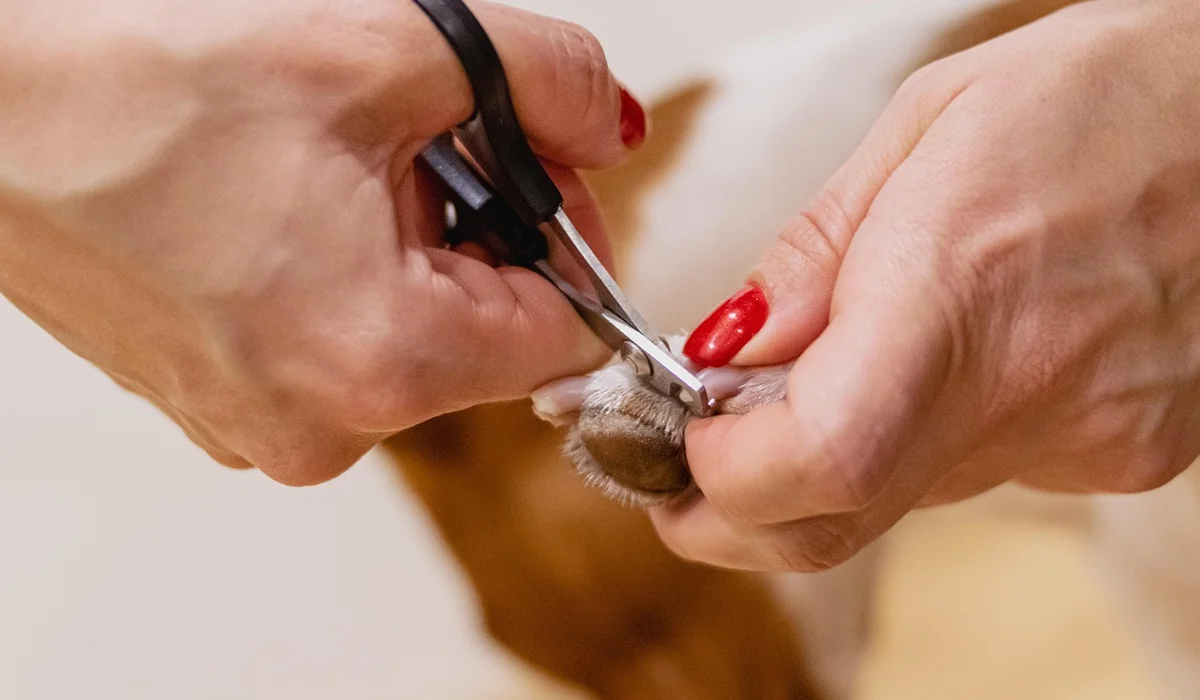
I used to think I could just grab my conure Kiwi and start trimming. That approach backfired spectacularly and cost me her trust for weeks. Rushing the process creates fear and turns grooming into a battle.
Desensitization means getting your bird comfortable with the tools and handling before you ever make a cut. I spend a few minutes each day letting my birds inspect the clippers and file. We make it a positive game with their favorite treats.
Your Step-by-Step Preparation Plan
- Place grooming tools near the cage for several days so they become familiar objects
- Handle your parrot’s feet and wings gently during calm cuddle sessions
- Touch the clippers to their nails without cutting to simulate the procedure
- Practice extending wings gently and reward immediately with a small treat
- Keep sessions short and positive – never force through clear signs of distress
My African Grey Sage now lifts her foot when she sees the nail file because we built that trust over time. Preparation transforms grooming from terrifying to tolerable for your feathered friend.
When to Seek Help from a Professional Groomer or Vet
Even after years of experience, I still take my birds to an avian vet for certain situations. Recognizing your limits is a sign of responsible parrot ownership, not failure. If you’re new to parrots or want a quick reference, our complete guide to the most common parrot health concerns can help. It’s designed to help you spot issues early and know when to seek veterinary care.
My sun conure Sunny once had a nail quick that bled for what felt like forever. That was my wake-up call to know when to call in reinforcements.
Clear Signs You Need Professional Assistance
- Dark-colored nails where you cannot see the quick (blood vessel)
- Birds that become extremely stressed or aggressive during handling
- Any bleeding that doesn’t stop within 2-3 minutes of applying styptic powder
- Feathers that appear damaged or bleeding during wing trimming
- If you feel uncertain or anxious about any part of the process
Avian vets and experienced groomers have specialized tools and training to handle difficult cases safely. Avian vets understand bird-specific anatomy and diseases that regular vets may miss. That’s why your parrot benefits from an avian specialist, not just a general veterinarian. Your parrot’s welfare always comes before saving money or time on professional services. I schedule regular check-ups that include light grooming to maintain my birds’ comfort between full sessions.
FAQs
How often should I groom my parrot’s nails and wings?
Nail trimming is typically needed every 4-6 weeks, but frequency depends on your parrot’s activity and perch types. Wing clipping may be required every few months to maintain safe flight control and prevent accidents. Learn how to safely clip your parrot’s wings to ensure their wellbeing.
What are the signs that my parrot is ready for grooming?
Look for calm behavior, such as relaxed body language and willingness to step onto your hand without resistance. Avoid grooming if your parrot shows signs of stress, like panting or feather fluffing, to ensure a positive experience. This is especially important when addressing behavioral issues through routine and training.
Can I use treats to help with grooming sessions?
Yes, offering small, healthy treats before and after grooming can build positive associations and reduce anxiety. Use rewards consistently to reinforce good behavior and make future sessions easier and more cooperative.
Wrapping It Up
Ultimately, the best grooming comes from a place of patience, using the right tools like proper clippers and styptic powder, and always respecting your parrot’s body language. Trimming just the sharp tip of the nail and only the primary flight feathers ensures your bird stays safe, mobile, and stress-free. This can be done safely at home. Just go slowly in a calm environment and keep sessions brief.
Owning a parrot is a beautiful, long-term commitment that demands we keep learning. I encourage you to stay curious, consult with an avian vet, and connect with fellow parrot enthusiasts to continually refine your care techniques. Annual vet check-ups are a key part of any parrot’s preventative care guide, helping catch issues early and keep them thriving. Building a routine with your vet ensures ongoing health and peace of mind.
Further Reading & Sources
- Bird Beak, Wing, and Nail Trims | Veterinarian in Williamston, MI | Cedar Creek Veterinary Clinic
- Wing Trimming and Nail Clipping – Pet World Experience – Lawrence, KS
- How to Clip Your Nails Like a Pro | GQ
Suzanne Levine is a dedicated parrot enthusiast and experienced avian caregiver with over 15 years of hands-on experience in parrot care. As the founder of Parrot Care Central, Suzanne is passionate about sharing her knowledge and insights to help fellow parrot owners provide the best possible care for their feathered friends. Her expertise spans nutrition, behavior, health, and enrichment, making her a trusted resource in the parrot care community.
Nail Trimming