
Choosing the Best Air Purifier for Your Parrot’s Home
Published on: February 7, 2026 | Last Updated: February 7, 2026
Written By: Suzanne Levine
You’re wondering if an air purifier is safe for your feathered friend and what to look for to keep their delicate lungs healthy. Living with my own flock-Kiwi the conure, Sunny the sun conure, and Sage the African Grey-has taught me how sensitive parrot respiratory systems truly are.
I’ve tested different models and learned what truly matters for a bird-safe environment. You’ll get clear, actionable advice based on real experience. We’ll cover the three most critical factors for choosing a parrot-safe air purifier:
- Why certain filter types are dangerous and which are essential
- How to avoid hidden toxins in purifier materials
- Where to place your unit for maximum safety and effectiveness
By the end, you’ll feel confident selecting a purifier that actually helps your parrot breathe easier. The article covers: types of harmful filters, safe technologies, placement tips, maintenance schedules, and recommended models.
What is Feather Dust and Why It Affects Your Home
Feather dust is that fine, powdery substance you find coating every surface near your parrot’s cage.
Parrots produce this dust from specialized powder-down feathers that grow continuously and crumble into microscopic particles. Regular feather care and grooming, including nail, beak, and overall feather health, are important parts of caring for a parrot. If you’re unsure how to groom safely, consult an avian vet or experienced groomer.
My Green-cheeked Conure, Kiwi, is a prolific dust producer, leaving a tell-tale white film on my black TV stand within days.
Feather Dust vs. Dander: What’s the Difference?
Many people confuse these two, but they’re quite distinct:
- Feather dust comes from powder-down feathers and feels like fine talc
- Dander consists of dead skin cells that all animals shed naturally
- Feather dust particles are much smaller and stay airborne longer
- Dander is more visible and tends to settle faster on surfaces
- Birds produce both simultaneously, creating a double challenge
How Feather Dust Impacts Your Home and Health
This invisible powder affects everything from your air quality to your wellbeing:
- Creates a visible film on electronics, furniture, and windows
- Triggers allergy symptoms like sneezing, itchy eyes, and nasal congestion
- Can aggravate asthma and respiratory conditions in sensitive individuals
- Clogs HVAC filters faster than normal household dust
- Creates breathing challenges for birds themselves when concentrated
After adopting my African Grey, Sage, I noticed my seasonal allergies worsened until I understood the feather dust connection.
How Air Purifiers Help Your Parrot Breathe Easier
A quality air purifier transforms your parrot’s living space from dusty to breathable.
These machines work constantly to remove feather dust particles before they can irritate human or avian respiratory systems.
My sun conure, Sunny, used to sneeze occasionally until I added proper air filtration to our routine.
Beyond Feather Dust: Capturing VOCs and Odors
Modern air purifiers handle more than just visible particles:
- Eliminate volatile organic compounds from cleaning products
- Reduce cooking odors and smoke that can harm sensitive bird lungs
- Capture pollen and outdoor allergens that enter through windows
- Remove household dust and other environmental irritants
I was amazed how much fresher my home smelled after running a purifier near my birds’ cages for just one week.
Step-by-Step: How Purifiers Capture Feather Dust
- Air enters the unit through intake vents at base or sides
- Pre-filter catches larger feathers and debris
- HEPA filter traps 99.97% of feather dust particles
- Activated carbon layer absorbs odors and VOCs
- Clean air circulates back into your bird’s environment
Positioning your purifier near the cage but not directly blowing on your bird makes a dramatic difference in dust accumulation.
Personal Experience: From Wheezing to Breathing Easy
Before using air purifiers, I’d wake up congested and find dust on my nightstand.
Now my asthma rarely flares up, and I can actually see the difference in how much dust collects around my birds’ living area.
The air simply feels cleaner and lighter, which benefits everyone in our flock-human and avian alike.
Key Features to Look for in a Parrot-Safe Air Purifier
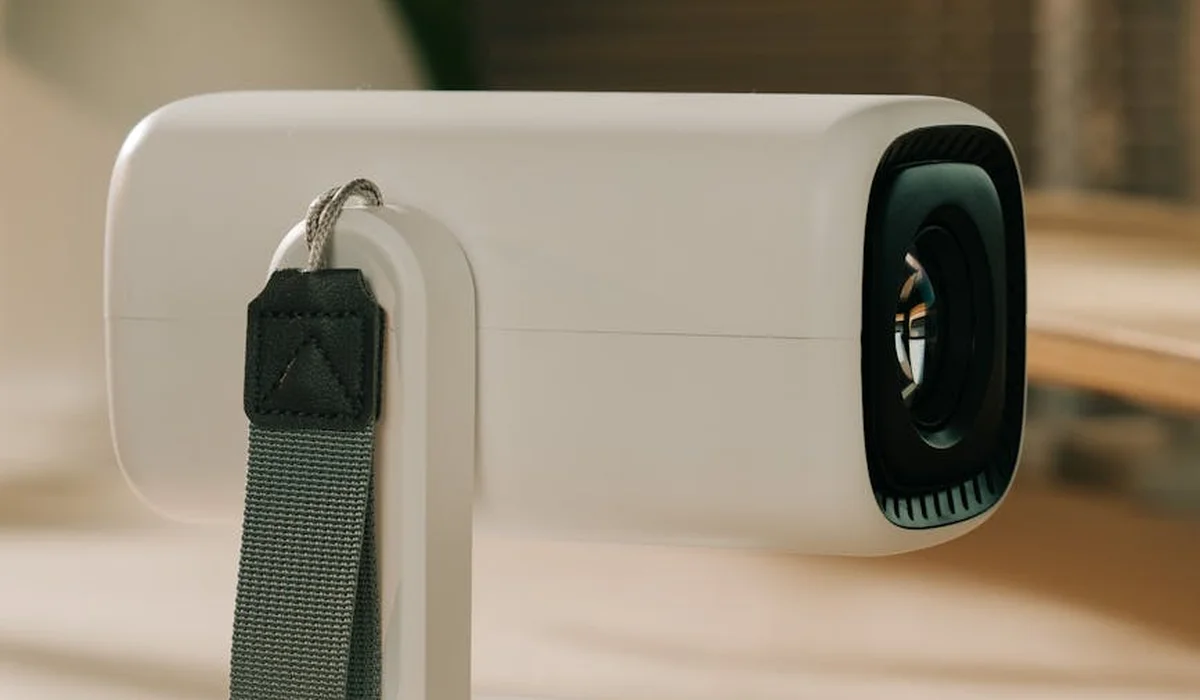
Living with my three parrots, Kiwi, Sunny, and Sage, has taught me that clean air is non-negotiable. Your bird’s delicate respiratory system is incredibly sensitive, so the air purifier you choose must be a guardian, not a hazard. Even common household toxins—such as fumes from nonstick cookware, aerosols, strong cleaners, or scented products—can quickly irritate their lungs and make them ill. Being mindful of these hazards helps keep Kiwi, Sunny, and Sage safe at home.
Core Filtration Technologies
Look for a machine that combines these three essential layers of protection.
- True HEPA Filter: This is your feather duster’s best friend. It physically traps microscopic dust, dander, and allergens that your parrot kicks up during playtime and preening.
- Activated Carbon Filter: Birds are vulnerable to airborne chemicals and odors from cooking, cleaning sprays, or even non-stick pans. A thick carbon layer acts like a sponge, absorbing these invisible threats.
- Ozone-Free Operation: This is a deal-breaker. Some purifiers generate ozone, a gas that is toxic to birds and can silently damage their lungs. Always verify the product is certified ozone-free.
Understanding CADR for Bird Health
The Clean Air Delivery Rate (CADR) tells you how fast a purifier can clean a room’s air. A higher number is better, especially for larger spaces or multiple birds.
| Room Size (Square Feet) | Minimum Recommended CADR | Why It Matters for Your Parrot |
|---|---|---|
| Up to 200 sq ft | 100-150 | Good for a single bird in a smaller room; keeps dander from settling. |
| 200 to 400 sq ft | 150-250 | Ideal for my setup with multiple birds; handles higher dust production effectively. |
| 400+ sq ft | 250+ | Essential for open-plan areas; ensures clean air circulation throughout the entire space. |
Noise and Energy Considerations
Your parrot’s comfort extends beyond air quality. A loud or inefficient machine can cause stress and rack up your bills. A calmer sound environment, supported by your parrot’s steady vocalizations, can help manage household noise and reduce stress.
- Noise Levels: Aim for a purifier that runs below 50 decibels on its main setting. A loud hum can startle birds and disrupt their sleep, much like it would startle you.
- Energy Efficiency: Look for an ENERGY STAR® rating. These units clean your air without cleaning out your wallet on electricity, which is crucial for a device that needs to run consistently.
HEPA vs. Other Filter Types: What Works Best
Not all filters are created equal, especially in a home with parrots. I learned this the hard way with a cheaper, ionic model that left a fine dust on everything.
| Filter Type | Pros for Parrot Owners | Cons for Parrot Owners |
|---|---|---|
| HEPA Filter | Mechanically traps dust and dander; no harmful byproducts; highly effective. | Filters need regular replacement; initial cost can be higher. |
| Ionic / Ionizer | Often quieter operation; no physical filter to replace. | Can produce trace amounts of ozone; often less effective at removing larger dust particles. |
| Non-Ionizing (e.g., UV Light) | Can help reduce mold and bacteria in the air. | Does little to nothing for particulate dust and dander; must be paired with a HEPA filter to be useful. |
Why Ozone-Free and Low Noise Matter
These two factors are directly tied to your parrot’s physical and mental well-being. Ignoring them is a risk I wouldn’t take. By establishing a daily routine and using routine training, you can effectively handle common behavioral issues. Consistent, positive sessions reinforce good habits and strengthen your bond with your parrot.
Ozone is a severe respiratory irritant for birds. Their unique lung structure absorbs gases more efficiently, meaning even low levels of ozone from a “fresh air” purifier can cause inflammation, breathing difficulty, and long-term damage.
High noise levels create a constant state of low-grade stress. Parrots are prey animals, and a persistent, unfamiliar mechanical sound can keep them on edge, affecting their appetite and vocalizations. A quiet purifier helps maintain the peaceful, secure environment your flock needs to thrive. To create a safe, stimulating indoor flight environment for your parrot, add supervised flight time in a calm room with safe perches. Enrichment toys and foraging activities can help them stay active and engaged.
Features to Actively Avoid
- Any air purifier that mentions “ionizing,” “plasma,” or “oxidation” technology, as these often produce ozone.
- Units with loud fan settings that exceed 55 decibels.
- Machines that lack a clear, certified HEPA filtration system.
Choosing the Right Air Purifier for Your Parrot’s Space
Finding the perfect purifier is like choosing the right size cage-it needs to fit the space and its inhabitants perfectly.
Matching Purifier to Room and Flock
The size of the room and the number of birds you have are the two most important factors. My sun conure, Sunny, produces far more powder down than my African Grey, Sage, so I need a machine that can handle that variety.
- Small Room (under 200 sq ft) / 1-2 Small Birds: A compact purifier with a CADR around 120 is sufficient.
- Medium Room (200-400 sq ft) / Multiple Birds: This is the sweet spot for most owners. Look for a CADR of 200+ to manage the collective dander.
- Large Room or Open Floor Plan (400+ sq ft): You’ll need a heavy-duty unit with a high CADR, or consider placing two smaller purifiers at opposite ends of the space.
Strategic Placement Near the Cage
Where you put the purifier is almost as important as which one you buy. You want clean air without creating a direct draft on your bird.
- Position it a few feet away from the cage. Do not point the output vent directly at your parrot.
- Ensure good airflow around the unit. Keep it at least a foot away from walls and furniture for optimal intake and circulation.
- Place it at cage level or slightly higher. This helps it capture dust as it becomes airborne, rather than after it has settled on the floor.
Budgeting for the Long Haul
The initial purchase price is just the beginning. Owning an air purifier is a commitment to ongoing maintenance for your parrot’s health.
- Initial Cost: Expect to invest more for a high-quality, bird-safe unit with HEPA and carbon filters.
- Filter Replacement Schedule: HEPA filters typically last 6-12 months. Pre-filters (which catch larger hairs and feathers) should be vacuumed monthly. Carbon filters may need replacing every 3-6 months, depending on your home’s air quality.
- Factor in Filter Costs: Before you buy, check the price and availability of replacement filters. An affordable machine can become expensive if the proprietary filters are costly and hard to find.
Maintaining Your Air Purifier for Peak Performance

Regular maintenance transforms your air purifier from a simple appliance into a dedicated ally for your parrot’s respiratory health. To support that protection, consider a weekly and monthly parrot cage maintenance checklist. This helps keep cage cleaning and purifier upkeep aligned for ongoing health.
Your Filter Maintenance Routine
- Unplug the unit and let it cool down completely before you touch any internal parts.
- Remove the pre-filter-that’s the outer, often mesh-like layer-and gently vacuum it or rinse it with cool water once every two weeks. Let it air dry completely before putting it back.
- Check the main HEPA filter every month. I hold mine up to a bright light; if I can’t see light easily passing through, it’s time for a deep clean or replacement, depending on the type.
- For washable HEPA filters, follow the manufacturer’s instructions precisely. I use a gentle stream of water and never scrub the delicate filter material.
- Wipe down the exterior and the internal housing of the purifier with a damp cloth to remove any settled dust that bypassed the filters.
Signs It’s Time for a New Filter
- The purifier’s airflow seems noticeably weaker, even on the highest setting.
- You hear the motor straining or working harder than usual.
- A musty odor starts emanating from the unit, even after you’ve cleaned the pre-filter.
- Visible dust or discoloration remains on the HEPA filter after a proper cleaning.
- Your own allergies or the amount of surface dust in the room increases, a sure sign the purifier isn’t capturing particles effectively.
Integrating Purifier Care Into Your Parrot Routine
I pair my air purifier maintenance with my birds’ weekly deep-cage cleaning. While my conures, Kiwi and Sunny, are enjoying their out-of-cage playtime on a Saturday morning, I quickly run through the filter check. It’s become a seamless part of the household rhythm. I also keep a reminder on my phone that syncs with my African Grey Sage’s molting periods, as that’s when the filters work overtime and need more frequent attention.
Extra Tips to Cut Down Feather Dust in Your Home
An air purifier is a powerful tool, but it works best as part of a multi-pronged strategy to manage feather dust.
- Strategic Grooming: Gently misting your parrots with a spray bottle encourages them to preen and helps weigh down the lightest dust particles before they become airborne. My sun conure, Sunny, absolutely loves his morning spritzes.
- Frequent Cage Liner Changes: I change cage papers every single day. A huge amount of dust settles there overnight, and removing it promptly prevents it from being stirred back into the air.
- Damp Dusting is Key: Never dry dust surfaces around your bird’s area. I use a slightly damp microfiber cloth to trap dust on perches, playstands, and nearby furniture instead of just sending it flying.
- Smart Vacuuming: Use a vacuum with a certified HEPA filter to clean floors and curtains. This ensures you’re capturing the fine dust you suck up, not just blowing it out the exhaust.
- Air Purifier Placement: Position your purifier near the bird cage, but not so close that it creates a direct, strong draft on your parrot. I keep mine a few feet away from my African Grey’s cage to effectively pull in dust without disturbing her.
From my experience with three very different parrots, I’ve found that combining these methods creates a much cleaner environment. My dusty cockatiel required daily damp dusting of his entire room, while my green-cheeked conure produces less dust but benefits greatly from regular misting. The air purifier runs constantly in the background, acting as the final safety net to catch whatever we miss. This aligns with a complete guide to cleaning your parrot’s environment safely. In that guide, use bird-safe cleaners, avoid toxic fumes, and ensure plenty of ventilation while you clean.
FAQs
Are there any air purifier brands specifically recommended for parrot owners?
While the article doesn’t list specific brands, prioritize models with true HEPA filters, activated carbon, and ozone-free certification. Always check recent reviews from other bird owners for reliable, bird-safe options.
How can I acclimate my parrot to the sound of a new air purifier?
Start by placing the purifier at a distance and running it on the lowest, quietest setting. Gradually increase the fan speed and proximity over several days to help your bird adjust without stress.
Is it safe to use an air purifier in the same room as my parrot’s cage all the time?
Yes, continuous operation is safe and beneficial as long as the unit is ozone-free and not blowing air directly on your bird. Running it 24/7 helps maintain consistently clean air by capturing dust as it’s produced.
What are the signs that an air purifier is effectively reducing feather dust in my home?
You’ll notice less dust settling on surfaces like electronics and furniture within a week. Your parrot may also exhibit fewer respiratory signs, such as reduced sneezing or clearer breathing. Maintaining proper humidity helps protect your parrot’s airways and feather health, since dry air can irritate them. Proper humidity supports easier breathing and healthier plumage.
Can I use essential oils or air fresheners with my air purifier if I have parrots?
No, avoid essential oils and air fresheners as they can release volatile organic compounds harmful to birds. Rely on the purifier’s carbon filter to neutralize odors safely without added chemicals.
Final Feathers of Wisdom
From my time with parrots like Kiwi, my Green-cheeked Conure, I’ve seen how vital it is to pick air purifiers with true HEPA filters that trap fine dander without ozone. This smart choice ensures your bird breathes easy and your home stays fresh from feather dust. Keeping a quick respiratory distress checklist handy can help you spot signs early—watch for open-mouth breathing, tail bobbing, wheezing, or rapid breathing. If you notice any of these, contact an avian veterinarian promptly.
Owning parrots means committing to their health through constant learning and adapting. Always seek out new insights on parrot care to nurture a thriving, joyful bond with your feathered family. For a complete guide to the most common parrot health concerns, stay curious and informed. It helps you spot warning signs early and know when to see a veterinarian.
Further Reading & Sources
- Air Purifiers For The Multi-Bird Home
- Parrot Air Purifiers – Prevent Allergies with a Bird Room Air Purifier
- Looking for a 100% bird safe air purifier for my bird’s room | Parrot Forum 🦜 Parrot Owners Community
Suzanne Levine is a dedicated parrot enthusiast and experienced avian caregiver with over 15 years of hands-on experience in parrot care. As the founder of Parrot Care Central, Suzanne is passionate about sharing her knowledge and insights to help fellow parrot owners provide the best possible care for their feathered friends. Her expertise spans nutrition, behavior, health, and enrichment, making her a trusted resource in the parrot care community.
Health & Wellness