Water Quality for Parrots: Tap, Filtered, or Bottled – Which Is Safest?
Published on: February 6, 2026 | Last Updated: February 6, 2026
Written By: Suzanne Levine
Figuring out the best water for your parrot can feel overwhelming, especially when you’re concerned about their health and happiness. I remember when I first got Kiwi, my playful Green-cheeked Conure, I worried constantly about every little detail, including what water to offer.
Based on my experience with Kiwi, Sunny, and Sage, I’ll break down the key differences to help you make an informed choice. Here are three essential takeaways you’ll gain from this guide:
- Tap water’s hidden risks and how to make it safer for your bird.
- Why filtered water often strikes the perfect balance of purity and affordability.
- The truth about bottled water-is it worth the extra cost and environmental impact?
You’ll walk away with straightforward advice tailored to your parrot’s needs. We’ll dive into tap water safety, filtered water benefits, bottled water pros and cons, cost comparisons, and my personal recommendations.
Quick Guide to Parrot Water Choices
Choosing the right water for your parrot feels like a big decision, but I’ve tested all three options with my flock. This ties into general parrot dietary guidelines, which emphasize clean, fresh water as part of a balanced diet. A healthy parrot diet also focuses on fresh produce, appropriate pellets, and limited, safe treats.
- Tap water is the most convenient and cheapest, but its quality varies wildly by location.
- Filtered water strikes a fantastic balance, removing many harmful contaminants while remaining affordable.
- Bottled water offers consistency and purity, but the plastic waste and ongoing cost add up quickly.
The best choice often depends on your local water quality, your budget, and how much daily effort you can commit. My conure, Kiwi, gets fussy with heavily chlorinated tap water, so I made the switch to filtered.
| Water Type | Pros | Cons |
|---|---|---|
| Tap Water | Extremely convenient, virtually free | May contain chlorine, heavy metals, or other contaminants |
| Filtered Water | Removes many impurities, cost-effective over time | Requires filter changes, initial setup cost |
| Bottled Water | Consistent quality, no installation needed | Expensive, creates plastic waste, mineral content can vary |
Why Water Quality Matters for Your Parrot’s Health
Parrots have incredibly efficient kidneys, but this makes them more vulnerable to waterborne toxins.
Poor water quality directly leads to dehydration, as birds will instinctively drink less to avoid bad-tasting or smelly water. I noticed my sun conure, Sunny, drinking much more eagerly after I improved her water.
- Dehydration causes lethargy, fluffed feathers, and loss of appetite.
- Proper hydration is vital for maintaining electrolyte balance, which regulates nerve function and muscle activity.
- Contaminated water introduces pathogens and toxins that can overwhelm a parrot’s small body.
Common health issues from bad water include bacterial infections like avian gastric yeast, heavy metal poisoning, and chronic kidney stress.
Key Contaminants in Drinking Water
Many substances safe for humans can be problematic for our feathered friends.
- Chlorine and chloramines are added to kill bacteria but can irritate a bird’s digestive system and destroy beneficial gut flora.
- Fluoride in high doses can lead to skeletal issues and kidney damage over a long period.
- Heavy metals like lead and zinc are extremely toxic, causing neurological damage and can be leached from old pipes.
The mineral content and pH of water also play a huge role in your bird’s health. Water that is too hard (high mineral content) can contribute to kidney stones, while very acidic or alkaline water can cause digestive upset.
To identify issues with your local water, request a water quality report from your municipal supplier or use an at-home test kit. Look for any flagged levels of chlorine, heavy metals, or unusual pH readings. My local report showed higher-than-I-liked chlorine levels, which was the final push I needed to get a filter.
Is Tap Water Safe for Your Parrot?
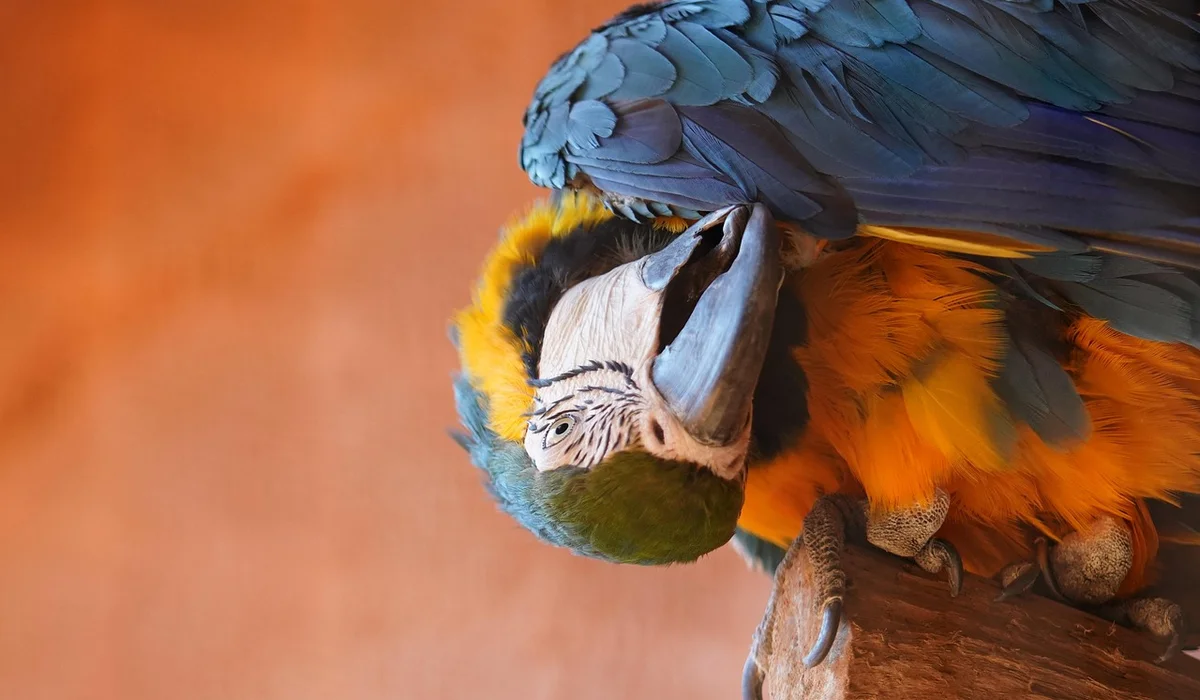
Municipal water systems use chemicals like chlorine and chloramine to kill bacteria, but these same substances can irritate your parrot’s sensitive system. I learned this firsthand when my Green-cheeked Conure, Kiwi, developed minor digestive issues that cleared up immediately after I switched his water source. If your parrot isn’t eating or drinking normally, water quality and irritants are common culprits to check. Understanding these everyday issues is a practical first step toward effective solutions.
Beyond treatment chemicals, tap water can contain heavy metals like lead from old pipes or fluctuating levels of nitrates.
Simple Steps to Make Tap Water Bird-Safe
Letting tap water sit uncovered for 24 hours allows chlorine to evaporate, making it safer for your bird. This is the easiest method I use for my flock, though it doesn’t remove chloramine.
- Leave water in an open container overnight
- Use a water conditioner designed for birds
- Boil water for 15 minutes then cool completely
Home testing kits give you real-time data about what’s actually in your water. I test my water seasonally since quality changes throughout the year.
- Purchase a heavy metal and chlorine test kit
- Follow instructions for water sampling
- Compare results to safe levels for birds
Avoid tap water entirely if your area has frequent boil-water advisories or known contamination issues. When my city had pipe repairs last year, I switched to filtered water for two weeks until the all-clear.
Benefits of Filtered Water for Parrots
Filtered water strikes the perfect balance by removing harmful contaminants while preserving beneficial minerals. My African Grey, Sage, has shown noticeably better feather quality since I started using filtered water three years ago.
Different filtration systems offer varying levels of protection:
| System Type | What It Removes | Mineral Retention |
|---|---|---|
| Carbon Filters | Chlorine, sediments, some chemicals | Excellent |
| Reverse Osmosis | Heavy metals, fluoride, viruses | Poor (removes most minerals) |
| Ceramic Filters | Bacteria, parasites, sediments | Good |
Filtered water provides consistent quality that doesn’t depend on municipal treatment fluctuations. This reliability gives me peace of mind knowing my birds get the same pure water every day.
Choosing the Right Water Filter
Look for filters certified to remove specific contaminants found in your water test results. I chose a carbon block system after discovering my main concerns were chlorine and sediment.
Key features for bird owners include:
- Independent certification (NSF/ANSI standards)
- Clear filter replacement indicators
- Mineral retention capabilities
- Easy installation without plumbing modifications
Factor in both initial cost and ongoing filter replacement expenses when budgeting. My countertop filter cost $80 initially, with $30 filter changes every six months.
Regular maintenance ensures your filter continues working effectively for your flock. I mark filter replacement dates on my calendar so I never forget this crucial task.
Through trial and error with my three parrots, I’ve found that a quality carbon filter provides the best balance of effectiveness, mineral retention, and affordability for most bird owners.
Bottled Water: Is It a Good Option?
Many parrot owners reach for bottled water thinking it’s the purest choice, but the reality is more complex. Not all bottled waters are created equal, and some can be surprisingly risky for your feathered friend.
Analyze Safety of Distilled and Mineral Bottled Waters
Let’s break down the two most common types you’ll find on the shelf.
- Distilled Water: This is pure H2O with all minerals removed. While it’s free of contaminants, that lack of minerals is the problem. I used distilled water for my Green-cheeked Conure, Kiwi, for a short time and noticed her feathers seemed less vibrant. My avian vet explained that long-term use can lead to mineral deficiencies. Distilled water can leach essential minerals right out of your parrot’s body over time.
- Mineral Water: This sounds healthy, but the mineral content is a gamble. The levels of calcium, sodium, and other minerals are designed for human palates, not delicate parrot systems. High mineral content, especially sodium, can strain a parrot’s kidneys. What tastes refreshing to you could be a slow poison for your bird.
Address Environmental Impact and Cost Concerns
Beyond your parrot’s dish, bottled water has a wider footprint.
- Plastic Waste: The constant stream of plastic bottles is terrible for our planet. I made the switch to a filter system partly because the pile of bottles from my three parrots felt overwhelming.
- Financial Drain:
- A single gallon of reputable bottled water can cost over a dollar.
- For multiple birds who splash and bathe, that cost multiplies fast.
- Investing in a good filter is cheaper within just a few months.
Your wallet and the environment will thank you for finding a more sustainable solution.
Guide on Reading Labels for Hidden Contaminants
You must become a label detective. Don’t just trust the marketing on the front.
- Look for a water analysis report or contact information for the company. A reputable brand will provide this.
- Check the “Total Dissolved Solids” (TDS). A lower number, ideally under 50 ppm, indicates higher purity.
- Scan the ingredients or source description for words like “sodium,” “chloride,” or “fluoride.” You want these to be absent or extremely low.
If the label is vague or lacks specific data, assume the water isn’t safe for your parrot.
Testing Bottled Water for Extra Safety
You can take safety into your own hands with a few simple tests.
Describe How to Check for pH, Hardness, and Purity
- pH Test: Use inexpensive pH test strips. A safe range for parrots is slightly acidic to neutral, between 6.0 and 7.5.
- Hardness Test: Hardness test strips measure dissolved calcium and magnesium. Soft to moderately soft water is best to prevent mineral buildup.
- Purity Check: A TDS meter is a great investment. It gives you a digital readout of total dissolved solids in seconds. Aim for a reading below 50.
Testing gives you peace of mind and concrete data, moving you from guesswork to certainty.
Recommend Trusted Brands or Types Based on Experience
Through trial and error with my flock, I’ve found a few reliable options for emergency or travel use.
- Reverse Osmosis (RO) Water: Many grocery stores have RO filling stations. This is often your purest and most affordable “bottled” option.
- Certain Spring Waters: Look for brands that publish their water quality reports and show very low sodium and mineral content.
Always verify the current water analysis for any brand, as sources and treatments can change.
List Signs of Poor-Quality Bottled Water
Your senses are your first line of defense.
- A strange chemical or plastic smell from the water.
- A funny, metallic, or sweet taste (yes, do a tiny taste test yourself).
- Cloudiness or visible particles floating in the bottle.
- Your parrot refuses to drink it or acts differently after you switch.
Your parrot’s rejection is the most important review you will ever get.
How to Switch Your Parrot’s Water Source Safely
A sudden change in water can upset your parrot’s sensitive digestive system. A slow transition is absolutely vital. Avoid common feeding mistakes—abrupt diet changes and over-reliance on seeds can upset digestion. Instead, offer a varied, balanced diet and introduce new foods gradually.
Provide Step-by-Step Transition Tips to Avoid Stress
Patience is your best tool here. Rushing this process can cause more harm than good.
- Day 1-3: Mix 25% of the new water with 75% of the old, familiar water.
- Day 4-6:
- Change the ratio to a 50/50 blend.
- Observe your parrot’s drinking habits closely during this stage.
- Day 7-10: Use 75% new water and only 25% old water.
- Day 11+: You can offer 100% of the new water source.
A gradual mix over 7-10 days gives your parrot’s system time to adapt without shock.
Discuss Monitoring for Changes in Behavior or Health
Watch your parrot like a hawk during the switch. I kept a small log when transitioning my Sun Conure, Sunny.
- Appetite: Is she eating normally, or has her food consumption dropped?
- Droppings: Are they normal in color, consistency, and amount? Watery droppings can be a sign of trouble.
- Energy Level: Is your parrot as active and vocal as usual, or is she unusually quiet and puffed up?
- Water Consumption: Is she drinking a similar amount, or is she avoiding the water dish?
Any significant change in behavior or droppings is a signal to slow down the transition or consult your vet.
Include Advice on Mixing Water Types Gradually
The key is consistency and precision during the mix.
- Use a clean measuring cup or syringe to get the ratios exactly right.
- Always provide the water mixture in a perfectly clean dish to avoid introducing bacteria.
- If your parrot seems stressed at any point, go back to the previous ratio for a few more days.
Taking an extra day or two is always better than risking your parrot’s health for the sake of speed.
Recognizing Water-Related Health Problems
Your parrot’s water habits can reveal early signs of trouble before a full-blown health crisis develops. I learned this the hard way when my Green-cheeked Conure, Kiwi, started acting unusually sluggish after a week of what I thought was “clean enough” water. Sometimes, lethargy is the first clue that something is off, and it’s crucial to troubleshoot the cause promptly.
Symptoms of Dehydration and Contamination
- Sunken eyes or dry, flaky skin around the cere
- Lethargy and reduced vocalization
- Thick, sticky saliva or difficulty swallowing
- Changes in droppings: unusually dark urates or reduced output
- Consistent refusal to drink from their usual water source
- Weight loss despite normal eating habits
When Kiwi’s playful chirps turned into quiet perching sessions, I knew something was wrong with her hydration. Her skin lost that healthy elasticity when I gently pinched the back of her neck – it should spring back immediately in a well-hydrated bird.
When to Seek Veterinary Care
Immediate veterinary attention becomes crucial when you notice multiple symptoms persisting for more than 24 hours. This respiratory distress checklist helps you spot signs of breathing problems in parrots. Using it can help you catch issues early. Don’t wait if your parrot shows:
- Complete refusal of both food and water
- Visible weakness or inability to perch
- Labored breathing alongside dehydration signs
- Diarrhea combined with lethargy
My African Grey Sage once developed digestive issues after I neglected to clean his water bowl properly for two days. The vet identified bacterial contamination that required antibiotics – a preventable situation with better water management.
Daily Water Maintenance for Happy Parrots
Consistent water maintenance prevents 90% of hydration-related health issues in companion parrots. After my experience with Sage’s bacterial infection, I developed a foolproof system that keeps all three of my birds healthy and hydrated. This is part of a complete guide to the most common parrot health concerns. In it you’ll find practical steps, symptom checklists, and prevention strategies.
Water Changing Frequency and Methods
- Change water at least twice daily – morning and evening
- Immediately replace water after your parrot bathes or dunks food
- Use stainless steel or ceramic bowls that resist bacteria growth
- Keep multiple water stations in larger cages
Parrots like my Sun Conure Sunny often treat their water bowls like combination drinking fountains and swimming pools. I’ve found changing water immediately after these “pool parties” prevents bacterial blooms that can make birds sick. This is part of a complete guide on cleaning your parrot and its environment safely.
Effective Bowl Cleaning Techniques
- Daily hot water scrubbing with a dedicated brush
- Weekly deep cleaning with vinegar solution (1 part vinegar to 2 parts water)
- Thorough rinsing to remove all cleaning residue
- Complete air drying before refilling
That film you sometimes feel on the inside of water bowls? That’s biofilm – a bacterial playground that regular rinsing won’t remove. Proper scrubbing breaks down this invisible layer that can harbor dangerous microorganisms.
Routine Hydration and Quality Checks
- Perform daily skin elasticity tests (the pinch test)
- Monitor water consumption patterns for changes
- Check droppings for proper moisture content
- Observe drinking behavior – hesitant drinking might indicate water quality issues
I make water quality checks part of my morning routine alongside feeding and cage cleaning. This consistent monitoring helped me catch early signs of dehydration in Kiwi last summer when her water consumption dropped during a heat wave.
FAQs
Is boiled tap water safe for parrots?
Boiling tap water can eliminate chlorine and kill harmful bacteria, making it a safer short-term option. However, it does not remove heavy metals or other contaminants, so it may not be ideal for long-term use without additional filtration.
What are the key signs that my parrot is well-hydrated?
A well-hydrated parrot will have bright, clear eyes and skin that snaps back quickly when gently pinched. They should also display normal energy levels, vocalizations, and produce consistently moist droppings. If you’re trying to tell if your parrot is happy, look for these indicators. Here are 10 key signs of a happy parrot.
How can I encourage my parrot to drink more water daily?
Offer fresh water in clean, accessible bowls and change it at least twice a day to maintain appeal. Incorporating water-rich foods like cucumbers or apples into their diet can also help supplement their hydration naturally.
Wrapping It Up: Your Parrot’s Hydration Guide
From my time with Kiwi, Sunny, and Sage, I’ve learned that filtered water is your safest bet for keeping parrots healthy and hydrated. It removes common tap water impurities without the high cost or waste of bottled options, giving you peace of mind with every drink. Beyond water safety, environmental toxins at home can also harm parrots. Fumes from cleaners, aerosols, and certain cookware can quickly make them ill. If tap water is your only choice, let it sit out to dissipate chlorine first.
Owning a parrot means committing to their well-being through every detail, including water quality and humidity control. Staying informed and adapting your care routine shows true responsibility and deepens the bond with your feathered companion. Keep seeking out reliable resources to support a long, vibrant life for your pet.
Further Reading & Sources
- Parrots And Water – Hagen Avicultural Research Institute
- Can Parrots Drink Tap Water? – Clever Pet Owners
- Parrot Wizard – Parrot Water Bottle, Cleaning Brush, Video Combo
Suzanne Levine is a dedicated parrot enthusiast and experienced avian caregiver with over 15 years of hands-on experience in parrot care. As the founder of Parrot Care Central, Suzanne is passionate about sharing her knowledge and insights to help fellow parrot owners provide the best possible care for their feathered friends. Her expertise spans nutrition, behavior, health, and enrichment, making her a trusted resource in the parrot care community.
Health & Wellness