
10 Dangerous Parrot Care Myths That Can Harm Your Bird
Published on: January 8, 2026 | Last Updated: January 8, 2026
Written By: Suzanne Levine
Are you following parrot care advice that could secretly hurt your feathered friend?
I’ve seen too many bird owners, including myself with Kiwi and Sunny, make mistakes based on popular but harmful myths.
Let me guide you through the facts so you can protect your parrot.
We’ll focus on three key takeaways:
- Identify why diet errors from myths cause real health problems.
- Learn how social and housing myths impact your bird’s mental well-being.
- Uncover simple fixes to common care routines that prevent harm.
You’ll walk away with clear, easy-to-follow advice that keeps your parrot thriving.
Topics covered include: feeding fallacies, cage size misconceptions, social needs oversights, exercise myths, grooming dangers, vet care falsehoods, behavior training errors, lifespan expectations, handling mistakes, and environmental enrichment myths.
Deadly Diet Deceptions
I used to think a seed-only diet was fine for my Green-cheeked Conure, Kiwi, until he started gaining weight and acting sluggish. Many parrot owners believe seeds are a complete meal, but they’re often high in fat and lack essential vitamins. They don’t provide a balanced nutrition compared to pellets.
Variety is key to keeping your bird healthy and happy. Fresh vegetables like carrots and leafy greens should make up a large part of their daily intake.
Common Food Myths to Avoid
- Avocado is safe: It contains persin, which is toxic and can cause heart failure.
- Chocolate as a treat: Theobromine in chocolate is poisonous and can lead to seizures.
- Fruits are enough: While fruits like apples are good, they’re high in sugar and should be limited.
After switching Kiwi to a mix of pellets, veggies, and occasional fruits, his energy soared and his feathers gleamed. Always research new foods and consult an avian vet to prevent nutritional deficiencies.
Cage Size and Setup Fallacies
When I first brought home Sunny, my Sun Conure, I kept him in a small cage thinking it was cozy, but he became stressed and noisy. A cramped cage restricts natural behaviors like stretching and short flights, leading to health issues.
Your parrot’s home should be a safe haven that encourages movement and play. Opt for the largest cage you can afford, with bar spacing appropriate for your bird’s size to prevent escapes or injuries. Different parrot species have varying cage needs, so size and bar spacing should fit your bird. Choosing a cage that accommodates their wingspan and daily activity supports safety.
Essential Cage Setup Tips
- Include multiple perches of varying diameters to promote foot health and prevent arthritis.
- Provide foraging toys and puzzles to stimulate their mind and reduce boredom.
- Place food and water dishes away from perches to avoid contamination from droppings.
Upgrading Sage’s cage with more space and toys transformed her from a quiet observer to an engaged companion. Regularly rotate toys and perches to keep the environment fresh and exciting for your bird.
Wing Clipping Truths and Consequences
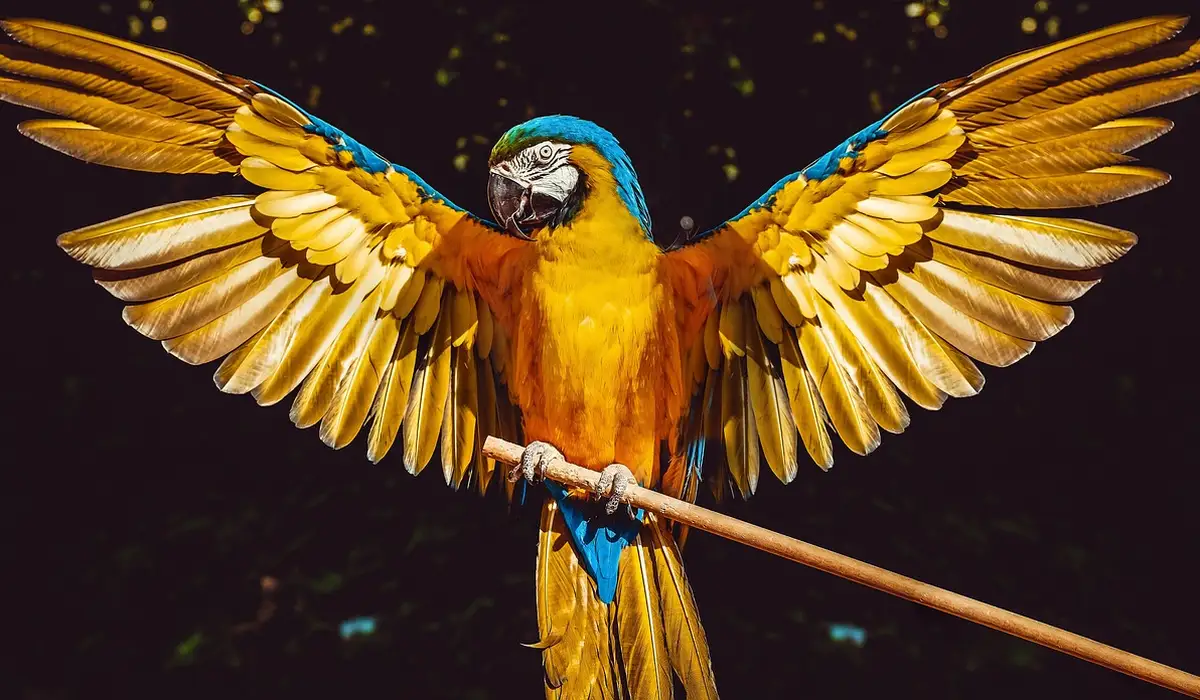
Many people believe wing clipping is a simple, harmless procedure to keep a parrot safe. This is one of the most pervasive and damaging myths in parrot care. From my experience with my Green-cheeked Conure, Kiwi, I’ve seen firsthand that a bird’s ability to fly is fundamental to its well-being. Instead, focus on creating a safe, stimulating indoor flight environment for your parrot. With supervised flight time, safe spaces, and enriching toys, your bird can stay healthy and happy.
Why the Myth Persists
This idea often comes from a place of love and fear. Owners worry about birds flying into windows or escaping outdoors.
- Misguided Safety: The belief that a flightless bird is a safe bird.
- Convenience Factor: An unflighted parrot is often perceived as easier to handle and manage.
- Outdated Practices: Many older care guides and even some vets still recommend it as standard procedure.
The Physical and Psychological Fallout
Clipping wings is not like getting a haircut. It can have severe, long-term consequences.
- Muscle Atrophy: Wings are a parrot’s primary muscles. Without use, they weaken dramatically. My Sun Conure, Sunny, was clipped when I got her, and it took months of careful exercise to rebuild her strength.
- Poor Balance and Coordination: Flight is integral to a bird’s spatial awareness and balance. A clipped bird can become clumsy and more prone to injury from falls.
- Mental Distress and Boredom: Flying is a natural, instinctual behavior that provides critical mental stimulation. Removing this can lead to feather plucking, screaming, and other behavioral issues.
- Loss of Confidence: A bird that cannot flee from perceived danger can become chronically stressed, anxious, or even aggressive.
A Better Path: Flight Training and Safety-Proofing
Instead of removing their wings, we should be creating a safe environment for them to use them.
- Parrot-Proof Your Home: Cover windows and mirrors, secure ceiling fans, and eliminate accessible toxic plants or open water sources.
- Practice Recall Training: Teach your bird to fly to you on command in a safe, enclosed space. This builds trust and gives you control.
- Provide Ample Exercise: Encourage flying between perches and playstands to keep them physically fit and mentally sharp.
Toxic Household Hazards
Your home is a minefield of potential dangers for a curious parrot. Their incredibly efficient respiratory systems make them vulnerable to toxins we barely notice. I learned this the hard way when a seemingly innocent scented candle sent Sage, my African Grey, into a respiratory panic. From cleaners and aerosols to scented products, everyday items can release toxins parrots breathe in. Being aware of these environmental hazards is key to keeping parrots safe.
Invisible Killers in the Air
A parrot’s respiratory system is far more sensitive than ours. What smells pleasant to you can be lethal to them. During the holidays, candles, sprays, and scented decorations can pose extra risks for birds. This is why a comprehensive seasonal safety checklist for parrots is essential to keep your feathered friend safe.
- Non-Stick Cookware: Overheated Teflon and similar coatings release odorless fumes that can kill a bird in minutes.
- Aerosol Sprays: Hairspray, air fresheners, and cleaning sprays contain propellants and chemicals that damage delicate lung tissue.
- Scented Products: Plug-in air fresheners, scented candles, and essential oil diffusers are a constant source of volatile organic compounds (VOCs).
- Household Cleaners: Bleach, ammonia, and phenols are extremely dangerous. Always use bird-safe cleaners or a simple vinegar and water solution.
Common Items That Are Secretly Poisonous
Parrots explore the world with their beaks, so anything they can chew is a potential risk.
- Certain Houseplants: Lilies, philodendron, poinsettia, and ivy are just a few common plants that can cause serious illness or death.
- Foods to Avoid: Avocado, chocolate, caffeine, onions, and garlic are toxic. Even the salt on a potato chip can be harmful.
- Heavy Metals: Beware of old paint, zinc from some cage coatings, and lead from stained glass or curtain weights.
- Alcohol and Tobacco: These should be obvious, but secondhand smoke is a major, often overlooked, hazard.
Creating a Safe Sanctuary
Protecting your bird requires constant vigilance. Assume everything is dangerous until you’ve confirmed it’s safe.
- Research Before You Buy: Before bringing any new plant, cleaner, or cookware into your home, verify it is parrot-safe.
- Ventilate, Ventilate, Ventilate: Always use exhaust fans when cooking and open windows regularly to circulate fresh air.
- Bird-Proof Your Space: Keep your parrot caged during high-risk activities like cleaning or painting, and store all toxic items securely out of reach.
Water Quality and Bathing Misunderstandings
Many parrot owners think tap water is perfectly fine, but I learned the hard way with my Green-cheeked Conure, Kiwi. Chlorine and heavy metals in tap water can slowly damage your bird’s sensitive kidneys over time.
I only offer filtered or bottled water now, and I’ve noticed a real difference in their feather quality and energy.
Common Water and Bathing Myths
- Myth: A water bowl is enough for bathing. Parrots need to soak their feathers to stay clean and healthy. A shallow dish or a gentle misting spray works wonders.
- Myth: Bathing once a month is sufficient. Most parrots thrive with weekly opportunities to bathe. My Sun Conure, Sunny, gets visibly grumpy if she misses her weekly spray!
- Myth: Any spray bottle will do. Always use a clean bottle dedicated only to fresh water. Chemical residues from cleaners are a silent killer.
Enrichment and Toy Safety Mistakes
It’s easy to buy the first colorful toy you see, but not all toys are created equal. A bored parrot is a destructive parrot, and a dangerous toy can lead to a tragic emergency vet visit. A quick toys safety checklist can help you pick safe toys and inspect them before every play session. Using that checklist will reduce risks and keep your parrot safer during play.
My African Grey, Sage, is a master at dismantling poorly made toys, so I’ve become very picky about what goes in her cage.
Toy Materials to Avoid at All Costs
- Zinc and Lead: Often found in cheap metal chains, bells, and clips. These metals are toxic if ingested.
- Soft, Chewable Plastics: These can splinter into sharp pieces or be swallowed, causing internal blockages.
- Cotton Ropes: Loose threads can wrap around toes or necks, cutting off circulation. If you use rope, ensure it’s tightly woven and inspect it daily.
Building a Safe and Stimulating Environment
Enrichment isn’t just about toys; it’s about engaging their wild instincts.
- Rotate Toys Weekly: This prevents boredom. I have a bin of toys and swap a few in and out for Kiwi to keep her curious.
- Offer Foraging Opportunities: Hide treats in cardboard boxes or paper bags. This makes them work for their food, just like in the wild.
- Provide Different Textures: Combine bird-safe wood, leather, and paper for a variety of chewing experiences.
Your parrot’s mental health is just as vital as their physical health, and a well-enriched life prevents a host of behavioral problems. Sound management at home can help reduce household noise and stress. By enriching daily routines and teaching calmer vocalizations, you can keep the home peaceful for both you and your parrot.
Vitamin and Mineral Overload Myths
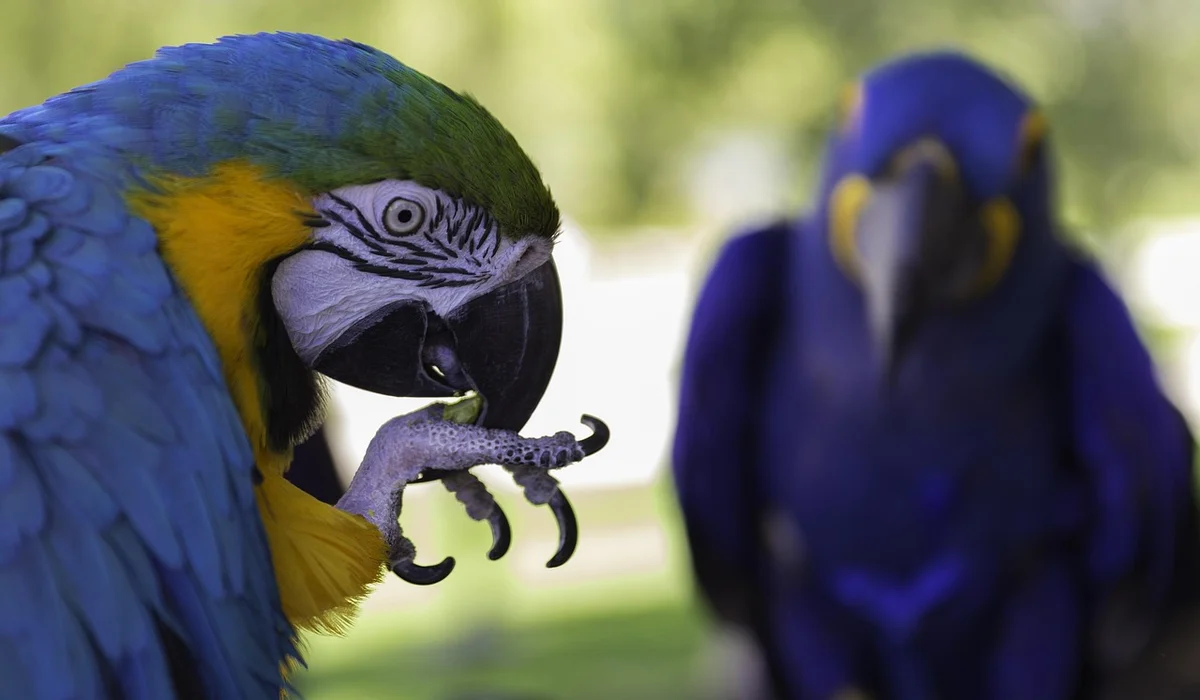
I used to sprinkle vitamin powder on my conure Kiwi’s seed mix every single day, convinced I was giving him a health boost. This is one of the most common and dangerous mistakes you can make with a parrot. More is not better when it comes to vitamins and minerals; it’s a fast track to serious health problems.
Think of it like this: you wouldn’t take a handful of multivitamins with every meal. Your parrot’s body is just as sensitive. Over-supplementing, especially with fat-soluble vitamins like A, D, E, and K, can lead to toxic buildup. To keep your bird safe, there’s a complete list of toxic foods parrots should avoid. Knowing what to skip helps prevent accidental poisoning and keeps your parrot healthy.
The Real Risks of Over-Supplementing
Here’s what can actually happen inside your bird:
- Vitamin D toxicity causes kidney damage and can soften bones, making them prone to fractures.
- Too much calcium can prevent the absorption of other crucial minerals like zinc and iron.
- Liver damage is a very real outcome from vitamin A overload.
The best source of nutrients is always a varied, high-quality diet, not a powder from a container. I stopped the daily dusting and focused on giving Kiwi fresh veggies, and his energy levels and feather quality improved dramatically. If your avian vet recommends a supplement for a specific, diagnosed deficiency, that’s one thing. But as a daily practice, skip it.
Fresh Food Fears and Fruit Pit Dangers
I’ve heard so many parrot owners say they’re scared to feed fresh foods because they might spoil or cause illness. This fear is robbing your bird of essential vitamins, hydration, and mental enrichment. Fresh foods are a cornerstone of good health, but you do need to handle them smartly.
My sun conure, Sunny, goes crazy for a chunk of bell pepper or a sprig of cilantro. Introducing these foods slowly was key. The real danger isn’t the fresh food itself, but how it’s prepared and what parts you serve.
How to Serve Fresh Foods Safely
Follow these simple steps to make fresh foods a safe delight:
- Wash all fruits and vegetables thoroughly to remove pesticides.
- Remove any uneaten fresh food from the cage after a few hours to prevent bacterial growth.
- Chop items into manageable, bite-sized pieces to prevent choking.
- Offer a colorful variety to ensure a wide range of nutrients.
The Absolute “No” List: Fruit Pits and Seeds
This is non-negotiable. While the fleshy part of an apple is fine, the seeds are not. The same goes for many other common fruits.
Fruit pits and seeds from apples, cherries, peaches, plums, and apricots contain cyanogenic glycosides, which release cyanide when metabolized. Even a small amount can be fatal for a small parrot. I am religious about cutting around the core of any apple I give to my flock. It’s a simple habit that could save your bird’s life.
- Safe to eat: The fleshy fruit of apples, pears, peaches, and cherries.
- Dangerous and must be removed: The seeds and pits from these same fruits.
Don’t let fear keep you from the vibrant world of fresh foods. Just be a vigilant chef for your feathered friend.
Common Questions
My parrot is a picky eater and refuses pellets. What should I do?
Transitioning to a healthier diet requires patience and persistence. Mix pellets gradually into their current food and use positive reinforcement when they show interest.
Where is the best place to put my parrot’s cage in my home?
The cage should be in a socially active area of your home, but not in the direct path of heavy drafts, direct sunlight, or the kitchen. This placement allows your bird to feel part of the family while avoiding environmental stressors.
My parrot suddenly bites me for no reason. How can I stop this?
Parrots rarely bite without a cause, often due to fear, hormones, or a need to communicate. Observe the context of the bite to understand the trigger and respond with positive reinforcement training instead of punishment. A practical stop your parrot from biting step-by-step training guide can help you apply these principles consistently. It breaks the process into manageable steps and uses positive reinforcement to build trust with your bird.
How much sleep does my parrot actually need?
Most parrots require 10-12 hours of uninterrupted quiet and darkness to maintain a healthy immune system and prevent behavioral issues. Covering the cage and placing it in a low-traffic area at night can help achieve this.
Is it normal for my parrot to scream all day?
While some vocalization is normal, constant screaming is often a sign of boredom or a need for attention. Providing ample foraging toys and scheduled, interactive out-of-cage time can significantly reduce excessive noise.
Wrapping It Up
Remember, the best care for your parrot comes from replacing old myths with modern, science-backed practices that respect their complex nature. I’ve seen my own birds, like the clever Sage, thrive when I moved past common misconceptions about diet and socialization, focusing instead on their specific needs. That’s the focus of parrot diet myths debunked: 7 common misconceptions about avian nutrition.
Being a great parrot guardian is an active, lifelong journey of learning and adapting. Your commitment to their well-being is what truly builds a happy, healthy life for your feathered family member, so keep asking questions and observing what makes your unique bird flourish.
Further Reading & Sources
- The Truth About Parrots as Pets
- 19 Myths in Companion Parrot Care – Avian Behavior International
- Bird Safety Alert: 15 Everyday Items That Can Poison Birds!
Suzanne Levine is a dedicated parrot enthusiast and experienced avian caregiver with over 15 years of hands-on experience in parrot care. As the founder of Parrot Care Central, Suzanne is passionate about sharing her knowledge and insights to help fellow parrot owners provide the best possible care for their feathered friends. Her expertise spans nutrition, behavior, health, and enrichment, making her a trusted resource in the parrot care community.
Health & Wellness