What Can Parrots Drink Safely? Your Complete Beverage Guide
Are you constantly second-guessing which drinks are safe for your parrot? It’s a worry I’ve faced myself with my own flock, like Kiwi the playful Green-cheeked Conure, who always tries to sneak sips from my cup.
Drawing from years of caring for parrots like Sunny the affectionate Sun Conure and Sage the smart African Grey, I’ll guide you through the essentials. You’ll get practical advice based on real experience to protect your bird’s health.
- Safe daily hydration options that keep parrots thriving.
- Common household drinks to avoid for their safety.
- Simple ways to introduce new beverages without stress.
No more confusion-just clear steps you can trust. We’ll dive into water, fruit juices, milk alternatives, and hazardous drinks in this easy-to-follow guide.
Water: The Lifeline for Your Parrot
Think of fresh, clean water as the engine oil for your feathered friend’s vibrant life. Without proper hydration, their energy plummets, their beautiful feathers can become dull, and their overall health can decline rapidly. My own Green-cheeked Conure, Kiwi, will literally stop playing and start panting if his water isn’t fresh-it’s his most immediate need.
Choosing the Best Water for Your Bird
Not all water is created equal in a parrot’s world. Let’s break down your options.
- Filtered Tap Water: This is my go-to choice and what I give all my birds. A simple carbon filter removes chlorine and most heavy metals, making it safe and affordable.
- Spring Water: A great alternative, but check the label. Ensure it’s low in sodium and doesn’t have any added minerals or flavors.
- Bottled Drinking Water: Similar to spring water, it’s generally safe if it’s plain and low in sodium. It’s just a more expensive option for daily use.
- Plain Tap Water: This depends entirely on your local supply. If your tap water is heavily treated with chlorine or chloramine, it’s better to avoid it or let it sit out for 24 hours so some chemicals can dissipate.
The Perfect Water Temperature
Parrots, like many of us, have a preference. In terms of temperature, most pet parrots thrive best in an ideal range around 65–75°F (18–24°C). Room temperature or slightly cool water is the sweet spot that encourages them to drink the most. Keep their broader environment within that range as much as possible to avoid stress and heat or cold shocks. My Sun Conure, Sunny, turns his beak up at anything too warm. I’ve found that offering cold water straight from the fridge can be a shock to their system, so I let it sit for a few minutes first.
Keeping Water Clean and Safe
A dirty water bowl is a breeding ground for bacteria. Here is my simple daily routine.
- Empty the water bowl completely every single morning.
- Wash the bowl with hot, soapy water, scrubbing away any slime or food debris.
- Rinse it thoroughly until all soap residue is gone.
- Refill it with fresh, filtered water.
- Perform a quick visual check throughout the day for dropped food or droppings.
A clean bowl not only provides fresh water but also prevents your parrot from ingesting harmful bacteria that can make them sick. This is a simple step in the complete guide to cleaning your parrot and its environment safely. For a thorough approach, the guide also covers cages, perches, toys, and feeding areas.
Safe Sips: Other Beverages Parrots Can Enjoy
While water is king, a little variety can be a fun and healthy treat. The golden rule for any other drink is moderation and proper preparation. Think of these as occasional sips, not meal replacements.
Diluted Fruit Juices
A tiny taste of fruit juice can be exciting! Always choose 100% pure juice with no added sugars or artificial sweeteners, and then dilute it significantly. I use a ratio of one part juice to four parts water. A drop of pure, unsweetened orange juice in water was a special treat my African Grey, Sage, used to love investigating.
Coconut Water
Natural coconut water is packed with electrolytes. This makes it a fantastic, natural hydration booster for a parrot that seems a bit under the weather or on a particularly hot day. Offer just a teaspoonful in a separate dish, and ensure it’s pure coconut water without any added sugars or preservatives. For parrots, coconut water is generally safe in small amounts as an occasional treat. It should never replace fresh water, and you should consult an avian veterinarian if you have concerns.
Herbal Teas
Certain caffeine-free herbal teas can be very soothing. Chamomile or peppermint tea, served at room temperature and unsweetened, can be a calming treat. I brew a cup for myself, let it cool completely, and then offer a small spoonful to Sage. He curiously dips his beak in and seems to enjoy the new flavor.
Other Bird-Safe Sips
- Vegetable Water: The unsalted water left after steaming vegetables like carrots or broccoli is full of nutrients. Let it cool and offer a little as a health-boosting drink.
- Bird-Safe Infusions: You can make your own by soaking safe, chopped fruits like berries or melon in their water dish for a few hours to impart a very subtle flavor.
Always introduce any new beverage in a tiny amount and watch for any changes in your bird’s behavior or droppings. When in doubt, stick with pure, fresh water – it’s the one drink you can never go wrong with, especially since knowing how much water your parrot should drink daily is crucial.
Danger Zone: Drinks to Avoid at All Costs
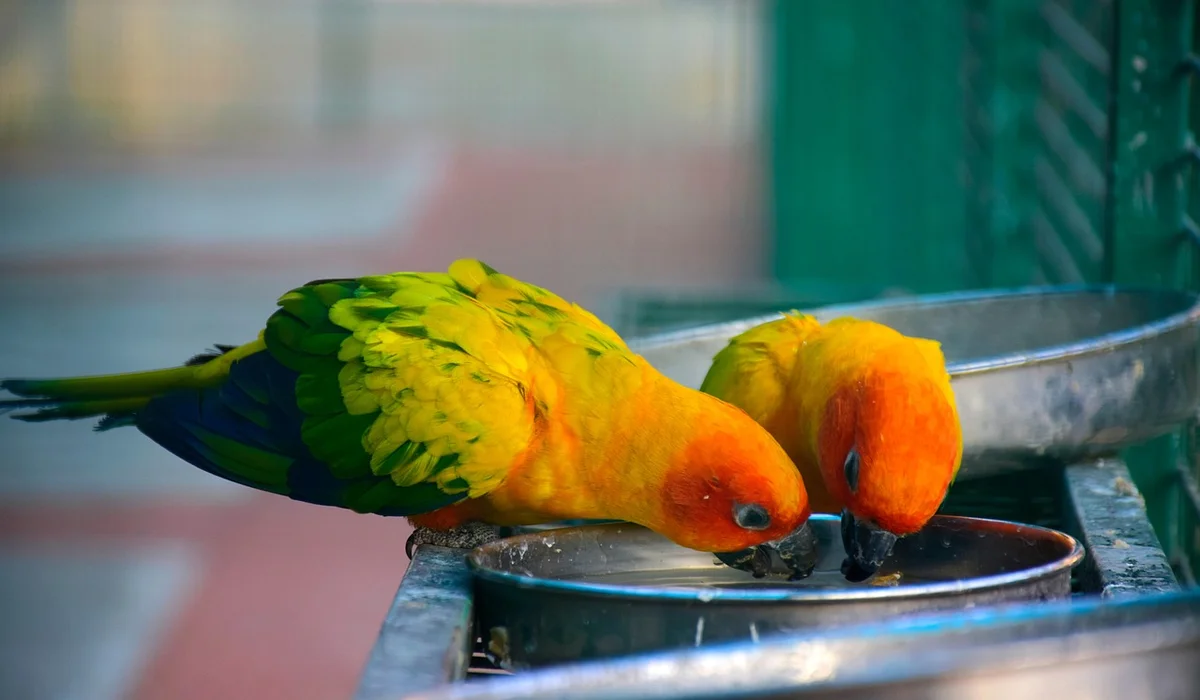
Some drinks are downright dangerous for our feathered companions, and it’s vital to know what to keep far away from their beaks. A complete list of toxic foods parrots should avoid can help prevent accidental exposure, and knowing which items to steer clear of makes care safer for your bird.
- Alcohol, beer, and wine are absolute no-gos. My Green-cheeked Conure, Kiwi, is so small that even a tiny drop of alcohol could cause severe poisoning, respiratory failure, or worse. Birds get drunk and suffer alcohol toxicity frighteningly fast.
- Sugary or artificially flavored drinks like soda and cola are terrible for parrot health. The high sugar content can lead to obesity and yeast infections, while artificial sweeteners and chemicals can cause digestive upset or organ damage.
- Caffeine-containing beverages like coffee, tea, and energy drinks are highly toxic. Caffeine can cause cardiac issues, hyperactivity, and fatal heart attacks in birds. I never leave my morning coffee unattended when my birds are out.
- Dairy products, including milk, are difficult for parrots to digest. Most parrots are lactose-intolerant, and dairy can cause serious digestive distress and diarrhea.
- Other toxic drinks include anything with salt, high-sodium broths, and fruit seeds or pits that contain cyanide. Always remove seeds from apple slices or cherry pits before offering the fruit itself.
Hydration Habits: Tips for Offering Drinks
Establishing good hydration habits is a cornerstone of parrot care and helps prevent health issues before they start. Watch for signs of dehydration in parrots, such as lethargy or a fluffed appearance. Quick hydration helps prevent dehydration-related health issues in parrots.
- Offer fresh, clean water at least twice daily, though some species may drink more frequently. My active Sun Conure, Sunny, drinks more often than my calmer African Grey, Sage. Observe your bird’s personal patterns.
- Use sturdy, tip-proof water bowls that are easy to clean. I use stainless steel bowls for my flock and scrub them with hot water and a dedicated brush daily to prevent slimy biofilm buildup.
- To encourage drinking, try placing water bowls in multiple cage locations. Some birds prefer a bath dish; offering shallow, fresh water can stimulate both drinking and bathing behaviors.
- Monitor hydration by watching their water intake and checking their droppings. Well-hydrated droppings have a clear, liquid component. If the white urates become chalky, it can signal dehydration.
- Serve water at room temperature. While some parrots enjoy a cool spritz from a spray bottle, their main drinking water shouldn’t be ice-cold. You can offer moist foods like cucumber or melon to supplement their fluid intake.
Health Alerts: Recognizing Dehydration and Poisoning
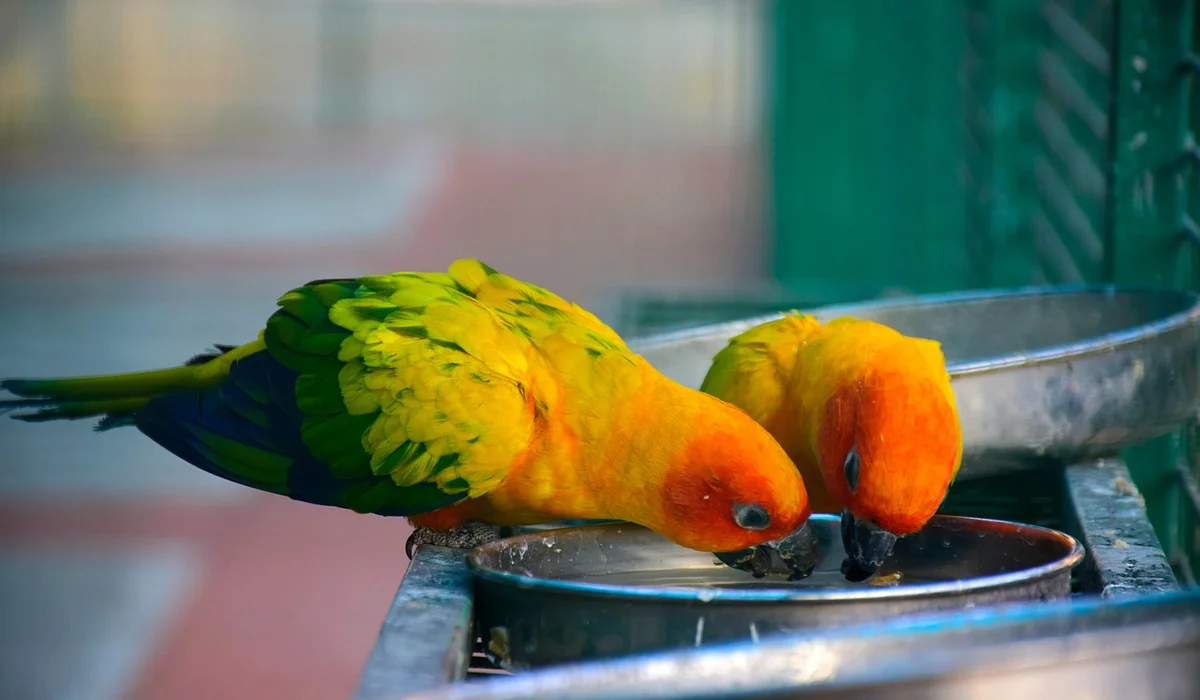
Knowing the warning signs of a problem can save your parrot’s life, so stay vigilant and act quickly if something seems off. If you’re unsure how to tell when your parrot is stressed, look for these 15 warning signs. Being able to spot them early can prevent serious issues.
- Signs of dehydration include sunken eyes, dry or tacky mouth, lethargy, and loss of skin elasticity. You can gently pinch the skin on their neck; if it doesn’t snap back quickly, they need fluids.
- Signs of poisoning from an unsafe drink can include vomiting, tremors, difficulty breathing, seizures, or sudden collapse. Any rapid behavior change after they’ve consumed something new is a major red flag.
- If you suspect your parrot drank something poisonous, immediately contact your avian vet or an emergency pet poison hotline. Do not try to induce vomiting or give any home remedies unless specifically instructed by a professional.
- Seek veterinary guidance the moment you notice symptoms of illness or distress. Birds are experts at hiding weakness, so by the time symptoms are obvious, the situation is often critical. Your vet’s number should be saved in your phone for instant access.
FAQs
Can parrots drink carbonated water?
No, carbonated water can cause digestive discomfort and bloating in parrots. Always provide still, fresh water to avoid any health risks. Some parrots enjoy a gentle bath or splash in shallow water. Most are not natural swimmers and should never be kept in deep water.
Is it safe to give parrots diluted fruit juice daily?
No, diluted fruit juice should only be an occasional treat due to its natural sugar content. Frequent intake can contribute to weight gain and other health issues over time.
How can I encourage a picky parrot to drink more water?
Try offering water in a shallow dish for bathing or adding a few safe, chopped fruits to infuse flavor. Placing multiple water bowls in different cage locations can also stimulate their interest.
In Closing
From my time with Kiwi, Sunny, and Sage, I’ve learned that fresh, clean water is the top choice for hydration, with diluted fruit juices as occasional treats. Water quality matters for parrots—filtered tap water or properly tested bottled water is often the best option. Keeping fresh water readily available helps ensure their health and vitality. Stick to simple, natural options and steer clear of anything sugary, caffeinated, or alcoholic to prevent health issues. This approach has kept my parrots vibrant and energetic, just like yours can be.
Responsible parrot care means always asking questions and seeking out reliable resources. Your dedication to ongoing education shows true love and respect for your bird’s well-being. Part of responsible care is building a long-term care plan for your parrot—covering nutrition, housing, veterinary checkups, and daily enrichment. Keep exploring and sharing what you learn to make every sip safe and joyful for your feathered companion. Having a plan helps you stay consistent and prepared for life’s changes while keeping your bird thriving.
Further Reading & Sources
- Is Tea Safe For Parrots?
- Brew Some Health and Bonding With Parrot Tea – Bird Street Bistro
- Tea Good for Parrots: 10 Safe Herbal + Caffeine-Free Types!
Suzanne Levine is a dedicated parrot enthusiast and experienced avian caregiver with over 15 years of hands-on experience in parrot care. As the founder of Parrot Care Central, Suzanne is passionate about sharing her knowledge and insights to help fellow parrot owners provide the best possible care for their feathered friends. Her expertise spans nutrition, behavior, health, and enrichment, making her a trusted resource in the parrot care community.
Nutrition